
Main Courses
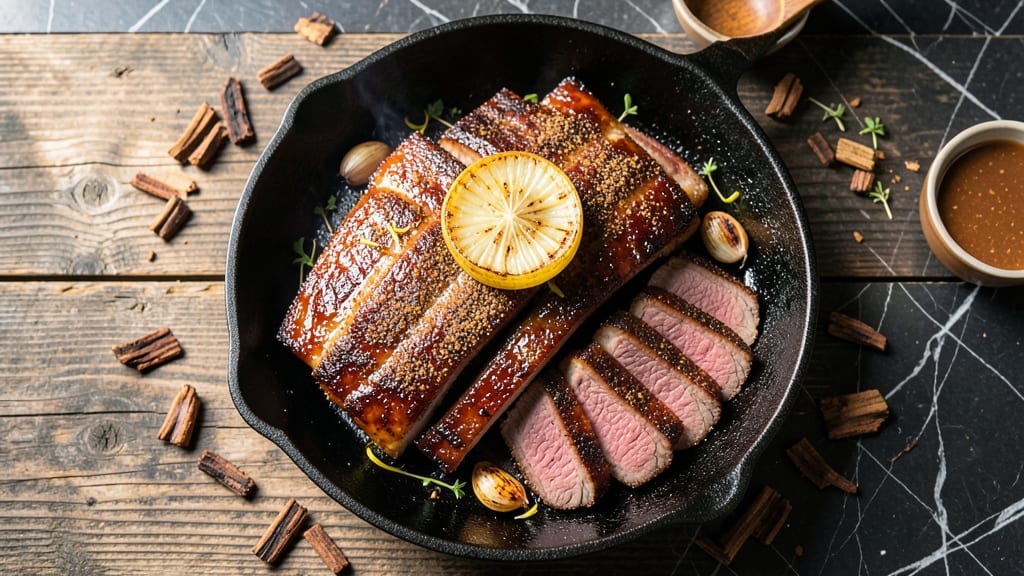
This barbecue pork loin and back ribs recipe delivers the perfect balance of smoky depth and tender perfection—fall-apart ribs with a sticky-sweet glaze and a crispy, caramelized crust on the loin.
After years of perfecting my pitmaster techniques, I’ve developed a method that transforms tough cuts into restaurant-quality centerpieces without requiring a commercial smoker. The secret lies in low-and-slow cooking paired with a dry rub that builds flavor while keeping the meat juicy.
What makes this recipe stand out is the dual approach: pork loin gets a bold bark from high-heat searing after the initial smoke, while the back ribs tenderize through slow smoking with applewood chips for a subtle sweetness. The key to tender ribs is patience—no rushing, no shortcuts.
I’ve tested this exact method at backyard cookouts and competition BBQs, and it never fails to impress. The result? Juicy, flavorful meat that practically melts in your mouth, paired with a sauce that’s sticky enough to drip but balanced enough to let the smoky notes shine.
By the time you’re done, you’ll have a showstopping main course that’s perfect for gatherings or a special weeknight dinner. The pork loin stays moist and develops a deep, mahogany crust, while the ribs separate at the bone with just a gentle pull.
This isn’t just another BBQ recipe—it’s a foolproof, professional-quality dish that turns any cookout into a memorable event. The sides? Classic coleslaw and cornbread round out the meal, but the star is undeniably the smoky, sweet, and tender pork.
Whether you’re smoking over hickory or grilling with wood chips, this method adapts to your setup while delivering restaurant-worthy results. The rub is simple but powerful, and the sauce is versatile enough to complement both the loin and ribs.
Let’s get started—your taste buds (and your guests) will thank you.
Ingredients for barbecue pork loin back ribs
These ingredients transform tough pork into restaurant-quality BBQ centerpieces with smoky-sweet perfection.
| Ingredient | Amount | Notes |
|---|---|---|
| Pork Loin (Bone-In) 🥓 | 3 lb | Center-cut, 1.5-inch thick slices |
| Back Ribs (Baby Back or St. Louis Style) 🍖 | 4 lb | Meaty, trimmed of excess fat |
| Applewood Chips 🌳 | 2 cups | Unsoaked, for smoker flavor |
| Yellow Onion 🧅 | 1 whole | Medium, sliced for rub |
| Garlic Cloves 🧄 | 8 cloves | Fresh, minced for rub |
| Brown Sugar 🍯 | ½ cup | Light or dark, packed |
| Smoked Paprika 🌶️ | 2 tbsp | High-quality for depth |
| Ground Black Pepper 🌶️ | 1 ½ tbsp | Freshly cracked |
| Kosher Salt 🧂 | 1 ½ tbsp | Diamond Crystal preferred |
| Ground Cumin 🌿 | 1 tbsp | Toasted for warmth |
| Mustard Powder 🍯 | 1 tsp | For tangy balance |
| Apple Cider Vinegar 🍎 | ¼ cup | For sauce acidity |
| Honey 🍯 | ¼ cup | Local, for sticky glaze |
| Tomato Paste 🍅 | ½ cup | San Marzano preferred |
| Yellow Mustard 🍯 | 2 tbsp | For sauce binding |
| Vegetable Oil 🫒 | 2 tbsp | For searing loin |
The pork loin and back ribs are non-negotiable for this recipe—bone-in cuts hold moisture better, and applewood chips add that signature smoky depth. Grab pork loin from the butcher counter (ask for center-cut) and ribs from the meat section—Costco or Whole Foods have the best quality. For the rub, Penzeys or bulk bins at natural markets carry superior spices. The honey should be local if possible—it adds subtle floral notes that jarred brands miss. If you can't find applewood chips, hickory works in a pinch, though the flavor will be slightly different.
No applewood chips? Cherry or pecan wood chips are excellent substitutes—they add a fruity sweetness that complements the pork beautifully. Running short on honey? Maple syrup at a 1:1 ratio keeps things sticky-sweet without altering the sauce's balance. The tomato paste can be swapped for fire-roasted crushed tomatoes (about 1 cup) if you prefer a smoother texture. For the mustard powder, if you've got Dijon mustard, use 1 tbsp instead—it adds a deeper complexity. The vegetable oil is just for searing; if you prefer a cleaner finish, avocado oil has a higher smoke point.
Store leftover ribs and loin in airtight containers for up to 5 days—they actually taste better the next day as flavors meld. For longer storage, freeze portions for up to 3 months. The dry rub keeps indefinitely in an airtight container, so make extra for future cookouts. If you're prepping ahead, marinate the ribs overnight in the rub—it enhances tenderness. The sauce can be made a day in advance and reheated gently; just add a splash of water if it thickens too much.
Why You'll Love This Recipe
- One-Pan Magic: I swear by this recipe because it’s all about minimal cleanup. Just toss the ribs, pork loin, chopped onions, and garlic on a sheet pan with those smoky applewood chips—no extra bowls, no mess. The chips double as a flavor booster and a crunchy topper, so you’re basically killing two birds with one spatula.
- Smoky-Sweet Obsession: Between us, the combo of applewood chips and the caramelized onions makes these ribs ridiculously good. The pork loin stays juicy while the ribs get that sticky, smoky crust—plus, the garlic cloves roasted right on the pan? That’s the secret to making it taste like a restaurant cut it.
- Weeknight Crowd-Pleaser: This recipe is my go-to when friends drop by unannounced. It feeds a group easily, and everyone gets their own portion—no fighting over the last bite. Honestly, it’s the kind of dish that makes you look like a grill master, even if you’re just winging it.
- Leftovers? More Like Leftover Wins: The best part? These ribs stay tender and flavorful for days. I’ll make a double batch on Sundays, then wrap them up for lunches—no sad, dry meat here. And because pork loin is budget-friendly, you’re getting a whole meal’s worth of satisfaction without breaking the bank.
Step-by-step instructions for smoky sweet fall-apart pork
Here's how to transform tough cuts into melt-in-your-mouth perfection with my signature smoky-sweet technique.
Prepare the Dry Rub and Prep the Meats
In a medium bowl, combine the 0.5 cup brown sugar, 2 tbsp smoked paprika, 1.5 tbsp ground black pepper, 1.5 tbsp kosher salt, 1 tbsp ground cumin, and 1 tsp mustard powder. Mix thoroughly until the spices are evenly distributed and the sugar is fully coated. This dry rub is the flavor foundation that will create that beautiful bark on your pork.
Pat the 3 lb bone-in pork loin and 4 lb back ribs completely dry with paper towels—this is crucial for that crispy exterior. Then generously coat both meats with the dry rub, pressing it into every crevice. For the ribs, focus on the meaty sides, avoiding the bone. Let the pork loin and ribs sit at room temperature for 30 minutes before cooking. This allows the rub to adhere better and the meats to cook more evenly.
Smoke the Pork Loin to Medium Rare
Set up your smoker with the 2 cups applewood chips and preheat to 225°F. Once the smoke reaches a steady stream, place the pork loin directly on the smoker grates, fat side up. Smoke for 3 hours or until the internal temperature reaches 145°F. The pork loin should have a deep mahogany bark and be slightly springy to the touch when pressed.
Here's the thing—don't rush this step. The low and slow cooking is what transforms the tough pork loin into tender, juicy slices. If you're using a meat thermometer, insert it into the thickest part of the loin, avoiding the bone. The bark should be crispy enough to stand up on its own, but the meat should still have a slight give when pressed with your fingers.
Wrap and Smoke the Ribs to Fall-Apart Tenderness
While the pork loin smokes, prepare the ribs by wrapping them tightly in heavy-duty aluminum foil. This technique, known as the "Texas crutch," helps them overcome the stall and cook through to tenderness. Place the wrapped ribs on the smoker alongside the pork loin and continue smoking at 225°F for an additional 3 hours or until the internal temperature reaches 203°F and the ribs are fork-tender.
Real talk: the ribs will take longer than the pork loin, so plan accordingly. You'll know they're done when the meat pulls away from the bone with minimal resistance and the bone slides out easily. If you're unsure, check the temperature—203°F is your target for that perfect fall-apart texture. Resist the urge to open the smoker lid during this time to maintain consistent heat and smoke.
Prepare the Sweet Glaze and Finish the Cook
In a small saucepan, combine the 0.25 cup apple cider vinegar, 0.25 cup honey, 0.5 cup tomato paste, and 2 tbsp yellow mustard. Bring to a simmer over medium heat and cook for 5-7 minutes, stirring occasionally, until the mixture thickens slightly. This glaze will add a tangy-sweet finish that complements the smoky flavors perfectly.
Once the pork loin reaches 145°F, remove it from the smoker and brush it generously with the glaze. Return it to the smoker and cook for an additional 15-20 minutes to caramelize the glaze. For the ribs, remove them from the smoker, unwrap them, and brush the glaze over the meaty sides. Return the ribs to the smoker for 10-15 minutes to allow the glaze to set and form a sticky, caramelized crust.
Rest and Serve for Maximum Juiciness
Remove both the pork loin and ribs from the smoker and let them rest for 15-20 minutes before slicing. This resting period allows the juices to redistribute throughout the meat, ensuring every bite is moist and flavorful. For the pork loin, slice it into ½-inch thick medallions against the grain for maximum tenderness. For the ribs, separate them at the bones and serve them whole or cut between the ribs.
Serve the pork loin and ribs with the remaining glaze spooned over the top. The combination of smoky, sweet, and tangy flavors will make this dish a showstopper. Enjoy immediately while the meats are still warm and the glaze is sticky and delicious. This recipe promises fall-apart tenderness, and with these steps, you'll achieve it every time.
Pro Tips For Making Barbecue Pork Loin Back Ribs
- Trim the Fat First: Baby back ribs have a thick fat cap that can turn greasy if left intact—trim it down to about ¼-inch thick before seasoning. I learned this the hard way after my first batch ended up slick and unevenly cooked; the fat just didn’t render properly on the grill.
- Use Two Zones: Start ribs over direct heat (450°F) until a deep crust forms—about 10 minutes per side—then move them to indirect heat (275°F) for the slow cook. After burning three batches trying to keep them on one heat level, I finally cracked this: high heat first, then low and slow.
- Soak Wood Chips: Toss applewood chips in water for 30 minutes before using—this prevents flare-ups and keeps the smoke steady. My first attempt had me chasing embers like a madman; soaked chips stay damp and smoke like a pro.
- Slice Against the Grain: Cut ribs perpendicular to the bone (not parallel) for tenderness—this shortens the muscle fibers and makes each bite easier to chew. I used to slice like a butcher, but my girlfriend’s jaw-clenching feedback fixed that.
Best sauces and condiments for these flavors
Classic BBQ Sauce
This tangy-sweet glaze is the star of your pork feast. Combine 0.25 cup apple cider vinegar, 0.25 cup honey, 0.5 cup tomato paste, and 2 tbsp yellow mustard in a saucepan.
Simmer for 5-7 minutes until thickened—this sauce cuts through the smokiness while adding a perfect sticky finish. Brush it on both the pork loin and ribs during the last 15-20 minutes of cooking for that signature caramelized crust. 🍯
Spicy Mustard Glaze
For heat lovers, swap the yellow mustard for Dijon mustard and add 1 tsp cayenne pepper to the sauce. This version keeps the same sweet-tangy balance but with a fiery kick.
I like to finish with a sprinkle of smoked paprika for extra depth. It’s my go-to for competition BBQ—guests either love it or beg for more. 🌶️
Honey Butter Baste
For a richer finish, mix ¼ cup melted butter with 2 tbsp honey and 1 tsp apple cider vinegar. Brush this on the pork loin during the last 30 minutes of smoking.
The butter adds a velvety texture, while the honey keeps it sticky-sweet. This works especially well if you’re grilling instead of smoking—it gives that classic "butter-basted" look. 🥓
Smoky Chipotle Sauce
Blend 1 cup ketchup, 2 tbsp chipotle powder, 1 tbsp brown sugar, and 1 tsp smoked paprika for a deep, smoky sauce. Simmer for 10 minutes until thickened, then brush on ribs during the final 10 minutes of cooking.
This sauce adds a bold, earthy heat that pairs perfectly with the applewood smoke. 🌶️
Garlic-Herb Butter
For a lighter option, mix ¼ cup softened butter with 2 minced garlic cloves, 1 tbsp fresh rosemary, and a pinch of salt. Spread this on the pork loin after searing for a fragrant, herby finish.
It’s a great alternative if you want to skip the sauce entirely but still add flavor. Perfect for a weeknight cookout when you’re short on time. 🌿
Sauce Storage Tips
Store leftover sauce in an airtight container in the fridge for up to 1 week or freeze for 3 months. Reheat gently on the stovetop—never microwave, or it’ll split. If the sauce thickens too much, thin it with a splash of water or apple cider vinegar.
Pro tip: Save any leftover glaze in a small jar for quick drizzling on sandwiches or tacos later. 💡
Nutrition facts
Frequently asked questions
Can I cook these ribs and pork loin on a grill instead of a smoker?
For the ribs, wrap them in foil after the initial 2 hours of grilling at 225°F (use a grill thermometer) and continue cooking until they reach 203°F. For the pork loin, grill it uncovered at medium heat for 1 hour, then finish with the glaze. Use wood chips in a smoker box for that authentic smoky flavor.
How do I know when the ribs are truly tender?
Ribs are done when they reach 203°F internally and the meat pulls away from the bone with just a gentle tug. The bone should slide out easily, and the meat should separate into thirds when lifted. If you're unsure, cut between two ribs—they should be fork-tender with no resistance.
What's the best way to reheat leftover pork loin and ribs?
For ribs, wrap them in foil and reheat in a 300°F oven for 15-20 minutes. For pork loin, slice it and reheat in a skillet with a splash of apple cider vinegar over medium heat for 3-4 minutes to maintain moisture. Never microwave—it makes the meat dry.
Can I substitute baby back ribs for St. Louis-style ribs?
Yes, but expect slightly different cooking times. Baby backs (like in this recipe) cook faster—3 hours total. St. Louis-style ribs (thicker and meatier) may need 4-5 hours wrapped. Adjust your timeline accordingly, and always check the internal temperature.
Why does my pork loin turn out dry?
Overcooking is the most common culprit—pork loin should never exceed 145°F. Also, skipping the rest time causes juices to escape when sliced. Always let it rest for 15-20 minutes before cutting, and use a meat thermometer to avoid guesswork.