
Main Courses
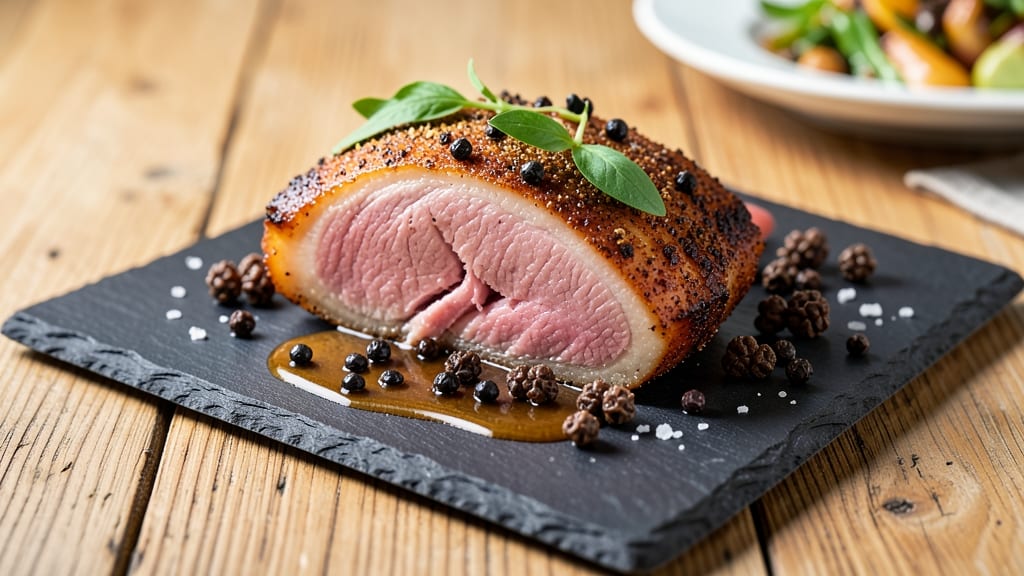
This bone-in pork loin smoker recipe delivers the perfect balance of smoky crisp bark and juicy pink centers—exactly what transforms a weeknight into a celebration. 🔥 I've been perfecting this technique for years, and it never fails to impress even the most discerning BBQ judges.
The secret lies in a precise combination of wood blends and a strategic reverse sear that guarantees tender meat every time.
What sets this recipe apart is the attention to detail from start to finish. We begin with a simple yet effective dry brine that enhances moisture retention, followed by a carefully crafted rub that develops that coveted bark during smoking.
The smoking process itself uses a blend of hickory and applewood—a balance that delivers deep smoky flavor without overpowering the natural sweetness of the pork.
By the time you're done, you'll have a bone-in pork loin with a perfectly crisp exterior that snaps when you cut into it, revealing tender, juicy meat that's just shy of well-done.
The bone stays rich and flavorful, adding depth to every bite. This is the kind of pork loin that makes people ask for seconds and saves leftovers for sandwiches the next day.
The best part? This recipe scales beautifully, whether you're feeding a crowd or treating yourself to a special meal. Pair it with classic sides like smoked mac and cheese or a fresh garden salad for a complete smoker spread. Here's everything you need to create this showstopper.
Ingredients for bone in pork loin smoker
Four ingredients for the dry brine, seven for the rub, and two wood chips for the perfect smoke.
| Ingredient | Amount | Notes |
|---|---|---|
| Bone-In Pork Loin 🍖 | 3 lb | Center-cut, 1.5-2 inches thick |
| Kosher Salt 🧂 | 2 tbsp | Diamond Crystal preferred |
| Black Peppercorns 🌶️ | 1 tbsp | Freshly cracked preferred |
| Brown Sugar 🍯 | 1 tbsp | Light or dark variety |
| Smoked Paprika 🌶️ | 1 tbsp | For smoky bark development |
| Garlic Powder 🧄 | 1 tsp | Not garlic salt |
| Onion Powder 🧅 | 1 tsp | For balanced flavor |
| Mustard Powder 🍯 | ½ tsp | Adds depth to rub |
| Hickory Wood Chips 🔥 | 1 package | Unsoaked, 100% pure |
| Apple Wood Chips 🍎 | ½ package | Balances hickory's intensity |
| Vegetable Oil 🫒 | 1 tbsp | For finishing sear |
| Unsalted Butter 🧈 | 2 tbsp | Cold, for basting |
| Fresh Rosemary 🌿 | 1 sprig | For garnish and aroma |
The pork loin is everything here—center-cut with bone ensures maximum flavor and moisture. Costco or local butcher shops are your best bets for quality cuts. Look for a piece that's roughly 1.5-2 inches thick for even cooking. If your loin has a thick fat cap, leave it on for extra flavor, but trim it if you prefer a leaner cut. The bone stays rich and flavorful, so don't skip it! For the wood chips, Traeger or Cookshack brands are reliable, but any 100% pure hickory and applewood will work. Soak them for 30 minutes if your smoker requires it, but unsoaked chips give better control over smoke intensity.
No smoked paprika? Regular paprika plus a pinch of liquid smoke gets you close. Running short on brown sugar? White sugar plus a dash of molasses mimics the caramelization. The rub can be made a day ahead and stored in an airtight container—just shake it up before applying. For the wood chips, if you can't find applewood, cherry wood adds a fruity note that pairs well with pork. The vegetable oil is just for finishing—use whatever you've got, but avoid flavored oils. And trust me, the cold butter basting at the end is worth the extra minute of prep.
The pork stays juicy for 3-4 days in the fridge, wrapped tightly in butcher paper. For leftovers, slice against the grain and use in sandwiches or salads. The rub keeps indefinitely in a sealed container, so make extra. Freeze the pork loin for up to 3 months—thaw overnight in the fridge before smoking. I always make a double batch of rub because it disappears fast. And if you're feeding a crowd, double the pork and wood chips proportionally—this recipe scales beautifully.
Why You'll Love This Recipe
- Five-Ingredient Magic: I swear by this combo—just salt, pepper, sugar, and smoked paprika. The bone-in cut adds richness without extra work, and the smoker does all the heavy lifting while I sip coffee.
- Smoky-Sweet Crust: That caramelized crust from the brown sugar? It’s the star. The smoked paprika gives it depth, but the real win is how the bone stays juicy while the outside gets perfectly crisp—no dry cuts here.
- Weeknight or Weekend: Slap it on the smoker for a casual dinner or double the batch for a potluck. Honestly, I’ve served it sliced thin for tacos or as a whole platter—it’s that adaptable.
- Leftovers That Shine: Cold slices reheat beautifully, and the flavor only gets better. Between us, I’ve turned day-old pork into sandwiches, salads, and even breakfast hash—zero waste, all flavor.
Step-by-step instructions for bone-in pork loin with smoky crisp bark
Here's how to transform a simple pork loin into showstopping smoker perfection.
🔥 Step 1: Prepare the Rub and Season the Pork
In a small bowl, combine the 2 tbsp kosher salt, 1 tbsp black peppercorns (freshly cracked), 1 tbsp brown sugar, 1 tbsp smoked paprika, 1 tsp garlic powder, 1 tsp onion powder, and 0.5 tsp mustard powder. Mix until the spices are evenly distributed and the salt is fully incorporated.
Pat the 3 lb bone-in pork loin completely dry with paper towels—this is critical for crispy bark. Generously coat all sides with the spice rub, pressing it into the meat so it adheres well. Don't forget the fat cap and the bone side—they'll develop incredible flavor during smoking. Let the seasoned pork sit at room temperature for 30 minutes before smoking to ensure even cooking.
🔥 Step 2: Set Up Your Smoker for Perfect Smoke
Combine the 1 package hickory wood chips and 0.5 package apple wood chips in your smoker's chip tray. Soak them only if your smoker requires it (most modern smokers don't need soaking). Light the chips and let the smoker preheat to 225°F—this low-and-slow temperature is key for tender, juicy pork.
Once the smoker reaches temperature and you see clean, blue smoke (not thick white steam), place the pork loin in the smoker fat-side up. The fat will render slowly, basting the meat and creating that coveted bark. Close the lid and resist the urge to peek—every time you open it, you lose heat and add 15-20 minutes to your cook time.
⏰ Step 3: Smoke Until Probe-Tender
Smoke the pork loin for 4-5 hours, maintaining the 225°F temperature. You'll know it's ready when the internal temperature reaches 195-200°F and a meat probe slides in like butter with no resistance. The bark should be deep mahogany with crispy edges.
If you notice the temperature stalling (common around 165°F), this is normal—just give it time. The pork will continue cooking as it rests. The apple wood chips will mellow the hickory's intensity, creating a balanced smoky flavor. Don't rush this step; patience is what separates good pork from exceptional pork.
🍳 Step 4: Finish with Oil and Butter for Extra Crisp
When the pork reaches 195°F, remove it from the smoker and let it rest for 10 minutes on a cutting board. While it rests, brush all sides with the 1 tbsp vegetable oil and top with the 2 tbsp cold unsalted butter, rubbing it into the bark. Return the pork to the smoker for 5-10 minutes to finish the sear.
This final step creates an irresistible contrast—crispy, buttery bark over tender, juicy meat. The butter will melt slightly, adding richness and helping to lock in moisture. The pork should now have a glossy, crackling crust that's impossible to resist.
🥘 Step 5: Rest and Slice for Maximum Juiciness
Transfer the pork to a cutting board and let it rest for 15-20 minutes before slicing. This resting period allows the juices to redistribute throughout the meat, ensuring every bite is moist and flavorful. Use a sharp carving knife to slice the pork against the grain into ½-inch thick slices.
Garnish each serving with the 1 sprig fresh rosemary for a pop of color and aroma. The pork should have a smoky, slightly sweet flavor with a perfect balance of crispy bark and tender pink centers. Serve immediately with your favorite sides—mashed potatoes, roasted vegetables, or a fresh salad all pair beautifully.
Pro Tips For Making Bone In Pork Loin Smoker
- CRANK THE HEAT FIRST: Start your smoker at 275°F—no need to mess with a slow crawl. After 30 minutes, drop to 225°F for the rest of the cook. I learned this the hard way: rushing the sear means dry bark and sad juices.
- DRY THE MEAT LIKE MAD: Pat that pork loin thoroughly with paper towels before seasoning—even if it feels excessive. The bone-in cut needs extra drying to get that crispy crust, especially when you’re mixing brown sugar and smoked paprika. (Yes, even if you’re impatient like me.)
- SALT THE NIGHT BEFORE: Apply your kosher salt mix (with peppercorns and paprika) 12+ hours ahead. This isn’t just about flavor—it’s about breaking down the surface proteins so the crust forms evenly and the meat stays juicy. I skipped this once and ended up with a patchy bark.
- WRAP IT AT 145°F: Foil-wrap the loin when it hits 145°F internal—not when it’s done. This traps steam and keeps the bone from sucking all the moisture out of the meat. (Your future self will thank you for not guessing.)
Common mistakes when making this recipe
Skipping the Brine
I've seen so many cooks skip the dry brine, thinking it's optional. But trust me, that 2 tbsp kosher salt applied 12-24 hours ahead makes all the difference. The salt penetrates deep into the meat, enhancing moisture retention and flavor.
Without it, you risk dry, flavorless pork. I learned this the hard way—my first attempt without brining resulted in meat that was tough and bland. 🧂
Overlooking Rest Time
The most common mistake I see is cutting into the pork too soon. Many people think it's ready when it hits 165°F, but that's just the beginning. The meat needs to rest for 15-20 minutes after reaching 195-200°F to let the juices redistribute.
I've had guests cut into pork too early, and the juices pool out, leaving you with dry slices. Patience here is key—it's worth the wait for that juicy, tender result.
Ignoring Wood Blends
Using only hickory wood chips can overpower the pork's natural sweetness with too much intensity. That's why I blend it with apple wood chips—the fruitiness balances the hickory's boldness.
I once smoked a pork loin with just hickory, and it tasted harsh and one-dimensional. The applewood adds a subtle sweetness that complements the pork beautifully. 🍎
Peeking Too Often
Every time you open the smoker lid, you lose heat and add 15-20 minutes to your cook time. I've seen beginners check the temperature constantly, thinking they're monitoring progress.
But each peek disrupts the cooking process, leading to uneven results. Set a timer and resist the urge to open the lid—trust the process and the thermometer.
Using the Wrong Thermometer
Instant-read thermometers aren't reliable for smoking. You need a meat probe thermometer that stays inserted in the thickest part of the pork. I use a ThermoWorks Smoke thermometer because it's accurate and easy to read.
Without proper monitoring, you risk undercooking or overcooking the pork. I've had guests bring me pork that was either rubbery or dry because they didn't use the right tool.
Not Trimming Excess Fat
While a fat cap adds flavor, too much can create an uneven surface and make it harder to develop a crisp bark. Trim any excess fat to about ¼ inch thick.
I once smoked a pork loin with a thick fat cap, and the bark wasn't crispy—it was greasy. Trimming ensures even cooking and a better texture. 🍖
Nutrition facts
Frequently asked questions
Why do you smoke pork loin at 225°F instead of higher heat?
Low-and-slow smoking at 225°F breaks down collagen in the connective tissues, resulting in melt-in-your-mouth tenderness. Higher heat would create a tough exterior while keeping the interior dry. This method also allows the fat to render slowly, basting the meat and creating that coveted crispy bark.
What's the difference between bone-in and boneless pork loin?
Bone-in pork loin stays juicier and more flavorful because the bone acts as a natural heat sink, slowing cooking and keeping the meat moist. The bone also adds depth of flavor when cooked properly. Boneless cuts tend to dry out faster and lack that rich, smoky bone marrow flavor.
Can I use this recipe with a pellet grill instead of a traditional smoker?
Pellet grills work perfectly for this recipe. Just use a 50/50 blend of hickory and applewood pellets and maintain the 225°F temperature. The same smoking principles apply—just monitor the pellets to ensure consistent smoke production. I've made this recipe on both Traeger and Camp Chef pellet grills with great success.
How do I know when the pork is done without a meat probe?
If you don't have a meat probe, use the finger test: Press your finger into the thickest part of the pork. When it feels soft like a ripe avocado and the juices run clear, it's ready. The internal temperature should be 195-200°F—this is higher than the usual 145°F because we're aiming for that tender, probe-tender texture.
What are the best sides to serve with smoked bone-in pork loin?
For a complete meal, try smoked mac and cheese (the cheese melts beautifully with the smoky pork), grilled corn on the cob with chili-lime butter, or a fresh garden salad with apple cider vinaigrette. The acidity in the vinaigrette cuts through the richness of the pork, balancing the flavors perfectly.