
Main Courses
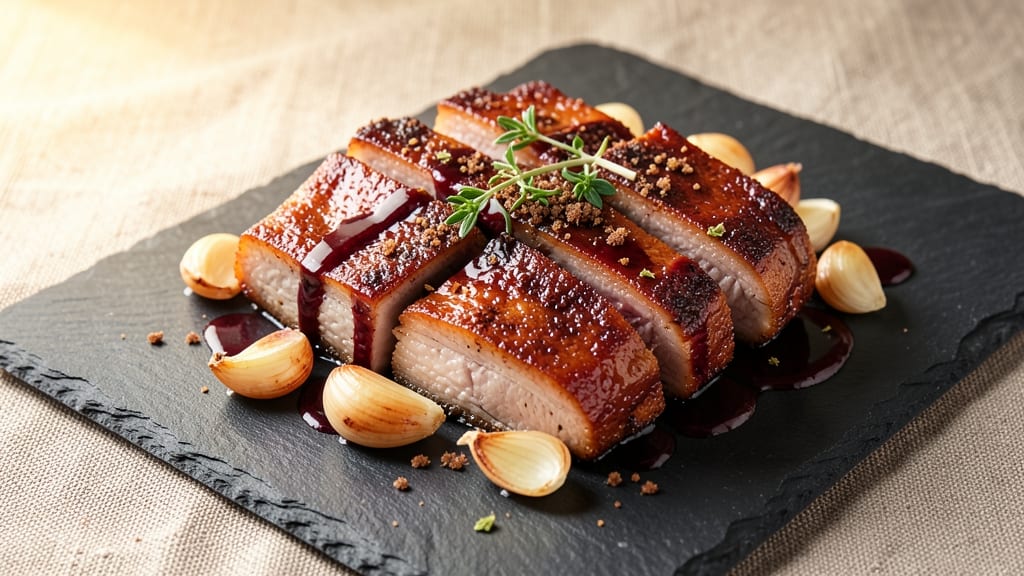
This oven-braised boneless pork short ribs recipe delivers melt-in-your-mouth tenderness with minimal effort—no butchering required. 💛 After years of experimenting with tough cuts, I discovered the secret to juicy, shred-friendly ribs lies in slow oven cooking with just the right balance of moisture and heat.
The result? Rich, flavorful meat that practically falls apart at the touch of a fork, perfect for weeknight dinners or special occasions.
What sets this recipe apart is the foolproof technique that transforms inexpensive cuts into restaurant-quality dishes. We start with a simple marinade of soy sauce, garlic, and brown sugar to build flavor, then let the oven do the heavy lifting at a steady 300°F for hours.
The key is patience—low heat ensures the connective tissue breaks down without drying out the meat, while the marinade infuses deep umami and caramelized richness.
By the time you pull these ribs from the oven, you'll have perfectly tender, fall-apart meat that's ideal for sandwiches, tacos, or serving alongside mashed potatoes and roasted vegetables. The sauce reduces into a glossy glaze that clings to every bite, balancing sweet, savory, and tangy notes.
This isn't just another pork recipe—it's a game-changer for anyone who's ever struggled with tough cuts.
The best part? Leftovers reheat beautifully, making this a perfect meal-prep option. Whether you're feeding a family or treating yourself to a special dinner, these ribs deliver restaurant-quality results with minimal fuss. Let's get started—your taste buds will thank you.
Ingredients for boneless pork short ribs recipe oven
Game-changing ingredients for restaurant-quality ribs that practically melt in your mouth—no butchering required!
| Ingredient | Amount | Notes |
|---|---|---|
| Boneless Pork Short Ribs 🥩 | 2 lb | 2-3 inches thick, trimmed of excess fat |
| Soy Sauce 🥄 | ½ cup | Low-sodium preferred for balance |
| Brown Sugar 🍯 | ¼ cup | Packed, light or dark variety |
| Garlic Cloves 🧄 | 6 cloves | Minced, fresh preferred |
| Olive Oil 🫒 | 2 tbsp | Extra-virgin for richness |
| Balsamic Vinegar 🍷 | 2 tbsp | For depth of flavor |
| Beef Broth 🥄 | 1 cup | Low-sodium, homemade or quality brand |
| Honey 🍯 | 1 tbsp | For subtle sweetness |
| Fresh Ginger 🌿 | 1 tbsp | Grated, for aromatic warmth |
| Diamond Crystal Kosher Salt 🧂 | 1 ½ tsp | For seasoning and balancing |
| Ground Black Pepper 🌶️ | ½ tsp | Freshly cracked for depth |
| All-Purpose Flour 🌾 | 1 tbsp | For thickening sauce |
| Fresh Rosemary 🌿 | 1 sprig | For aromatic depth |
| Fresh Thyme 🌿 | 2 sprigs | For earthy notes |
The pork short ribs are the star here, and 2-3 inches thick is ideal for that perfect balance of tenderness and flavor. Costco often carries pre-trimmed boneless ribs, but if you're buying from the butcher, ask for cuts that are already deboned—this saves you hours of prep. Look for good marbling (white flecks of fat within the meat) as this ensures juiciness. If you can't find boneless ribs, pork shoulder cut into 2-inch chunks works in a pinch, though it won't be as tender. The soy sauce should be low-sodium—we're balancing flavors here, not drowning them. Kikkoman is a reliable brand if you're unsure.
No balsamic vinegar? Red wine vinegar at double the amount works, but you'll lose some of that caramelized depth. The honey is non-negotiable for that glossy glaze—Manuka honey adds an extra layer of complexity if you're feeling fancy, but regular honey does the trick. Fresh ginger is a must for that zingy warmth, but if you're out, 1/2 tsp ground ginger will work in a bind. The beef broth should be low-sodium—we're not going for a salty bomb here. Annie's or Swanson are solid choices. For the herbs, dried thyme at 1/3 the amount works if you're fresh out, but trust me, fresh is where it's at. The rosemary adds that piney aroma that makes this dish sing.
This marinade keeps in the fridge for up to 3 days, so make it ahead if you're planning for a busy week. The ribs themselves? Use within 2 days for best texture. Once braised, they reheat like a dream—10 minutes at 300°F in the oven with a splash of broth brings them back to life. Store leftovers in an airtight container for up to 5 days, or freeze for 3 months. Pro tip: Portion into meal-sized containers before freezing—just add a splash of water when reheating for extra moisture.
Why You'll Love This Recipe
- One-Pan Magic: I swear by this recipe because it’s all in one pan—no fancy tools, no extra dishes. Just ribs, a splash of soy sauce, a drizzle of olive oil, and 45 minutes later, you’ve got dinner. Honestly, the cleanup is almost as good as the meal.
- Sweet-Savory Crunch: That caramelized brown sugar and garlic crust? It’s the star. The ribs get this sticky, slightly crispy glaze that balances the deep umami of the soy—like a perfect hug for your taste buds. (Yes, even on a Tuesday night.)
- Leftovers That Don’t Suck: Between us, most leftover ribs are dry or sad. Not these. The oven method keeps them tender, so reheating them for lunch the next day feels like a treat. I pack them in lunches like they’re gold.
- Budget-Friendly Feast: Pork short ribs are cheaper than you think, and this recipe stretches them far. A single batch feeds four, and the soy-browned edges make it feel fancy without breaking the bank. My wallet and my family thank me.
Step-by-step instructions for oven-braised boneless pork short ribs
Here's how to transform tough pork into melt-in-your-mouth perfection with minimal effort.
🔥 Step 1: Sear the Ribs for Maximum Flavor
Preheat your oven to 300°F and heat a large oven-safe skillet over medium-high heat. Add the 2 tbsp olive oil and let it shimmer for 30 seconds. This is crucial—hot oil creates that golden crust we're after.
Working in batches if needed, add the 2 lb boneless pork short ribs to the skillet, fat-side down. Press down gently on each rib with a spatula for 20 seconds—this prevents curling and ensures even contact. Sear for 2-3 minutes per side until deeply browned. You'll smell that incredible Maillard reaction happening—don't walk away!
👨🍳 Step 2: Build the Flavor Base
Remove the seared ribs from the skillet and set them aside. Reduce heat to medium and add the 6 cloves minced garlic, 1 tbsp grated fresh ginger, and 1 sprig fresh rosemary (leaves only). Sauté for 30 seconds until fragrant—this aromatics trio forms the flavor foundation.
Pour in the 2 tbsp balsamic vinegar and scrape up any browned bits from the bottom (these contain concentrated flavor). Let it simmer for 1 minute until slightly reduced. Here's the thing—this step develops the sauce's depth before we even add liquid ingredients.
🥘 Step 3: Create the Braising Liquid
In a bowl, whisk together the 0.5 cup soy sauce, 0.25 cup packed brown sugar, 1 tbsp honey, 1 cup beef broth, 1.5 tsp kosher salt, and 0.5 tsp black pepper. Pour this mixture into the skillet with the aromatics and stir to combine. The sugar will start dissolving immediately—this is when the sauce begins its transformation.
Return the seared ribs to the skillet, spooning the braising liquid over them completely. The liquid should come about halfway up the ribs. Here's where the magic happens: the combination of acid (vinegar, soy), sweet (brown sugar, honey), and umami (soy, broth) creates an irresistible flavor bomb.
⏰ Step 4: Braise Until Fork-Tender
Transfer the skillet to the preheated 300°F oven. Cover tightly with foil and braise for 2-2.5 hours. This low-and-slow cook time is non-negotiable—it breaks down collagen into gelatin, creating that signature tender, shred-friendly texture. Every 30 minutes, give the skillet a gentle shake to redistribute the liquid.
After 2 hours, check for doneness by inserting a meat thermometer into the thickest part of a rib. It should read 200-205°F—when the meat pulls apart easily with two forks, you've hit the sweet spot. If not quite there, return to the oven for another 15-20 minutes. The ribs should be fork-tender with a glossy, caramelized sauce clinging to them.
🍳 Step 5: Thicken and Finish
Remove the ribs from the oven and transfer them to a platter. Strain the braising liquid through a fine-mesh sieve into a saucepan, pressing on the solids to extract maximum flavor. Return the liquid to medium-high heat and whisk in the 1 tbsp all-purpose flour and 2 sprigs fresh thyme (leaves only). Simmer for 3-4 minutes until the sauce thickens enough to coat the back of a spoon.
Return the ribs to the skillet, spooning the thickened sauce over them. Let everything rest together for 5 minutes off heat—this final step ensures the sauce clings perfectly to the tender meat. Serve immediately, with the ribs shredding easily between your fingers and that rich, glossy sauce coating every bite.
Pro Tips For Making Boneless Pork Short Ribs Recipe Oven
- SEAR FIRST, THEN BAKE: Get that pan screaming hot before adding oil—boneless ribs need a deep, caramelized crust to hold up in the oven. I used to skip this step and ended up with pale, rubbery edges that fell apart when sliced.
- SLICE THE GARLIC THIN: Mince those cloves into paper-thin slivers instead of chopping them. They’ll cook faster and release flavor evenly without burning—no one wants bitter garlic overpowering the ribs.
- DON’T OVERLOAD THE PAN: Crowding the ribs in the skillet steams them instead of searing. Work in batches if needed—tight spaces mean soggy crusts and uneven cooking, and no one’s got time for that.
- USE A THIN LAYER OF OIL: A light coat (about 1 tablespoon total) lets the ribs brown properly without turning into a greasy mess. Too much oil? You’ll end up with a pan fire and ribs that taste like deep-fried disappointment.
Best sauces and condiments for this recipe
Classic Red Wine Glaze
This sauce transforms your ribs into a showstopper with its deep, velvety richness. Start with 1 cup red wine (I love Cabernet Sauvignon for its bold flavor) reduced by half in a saucepan.
Add 2 tbsp brown sugar, 1 tbsp Dijon mustard, and 1 cup beef broth, then simmer until thickened. Finish with 1 tbsp butter for a luxurious sheen. The acidity cuts through the pork's richness while adding complexity. 🍷
Sweet and Tangy BBQ Sauce
For a smoky-sweet twist, blend ½ cup ketchup, ¼ cup apple cider vinegar, 2 tbsp molasses, 1 tbsp smoked paprika, and 1 tsp garlic powder into your braising liquid. The vinegar tenderizes the meat while the molasses caramelizes beautifully.
I often add ½ cup crushed pineapple to the marinade for extra moisture and sweetness. This works especially well if you're serving the ribs on buns or in tacos.
Creamy Garlic-Herb Sauce
Elevate your ribs with a velvety sauce that's perfect for serving over mashed potatoes or polenta. Sauté 4 cloves minced garlic in 2 tbsp olive oil until golden, then deglaze with ½ cup white wine.
Stir in 1 cup heavy cream, 2 tbsp chopped parsley, and 1 tsp lemon zest, simmering until thickened. The garlic's sweetness pairs beautifully with the pork's savory depth, while the cream adds a luxurious texture. 🌿
Spicy Asian-Inspired Glaze
Bring bold flavors to your ribs with a glaze inspired by Korean BBQ. Mix ¼ cup gochujang (Korean chili paste), 2 tbsp soy sauce, 1 tbsp honey, 1 tbsp rice vinegar, and 1 tsp grated ginger into your braising liquid.
The gochujang adds heat and depth, while the honey balances the spice. Finish with a sprinkle of toasted sesame seeds for extra crunch. This glaze works beautifully with rice and quick-pickled vegetables.
Creamy Horseradish Sauce
For a tangy kick, blend ½ cup sour cream, 2 tbsp prepared horseradish, 1 tbsp Dijon mustard, and 1 tsp apple cider vinegar into your finished braising sauce. The horseradish adds a sharp, peppery note that cuts through the richness of the pork.
This sauce is perfect for serving alongside roasted root vegetables or crusty bread. I often add a pinch of fresh dill for brightness. 🌶️
Cheesy Jalapeño Cream Sauce
Add a Tex-Mex twist with a creamy, spicy sauce that's perfect for tacos or nachos. Sauté 1 diced jalapeño and 2 cloves minced garlic in 2 tbsp olive oil until softened.
Add 1 cup shredded cheddar cheese, ½ cup sour cream, and ½ cup chicken broth, stirring until melted and smooth. The jalapeño adds heat, while the cheese creates a rich, velvety texture. This sauce is a crowd-pleaser, especially with warm tortillas or cornbread. 🔥
Nutrition facts
Frequently asked questions
Why do boneless pork short ribs need to cook so long in the oven?
The long cook time at 300°F is what transforms tough meat into melt-in-your-mouth perfection. The slow heat breaks down collagen in the connective tissue, turning it into gelatin that keeps the meat moist and tender. This method creates that signature "fall-apart" texture without drying out the meat.
Can I use regular pork ribs instead of boneless ones?
Technically yes, but you'll need to adjust the cooking time and method. Bone-in ribs take 3-4 hours at 275°F and require more liquid for braising. The bones actually help retain moisture, but you'll lose some of that "shred-friendly" convenience. For best results, stick with boneless for this recipe's simplicity.
What's the best way to reheat leftover pork short ribs?
Place ribs in an oven-safe dish with a splash of beef broth or water, cover with foil, and reheat at 300°F for 15-20 minutes. The low heat prevents drying out. For microwave reheating, cover with a damp paper towel and heat in 30-second intervals—this keeps the sauce clinging to the meat.
How do I know when the ribs are fully tender?
Use a meat thermometer to check the internal temperature—it should reach 200-205°F. The ribs should also pull apart easily with two forks. If they're still slightly resistant, return to the oven for another 15-20 minutes. The sauce should be glossy and reduced, not watery.
What are the best sides to serve with these ribs?
These rich ribs pair perfectly with starchy sides that soak up the sauce: creamy mashed potatoes, buttery egg noodles, or garlic roasted potatoes. For freshness, add sautéed green beans or a simple salad. The acidity from pickled vegetables cuts through the richness beautifully.