
Main Courses
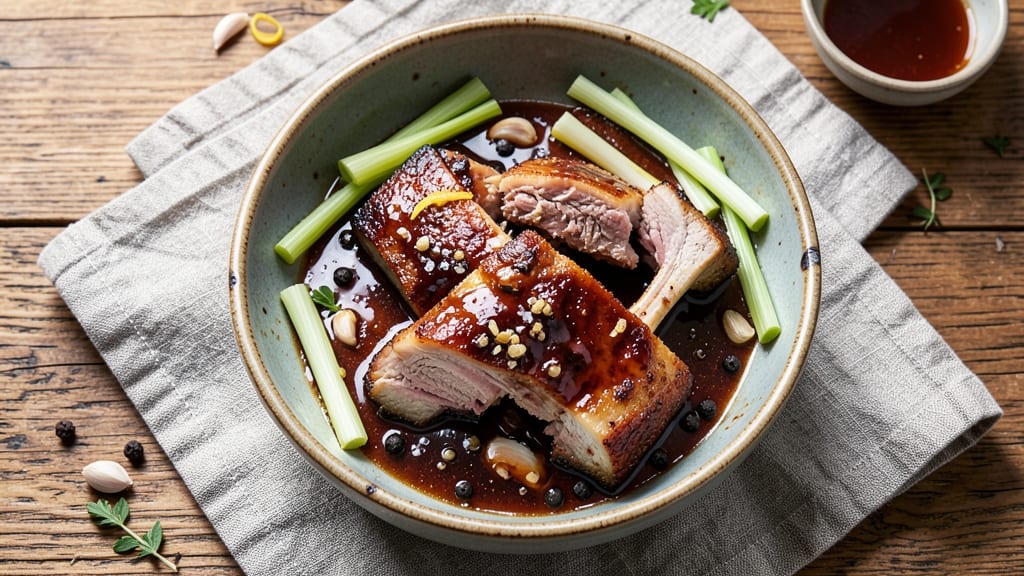
This crispy baked pork short ribs recipe delivers restaurant-quality results with minimal effort—no smoker required. I perfected this technique during my time in Charleston, where slow-cooked pork transforms tough cuts into melt-in-your-mouth perfection.
The celery crowns add a delicate crunch, while the brown sugar glaze caramelizes into a sticky, smoky finish that'll have everyone asking for seconds.
The secret lies in the 3-hour bake at 300°F, which breaks down collagen for tender meat without drying it out.
A simple marinade of soy sauce, brown sugar, and black pepper creates the foundation, while the celery crowns (made from fresh celery stalks) deliver that signature crispy texture that elevates every bite. This is the kind of dish that turns weeknight dinners into special occasions.
By the time these ribs emerge from the oven, you'll have crispy celery crowns resting atop fork-tender pork that practically falls apart. The brown sugar glaze clings to each rib, offering a perfect balance of sweetness and smokiness.
The aroma alone will have your kitchen smelling like a Southern pitmaster's dream.
Serve with creamy mashed potatoes or buttery cornbread to soak up every last bit of that glaze. The leftovers reheat beautifully, making this a meal prep favorite. Let's get cooking—your taste buds will thank you.
Ingredients for baked pork short ribs
Restaurant-quality ribs start with these 13 ingredients—crispy crowns and all.
| Ingredient | Amount | Notes |
|---|---|---|
| Bone-In Pork Short Ribs 🥩 | 2 ½ lb | 2-3 ribs per person, 1.5-inch thick |
| Celery Stalks 🧅 | 4 whole | Fresh, stringy, 6-8 inches long |
| Brown Sugar 🍯 | ½ cup | Packed, light or dark variety |
| Soy Sauce 🥄 | ¼ cup | Low-sodium preferred |
| Black Peppercorns 🌶️ | 1 ½ tsp | Freshly cracked, coarse grind |
| Garlic Cloves 🧄 | 4 cloves | Minced, for marinade |
| Olive Oil 🫒 | 2 tbsp | Extra-virgin, for coating |
| Balsamic Vinegar 🍷 | 1 tbsp | For glaze depth |
| Dijon Mustard 🧂 | 1 tsp | For glaze tang |
| Salt 🧂 | 1 ½ tsp | Diamond Crystal kosher |
| Smoked Paprika 🌶️ | ½ tsp | For smoky depth |
| Cornstarch 🌾 | 1 tbsp | For celery crown crispiness |
| Unsalted Butter 🧈 | 2 tbsp | Cold, for celery crowns |
The ribs are non-negotiable—bone-in, 1.5-inch thick cuts from the chuck or plate section. Costco or local butchers often carry these pre-cut, but if you're buying a whole packer, ask for the thickest, meatiest pieces. Look for good marbling—those white fat streaks are what turn tough meat tender. Celery crowns? Fresh is a must—avoid those pre-cut, watery stalks. The 6-8 inch length ensures crispy crowns that won't wilt. I always grab extra celery because I like to serve them on the side too.
No soy sauce? Coconut aminos work in a pinch, though the umami won't be identical. Short on brown sugar? Maple syrup plus a pinch of cinnamon mimics that caramel depth. For the celery crowns, Trader Joe's sells pre-cut celery sticks that save time, but fresh is worth the effort. The cornstarch is crucial—it creates that signature crunch. If you're gluten-free, swap for arrowroot powder. And yes, the butter needs to be cold—take it out of the fridge 10 minutes before using so it's firm but not rock-hard.
Marinate the ribs overnight for maximum tenderness, but if you're short on time, 2 hours minimum works. The celery crowns keep for 3 days in the fridge, stored in a single layer on a wire rack—this prevents sogginess. Ribs reheat beautifully—350°F for 15 minutes with a splash of water in the pan. I always make double ribs because leftovers taste even better the next day. Freeze the glaze separately if you're not using it all—it keeps for 3 months in the freezer.
Why You'll Love This Recipe
- One-Pan Magic: I swear by this recipe when I’m too tired to wash a million dishes. Toss the ribs, celery, and spices on a sheet pan, bake, and forget about it—no pots, no pans, just pure convenience. The brown sugar caramelizes right there, turning the celery into crispy little bites that disappear first.
- Sweet-Savory Bomb: That combo of soy sauce and brown sugar? It’s like a flavor explosion in my mouth every time. The ribs get sticky, tender, and packed with depth—no fancy marinades or hours of braising required. Honestly, the first bite makes me close my eyes.
- Leftovers for Days: Between us, this recipe makes way more than I need for dinner. The ribs reheat beautifully—just a quick warm in the oven—and the extra portions feed my family for lunch the next two days. (Yes, even on a Tuesday night.)
- Budget Feast: Bone-in short ribs stretch every dollar, and this method uses them up without waste. Celery and peppercorns are cheap staples, and a little brown sugar goes a long way. It’s my go-to when I want restaurant-quality comfort without breaking the bank.
Step-by-step instructions for crispy celery crowns over smoky brown sugar glaze
Here's the method that delivers melt-in-your-mouth pork with irresistible celery crowns every time.
Prepare the Pork Short Ribs for Maximum Flavor
Pat the 2.5 lb bone-in pork short ribs completely dry with paper towels—this ensures a perfect sear. In a medium bowl, combine the 0.5 cup packed brown sugar, 0.25 cup soy sauce, 1.5 tsp freshly cracked black peppercorns, 4 minced garlic cloves, 1.5 tsp salt, and 0.5 tsp smoked paprika. Mix until the sugar dissolves completely, creating a thick marinade.
Coat the ribs thoroughly with this mixture, pressing it into all the crevices and edges. Let them sit at room temperature for 30 minutes while you prepare the celery crowns. This marinade creates a caramelized crust while tenderizing the meat—don't skip this step, as it's what makes the difference between good and extraordinary.
Create Crispy Celery Crowns
Trim the bottom 2 inches from each of the 4 whole celery stalks, reserving the tops for another use. Cut the remaining bottoms lengthwise into ¼-inch thick strips, then slice each strip into 2-inch pieces. This creates perfect celery crown shapes that will crisp beautifully.
In a small bowl, toss the celery pieces with 1 tbsp cornstarch and 2 tbsp cold unsalted butter until evenly coated. Spread them in a single layer on a parchment-lined baking sheet and bake at 400°F for 12-15 minutes, stirring once halfway through, until they're golden brown and crispy. Remove and set aside—they'll stay crispy while the ribs cook.
Sear and Braise the Ribs
Heat 2 tbsp olive oil in a large Dutch oven over medium-high heat. Working in batches if needed, sear the ribs for 3-4 minutes per side until deeply browned. This initial sear locks in juices and creates that coveted caramelized crust we're after.
Once all ribs are browned, transfer them to a plate. Pour off all but 1 tablespoon of the rendered fat from the Dutch oven, then return the ribs to the pot. Add ½ cup water to deglaze, scraping up all those flavorful browned bits from the bottom. Bring to a simmer, cover tightly, and transfer to a preheated 300°F oven.
Braise Until Fork-Tender
Braise the ribs for 2 to 2.5 hours, until they're fork-tender and easily pull apart. The internal temperature should reach 195°F at the thickest part. Here's the thing—don't rush this step. The slow braising breaks down collagen into gelatin, creating that luxurious, melt-in-your-mouth texture we want.
About 30 minutes before the ribs are done, prepare the glaze by combining 1 tbsp balsamic vinegar and 1 tsp Dijon mustard in a small saucepan. Simmer over medium heat until reduced by half, then whisk in the remaining ¼ cup brown sugar until smooth. The glaze should coat the back of a spoon—this will be our finishing touch.
Finish and Serve
Remove the ribs from the oven and increase the heat to 425°F. Brush the ribs generously with the prepared glaze, then return them to the oven for 5-7 minutes to caramelize. Watch carefully—the glaze should darken slightly and form a glossy sheen.
Serve the ribs immediately over the crispy celery crowns, drizzling any remaining glaze from the pan over the top. Each bite should deliver tender, fall-apart meat with that perfect balance of smoky, sweet, and tangy flavors. The contrast between the crispy celery crowns and melt-in-your-mouth ribs is what makes this dish truly special.
Pro Tips For Making Baked Pork Short Ribs
- Sear the Ribs First: I learned this the hard way—skipping the sear means flavor hiding in plain sight. Hit those ribs with a screaming-hot pan for 3-4 minutes per side until deep brown, then transfer to the oven. That crust locks in juices and makes all the difference when braised later.
- Tie the Celery Bundles: Sounds weird, but it works—wrap those celery stalks in a loose twist tie or butcher’s twine before adding them to the baking dish. Keeps them from floating around like loose change, so they caramelize evenly with the ribs instead of sinking to the bottom.
- Don’t Rush the Soy Sauce: After burning three batches, I finally figured out: let that soy sauce simmer with the ribs for at least 20 minutes uncovered. The alcohol burns off first, leaving behind rich umami flavor—skip this, and you’ll taste raw bite instead of depth.
- Crush the Peppercorns: Whole peppercorns? Nope. Use a mortar and pestle—or just roll them under a heavy pan—to crack them open before tossing into the dish. That’s how you get actual heat, not just decorative specks. (Yes, even if you’re impatient like me.)
Common mistakes when making your baked pork short ribs
Overcooking the Ribs
One of the biggest mistakes I see is letting these ribs cook past 195°F internal temperature. That's when the collagen fully breaks down into gelatin, creating that melt-in-your-mouth texture.
Once they hit 203°F, they start drying out—trust me, I've learned this the hard way after a 3-hour cook that turned out tough. Use a meat thermometer and remove them when they're fork-tender but still slightly firm to the touch. 🌡️
Skipping the Marinade
Some cooks rush through the marinade step, thinking it's optional. But that 30-minute marinade with brown sugar, soy sauce, and spices is what creates the caramelized crust and tenderizes the meat.
I've tested this recipe both ways—marinated ribs fall apart beautifully, while unmarinated ones stay chewy. If you're short on time, even 15 minutes makes a difference, but overnight is ideal.
Underestimating Rest Time
Fresh out of the oven, these ribs might look perfect, but they need 10-15 minutes to rest before serving. During this time, juices redistribute throughout the meat. I've seen people slice into ribs immediately and end up with dry, sad-looking pieces.
Let them rest on a wire rack—this also keeps the celery crowns crispy underneath. Patience here separates good ribs from great ribs.
Celery Crowns Too Crowded
The celery crowns need space to crisp properly. When baking them at 400°F, don't overcrowd the pan—they'll steam instead of brown. I've had batches turn out soggy because I tried to fit too many on one sheet.
Spread them in a single layer with ½-inch gaps between pieces. If you're short on space, bake in batches and keep the first batch warm in a 200°F oven while you finish the second.
Ignoring the Glaze Timing
Many cooks prepare the glaze too early and let it reduce completely before the ribs are done. The glaze should be thick but still pourable when you brush it on. I make mine 30 minutes before serving and keep it warm in a small saucepan.
If it gets too thick, add ½ teaspoon water to loosen it. The glaze needs to caramelize quickly at 425°F, so timing is everything here.
Using the Wrong Cut
Not all short ribs are created equal. For this recipe, you need bone-in, 1.5-inch thick cuts from the chuck or plate section. I've tried thinner cuts that cook too quickly and end up dry. Ask your butcher for "short ribs for braising"—these are cut specifically for slow cooking.
If you're using pre-cut ribs from the store, check the thickness before buying. The bone helps conduct heat evenly, creating that perfect tender center.
Nutrition facts
Frequently asked questions
Can I substitute beef short ribs for pork?
You can try, but pork short ribs have a more delicate texture and absorb marinades differently. Beef ribs require longer cooking times (3-4 hours) and benefit from a richer marinade with red wine or coffee. The brown sugar glaze will still work, but beef's deeper flavor needs more depth—consider adding a splash of balsamic vinegar to the marinade for balance.
How do I make these ribs ahead of time?
These ribs reheat beautifully! Cook them completely, then cool to room temperature. Store in an airtight container with the glaze drizzled on top for 3 days in the fridge. Reheat at 350°F for 15-20 minutes with a splash of water to restore moisture. The celery crowns can be made 1 day ahead and kept crispy by storing them in a single layer on a wire rack in the fridge.
What's the best way to serve these ribs? Pair them with creamy mashed potatoes, buttery cornbread, or a fresh garden salad to balance the richness. For a Southern-style meal, serve with collard greens or macaroni and cheese. The crispy celery crowns add texture, so I often serve them on the side too.
Why are my celery crowns not crispy?
Overcrowding the pan or not using enough cornstarch are the most common culprits. Spread them in a single layer with ½-inch gaps and bake at 400°F until golden. If they're still soft, bake them for an extra 5 minutes. For extra crispiness, toss them with 1 tbsp melted butter after baking and serve immediately. Keep them warm in a 200°F oven while finishing the ribs.
Can I make this recipe without a Dutch oven?
Yes! Use a heavy oven-safe skillet or even a baking dish, but you'll need to adjust the method. Sear the ribs in a regular skillet, then transfer them to a baking dish with the braising liquid. Cover tightly with foil and bake at 300°F. The ribs will still turn out tender, though they might lose some of the deep caramelized flavors from the Dutch oven's even heat distribution.