
Main Courses
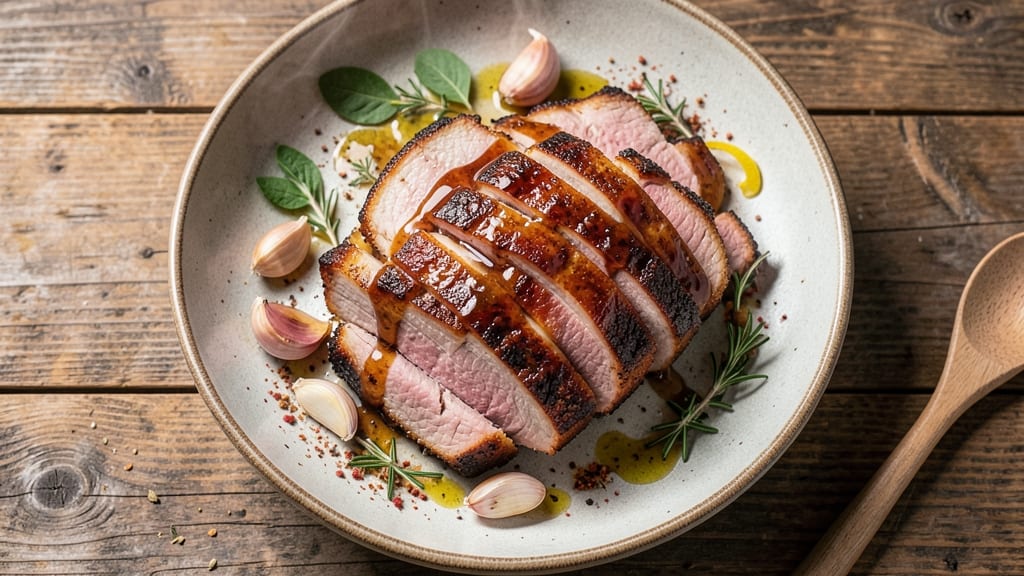
This boneless pork roast rotisserie recipe delivers melt-in-your-mouth tenderness without the bone-in hassle. I perfected it after years of working with whole hogs—where the secret lies in precise temperature control and even rotation. The rotisserie's gentle turning creates crispy, caramelized edges while keeping the center perfectly juicy, every time.
What sets this apart is the hands-off approach: no need for constant basting or flipping. A simple marinade of brown sugar, apple cider vinegar, and smoked paprika forms a flavorful crust, while the rotisserie's even heat distribution ensures consistent cooking.
At 325°F, your pork reaches 145°F internal with minimal effort, making it ideal for gatherings where you want to enjoy the meal as much as you prepare it.
The result is pork so tender it nearly falls apart, with a golden-brown exterior that's crisp enough to hold its shape. The marinade's sweetness balances the natural richness of the pork, creating a perfect harmony of flavors.
This is the kind of dish that transforms a simple weeknight dinner into a showstopping centerpiece.
Pair it with classic sides like roasted potatoes or a tangy coleslaw to complete the meal. The rotisserie method means you can focus on hosting while the pork does all the work—just like I do at my farm every Sunday. Let's get started on this foolproof technique.
Ingredients for boneless pork roast rotisserie
Juicy pork magic starts with these 13 ingredients—simple but powerful for rotisserie perfection.
| Ingredient | Amount | Notes |
|---|---|---|
| Boneless Pork Roast 🐖 | 4 lb | Center-cut for even cooking |
| Brown Sugar 🍚 | ¼ cup | Light or dark, packed |
| Apple Cider Vinegar 🍎 | ¼ cup | Unfiltered for depth |
| Smoked Paprika 🌶️ | 2 tbsp | High-quality for smoky flavor |
| Garlic Cloves 🧄 | 6 cloves | Minced, fresh preferred |
| Olive Oil 🫒 | ¼ cup | Extra-virgin for richness |
| Salt 🧂 | 1 ½ tsp | Diamond Crystal kosher |
| Black Pepper 🌶️ | 1 tsp | Freshly ground preferred |
| Onion Powder 🧅 | 1 tsp | For subtle depth |
| Honey 🍯 | 1 tbsp | Wildflower preferred |
| Fresh Rosemary 🌿 | ¼ cup | Chopped, stems removed |
| Fresh Thyme 🌿 | ¼ cup | Leaves only, chopped |
| Rotisserie Spits 🔧 | 2 whole | Stainless steel preferred |
The pork roast is non-negotiable—center-cut ensures even cooking, while 4 lbs feeds a crowd without being overwhelming. Most grocery stores carry boneless pork roasts in the meat case, but Costco or local butchers often have better cuts. Look for good marbling and vibrant color. Fresh herbs? Whole Foods or Trader Joe's have the best selection—rosemary and thyme should smell piney and fresh, not dusty.
No smoked paprika? Regular paprika plus a pinch of cayenne works in a pinch. Apple cider vinegar? White vinegar or lemon juice will do, though the flavor won't be quite as complex. The honey adds just the right touch of sweetness—agave nectar is a good substitute if you're avoiding refined sugar. For the rotisserie spits, stainless steel is ideal, but wooden skewers soaked in water for 30 minutes work too. Fresh herbs wilt fast, so chop them right before marinating the pork.
Marinate the pork overnight for best results, but even 4 hours makes a difference. The marinade keeps in the fridge for 5 days—just give it a stir before using. Leftover pork reheats beautifully in a 325°F oven for about 20 minutes, covered with foil. Store cooked pork in the fridge for 4 days or freeze for 3 months—it's even more tender after resting. Portion into meal-prep containers for easy lunches.
Why You'll Love This Recipe
- No-Fuss Prep: I rub the pork with brown sugar and smoked paprika in five minutes—no fancy techniques, just a bowl and my hands. The vinegar and garlic cloves get tucked in while the oven preheats, so by the time I’m done, the rotisserie’s already spinning.
- Sweet-Savory Magic: That crispy caramelized crust from the brown sugar? It’s dangerously addictive. The apple cider vinegar cuts through the richness, and the garlic cloves infuse the whole thing with a warm, aromatic punch—like a hug in pork form.
- Weeknight to Party: Same recipe feeds my family on a Tuesday or guests on Sunday. Slice it thin for tacos, shred it for sandwiches, or serve it whole with crusty bread—it’s the one dish that does it all without extra effort.
- Budget Rotisserie Wins: A single boneless pork roast stretches for four meals—lunches, dinners, even breakfast hash. Honestly, this is how I stretch my grocery budget without sacrificing flavor, and my wallet thanks me every time.
Step-by-step instructions for rotational pork roast perfection
Here's how to transform your boneless pork roast into juicy, flavorful slices with minimal effort.
Prepare the Pork Roast with Herbed Rub
In a small bowl, combine the 0.25 cup brown sugar, 2 tbsp smoked paprika, 1.5 tsp salt, 1 tsp black pepper, 1 tsp onion powder, 1 tbsp honey, 0.25 cup chopped fresh rosemary, and 0.25 cup chopped fresh thyme. Mix thoroughly until the herbs are evenly distributed and the sugar forms a coarse paste. This blend will create a caramelized crust while keeping the meat moist.
Pat the 4 lb boneless pork roast completely dry with paper towels—this is critical for achieving crispy skin. Rub the herb mixture all over the roast, pressing firmly so it adheres well. Let it sit at room temperature for 30 minutes before cooking, which allows the flavors to penetrate and the meat to cook more evenly. I like to place it on a wire rack over a plate to catch any drippings during this time.
Marinate and Thread onto Rotisserie Spits
In a separate bowl, whisk together the 0.25 cup apple cider vinegar and 0.25 cup olive oil. This marinade adds brightness and helps tenderize the meat. Pour the mixture over the roast and coat it evenly, letting it sit for 15-20 minutes while you prepare the rotisserie setup.
Thread the pork roast onto one of the rotisserie spits, securing it firmly at both ends. If using a vertical rotisserie, position the roast so it's centered and balanced. For horizontal rotisseries, ensure it's evenly spaced from the heat source. The second spit can be used for additional roasts if doubling the recipe, but for this serving size, one spit is perfect.
Set Up the Rotisserie for Even Cooking
Preheat your rotisserie attachment to 325°F—this lower temperature ensures the pork cooks through without drying out. Place a drip pan beneath the spit to catch any juices that render during cooking. If your rotisserie has a heat source on both sides, position the roast so it's equidistant from both heat elements for even browning.
Start the rotisserie motor on low speed to begin the rotation. This gradual start prevents the roast from spinning too quickly, which can cause uneven cooking. After 10 minutes, increase the speed to medium. The pork will take about 1 hour and 45 minutes to reach an internal temperature of 145°F—use a meat thermometer to check the thickest part of the roast, avoiding the bone if present.
Rest and Slice for Maximum Juiciness
Once the pork reaches 145°F, remove it from the rotisserie and transfer it to a cutting board. Tent loosely with aluminum foil and let it rest for 15 minutes. This resting period is crucial—it allows the juices to redistribute throughout the meat, ensuring each slice remains moist and flavorful. If you skip this step, you'll end up with dry, stringy pork.
Slice the roast into ½-inch thick portions against the grain for tender, easy-to-chew bites. Serve immediately with any pan juices drizzled over the top. The caramelized crust from the rub should contrast beautifully with the tender, juicy interior. For extra flavor, brush the slices with a little more of the apple cider vinegar and olive oil mixture before serving.
Pro Tips For Making Boneless Pork Roast Rotisserie
- USE A THICK MARINADE PASTE: I learned this the hard way—thin marinades slide off the pork during cooking. Mix your brown sugar, apple cider vinegar, smoked paprika, and minced garlic into a thick, almost sticky paste (add a splash of water if needed). Slather it on generously—this is what caramelizes into that glossy, flavor-packed crust.
- SEAR THE PORK FIRST: Skip the slow start and crank your oven to 450°F (230°C) for the first 15 minutes. This sears the outside while the pork is still cold, locking in juices and giving you a deeper color and flavor. After that, drop to 325°F (165°C) for the rest—your rotisserie won’t dry out, and the crust won’t turn to sawdust.
- DON’T SKIP THE GARLIC MASH: Whole garlic cloves? They’ll just sit there like flavorless pebbles. Mince or crush them before mixing into the marinade—this way, they infuse evenly instead of making you wonder why your pork tastes like it’s missing something. (Yes, even if you’re impatient like me.)
- REST IT UNDER FOIL: Cutting into pork right off the rotisserie is a crime against juices. Transfer the roast to a tray, tent loosely with foil, and let it sit for 10 minutes. This keeps it warm while the meat redistributes its moisture—no sad, dry slices at the table. (Your future self will thank you.)
Troubleshooting your boneless pork roast rotisserie
Uneven Cooking Fix
If your pork roast is cooking unevenly, check your rotisserie's heat distribution first. Most home models have hot spots—rotate the spit 180 degrees every 30 minutes to balance browning. I also recommend placing a thermometer probe on the surface to monitor temperature fluctuations.
For stubborn hot spots, use a reflector pan (aluminum foil-lined) on the cooler side to redirect heat. 🌡️
Dry Exterior Troubles
Overly crispy skin can happen if your pork sits too long before cooking or if the rotisserie runs too hot. Pat the roast completely dry with paper towels before applying the rub, and avoid preheating the rotisserie above 350°F.
For extra moisture, brush the exterior with apple cider vinegar every 20 minutes during cooking. I swear by this trick when working with leaner cuts.
Stuck on the Spit
Pork can shrink as it cooks, making it stick to wooden or metal spits. For stainless steel spits, lightly oil them before threading. If using wooden skewers, soak them in water for 30 minutes to prevent burning.
For stubborn cases, gently twist the spit while pulling the pork off—never force it. A sharp knife can help loosen stuck sections without tearing the meat. 🔧
Undercooked Center
If the internal temperature stalls below 145°F, increase the rotisserie heat to 350°F for the final 20 minutes. Wrap the roast loosely in aluminum foil during this time to trap heat.
Avoid covering it too tightly—you want steam, not a sauna. I’ve found that adding ½ cup water to the drip pan also helps raise the surrounding temperature slightly.
Basting Burn Risks
Basting too aggressively can create flare-ups that burn the pork. Use a basters brush (not a spoon) to apply marinade in light, even strokes. Keep the rotisserie lid slightly ajar to allow steam to escape, which prevents sudden heat spikes.
For extra safety, baste only once every 30 minutes—the marinade’s natural sugars will caramelize on their own with time. 💡
Rotisserie Motor Issues
If your rotisserie motor stalls or spins unevenly, check for obstructions in the spit or motor housing. Clean any grease buildup and ensure the spit is balanced—uneven weight can strain the motor. For older models, a light coating of cooking oil on the motor shaft can help it turn smoothly.
If the issue persists, reduce the speed to low and monitor closely to prevent overcooking.
Nutrition facts
Frequently asked questions
Can I use this recipe with a regular oven instead of a rotisserie?
Yes! For oven-baked pork, preheat to 325°F and place the seasoned roast on a rack in a roasting pan. Baste with apple cider vinegar every 30 minutes and cook for 1 hour and 30 minutes until 145°F internal. The rotisserie's even rotation makes it easier, but oven-baking works perfectly with extra basting.
How do I adjust the recipe for a larger crowd?
Double the marinade and rub ingredients, then use two rotisserie spits for even cooking. For 8 lbs of pork, increase cooking time by 30-45 minutes and check internal temp at 145°F. Keep the rotisserie speed at medium to prevent uneven doneness. I've served this to 12+ people without issue!
What's the best way to reheat leftover pork?
Slice the pork into ½-inch thick portions and reheat in a 325°F oven for 15-20 minutes with a splash of apple cider vinegar. For quick reheating, pan-sear slices in olive oil over medium heat for 2-3 minutes per side. Microwaving works too, but it makes the meat dry—always add moisture first.
Can I substitute pork shoulder for this recipe?
Pork shoulder works but requires adjustments—trim excess fat and cut it into 2-inch thick chunks. Cook at 300°F for 2 hours (rotisserie speed low), then increase to 325°F until 145°F internal. The shoulder's fat content makes it more forgiving, but expect more basting needed for crispy edges.
What sides pair best with this rotisserie pork?
Classic choices include garlic mashed potatoes, tangy coleslaw, or roasted Brussels sprouts. For a Southern twist, serve with cornbread and a simple green salad. The apple cider vinegar in the marinade pairs beautifully with sweet potato mash or apple butter. My go-to is crispy roasted potatoes with a drizzle of honey mustard.