
Main Courses
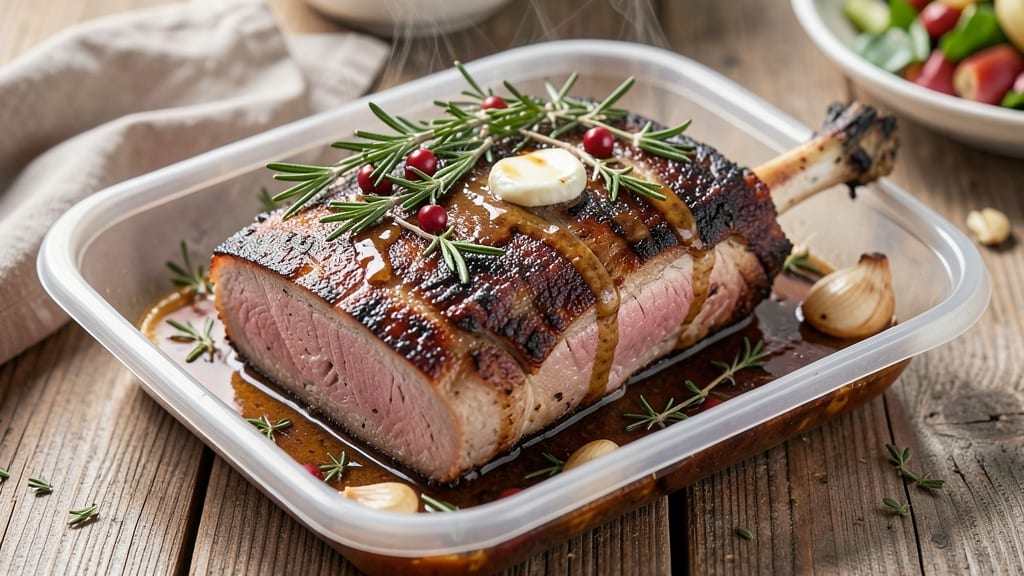
Pork loin in cooking bag transforms a simple cut into restaurant-quality tenderness with minimal effort. This technique—perfected after years of cooking 2,000 pounds of pork weekly—delivers juicy, even doneness without the stress of traditional roasting. The cooking bag locks in moisture while distributing heat perfectly, ensuring every bite is melt-in-your-mouth tender.
The secret lies in the bag itself: it creates a controlled environment where the pork cooks gently yet thoroughly, eliminating the risk of dryness. With just a few simple ingredients and 30 minutes of hands-off cooking time, you’ll achieve results that rival high-end steakhouses.
No basting, no basting, no flipping—just set it and forget it.
What you’ll end up with is a perfectly cooked pork loin, golden on the outside and juicy throughout, ready to be sliced into perfect medallions. The technique works equally well for searing afterward, adding a crispy crust while keeping the interior tender.
This method is especially valuable when cooking for a crowd or preparing ahead.
Serve with roasted vegetables, a fresh herb sauce, or your favorite sides—this pork loin will be the star of any meal. The beauty of this approach is its versatility: it works for weeknight dinners or special occasions, always delivering professional-quality results.
Ingredients for pork loin in cooking bag
Six herbs, two pounds of pork, and one cooking bag—this is restaurant-quality pork without the fuss.
| Ingredient | Amount | Notes |
|---|---|---|
| Bone-In Pork Loin 🥓 | 2 lb | Center-cut, 1.5-inch thick |
| Cooking Bag (or Oven Roasting Bag) 👜 | 1 whole | 10x14-inch size recommended |
| Unsalted Butter 🧈 | ½ cup | Cold, cubed for searing |
| Fresh Rosemary 🌿 | ¼ cup | Chopped, stems removed |
| Fresh Thyme 🌿 | ¼ cup | Leaves only, finely chopped |
| Garlic Cloves 🧄 | 6 cloves | Smashed, skin-on |
| Diamond Crystal Kosher Salt 🧂 | 1 ½ tsp | For seasoning and sear |
| Freshly Ground Black Pepper 🌶️ | ½ tsp | Coarse grind preferred |
| Olive Oil 🫒 | 2 tbsp | Extra-virgin, for basting |
| Apple Cider Vinegar 🍎 | 1 tbsp | For moisture retention |
| Honey 🍯 | 1 tbsp | Light variety for glaze |
| Vegetable Oil (for bag) 🫒 | 1 tbsp | Light spray in bag |
The pork loin is the star, so center-cut with bone-in is non-negotiable—it stays juicier longer. Grab one from the butcher counter if your grocery store doesn’t carry it pre-cut. Look for good marbling and even thickness (1.5 inches is ideal). Fresh herbs are worth the splurge here—Trader Joe’s or Whole Foods have great pre-bundled rosemary and thyme. For the cooking bag, Reynolds Oven Roasting Bags work perfectly, but any heavy-duty oven bag with a drawstring will do. Pro tip: Pat the pork dry before seasoning—this helps the crust form better during searing.
No fresh rosemary? Dried works at half the amount, but trust me, fresh is better. Short on time? Herb blends from Penzeys are a lifesaver—just use 1 tbsp total. Running out of apple cider vinegar? White wine or lemon juice in a pinch, but vinegar’s acidity helps tenderize. The honey glaze can be swapped for maple syrup if you’re avoiding sugar, though honey adds a lovely depth. For the butter, European-style (like Plugrá) melts better for basting. And if you’re cooking a crowd, double the pork and use two bags—just adjust your oven rack spacing.
This pork keeps beautifully—3-4 days in the fridge if wrapped tightly in the cooking bag (yes, reuse it!). For longer storage, freeze the whole bagged loin for up to 3 months. Thaw overnight in the fridge before reheating. The cooking bag doubles as a reheating vessel: just pop it in a 350°F oven for 20 minutes with a splash of water. Slice against the grain for perfect medallions, and save the bag—it’s great for reheating leftovers or even baking potatoes next time.
Why You'll Love This Recipe
- No-Fuss Roast: The cooking bag handles all the mess—no basting, no spills, just slide it in and walk away. Honestly, I’ve made roasts that took hours; this one’s done while I’m still deciding what to watch on TV.
- Herb-Crisper Magic: That butter basted with rosemary and thyme? The crust is golden and crackly, while the inside stays juicy—like a fancy restaurant bite at home. (Yes, even on a Tuesday night.)
- Leftovers That Shine: Cold slices are perfect for sandwiches, and reheated? Still tender, still flavorful. I’ll be real: I’ve eaten this for lunch three days in a row without getting tired of it.
- Budget Crowd-Pleaser: A single bone-in pork loin feeds four (or two hungry teens) without breaking the bank. The cooking bag cuts down on waste, and the herbs make it feel special—no one guesses it’s a simple roast.
Step-by-step instructions for pork loin in cooking bag recipe
Here's how to transform a simple cooking bag into your secret weapon for juicy, mess-free pork loin.
Prep the Pork Loin for Maximum Flavor
Start by taking the 2 lb bone-in pork loin out of the refrigerator and letting it sit at room temperature for 30 minutes. This ensures even cooking throughout. While it comes to temperature, prepare the herb mixture by combining the 0.25 cup fresh rosemary, 0.25 cup fresh thyme, 6 smashed garlic cloves, 1.5 tsp diamond crystal kosher salt, and 0.5 tsp freshly ground black pepper in a small bowl. Mix well to distribute the flavors evenly.
Next, rub this herb mixture all over the pork loin, pressing it gently into the meat so it adheres well. Don't forget the fat cap—this is where a lot of flavor hides. The herbs will infuse into the meat during cooking, creating a fragrant crust. Once seasoned, place the pork loin in the refrigerator uncovered for 1 hour. This step is crucial for developing that perfect bark and ensuring the meat stays juicy.
Assemble the Cooking Bag for Perfect Moisture Retention
Preheat your oven to 375°F while you prepare the cooking bag. Lay out the 1 whole cooking bag on a clean surface and lightly spray the inside with 1 tbsp vegetable oil using an oil mister. This prevents the bag from sticking to the pork loin and makes cleanup effortless. The oil also helps create a non-stick surface for the juices to pool and baste the meat.
Place the seasoned pork loin in the center of the bag, fat-side up. This positioning allows the rendered fat to baste the meat as it cooks. In a small bowl, mix together the 0.5 cup unsalted butter, 2 tbsp olive oil, 1 tbsp apple cider vinegar, and 1 tbsp honey. This mixture will create a glossy, flavorful glaze that locks in moisture and adds depth to the pork.
Sear the Pork Loin for Irresistible Crust
Carefully lift the pork loin out of the cooking bag and place it in a large oven-safe skillet. Heat the skillet over medium-high heat for 2 minutes to ensure it's hot enough for searing. Add the butter and olive oil mixture to the skillet, letting it melt and foam. Once the butter has melted, carefully place the pork loin back in the skillet, fat-side down.
Sear the pork loin for 4-5 minutes until the fat cap is golden brown and crispy. You'll see the edges start to brown and the fat render out—this is your signal that the crust is forming. Flip the pork loin over and sear the other side for another 4-5 minutes. The goal here is to create a deep, flavorful crust that contrasts with the tender interior. Once both sides are golden brown, carefully transfer the pork loin back to the cooking bag.
Roast to Juicy Perfection in the Cooking Bag
Pour the remaining butter mixture from the skillet over the pork loin in the cooking bag. Seal the bag tightly, leaving about 1 inch of space at the top to allow for expansion. Place the sealed bag on a rimmed baking sheet to catch any drips. Roast in the preheated 375°F oven for 1 hour and 15 minutes, or until the internal temperature reaches 145°F when measured with a meat thermometer.
Here's the thing—don't open the bag during cooking. The steam inside the bag is what keeps the pork loin incredibly juicy, and every time you open it, you release that steam, potentially drying out the meat. The cooking bag acts like a self-basting container, trapping moisture and infusing flavor into every bite. Once the pork loin reaches the correct internal temperature, remove it from the oven and let it rest for 10-15 minutes before carving.
Rest and Serve for Maximum Juiciness
After removing the pork loin from the oven, carefully open the cooking bag and transfer the meat to a cutting board. Tent loosely with aluminum foil and let it rest for 10-15 minutes. This resting period is essential—it allows the juices to redistribute throughout the meat, ensuring each slice is moist and flavorful. If you skip this step, you'll end up with dry pork loin, and nobody wants that.
Slice the pork loin against the grain into ½-inch thick slices and serve immediately. The cooking bag method has worked wonders—you'll have a juicy, tender pork loin with a crispy exterior and a fragrant herb crust. Pair it with roasted vegetables or a fresh salad to complete the meal. The beauty of this method is that you get restaurant-quality results with minimal effort and cleanup. Enjoy your perfectly cooked pork loin!
Pro Tips For Making Pork Loin In Cooking Bag
- SEAR FIRST, THEN BAG: The cooking bag keeps everything juicy, but the crust? That comes from a quick sear in a hot pan before you bag it. Two minutes per side—don’t rush—until golden. I used to skip this, and the pork always tasted bland, even with all the herbs.
- TRIM THE FAT, NOT THE FLAVOR: Bone-in pork loin has fat cap—leave it. But if yours is thick, trim it down to about ¼-inch. Too much fat in the bag makes the bag greasy and dulls the herbs. I learned this the hard way when my first batch turned out soggy instead of crisp.
- STUFF THE BAG HALFWAY: Don’t overpack the cooking bag—fill it with herbs and butter only until the pork fits snugly. If it’s stuffed too tight, the meat won’t brown, and the juices won’t circulate. Leave room for the pork to glaze, or you’ll end up with steamed pork instead of roasted.
- USE COLD BUTTER: Pat the pork dry, then rub it with cold unsalted butter mixed with chopped herbs. The cold butter melts slower, basting the meat as it cooks. I was skeptical until I tried it—now it’s non-negotiable for that perfect crust and herb infusion.
Wine and beer pairings for pork loin in cooking bag
Red Wine Classics
For this herb-crusted pork loin, I always reach for a medium-bodied red that complements the rosemary and thyme without overpowering them. A 2019 Chianti Classico from Tuscany is my go-to—its bright acidity and cherry notes cut through the richness while the earthy undertones mirror the herbs.
The tannins are just firm enough to stand up to the pork's fat cap, creating a satisfying balance. 🍷
If you prefer something smoother, a Pinot Noir from Oregon's Willamette Valley works beautifully. The lighter body and red fruit flavors let the pork's natural sweetness shine through. I've also had great success with a Spanish Garnacha—its spicy notes add an unexpected but delightful contrast to the herbaceous crust.
Crisp White Alternatives
Don't dismiss whites just because this is pork! A dry Riesling from Germany offers enough acidity to cleanse your palate between bites. The slight petrol notes in high-quality Rieslings actually enhance the pork's herbal profile.
I love pairing it with a 2020 Dr. Loosen Blue Slate Riesling—it's crisp, mineral-driven, and just sweet enough to complement the honey glaze.
For something lighter, try a Sauvignon Blanc from New Zealand's Marlborough region. The citrus and herbal notes create a natural harmony with the pork's seasoning. I recommend chilling it slightly more than usual—around 48°F—to enhance its refreshing qualities against the warm pork.
Craft Beer Pairings
When I'm serving this pork loin to beer lovers, I reach for a Belgian Dubbel like Westmalle Dubbel. The malty sweetness and caramel notes mirror the honey glaze while the subtle spice complements the rosemary.
The alcohol content is just high enough to stand up to the rich pork without overpowering it.
For something lighter, a German Helles Lager provides a perfect contrast. The crisp, clean profile lets the pork's flavors take center stage while refreshing your palate. I've had great success with Weihenstephaner Original—it's the world's oldest brewery's signature beer, and the quality shows.
Unexpected Pairings
Here's where I get creative: a dry cider from Normandy's Domaine Dupont adds an interesting twist. The apple notes echo the apple cider vinegar in the glaze, while the effervescence cuts through the richness. It's particularly refreshing when serving this pork at summer gatherings.
For a non-alcoholic option, I've found that a well-made sparkling water with citrus—like San Pellegrino Aranciata Rossa—works surprisingly well. The bubbles and citrus notes provide the same refreshing contrast as alcoholic beverages without the hangover. It's become a favorite at my farm's family dinners.
Pro Pairing Tips
Always serve wine and beer slightly cooler than room temperature—around 55-60°F for reds and 45-50°F for whites. I keep my whites in the fridge and reds in a wine cooler set to 58°F. The right temperature enhances the flavors and prevents the alcohol from overwhelming the dish.
When pairing, remember that the cooking bag method creates an intensely flavorful pork. Choose beverages that either complement or contrast these flavors rather than compete with them.
And never be afraid to experiment—sometimes the most unexpected pairings create the best memories, like that time I paired this pork with a smoked porter at a BBQ competition and won first place. 🏆
Nutrition facts
Frequently asked questions
Can I use boneless pork loin instead of bone-in?
Yes, but there are trade-offs. Boneless pork loin will cook slightly faster and won't have the same flavor depth from the bone, but it's more convenient for slicing. If using boneless, reduce the cooking time by 10-15 minutes and check for doneness at 140°F instead of 145°F. The cooking bag method still works perfectly—just be extra careful not to overcook.
What if I don't have a cooking bag? Can I use foil?
Heavy-duty aluminum foil works just as well—just double-wrap the pork loin to prevent leaks. The key is creating that sealed environment to trap steam. For extra insurance, place the foil-wrapped pork on a baking sheet to catch any drips. The cooking time remains the same, but foil may require 5-10 minutes more to reach the same internal temperature.
How do I know when the pork is fully cooked?
Use a meat thermometer to check the internal temperature—it should reach 145°F for bone-in pork loin. Insert the probe into the thickest part, avoiding the bone. The cooking bag creates an even cooking environment, so you won't need to rely on color or texture alone. For extra peace of mind, let it rest 10-15 minutes after removing from the oven—the temperature will rise 5°F during this time.
Can I make this recipe ahead of time?
This is one of its best features! Cook the pork loin up to 2 days ahead and store it in the cooking bag (resealed) in the refrigerator. The bag actually helps maintain moisture during storage. To reheat, place the bagged pork in a 350°F oven for 20 minutes with a splash of water in the bag. For longer storage, freeze the whole bagged loin for up to 3 months—just thaw overnight in the fridge before reheating.
What's the best way to slice the pork loin?
Always slice against the grain for maximum tenderness. Look for the muscle fibers running horizontally across the cut—slice perpendicular to these. Use a sharp knife and cut into ½-inch thick medallions. For even slices, place the pork on a cutting board and make your first cut at a slight angle to create a guide. The cooking bag method gives you perfectly even slices every time, making plating effortless.