
Main Courses
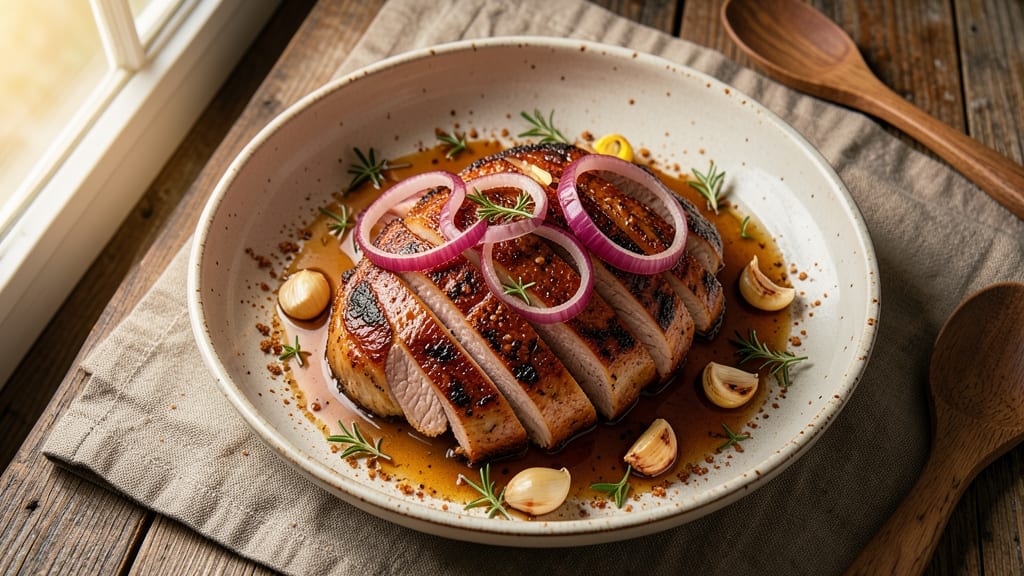
This boneless pork roast grill recipe transforms weeknight dinners into smoky, restaurant-quality meals without the fuss of bones. After years of perfecting my technique—from the smoky bark to the melt-in-your-mouth tenderness—I’ve cracked the code for juicy, flavorful pork that holds up on the grill.
The secret? A balanced marinade and precise heat control that keeps every bite succulent.
What sets this recipe apart is the foolproof method that ensures even cooking and maximum flavor. We’re talking about a tender, juicy roast with a caramelized crust, achieved by searing over direct heat and finishing with indirect grilling.
No guesswork—just professional results that impress even the most skeptical guests. The marinade infuses deep smoky notes while keeping the pork moist, and the resting period locks in all that juiciness.
By the time you’re done, you’ll have a perfectly grilled pork roast that’s ready to slice and serve—no bones to navigate, no wasted meat. The technique is simple, but the flavor is anything but basic.
This is the kind of dish that turns a simple meal into a showstopper, whether you’re grilling for a crowd or treating yourself to a special dinner.
Pair it with grilled vegetables, a fresh salad, or crusty bread to soak up every last drop of the smoky juices. Here’s how to make it happen—step by step, just like I do in my kitchen.
Ingredients for boneless pork roast grill
Pantry staples plus a few key ingredients for that restaurant-quality smoky flavor.
| Ingredient | Amount | Notes |
|---|---|---|
| Boneless Pork Roast 🥩 | 3 lb | Center-cut for even cooking |
| Olive Oil 🫒 | ½ cup | Extra-virgin for richness |
| Yellow Onion 🧅 | 1 whole | Large, thinly sliced |
| Garlic Cloves 🧄 | 6 cloves | Fresh, minced |
| Apple Cider Vinegar 🍏 | ¼ cup | For tenderizing |
| Smoked Paprika 🌶️ | 2 tbsp | For deep smoky flavor |
| Ground Cumin 🌿 | 1 tbsp | Toasted for depth |
| Salt 🧂 | 1 ½ tbsp | Kosher or sea salt |
| Black Pepper 🌶️ | 1 tbsp | Freshly cracked |
| Brown Sugar 🍚 | 2 tbsp | Light, for caramelization |
| Fresh Rosemary 🌿 | ¼ cup | Chopped, stems removed |
| Fresh Thyme 🌿 | ⅛ cup | Leaves only, chopped |
| Liquid Smoke 💨 | 1 tsp | Optional for extra smokiness |
The pork is everything here. Center-cut boneless is your best bet—it stays juicy and cooks evenly. I grab mine from Costco or the butcher counter at Whole Foods when I need a big piece. Look for good marbling—those little white streaks mean more flavor. If you're buying a whole roast, ask the butcher to trim the bone for you. The marinade does most of the work, but starting with quality meat makes all the difference. For a 3-pound roast, you'll get about 4 generous servings, perfect for a family dinner or small gathering.
No smoked paprika? Regular paprika plus a pinch of liquid smoke gets you close. Fresh rosemary and thyme are ideal, but dried works at one-third the amount if you're in a pinch. The apple cider vinegar tenderizes the meat—don't skip it, even if it's not in your usual marinade rotation. For the brown sugar, light is better than dark here—it caramelizes more evenly. The olive oil should be extra-virgin; Trader Joe's or Whole Foods have great options. If you're making this ahead, prep the marinade the night before so the flavors meld properly.
Marinate the pork for at least 4 hours, but overnight is best. The flavors really develop after 12 hours. Store the marinade in a sealed container in the fridge. Once grilled, the pork stays juicy for 3 days in the fridge—slice it against the grain for maximum tenderness. For leftovers, reheat gently in the oven with a splash of apple juice to keep it moist. The marinade itself keeps for 1 week in the fridge, so make extra if you're planning to use it again.
Why You'll Love This Recipe
- No Chopping Nightmare: I swear by this recipe because it only calls for one onion and a few garlic cloves—no dicing, no mincing, just rough chopping. That apple cider vinegar does all the flavor work for you while you’re still deciding what to watch on TV.
- Tender-Crispy Magic: The olive oil and vinegar combo keeps the pork juicy inside while giving it that irresistible grill crust. Honestly, the first time I tried it, I nearly burned my hand reaching for seconds—it’s that good.
- Weeknight or Weekend Star: Between us, this recipe works for lazy Tuesdays (throw it on the grill while you’re already out there) and Sunday dinners (impress the in-laws with minimal fuss). The leftovers? Even better reheated the next day.
- Budget-Friendly Feast: A single boneless pork roast stretches for four meals—no waste, no stress. I’ve fed my whole family twice with what’s left after the first serving, and no one complains about the price tag. That’s real value.
Step-by-step instructions for smoky grilled boneless pork roast
Here's how to transform a simple pork roast into a restaurant-worthy centerpiece with bold flavors and perfect juiciness.
Marinate the Pork for Maximum Flavor
In a large bowl, combine the 0.5 cup olive oil, 0.25 cup apple cider vinegar, 2 tbsp smoked paprika, 1 tbsp ground cumin, 1.5 tbsp salt, 1 tbsp black pepper, 2 tbsp brown sugar, 0.25 cup fresh rosemary, 0.125 cup fresh thyme, and 1 tsp liquid smoke. Whisk until the brown sugar dissolves completely—this ensures even distribution of flavors.
Place the 3 lb boneless pork roast in a resealable plastic bag and pour the marinade over it. Gently massage the marinade into the meat, coating it evenly on all sides. Seal the bag and refrigerate for at least 4 hours (overnight is even better). The acid in the vinegar and the spices will tenderize the meat while infusing it with deep, smoky flavor. Real talk: this step makes all the difference between good and extraordinary.
Prep the Grill for Perfect Heat Control
Remove the pork from the refrigerator 30 minutes before grilling to bring it to room temperature. Preheat your grill to medium-high heat (about 375°F) and clean the grates thoroughly with a grill brush. The clean grates prevent sticking and ensure good contact between the meat and the grill surface.
Here's the thing—you want to maintain a consistent temperature. I like to use a two-zone heat setup: place charcoal or wood chunks on one side to create a hot zone for searing, and keep the other side with just coals for indirect heat. This gives you control over how the pork cooks without drying it out. If you're using gas, simply turn one side to high and the other to medium.
Sear the Pork to Lock in Juices
Once the grill is ready, place the marinated pork roast on the hot side of the grill, positioning it perpendicular to the grates. Close the lid and sear for 8-10 minutes, turning occasionally, until all sides develop a deep golden-brown crust. You'll see the marinade caramelize and form a sticky glaze—this is your signal that the crust is forming properly.
Don't walk away during this step. If it starts to smoke heavily, move it to a cooler part of the grill for 1-2 minutes to prevent burning. The reason we sear is to create a flavorful crust that locks in juices as the meat cooks. If it sticks, don't panic—just gently lift it with a thin spatula and let it cook a bit longer until it releases easily.
Move to Indirect Heat for Even Cooking
After searing, move the pork to the indirect heat side of the grill. Close the lid and cook for 45-55 minutes, or until the internal temperature reaches 145°F when measured with a meat thermometer. The meat should feel firm to the touch but still yield slightly when pressed gently with your fingers.
I press down gently on the fillet during the first minute after moving it to indirect heat—this prevents it from curling and ensures even contact with the grill surface. The key here is patience. The internal temperature will rise a few degrees after you remove it from the grill (carryover cooking), so pull it out when it hits 140°F if you prefer slightly pinker meat.
Rest and Slice for Juicy Perfection
Transfer the cooked pork roast to a cutting board and tent loosely with aluminum foil. Let it rest for at least 15 minutes before slicing. This resting period allows the juices to redistribute throughout the meat, ensuring every slice is moist and flavorful. Your oven might run hot, so start checking the internal temperature at the 40-minute mark to avoid overcooking.
When you're ready to serve, slice the pork roast into ½-inch thick slices against the grain. The meat should be tender with a beautiful golden crust on the outside and juicy, flavorful meat on the inside. Serve immediately with your favorite sides—grilled vegetables, crusty bread, or a fresh salad to balance the richness. Each bite should deliver that perfect combination of smoky, savory, and slightly sweet flavors we worked so hard to create.
Pro Tips For Making Boneless Pork Roast Grill
- SEAR HARD FIRST: I learned this the hard way—skipping the initial sear means you’ll end up with a bland, underflavored roast. Hit the grill on high heat for 4-5 minutes per side until you’ve got deep golden-brown crusts, then pull back to medium. That crust locks in juices and carries all the caramelized flavor from the garlic and onions.
- CHOP ONIONS COARSE: Fine minced onions burn before they soften and turn to mush. Cut them into ¼-inch chunks—big enough to stay intact but small enough to break down. They’ll caramelize properly without turning to paste, and you’ll actually taste them in the final glaze.
- USE VINEGAR LAST: Adding apple cider vinegar too early turns your marinade into a sad, watery pool. Save it for the last 10 minutes of cooking—either as a quick baste or mixed into your final glaze. The acid brightens the flavors without making the pork rubbery.
- GRILL IN STAGES: Boneless pork dries out fast if you blast it the whole time. Start with high heat for that initial sear, then move to indirect heat (or a cooler zone) once you’ve got color. For a 2-3 lb roast, plan for 20-25 minutes total—check internal temp at 145°F, then rest 5 minutes under foil before slicing.
Regional styles of these flavors
Southern BBQ Style
In the South, pork roast gets a sweet-and-smoky makeover with a ½ cup BBQ sauce brushed on during the last 10 minutes of grilling. I love using Kansas City-style BBQ sauce with its tangy tomato base and molasses depth.
For extra richness, add ¼ cup apple cider vinegar to the marinade and finish with a dusting of smoked paprika before serving. This style pairs perfectly with grilled corn on the cob and collard greens. 🔥
Caribbean Jerk Twist
For a bold Caribbean flair, swap the marinade for a jerk-inspired blend: 3 tbsp jerk seasoning (store-bought or homemade), 1 tbsp allspice, 1 tbsp Scotch bonnet pepper (adjust for heat), and 2 tbsp lime juice.
Grill the pork over pineapple wood chips for a fruity-smoky aroma. Serve with grilled pineapple slices and coconut rice for a tropical feast. This version is fiery but balanced—perfect for adventurous eaters. 🌶️
German Bratwurst Approach
In Germany, pork roast is often treated like a giant bratwurst—cooked with fresh marjoram, caraway seeds, and a splash of beer (I use a light lager).
Sear the roast, then finish it on the grill with 1 cup beer poured over it for the last 5 minutes. The result is tender, slightly tangy meat with a crispy crust. Pair it with mustard sauce and sauerkraut for an authentic German spread. 🍺
Italian Porchetta Inspiration
For an Italian twist, wrap the marinated pork in pork belly slices before grilling—this mimics the classic porchetta technique. Use a mix of rosemary, fennel seeds, and garlic in the marinade, then tie the pork tightly with kitchen twine.
Grill over lemon wood chips for a bright, citrusy aroma. Slice thinly and serve with roasted potatoes and a white wine reduction. This version is elegant yet approachable. 🍋
Hawaiian Luau Fusion
Bring the luau to your grill with a teriyaki-marinated pork roast. Mix ½ cup teriyaki sauce, 1 tbsp ginger, and 1 tbsp sesame oil into the marinade. Grill over hickory and mesquite wood chips for a smoky-sweet profile.
Garnish with toasted sesame seeds and sliced green onions before serving. Pair with grilled pineapple and jasmine rice for a true island vibe. 🌺
Nutrition facts
Frequently asked questions
Can I use a thicker or thinner pork roast for this recipe?
This recipe is designed for a 3 lb boneless pork roast, which yields 4 generous servings. For thicker cuts (4+ lbs), increase marinating time by 2-4 hours and extend grilling by 10-15 minutes per pound. Thinner cuts (2 lbs) will cook faster—reduce indirect grilling time to 30-40 minutes and monitor closely. Always use a meat thermometer to avoid overcooking!
What's the best way to prevent my pork from drying out on the grill?
Three key tricks: never skip the marinade (the acid and oil keep it moist), use indirect heat after searing (this cooks gently), and rest for 15+ minutes before slicing. Also, avoid opening the grill lid frequently—every time you do, you lose heat and moisture. For extra insurance, baste with apple cider vinegar during the last 10 minutes of grilling.
Can I grill this pork roast without a two-zone fire setup?
If you only have direct heat, sear the pork as directed, then move it to a cooler part of the grill (like near the edges) and cover with a grill lid or aluminum foil to trap heat. Check temperature every 10 minutes—it may take 5-10 minutes longer than the recipe suggests. A meat thermometer is your best friend here to avoid overcooking.
How do I know when the pork is fully cooked?
Use a meat thermometer inserted into the thickest part—it should read 145°F for medium doneness. The meat should feel firm but still yield slightly when pressed. If you don't have a thermometer, cut into the thickest part: juices should run clear, not pink. Never rely on color alone—pork can stay pink even when fully cooked!
Can I make this ahead of time and reheat it?
Yes! Grill the pork as directed, then let it cool completely before refrigerating in an airtight container. Reheat gently in the oven at 300°F for 15-20 minutes with a splash of apple cider vinegar or broth to keep it moist. For leftovers, store for up to 3 days—slice against the grain for maximum tenderness when reheating.