
Main Courses
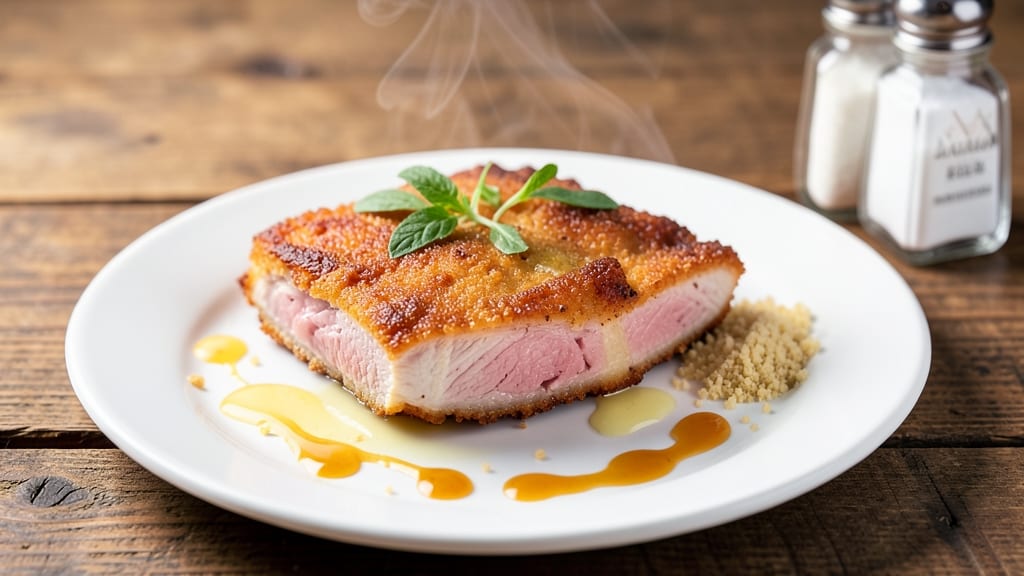
This authentic German pork schnitzel recipe delivers the crispy golden crust and tender interior that makes it a restaurant classic. After perfecting it in my professional kitchen, I've simplified the process without sacrificing that signature crunch—just like my grandmother taught me back in Charleston.
The secret lies in the breading technique and precise frying temperature, both of which I'll walk you through step by step.
The traditional method uses three simple components: flour, beaten eggs, and fine breadcrumbs—no panko substitutes here. We'll fry the cutlets in clarified butter at exactly 360°F for that perfect balance of crispy exterior and juicy interior.
This isn't just another breaded pork recipe; it's the one that'll have you reaching for the lemon wedges and parsley garnish like a true German meal.
What makes this schnitzel truly authentic is the attention to detail: resting the meat before breading, using room-temperature eggs for even coating, and frying in batches to maintain the oil temperature. The result is a plate that looks as impressive as it tastes—golden, shatteringly crisp, and impossible to resist.
Serve it with a simple potato salad or cucumber salad for the complete experience.
While this method delivers restaurant-quality results, I'll also share my tested adaptations for home cooks, including how to achieve similar crispiness with an air fryer or oven. The key principles remain the same—just the technique changes. Let's get started on creating your perfect schnitzel.
Ingredients for authentic german pork schnitzel
The classic trio of flour, eggs, and breadcrumbs plus butter that delivers restaurant-style schnitzel at home.
| Ingredient | Amount | Notes |
|---|---|---|
| Pork Cutlets 🥩 | 4 whole | Pounded to even 1/4-inch thickness |
| All-Purpose Flour 🌾 | 1 cup | Fine white flour for light coating |
| Large Eggs 🥚 | 2 whole | Room temperature, beaten |
| Fine Breadcrumbs 🍞 | 1 ½ cups | Panko-free, dry white bread |
| Unsalted Butter 🧈 | 1 cup | Clarified for frying |
| Diamond Crystal Kosher Salt 🧂 | 1 tsp | For seasoning meat |
| Ground Black Pepper 🌶️ | ½ tsp | Freshly cracked |
| Lemon Wedges 🍋 | 2 whole | For serving |
| Fresh Parsley 🌿 | ¼ cup | Chopped, for garnish |
| Vegetable Oil 🫒 | 2 cups | High smoke point for backup |
| White Vinegar 💧 | 1 tbsp | For clarifying butter |
The pork cutlets are non-negotiable—look for center-cut pork loin chops at Whole Foods or your butcher, about 1/2-inch thick. Pound them to even thickness (use a meat mallet or heavy pan) to ensure even cooking. The flour should be fine white flour—none of that whole wheat here. For the breadcrumbs, Trader Joe's sells excellent fine white breadcrumbs, or pulse dry white bread in a food processor until powdery. The butter needs to be clarified for the highest smoke point—simmer it with vinegar to remove milk solids, then strain.
No clarified butter? Use vegetable oil instead—just make sure it's high smoke point like avocado or grapeseed. Running out of fine breadcrumbs? Toasted panko plus 1 tbsp cornstarch works in a pinch, though it won't be as light. The eggs must be room temperature for even coating—take them out 30 minutes before breading. For extra crispiness, add 1 tbsp cornstarch to the flour mixture. The parsley can be dried if fresh isn't available, but use half the amount since dried is more concentrated.
Keep the pounded pork cutlets sealed in the fridge for up to 2 days—they'll dry out if left longer. The clarified butter can be stored in a jar at room temperature for up to 2 weeks. Once breaded, cook immediately for maximum crispiness, but you can prep the flour/egg/breadcrumb stations ahead. Leftover schnitzel reheats best in a 350°F oven for 10 minutes—it won't be as crispy, but still delicious. Store leftovers wrapped tightly in the fridge for 3 days.
Why You'll Love This Recipe
- Crispy in Minutes: I swear by the three-step breading: flour, egg, breadcrumbs—no fancy techniques. Toss the cutlets in, hit the pan with butter, and you’ve got golden perfection in under 10 minutes. (Yes, even on a Tuesday night.)
- Butter-Kissed Magic: That first bite—crunchy crust melting into tender pork—is what makes this dish. The butter isn’t just cooking; it’s singing, turning simple breadcrumbs into something irresistibly crisp.
- Weeknight Hero: Double the batch, store leftovers in the fridge, and reheat in a skillet for a quick lunch. Honestly, I’ve fed a crowd with this—just add lemon wedges and salad, and you’re golden for dinner parties or lazy Sundays.
- Budget-Friendly Staple: Pork cutlets are affordable, and you’re using pantry basics: flour, eggs, breadcrumbs. No specialty ingredients, no wasted money. Between us, this recipe saves me $20 a month compared to takeout.
Step-by-step instructions for authentic German pork schnitzel
Here's how to achieve that legendary crispy crust and juicy interior every time.
Prepare the Pork Cutlets for Perfect Texture
Start by placing each of the 4 whole pork cutlets between two sheets of plastic wrap. Using a meat mallet, pound them to an even ¼-inch thickness throughout. This even thickness ensures consistent cooking and prevents any thick spots from staying undercooked while thinner areas burn.
Season both sides generously with 1 teaspoon Diamond Crystal kosher salt and ½ teaspoon freshly cracked black pepper. The salt should visibly cling to the meat, not just sprinkle on top. Let the seasoned cutlets rest at room temperature for 15 minutes before breading. This resting period allows the seasoning to penetrate slightly and the meat to come to room temperature, which promotes even cooking.
Create the Clarified Butter for Frying
In a small saucepan, melt the 1 cup unsalted butter over low heat. Once fully melted, add the 1 tablespoon white vinegar and let it simmer gently for 5 minutes until you see the butter separate into three layers—the solid milk solids at the bottom, the clear golden liquid in the middle, and the foam on top.
Remove the pan from heat and carefully pour off the clear golden liquid (this is your clarified butter) into a heatproof container, leaving the milk solids behind. This clarified butter has a higher smoke point than regular butter, which means it won't burn as easily and will give you that authentic golden color and rich flavor. Keep it warm in a small saucepan over low heat until you're ready to fry.
Bread the Schnitzel in Three Stages
Set up three shallow dishes: one with the 1 cup all-purpose flour, one with the 2 whole beaten eggs, and one with the 1.5 cups fine breadcrumbs. Working with one cutlet at a time, dredge it in the flour, shaking off any excess. Dip it into the beaten eggs, allowing any excess to drip off, then press it firmly into the breadcrumbs, coating both sides evenly.
Here's the thing—don't rush this step. Press the breadcrumbs firmly onto the cutlet so they adhere well. This triple breading creates that signature crispy crust while keeping the inside juicy. Place the breaded cutlets on a wire rack set over a baking sheet to keep them dry and crispy until frying. Repeat with the remaining cutlets, working in batches so they don't get soggy.
Fry to Golden Perfection
Heat a heavy skillet over medium-high heat and add about ½ cup vegetable oil (you'll need to do this in batches). Once the oil is shimmering and reaches 350°F, carefully add 2 breaded cutlets to the pan. Fry for 2-3 minutes per side until they're deep golden brown and the edges are crispy.
Watch the color closely—you want that beautiful golden hue, not browned or blackened spots. If the breading starts to brown too quickly, reduce the heat slightly. Once cooked, transfer the schnitzel to a paper towel-lined plate to drain any excess oil. Repeat with the remaining cutlets, adding more oil as needed to maintain the proper temperature.
Serve Immediately with Classic Garnishes
Serve the schnitzel immediately while still piping hot. The contrast between the crispy exterior and juicy interior is what makes this dish so special. Garnish each cutlet with a lemon wedge and a sprinkle of ¼ cup chopped fresh parsley for brightness and color.
For an authentic touch, squeeze a little lemon juice over each schnitzel just before serving. The acidity cuts through the richness of the butter and breading, balancing the flavors perfectly. Pair with a simple green salad or some roasted potatoes to complete the classic German meal.
Pro Tips For Making Authentic German Pork Schnitzel
- Pound Thin, Not Flat: German schnitzel isn’t about thickness—it’s about evenness. Aim for ¼-inch (6mm) at the thickest spot, or the butter won’t crisp the breadcrumbs properly. I learned this the hard way after making a lumpy mess that steamed instead of seared.
- Dry the Pork First: Pat those cutlets bone-dry with paper towels before dredging. Wet pork steams the flour instead of sealing it, and you’ll end up with a soggy, gluey coating. This isn’t the prettiest step, but it’s the thing that matters most for that golden crust.
- Skip the Crowding: Cook schnitzel in batches—no exceptions. A crowded pan drops the temperature, and you’ll get greasy, uneven browning. Two pieces max per side, and resist the urge to flip too soon. (Yes, even if you’re impatient like me.)
- Use Room-Temp Eggs: Cold eggs create a thin, watery wash that won’t cling to the breadcrumbs. Crack them into a bowl 10 minutes before dredging, and stir them with a pinch of salt—this guarantees a crisp, sturdy crust. My grandmother swore by this, and she was right.
Serving suggestions for this recipe
Classic German Sides
Serve your schnitzel with potato salad made with boiled potatoes, mayo, mustard, and finely chopped onions—this is a must in German homes. I like to add a pinch of sweet paprika and a splash of apple cider vinegar for brightness.
Another traditional option is cucumber salad with thinly sliced cucumbers, sour cream, dill, and a touch of sugar—refreshing against the crispy cutlets. 🥔
Fresh Vegetable Pairings
A simple green salad with mixed greens, cherry tomatoes, and a light vinaigrette (olive oil, lemon juice, Dijon) complements the richness perfectly. For something heartier, try roasted Brussels sprouts with a sprinkle of balsamic glaze—their caramelized edges add texture contrast.
I often serve this when hosting dinner parties because it feels special but still easy.
Beverage Pairings
For drinks, German Pilsner beer like Warsteiner or Bitburger is a classic choice—the crisp, clean flavors cut through the fried richness. If you prefer wine, a dry Riesling from the Mosel region balances the dish beautifully. For non-alcoholic options, try sparkling apple cider with a cinnamon stick garnish. 🍺
Authentic German Extras
Add preiselbeeren (German red currant jelly) on the side for a sweet-tart contrast that’s common in Bavarian meals. Another fun touch is breaded onion rings—fry them alongside the schnitzel and serve on the same platter.
I learned this trick from a German chef in Charleston who swore by it for special occasions.
Modern Twists
For a lighter option, swap the potato salad for quinoa tabbouleh with parsley, mint, and lemon. Or try roasted asparagus with lemon zest—it’s elegant but still easy. I’ve also served schnitzel with mashed sweet potatoes and a drizzle of maple syrup for a Southern-German fusion that’s surprisingly delicious. 🌱
Presentation Tips
Arrange the schnitzel on a white porcelain platter with lemon wedges fanned out around it. Garnish with edible flowers or extra parsley for a restaurant-worthy look. For extra flair, drizzle a little clarified butter around the plate before serving—it adds a professional touch.
Remember, Germans value presentation almost as much as flavor! ✨
Nutrition facts
Frequently asked questions
Why does authentic schnitzel use fine breadcrumbs instead of panko?
Fine breadcrumbs create a lighter, more delicate crust that's traditional in German cuisine. Panko's larger pieces would make the coating too thick and heavy. The fine texture also helps the schnitzel absorb flavors better while maintaining that signature crispiness. For best results, use dry white bread processed into powdery crumbs—no substitutes here!
Can I make schnitzel without clarified butter?
Yes, but you'll lose that authentic golden color and rich flavor. Use high-smoke-point oil like avocado or grapeseed instead, but add a small amount of melted butter to the breading mixture for extra richness. The key is maintaining 350°F oil temperature—this is what creates that perfect crispy exterior while keeping the inside juicy.
How do I fix soggy schnitzel?
Soggy breading usually means the oil wasn't hot enough or the cutlets were overcrowded in the pan. For immediate rescue, transfer to a 400°F oven for 3-5 minutes—the residual heat will crisp up the coating. To prevent it next time, fry in small batches and keep the oil temperature at 350°F using a thermometer. Also, work quickly between breading and frying to avoid moisture buildup.
What's the best way to store leftover schnitzel?
Wrap individual pieces tightly in aluminum foil and store in the fridge for up to 3 days. To reheat, place in a 350°F oven for 10-12 minutes—it won't be as crispy, but still delicious. For longer storage, freeze for up to 1 month in an airtight container. Thaw overnight in the fridge before reheating.
Can I use chicken instead of pork for schnitzel?
While chicken schnitzel exists (especially in Austria), traditional German schnitzel uses pork for its richer flavor. If you must use chicken, choose boneless breast cutlets and pound them thinner—about ⅛-inch**—since chicken cooks faster. The breading technique remains the same, but expect slightly less richness in flavor. For authenticity, stick with pork!