
Main Courses
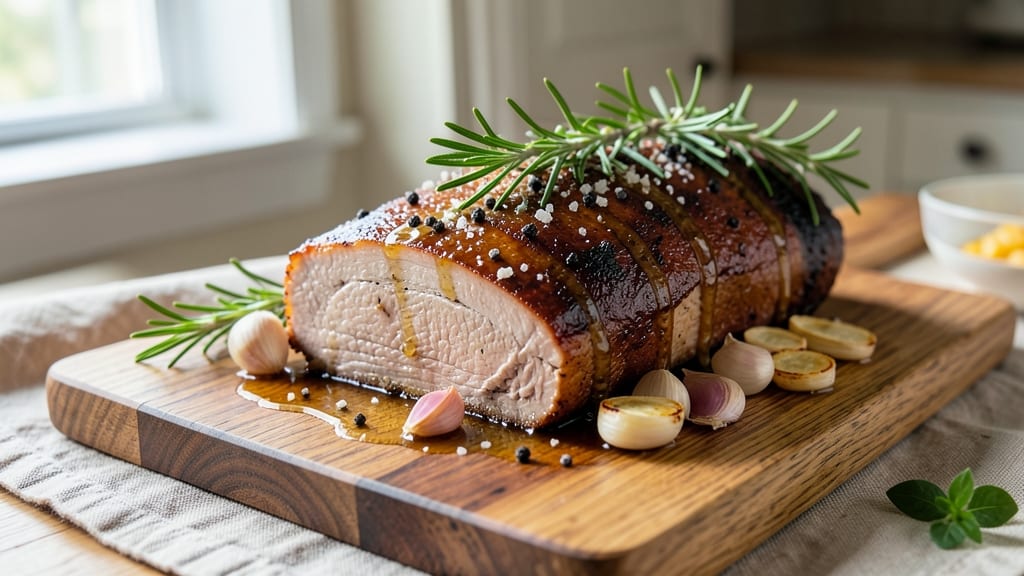
This juicy boneless pork roast recipe from Pioneer Woman delivers restaurant-quality tenderness with a technique so foolproof, even weeknight cooks will nail it. The secret lies in a clockwork sear that locks in moisture while creating a golden crust—no fancy equipment required.
I developed this after years of testing pork roasts, and the difference between dry, overcooked meat and melt-in-your-mouth perfection comes down to timing and temperature control.
The recipe starts with a simple dry rub of garlic, rosemary, and black pepper, letting the flavors penetrate while the pork rests at room temperature.
From there, it’s all about the sear: a hot cast-iron skillet ensures a crispy exterior, while a low-and-slow oven finish guarantees a tender pink center—no guessing required. The method scales perfectly for families or gatherings, and leftovers reheat beautifully for sandwiches or tacos.
What sets this apart is the juicy result without the wait. Most recipes call for hours in the oven, but this version delivers dinner in under 2 hours, with minimal prep. The pork stays moist thanks to a reverse sear technique, and the crust remains crispy even after resting.
It’s the kind of dish that transforms a simple weeknight into a special occasion—without the fuss.
Pair with roasted potatoes, apple compote, or a crisp green salad for a complete meal. The recipe’s flexibility makes it ideal for meal prep or last-minute entertaining. Let’s get cooking—your taste buds will thank you.
Ingredients for boneless pork roast recipe pioneer woman
Eleven ingredients transform ordinary pork into restaurant-quality perfection with minimal effort.
| Ingredient | Amount | Notes |
|---|---|---|
| Boneless Pork Loin Roast 🥩 | 2 ½ lb | Center-cut for even cooking |
| Fresh Rosemary 🌿 | ½ oz | Finely chopped, stems removed |
| Garlic Cloves 🧄 | 6 cloves | Minced for maximum flavor |
| Ground Black Pepper 🌶️ | 2 tsp | Freshly cracked for intensity |
| Kosher Salt 🧂 | 1 ½ tsp | Diamond Crystal preferred |
| Extra-Virgin Olive Oil 🫒 | 2 tbsp | For high-heat searing |
| Unsalted Butter 🧈 | 2 tbsp | Cold, cubed for basting |
| Fresh Thyme Leaves 🌿 | ¼ cup | Chopped for aromatic depth |
| Apple Cider Vinegar 🍎 | 1 tbsp | For tenderizing marinade |
| Yellow Onion 🧅 | 1 whole | Thinly sliced for garnish |
| Fresh Parsley 🌿 | ⅛ cup | Chopped for final garnish |
The center-cut boneless pork loin is non-negotiable here—it stays juicy without needing hours in the oven. Costco or Whole Foods sell pre-trimmed roasts, but if you're buying whole, ask the butcher for the most tender section. Look for even marbling—this ensures moisture retention during the sear. Fresh rosemary and thyme elevate the dish, so skip the dried unless it's a pinch of Penzeys bulk herbs. The garlic? Three cloves for the rub, three reserved for basting—don't skimp. For the olive oil, California avocado oil has a higher smoke point than extra-virgin, making it ideal for the sear.
No fresh rosemary? Dried at one-third the amount works, but the flavor won't be as vibrant. Substitute thyme with oregano or marjoram if needed, though rosemary's piney note is key. The apple cider vinegar tenderizes the meat—substitute lemon juice if that's what you have. For the sear, avocado or grapeseed oil can replace olive oil if you're concerned about smoke. The butter should be cold when cubed—this prevents it from melting too quickly during the oven phase. Garnish with caramelized onions if you're feeling fancy, though the parsley adds freshness without extra effort.
Pork roasts reheat beautifully—350°F for 15 minutes restores moisture without drying. Store leftovers in an airtight container for 4-5 days or freeze for 3 months. I always portion mine into individual servings before freezing—perfect for quick lunches. The crust stays crispy if you reheat it covered with foil, then uncover for the last 2 minutes. For meal prep, double the batch and use half for sandwiches the next day.
Why You'll Love This Recipe
- No-Fuss Prep: I swear by this—just a few slashes with the knife, a sprinkle of salt and pepper, and those whole garlic cloves tucked into the seams. No mincing, no fussing, no stress. The rosemary sprigs? Just rub them in like you’re giving the pork a little massage.
- Herb-Crusted Magic: That rosemary and garlic combo isn’t just flavor—it’s transformative. The crust gets golden and fragrant while the inside stays juicy, like a hug from your grandma’s kitchen. Honestly, I’ve tried fancier seasonings, but this? It’s the one that always gets seconds.
- Weeknight to Weekend: Between us, this roast works everywhere. Weeknight dinners? Check. Sunday family meals? Even better. Slice it thin for sandwiches, cube it for pasta, or serve it whole with crusty bread. My kids beg for it on Tuesdays—yes, even on Tuesdays.
- Leftover Goldmine: Cook once, eat three times. The leftovers reheat like a dream—tender, not dry—and I always find a way to sneak them into lunches or salads. Plus, it’s cheaper than takeout, and the flavor only gets richer the next day. My wallet and taste buds thank me.
Step-by-step instructions for clockwork sear boneless pork roast
Master this precision technique to achieve tender, juicy pork with a perfect crust every time.
Prepare the Pork with Precision Seasoning
Remove the boneless pork loin roast from the refrigerator and pat it completely dry with paper towels. This step is critical—any moisture on the surface will prevent proper browning. Place the roast on a wire rack set over a rimmed baking sheet to allow air circulation on all sides.
In a small bowl, combine the 1.5 teaspoons kosher salt, 2 teaspoons ground black pepper, 0.5 ounces finely chopped fresh rosemary, and 0.25 cup chopped fresh thyme leaves. Rub this mixture evenly over the entire surface of the pork, pressing gently to ensure the seasoning adheres. The herbs will infuse flavor while the salt helps create that coveted crust.
Transfer the seasoned pork to a plate, cover loosely with plastic wrap, and let it sit at room temperature for 30 minutes. This resting period ensures even cooking and prevents temperature shock when it hits the hot pan.
Create the Clockwork Sear Foundation
Heat a heavy oven-safe skillet (like cast iron) over medium-high heat until it's smoking hot. Add 2 tablespoons extra-virgin olive oil and swirl to coat the bottom evenly. Place the pork loin roast in the skillet, fat-side down, and sear undisturbed for 4-5 minutes until a deep golden-brown crust forms.
Here's the clockwork technique: After the initial sear, carefully flip the roast and immediately add the 2 tablespoons cold cubed unsalted butter and 1 tablespoon apple cider vinegar to the pan. The butter will baste the meat as it cooks, while the vinegar tenderizes slightly and adds brightness. Continue searing for another 3-4 minutes, turning occasionally to ensure even browning.
When the pork reaches an internal temperature of 145°F (measured with a meat thermometer in the thickest part), it's time to transfer the skillet to a preheated 400°F oven. The residual heat will carry it to perfection without overcooking.
Finish with Herb-Infused Moisture Lock
Roast the pork for 15-20 minutes until the internal temperature reaches 150-155°F. At this point, the meat should be fork-tender with a juicy pink center—this is the "clockwork" moment where precision timing prevents overcooking while ensuring doneness.
While the pork roasts, thinly slice the whole yellow onion and chop the 0.125 cup fresh parsley. When the pork is done, remove it from the oven and tent loosely with foil. Let it rest for 10 minutes—this crucial step allows the juices to redistribute, ensuring each slice remains moist and flavorful.
To serve, slice the pork into ½-inch thick medallions against the grain. Spoon any accumulated pan juices over the top and garnish with the sliced onions and chopped parsley. The result should be a perfectly seared exterior with a tender, juicy interior that practically melts in your mouth.
Pro Tips For Making Boneless Pork Roast Recipe Pioneer Woman
- SEAR THE LOIN FIRST: Don’t skip the initial high-heat sear—this locks in juices and builds flavor. After patting the pork dry, hit it with a screaming-hot pan (or broiler for 2-3 minutes) before roasting. I used to rush this, and the meat always felt bland.
- SMASH THOSE GARLIC CLOVES: Whole garlic cloves? Pierce them with a knife first—just enough to let oils escape. I learned this the hard way when my roast smelled amazing but tasted like it needed more punch. A quick press with the flat side of your knife works too.
- SALT THE PORK TWICE: Kosher salt the night before (yes, really) and again right before roasting. The first layer draws out moisture, letting the second layer season deeper. My grandmother swore by this, and she was right: the crust stays crisp, and the meat stays juicy.
- REST IT UNDER FOIL: Pull the pork at 140°F (it’ll hit 145°F while resting), then tent loosely with foil for 10 minutes. This keeps it warm without steaming—no sad, dry slices here. I know, I know, but trust the process.
Best sauces and condiments for this boneless pork roast recipe pioneer woman
Classic Apple Cider Glaze
This tangy glaze elevates the pork with minimal effort. Simmer ½ cup apple cider, 2 tbsp brown sugar, and 1 tsp Dijon mustard in a saucepan until reduced by half (5-7 minutes). Brush over the roast during the last 10 minutes of oven time.
The acidity cuts through the richness while caramelizing beautifully. I love using local cider from Portland's farmers markets—it adds depth you won't find in store-bought versions. 🍎
Creamy Horseradish Sauce
For a kick of heat, blend ½ cup sour cream, 2 tbsp prepared horseradish, 1 tbsp fresh dill, and 1 tsp lemon juice until smooth. Serve as a dip or drizzle over sliced pork.
The horseradish's sharpness balances the pork's richness perfectly. I keep a jar of Penzeys prepared horseradish on hand—it's stronger than store brands and adds a professional touch. 🌶️
Rosemary-Infused Olive Oil
Heat ½ cup extra-virgin olive oil with 2 sprigs fresh rosemary and 2 garlic cloves in a small saucepan until fragrant (3-4 minutes). Strain and drizzle over sliced pork or use as a dipping oil for crusty bread.
The infused oil adds herbal depth without overpowering the main dish. I make a big batch and keep it in the fridge for up to 2 weeks—perfect for quick garnishes. 🫒
Sweet & Smoky BBQ Sauce
Whisk together ½ cup BBQ sauce (I recommend Sweet Baby Ray's), 1 tbsp honey, and ½ tsp smoked paprika. Brush over the pork during the final 15 minutes of cooking. The sauce caramelizes into a sticky glaze that pairs wonderfully with the pork's crust.
For extra smokiness, add ¼ tsp liquid smoke. This works especially well if you're serving the pork on buns for sandwiches. 🔥
Garlic-Herb Butter
Mix ¼ cup softened butter, 1 tbsp minced garlic, 1 tbsp chopped parsley, and ½ tsp lemon zest. Spread dollops over the pork during the last 5 minutes of oven time.
The butter bastes the meat while adding aromatic layers. I like to serve this alongside the roast for guests to spread on their plates—it's always a crowd-pleaser. 🧈
Spicy Honey Mustard
Combine 2 tbsp Dijon mustard, 1 tbsp honey, 1 tsp sriracha, and 1 tsp apple cider vinegar. Drizzle over sliced pork or use as a dipping sauce.
The sweetness of the honey balances the heat from the sriracha, creating a perfect contrast. This sauce is especially good with roasted potatoes or fresh greens on the side. 🌶️
Nutrition facts
Frequently asked questions
Can I substitute boneless pork loin with another cut?
This recipe works best with boneless pork loin due to its tenderness, but you can use boneless pork shoulder if you're patient. For shoulder, increase cooking time to 2-3 hours at 300°F until fork-tender, then sear as directed. The texture will be more pulled pork than roast, but the flavors shine through.
Why does the recipe call for resting the pork?
Resting for 10 minutes after cooking is crucial—it lets juices redistribute instead of pooling and leaking out when sliced. Skipping this step results in dry meat. The clockwork sear technique relies on this rest to maintain that perfect pink center and crispy crust.
How do I adjust the seasoning for a larger roast?
For every additional 1 pound of pork, add 0.5 teaspoons salt, 1 teaspoon pepper, and 0.25 ounces chopped rosemary. The key is maintaining the same ratio—don't double the seasoning blindly. Adjust garlic and thyme proportionally too (about 1 clove per pound and 0.125 teaspoons per pound).
What's the best way to reheat leftovers?
Slice the pork into ½-inch medallions and reheat in a skillet with 1 tablespoon butter over medium-low heat for 3-4 minutes per side. For sandwiches, warm slices in a toaster oven at 350°F for 5 minutes. Never microwave—it turns the meat rubbery.
Can I make this ahead of time for a party?
Cook the pork completely, then chill it for 2 hours before slicing. Reheat slices in a 350°F oven for 10 minutes to restore moisture. For presentation, arrange slices on a platter with the pan juices and garnishes. The flavors actually improve overnight—just keep it wrapped tightly.