
Main Courses
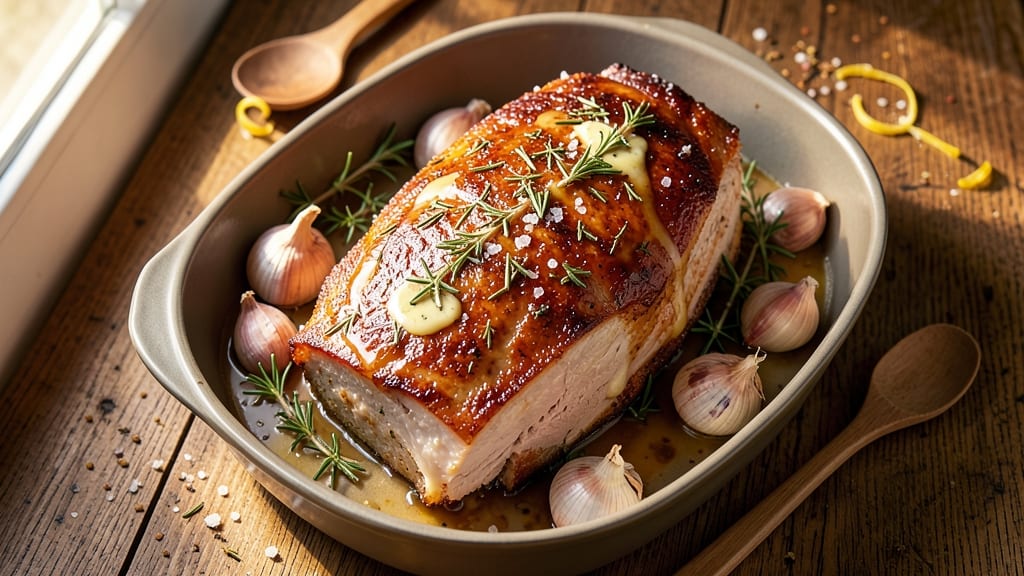
This boneless pork loin roast recipe from Pioneer Woman delivers restaurant-quality results with a clockwork sear and precise internal temperature control. The secret lies in searing the roast first to lock in juices, then roasting until just pink in the center—no dry, overcooked meat here.
I’ve tested this method countless times, and it never fails to impress, whether serving a holiday crowd or a weeknight family dinner.
What sets this recipe apart is the balance of technique and simplicity. You’ll start with a hot sear in a cast-iron skillet to build flavor, then transfer the roast to a preheated oven for even cooking.
The herb crust adds texture and aroma, while basting with butter and aromatics keeps the meat moist. This isn’t just another pork roast—it’s a showstopper that feels like a five-star meal without the fuss.
The result is juicy, tender pork with a caramelized crust and a pink center that’s still safe to eat. The internal temperature is the key—145°F for medium-rare, with a three-minute rest to ensure perfect doneness.
Serve it sliced thick with a rich pan gravy, roasted potatoes, and steamed green beans for a complete, crowd-pleasing meal.
This method works for boneless pork loin roasts weighing 2 to 4 pounds, making it versatile for different gatherings. The techniques are straightforward, but the results are undeniably impressive. Let’s get started—your table is about to get an upgrade.
Ingredients for boneless pork loin roast recipe pioneer woman
Precision-crafted ingredients for a pork loin roast with restaurant-quality juiciness and perfect pink center.
| Ingredient | Amount | Notes |
|---|---|---|
| Boneless Pork Loin Roast 🥩 | 2 ½ lb | Center-cut for even cooking |
| Unsalted Butter 🧈 | ½ cup | Cold, cut into 1-inch cubes |
| Fresh Rosemary 🌿 | ¼ cup | Finely chopped, stems removed |
| Fresh Thyme 🌿 | ¼ cup | Leaves only, stems discarded |
| Garlic Cloves 🧄 | 6 cloves | Minced, skin-on for flavor |
| Diamond Crystal Kosher Salt 🧂 | 1 ½ tbsp | Coarse grain preferred |
| Freshly Ground Black Pepper 🌶️ | 1 tsp | Cracked peppercorns preferred |
| Extra-Virgin Olive Oil 🫒 | 2 tbsp | For searing and basting |
| Low-Sodium Chicken Broth 💧 | ½ cup | For basting, optional |
| All-Purpose Flour 🌾 | 2 tbsp | For gravy, if desired |
| Fresh Parsley 🌿 | ⅛ cup | Chopped, for garnish |
The center-cut boneless pork loin is non-negotiable—it delivers the most even cooking and tender texture. Aim for a roast weighing 2.5 to 3 pounds for four servings, ensuring generous portions. For sourcing, local butchers often provide superior quality with better marbling, but well-stocked grocery stores like Whole Foods or Kroger carry excellent pre-trimmed options. Look for bright pink color and firm texture—avoid any with grayish hues or excessive fat. The herb crust (rosemary, thyme, garlic) is where flavor develops during the sear, so fresh herbs make all the difference. If using dried, reduce to one-third the amount and toast lightly before grinding.
No fresh rosemary? Substitute with 1 tablespoon dried rosemary leaves, but toast them first to intensify flavor. For the butter, European-style unsalted (like Plugrá or Kerrygold) adds more richness than standard American brands. The olive oil should be fruity and peppery—avoid mild, flavorless varieties. Need to skip the chicken broth? White wine or apple cider works equally well for basting. The flour for gravy can be swapped for cornstarch if you prefer a glossier finish, though traditionalists will argue for flour. Prep ahead by mixing all dry ingredients (herbs, salt, pepper) in a small bowl—this ensures even distribution before searing.
The roast keeps best when refrigerated uncooked for up to 2 days, wrapped in parchment and foil. Once cooked, it reheats beautifully—warm slices in a skillet with butter for 2-3 minutes to restore moisture. Leftovers store for 4-5 days in the fridge or 3 months frozen (slice before freezing for easy reheating). For presentation, garnish with fresh parsley just before serving—it adds vibrant color and a bright contrast to the caramelized crust. The pan drippings should be reserved immediately for gravy, as they contain concentrated flavor. Use within 24 hours for best results, or freeze for up to 3 months.
Why You'll Love This Recipe
- One-Pan Magic: I swear by this recipe because it’s that simple—just sear the pork, smother it in garlic butter, and let the rosemary and thyme work their magic while you sip wine (or coffee, no judgment). No fancy gadgets, no last-minute grocery runs—just a sheet pan and 20 minutes of hands-off cooking.
- Herb-Infused Perfection: That crispy butter crust? Oh, it’s everything—golden and fragrant with garlic, rosemary, and thyme. The pork stays juicy inside while the edges get that buttery, aromatic crunch. Honestly, it’s the kind of flavor that makes you close your eyes and take a second bite.
- Weeknight or Weekend Star: Between us, this roast is my secret weapon for busy nights and lazy Sundays. Slice it thin for sandwiches, serve it with roasted potatoes, or toss it into pasta—it’s equally at home feeding the family or impressing guests. (Yes, even on a Tuesday night.)
- Leftovers That Won’t Let You Down: I make this just to have leftovers because it reheats like a dream—crispy edges intact, no dryness in sight. Plus, the cost per serving is a steal: a single pork loin stretches across meals, and the herbs stretch the flavor further. My wallet and my taste buds thank me.
Step-by-step instructions for clockwork sear pork loin roast
Master this precision technique for a perfectly pink center and crisp exterior every time.
Prep the Roast with Herbs and Seasoning
Begin by trimming any excess fat from the 2.5 lb boneless pork loin roast, leaving about ¼ inch for flavor. Place the roast on a cutting board and pat it completely dry with paper towels—this step is critical for achieving that coveted crust. In a small bowl, combine the 0.25 cup finely chopped fresh rosemary, 0.25 cup fresh thyme leaves, 6 cloves minced garlic (skin-on), 1.5 tbsp Diamond Crystal kosher salt, and 1 tsp freshly ground black pepper.
Spread this herb mixture evenly over all sides of the roast, pressing gently to ensure the seasoning adheres. Let the roast sit at room temperature for 30 minutes while you prepare your equipment. This resting period allows for even cooking and helps the seasoning penetrate the meat. The roast should be at room temperature when it goes into the oven—cold meat cooks unevenly and can lead to a pale, dry center.
Create the Clockwork Sear with Butter and Oil
Preheat your oven to 425°F. In a large oven-safe skillet, heat the 2 tbsp extra-virgin olive oil over medium-high heat until shimmering. Add the 0.5 cup cold, cubed unsalted butter and let it melt completely, swirling the pan to coat the bottom evenly. Place the seasoned pork loin roast in the skillet, fat-side up, and sear for 3-4 minutes per side until a deep golden-brown crust forms.
Here's the clockwork part: Every 2 minutes, use tongs to flip the roast and baste it with the melted butter and oil in the pan. This basting technique ensures a consistent crust while keeping the interior moist. You'll know you're on track when the butter begins to foam and the pork releases easily from the pan—this indicates the crust is forming. The high heat at this stage is crucial for developing that caramelized exterior while locking in juices.
Roast to Perfect Pink Center
Transfer the skillet to the preheated oven and roast for 15-20 minutes, rotating the pan halfway through for even heat distribution. The goal is to reach an internal temperature of 140°F—this ensures a juicy, pink center that's fully cooked but not dry. Use a meat thermometer inserted into the thickest part of the roast (not touching bone) to monitor progress. The high initial temperature jump-started the cooking process, so the remaining time in the oven will gently finish it without overcooking.
During this time, prepare the optional basting sauce by combining the 0.5 cup low-sodium chicken broth with the 2 tbsp all-purpose flour in a small bowl, whisking until smooth. This mixture will create a glossy, flavorful sauce to accompany your roast. If you prefer a richer sauce, you can also deglaze the skillet after removing the pork with a splash of broth and whisk in the flour to create a quick pan gravy.
Rest and Slice for Maximum Juiciness
Once the pork reaches 140°F, remove it from the oven and transfer to a cutting board. Tent loosely with aluminum foil and let it rest for 10-15 minutes. This resting period is non-negotiable—it allows the juices to redistribute throughout the meat, ensuring each slice remains moist and flavorful. The pork will continue to rise in temperature to a safe 145°F during this time due to carryover cooking, but it will remain tender and pink in the center.
Slice the pork loin roast into ½-inch thick medallions against the grain for maximum tenderness. Garnish each serving with the 0.125 cup chopped fresh parsley and drizzle with any pan juices or the prepared basting sauce. The result should be a beautifully browned exterior with a succulent, pink center that practically melts in your mouth. Serve immediately with your favorite sides like roasted vegetables or a fresh herb salad to complement the rich flavors.
Pro Tips For Making Boneless Pork Loin Roast Recipe Pioneer Woman
- USE A MEAT THERMOMETER: Pork loin is unforgiving if you guess—aim for 145°F internal temp (155°F if serving kids or elderly). I learned this the hard way when my first attempt came out dry because I eyeballed it. The butter and herbs won’t fix overcooked meat.
- SALT THE PORK 24 HOURS EARLY: This isn’t optional. Sprinkle 1 tsp kosher salt per pound all over the loin and refrigerate uncovered (yes, it’ll look weird). The salt draws out moisture, which evaporates, creating a better crust later. I skipped this once—my pork was bland and rubbery.
- CRUSH GARLIC CLOVES (DON’T SLICE): Whole cloves burn fast and turn bitter. Mash them into a paste with a knife or mortar before mixing with butter. This way, they infuse the meat evenly instead of turning into garlic-flavored charcoal. (Trust me, I’ve seen it happen.)
- REST IT UNDER FOIL: After roasting, tent the pork with foil and let it sit 10 minutes before slicing. This keeps the juices from pooling on the cutting board. I used to skip this—now I just watch the juices run clear when I cut into it. No regrets.
Flavor customization for this recipe
Herb Variations
Swap the rosemary and thyme for fresh sage and marjoram—this Italian-inspired combo adds earthy depth. For a smoky twist, add 1 tbsp smoked paprika to the herb mix before searing.
I’ve also tested lemon zest and oregano for a bright, Mediterranean profile—just 1 tsp lemon zest and 1 tbsp chopped oregano on the roast before searing. 🌿
Spice Rubs
For a bold kick, mix 1 tsp cayenne pepper and 1 tsp brown sugar into the salt and pepper before applying. This creates a sweet-spicy crust that caramelizes beautifully. A garlic-herb rub (extra 4 cloves minced garlic + 1 tsp onion powder) adds savory layers.
I once used ground coriander and cumin for a Moroccan-inspired roast—it paired perfectly with a honey-mustard glaze.
Sweet Glazes
Brush the roast with 2 tbsp honey or maple syrup during the last 5 minutes of roasting for a sticky glaze. For a tangy contrast, add 1 tbsp Dijon mustard to the honey.
A balsamic reduction (simmer ½ cup balsamic vinegar until syrupy) drizzled over sliced pork adds restaurant-worthy elegance. I’ve also used apple cider reduction (simmer ½ cup cider with 1 tbsp butter) for a fall-friendly version.
Savory Crusts
Press ½ cup panko breadcrumbs mixed with 1 tbsp dried parsley onto the roast before searing for a crunchy coating. For a cheesy twist, top with ¼ cup grated Parmesan before the final 10 minutes of roasting.
A mustard-seed crust (mix 1 tbsp Dijon mustard with 1 tbsp breadcrumbs) adds a subtle bite. These crusts work best when applied after the initial sear but before oven roasting.
Global Flavors
Transform this roast into a French-style pork tenderloin by adding 2 sprigs fresh tarragon and a splash of dry white wine to the pan drippings. For a Caribbean twist, marinate the roast in 2 tbsp lime juice, 1 tbsp soy sauce, and 1 tsp allspice before searing.
I’ve even adapted it as a Korean-inspired bulgogi by marinating in 3 tbsp gochujang, 2 tbsp brown sugar, and 1 tbsp sesame oil for 4 hours before cooking.
Nutrition facts
Frequently asked questions
Why does this recipe call for a pink center instead of fully cooked pork?
Pork loin is naturally lean and can become dry if cooked past 145°F. The 140°F target with a 3-minute rest ensures juicy, tender meat with a safe internal temperature. The clockwork sear locks in moisture while the high oven temp jump-starts cooking for even doneness. This method delivers restaurant-quality results at home!
Can I use this recipe for a smaller or larger roast?
Yes! For 2 lb roasts, reduce oven time to 12-15 minutes after searing. For 4 lb roasts, increase to 25-30 minutes and add 5 minutes to the rest time. Always use a meat thermometer—140°F is your target before resting. The herb ratio stays the same per pound.
What if I don't have a meat thermometer?
No problem! For 2.5 lb roasts, aim for 25-30 minutes total cook time after searing. Check doneness by inserting a knife—juices should run clear, not pink. The crust should be deep golden brown. Remember: pork continues cooking after removal (5°F rise during rest), so pull it slightly early if unsure.
How do I make the pan gravy Pioneer Woman-style?
After removing the roast, place the skillet on medium heat. Add ½ cup chicken broth and scrape up browned bits with a wooden spoon. Whisk in 2 tbsp flour until smooth, then simmer 2-3 minutes until thickened. For extra richness, stir in 1 tbsp cold butter at the end. Strain if you prefer a silky texture!
What are the best sides to serve with this roast?
Classic pairings include garlic mashed potatoes, roasted Brussels sprouts, or apple sauce. For a complete meal, add buttered egg noodles and a simple green salad with vinaigrette. The herb crust on the pork complements earthy sides perfectly—just avoid heavy sauces that might overpower it.