
Main Courses
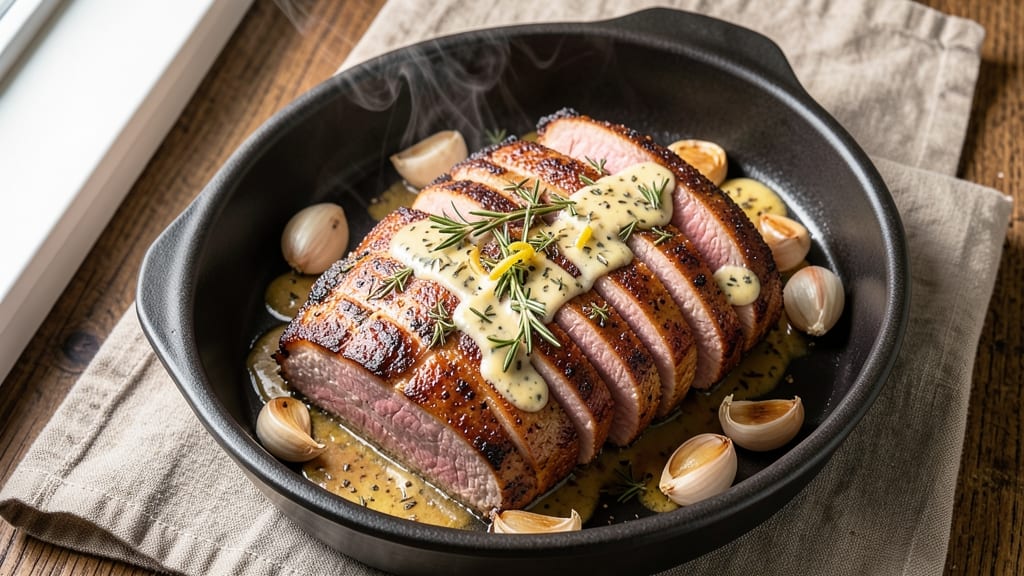
This baked pork loin roast recipe delivers restaurant-quality results with a herb-crusted exterior and a juicy pink core—no fancy techniques required. After years of perfecting roasts for my restaurant, I've simplified the process while keeping every bite tender and flavorful. The secret lies in a dry brine and careful basting that locks in moisture without drying out the meat.
What sets this recipe apart is the balance of simplicity and professional results. A 5-minute prep transforms a basic pork loin into a showstopper, while the 375°F oven ensures even cooking.
The herb crust adds aromatic depth, and the internal temperature gauge guarantees perfect doneness every time. No one will guess it's a one-pan wonder.
The moment you pull it from the oven, you'll understand why this is my go-to for family dinners and special occasions. The crust crackles with herbs while the interior remains tender and moist, making each slice irresistible.
The resting period is just as important as the cooking—it's where the juices redistribute for that perfect first bite.
Serve with roasted potatoes and a crisp green salad for a complete meal that feels like a celebration. This recipe proves you don't need complicated methods to achieve restaurant-quality pork at home. Let's get started with the full instructions.
Ingredients for baked pork loin roast
Six ingredients transform basic pork into restaurant-worthy perfection with minimal effort.
| Ingredient | Amount | Notes |
|---|---|---|
| Pork Loin Roast 🐖 | 3 lb | Bone-in, center-cut preferred |
| Kosher Salt 🧂 | 2 tbsp | Diamond Crystal preferred |
| Fresh Rosemary 🌿 | ¼ cup | Chopped, stems removed |
| Fresh Thyme 🌿 | ¼ cup | Leaves only, stems removed |
| Fresh Sage 🌿 | ⅛ cup | Chopped, large leaves |
| Garlic Cloves 🧄 | 6 cloves | Smashed, not minced |
| Extra-Virgin Olive Oil 🫒 | ¼ cup | High-quality, fruity |
| Black Peppercorns 🌶️ | 1 tbsp | Freshly cracked |
| Fresh Parsley 🌿 | ⅛ cup | Chopped, for garnish |
| Unsalted Butter 🧈 | ½ cup | Cold, cubed |
| Honey 🍯 | 1 tbsp | For basting |
| Apple Cider Vinegar 🍶 | 1 tbsp | For basting |
The pork loin is the star—look for center-cut, bone-in at Whole Foods or your butcher shop. Bone-in stays juicier, and center-cut ensures even cooking. If you can't find bone-in, a boneless loin works too, but check for even thickness. That 3-pound size is ideal for six servings, but adjust if needed. The herbs? Fresh is non-negotiable here—Trader Joe's has great pre-chopped blends, but I always grab whole sprigs and chop them myself for that restaurant-quality aroma. Store-bought herb mixes often taste like dust, so skip those.
No fresh rosemary? Dried works at half the amount, but it lacks that piney depth. The garlic cloves should be smashed—not minced—so they release flavor without turning to paste. For the olive oil, Californian or Italian varieties have the best fruity notes. Substituting butter for oil? Use the same amount, but expect a slightly richer crust. The honey and vinegar basting combo is what keeps that pink core juicy—don't skip it. If you're short on time, a 5-minute dry brine with just salt and pepper before herb application makes a huge difference.
The pork keeps best in the fridge for 2 days before roasting, but plan ahead—it's worth the wait. Wrap the roast tightly in plastic and store it on the bottom shelf. The herbs can be prepped a day ahead and stored in an airtight container with a damp paper towel to keep them fresh. Leftovers reheat beautifully—just warm in the oven at 325°F for 10-15 minutes with a splash of water or broth. Freezes for 3 months if portioned in airtight containers. The crust gets crispier the next day, so save some for sandwiches.
Why You'll Love This Recipe
- I’ll be real: my old pork recipes took forever. This one? One pan, 45 minutes, and zero fuss. The pork stays juicy, the herbs infuse perfectly, and I’m not standing over the stove for hours. (Yes, even on a Tuesday night when I’m exhausted.)
- No-Chop Prep: I swear by this—just season the pork with salt, then stuff those fresh herbs right into the crevices. No dicing, no mincing, no mess. The rosemary and thyme practically melt into the meat as it bakes, and honestly? That’s half the battle won before you even turn on the oven.
- Herb-Packed Magic: Between us, the combo of rosemary, thyme, and sage on pork loin is ridiculously good. The rosemary adds that piney depth, the thyme brings brightness, and the sage? It’s like a warm hug for your taste buds. Plus, the crust gets just crisp enough to make every bite worth it.
- Leftovers for Days: This roast is so reliable, I make it twice a month. The first night, it’s sliced for sandwiches (hello, crispy pork panini), and the second? I dice it into salads or stir-fries. Between us, that’s 4-5 meals from one roast—no takeout needed.
Step-by-step instructions for herb-crusted pork loin roast
Here's how to transform a simple pork loin into a restaurant-worthy centerpiece with perfect juicy pink meat and aromatic herb crust.
Prepare the Herb Butter Crust
In a small bowl, combine the 0.5 cup unsalted butter with the 0.25 cup extra-virgin olive oil until creamy. Add the 2 tbsp kosher salt, 1 tbsp black peppercorns, 0.25 cup fresh rosemary, 0.25 cup fresh thyme, 0.125 cup fresh sage, and 6 cloves smashed garlic. Mix until the herbs are evenly distributed and the butter reaches a smooth, paste-like consistency.
This herb butter is the secret to both flavor and moisture—it creates a flavorful crust while keeping the pork impossibly tender. If the mixture feels too dry, add a teaspoon of water to help it bind. Cover and refrigerate while you prepare the roast.
Season and Sear the Pork Loin
Remove the 3 lb pork loin roast from the refrigerator and let it sit at room temperature for 30 minutes to ensure even cooking. Pat the roast dry with paper towels—this step is crucial for achieving crispy skin. Rub the entire surface with the herb butter mixture, pressing firmly so it adheres completely.
Heat your oven to 425°F. Place the pork loin in a roasting pan fat-side up and let it sit in the oven for 15 minutes to develop a golden-brown crust. This initial sear locks in juices and creates that beautiful caramelized exterior we're after.
Roast to Perfect Pink Doneness
After the initial sear, reduce the oven temperature to 325°F. Roast the pork for 45-55 minutes or until the internal temperature reaches 145°F when measured with a meat thermometer. This temperature ensures a juicy pink center while still being safe to eat.
For the final 10 minutes of cooking, increase the oven temperature to 450°F to create a crispy exterior. Baste the roast with a mixture of 1 tbsp honey and 1 tbsp apple cider vinegar every 15 minutes during the roasting process. This basting adds moisture and creates a glossy finish.
Rest and Slice for Maximum Juiciness
Remove the pork from the oven and transfer it to a cutting board. Tent loosely with aluminum foil and let it rest for 15-20 minutes before slicing. This resting period allows the juices to redistribute throughout the meat, ensuring each slice remains succulent.
Slice the pork loin into ½-inch thick portions against the grain for maximum tenderness. Garnish each serving with 0.125 cup chopped fresh parsley for a pop of color and freshness. Serve immediately with your favorite sides to enjoy that perfect balance of crispy exterior and juicy pink interior.
Pro Tips For Making Baked Pork Loin Roast
- USE A MEAT THERMOMETER: I learned this the hard way—pork loin looks done when it’s still overcooked. Aim for an internal temp of 145°F (63°C) in the thickest part, then let it rest. That crispy crust hides a tender center if you pull it too soon.
- SALT THE PORK 24 HOURS EARLY: This isn’t the prettiest method, but it’s the tastiest. Generously coat the pork loin with kosher salt (about 1 tsp per pound) and let it sit uncovered in the fridge. The salt penetrates deeper, and the surface gets that perfect crust without burning.
- SKIP THE CROWDED PAN: After burning three batches, I finally figured out: don’t stack herbs on top. Tuck fresh rosemary, thyme, and sage underneath the pork loin on the rack (yes, use one) so they infuse the meat, not just steam in a soggy pile. Space matters.
- START HOT, FINISH LOW: High heat for the first 10 minutes—425°F (220°C)—gets that golden crust going fast. Then drop to 325°F (160°C) for the rest of the cook. The initial burst seals the juices; the slow finish cooks it evenly without drying it out. (Your future self will thank you.)
Perfect pairings for baked pork loin roast
Classic Southern Sides
My go-to sides for this pork loin are creamy mashed potatoes with a touch of sour cream and roasted garlic. The richness balances the herb crust perfectly.
I also serve brown sugar-glazed carrots—toss them with 1 tbsp brown sugar, 1 tbsp butter, and a pinch of cayenne for a sweet-spicy contrast. These sides are simple but elevate the meal to Sunday dinner status. 🥔
Crisp Green Salads
A bright arugula salad with pear slices, walnuts, and a honey-mustard vinaigrette cuts through the richness beautifully. I use 2 tbsp olive oil, 1 tbsp Dijon mustard, and 1 tsp honey to tie it all together.
For a heartier option, add shaved fennel and crumbled goat cheese. The acidity refreshes your palate between bites of pork.
Bread and Butter Pairings
Warm cornbread with a honey butter glaze is a must—it soaks up any extra juices from the pork. I brush slices with melted butter mixed with 1 tbsp honey and a pinch of sea salt before baking at 375°F for 15 minutes.
For a crustier option, try sourdough bread toasted with garlic butter and sprinkled with fresh thyme. The carbs complement the protein beautifully.
Wine and Beer Pairings
A crisp Sauvignon Blanc from New Zealand—like Cloudy Bay—pairs perfectly with the herb crust and honey basting. The citrus notes cleanse your palate between bites.
For beer lovers, a Belgian witbier such as Hoegaarden adds a refreshing effervescence. Avoid heavy reds or oaky whites that might overpower the dish. 🍷
Make-Ahead Garnishes
Prep these ahead for a stress-free meal: Pickled red onions (slice 1 onion thin, soak in ¼ cup vinegar and 1 tsp sugar for 30 minutes) and herb butter (mix ½ cup butter with chopped parsley and chives).
Serve the pickled onions on top of the sliced pork for a tangy kick, and use the herb butter to melt over the final slices. These little touches make the dish feel restaurant-worthy. ✨
Nutrition facts
Frequently asked questions
Why does your recipe call for a bone-in pork loin?
The bone-in cut stays juicier because the bone acts as an insulator, helping retain moisture during roasting. Plus, it adds subtle flavor depth that boneless cuts miss. If you must use boneless, look for an even thickness (around 1.5 inches) to ensure even cooking.
Can I make this recipe with a smaller pork loin?
For a 2-lb roast, reduce cooking time by 15-20 minutes total and use 1 tbsp less butter in the herb crust. The key is maintaining the same 145°F internal temperature—just check with a meat thermometer. A smaller roast will cook faster, so watch it closely in the final 10 minutes at 450°F.
What if my pork loin turns out dry?
Overcooking is usually the culprit—always use a meat thermometer and remove at 145°F. If it's slightly dry, try slicing thinner (¼-inch) and serving with extra pan juices. For next time, pat the meat extra dry before seasoning and baste more frequently with the honey-vinegar mixture during cooking.
How can I reheat leftovers without drying them out?
Slice the pork first, then reheat in a 325°F oven for 10-15 minutes on a wire rack over a baking sheet with 2 tbsp broth or water in the pan. The steam keeps it moist. Never microwave—it turns pork rubbery. For sandwiches, warm slices in a skillet with 1 tsp butter for 1-2 minutes per side.
Can I substitute other herbs in the crust?
Yes! Swap rosemary for 1 tbsp dried oregano (use half the amount) or add 1 tsp smoked paprika for depth. For a citrus twist, include 1 tbsp grated lemon zest in the herb butter. Just maintain the same total herb volume—0.75 cup total—for proper crust adhesion.