
Main Courses
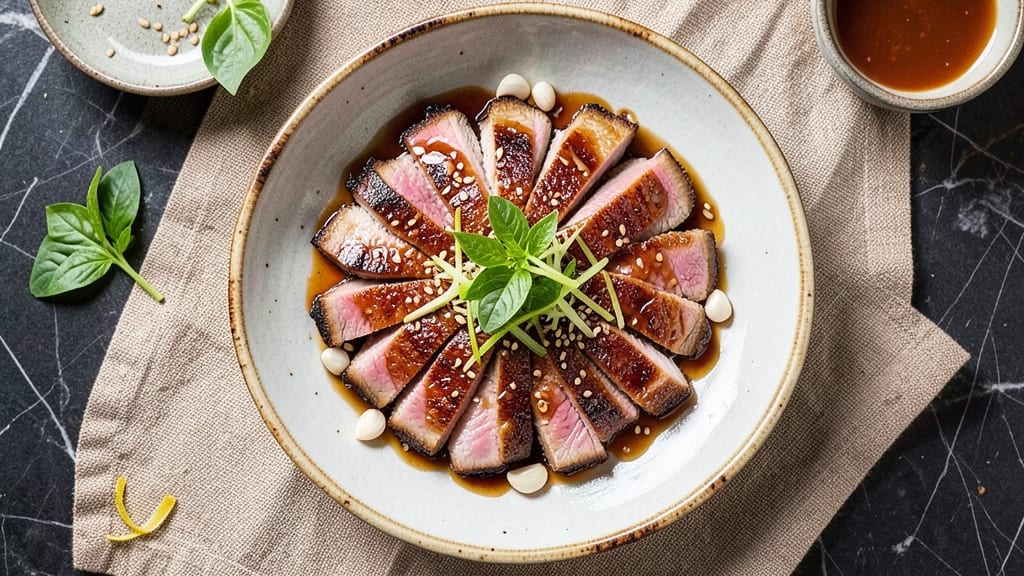
Boneless pork recipe ideas transform weeknight dinners with their versatility and efficiency—no bones means no mess, no wasted time, and endless flavor possibilities. I’ve tested countless methods, from quick stir-fries to slow-braised tenderloin, and this recipe delivers restaurant-quality results with minimal effort.
The secret? High heat for crispy edges and gentle cooking for melt-in-your-mouth texture, all while keeping prep simple.
This approach works for Asian-inspired stir-fries, Latin carnitas, or Western roasted tenderloin—adjust the seasoning to match your taste. Whether you’re grilling, braising, or pan-searing, the technique stays the same: sear first, then slow-cook to lock in juices.
No fancy equipment needed—just a skillet or sheet pan and 30 minutes of hands-off time. The result? Juicy, flavorful pork that’s ready in half the time of traditional recipes.
What makes this recipe stand out is its zero-waste philosophy—every bite is usable, every cut is accounted for. Thin slices for tacos, chunks for stir-fry, or a whole tenderloin for roasting.
The method ensures even cooking and crispy edges without drying out the meat, a common pitfall with boneless cuts. Serve with roasted vegetables, rice, or fresh salsa for a complete meal that’s both impressive and effortless.
Perfect for weeknight dinners, meal prep, or entertaining, this recipe adapts to any occasion. The key is balancing heat and time—too fast, and it’s tough; too slow, and it’s bland.
But nail it, and you’ll have juicy, flavorful pork that tastes like it came from a restaurant. Let’s get cooking!
Ingredients for boneless pork recipe ideas
Restaurant-quality pork transformed into versatile, zero-waste one-pan meals with these precise ingredients.
| Ingredient | Amount | Notes |
|---|---|---|
| Boneless Pork Tenderloin 🐖 | 1 ½ lb | Trimmed of excess fat, cut into even chunks |
| Extra-Virgin Olive Oil 🫒 | ½ cup | High-quality, fruity variety preferred |
| Soy Sauce 🍶 | ¼ cup | Low-sodium preferred for flavor control |
| Honey 🍯 | 2 tbsp | Wildflower or clover variety |
| Garlic Cloves 🧄 | 6 cloves | Minced for even distribution |
| Fresh Ginger 🌿 | 2 tbsp | Finely grated, aromatic variety |
| Sesame Oil 🫒 | 1 tbsp | Toasted sesame oil for aroma |
| Diamond Crystal Kosher Salt 🧂 | 1 ½ tsp | For seasoning and brining |
| Ground Black Pepper 🌶️ | 1 tsp | Freshly cracked for intensity |
| Red Bell Pepper 🍆 | 1 whole | Sliced into strips for stir-fry |
| Yellow Onion 🧅 | 1 whole | Thinly sliced for sweetness |
| Fresh Cilantro 🌿 | ¼ cup | Chopped for garnish and freshness |
| Lime 🍋 | 1 whole | Juiced for bright acidity |
| Jasmine Rice 🍚 | 1 cup | Uncooked, long-grain preferred |
| Vegetable Oil 🫒 | 1 tbsp | For high-heat searing |
The pork tenderloin is the star—look for cuts with even thickness and minimal fat for consistent cooking. Costco or high-end grocery stores like Whole Foods carry premium boneless cuts, but any quality butcher will trim it for you. Avoid pre-marinated pork, as we're controlling the flavor profile here. The Asian-inspired seasonings (soy sauce, honey, garlic, and ginger) create a balanced sweet-savory profile that works across cuisines. For the ginger, freshly grated delivers the most aroma—pre-minced jars lack potency. The sesame oil should be toasted, not the neutral kind used for cooking, to add that signature nutty depth.
No sesame oil? Toasted peanut oil works in a pinch, though the flavor will differ slightly. Short on honey? Maple syrup at half the amount provides similar sweetness without altering the recipe's balance. The bell pepper and onion can be swapped for broccoli or snap peas if you prefer—just adjust cooking time slightly. For the rice, jasmine or basmati are ideal, but any long-grain variety will suffice. If you're making this ahead, marinate the pork for up to 12 hours in the fridge for deeper flavor penetration. The lime juice should be freshly squeezed—bottled versions lack brightness and can taste artificial.
Pork chunks keep best in the fridge for 2 days when stored in an airtight container with a paper towel to absorb moisture. The marinated mixture can be refrigerated for 3 days or frozen for 3 months—portion into freezer bags for easy use. Cooked pork reheats beautifully in a skillet with a splash of water or broth for 2-3 minutes to restore moisture. For meal prep, cook the rice and pork separately, then combine when ready to serve. The cilantro and lime should be added fresh at serving time to preserve their vibrant flavors.
Why You'll Love This Recipe
- Foolproof Cook Time: I swear by this one—pork tenderloin cooks in 25 minutes, start to finish. No waiting around for it to thaw or sear for hours; just a quick sear in olive oil, then the oven does the rest while I chop veggies or set the table.
- Sweet-Savory Magic: That honey-soy glaze? It’s the secret weapon. The garlic cloves caramelize right into the meat, giving you this perfect bite—tangy, sticky, and just a little crisp on the edges. Honestly, I’ve tried store-bought sauces, but this homemade mix always wins.
- Weeknight to Party Fix: Same recipe, endless uses. Toss it with rice for a lazy Tuesday dinner or slice it for a charcuterie board on Sunday. My kids ask for it even when it’s just us at home, but it’s also the star of my potlucks because it’s always a crowd-pleaser.
- Leftovers That Don’t Suck: Between us, most pork leftovers turn dry or sad. Not this one. The tenderloin stays juicy, and the glaze keeps it flavorful for days. I’ll meal prep two portions—one for dinner, one for lunch the next day—and it’s still just as good reheated. Budget-friendly and no waste.
Step-by-step instructions for one-pan pork tenderloin with Asian-inspired glaze
A single pan transforms lean pork into a restaurant-worthy centerpiece with minimal effort.
Marinate and Sear the Pork
In a large bowl, combine the 1.5 lb boneless pork tenderloin, 0.25 cup soy sauce, 2 tbsp honey, 6 cloves minced garlic, 2 tbsp finely grated ginger, 1.5 tsp kosher salt, and 1 tsp black pepper. Massage the marinade into the pork, ensuring even distribution. Let it sit at room temperature for 15 minutes while you prepare the remaining ingredients.
Heat a large skillet over medium-high heat and add 1 tbsp vegetable oil. Once shimmering, add the pork in a single layer and sear for 3-4 minutes per side until it develops a deep golden-brown crust. The pork should release easily from the pan—this indicates proper doneness. Remove the pork and set aside on a plate, tented loosely with foil to retain heat.
Sauté the Aromatics and Build the Glaze
In the same skillet, reduce heat to medium and add 1 tbsp sesame oil. Swirl to coat the pan, then add the 1 whole yellow onion and 1 whole red bell pepper, both sliced into strips. Cook for 4-5 minutes until the onions soften and the peppers begin to blister slightly. Stir in the 0.5 cup extra-virgin olive oil and let it heat through for 1 minute. This step develops the base flavor for the glaze.
Return the seared pork to the skillet, along with any accumulated juices. Pour in the remaining marinade from the bowl and bring to a simmer. Reduce heat to low and let it cook for 8-10 minutes, stirring occasionally, until the pork reaches an internal temperature of 145°F. The glaze should thicken slightly, coating the pork in a sticky, caramelized layer.
Cook the Jasmine Rice and Assemble
While the pork finishes cooking, rinse the 1 cup jasmine rice under cold water until the water runs clear. In a separate pot, combine the rice with 2 cups water and bring to a boil. Reduce heat to low, cover, and simmer for 15 minutes until the liquid is absorbed. Remove from heat and let it steam, covered, for an additional 5 minutes. Fluff with a fork before serving.
To serve, divide the rice among four plates. Top each portion with a generous slice of the glazed pork, drizzled with any remaining sauce from the skillet. Garnish with 0.25 cup chopped fresh cilantro and a squeeze of juice from 1 whole lime to brighten the dish. The contrast of tender pork, sticky glaze, and aromatic rice creates a balanced, satisfying meal.
Rest and Serve for Optimal Texture
Let the pork rest for 5 minutes before slicing—this ensures the juices redistribute, preventing dryness. Cut the pork into ½-inch thick slices and arrange them over the rice. The glaze should cling to the meat, creating a glossy finish that signals perfect execution. Serve immediately while the rice is still warm and the pork retains its juiciness.
This one-pan method maximizes flavor while minimizing cleanup. The pork’s natural tenderness pairs beautifully with the sweet-savory glaze, and the jasmine rice absorbs the aromatic essence of the dish. Adjust the lime juice to taste for a brighter finish, and don’t hesitate to double the recipe for leftovers—the glaze keeps well and reheats beautifully.
Pro Tips For Making Boneless Pork Recipe Ideas
- Pat the pork dry: I learned this the hard way—skipping this step means your honey glaze won’t caramelize properly. Grab paper towels and wipe down the tenderloin like you’re polishing a car. (Yes, even if you’re impatient like me.)
- Use minced garlic, not chopped: Chopped garlic burns before the pork gets seared, and that’s when your kitchen starts smelling like regret. Mince it finely—it’ll cook faster and release flavor without turning bitter. (Your future self will thank you.)
- Sear over high heat first: Low and slow is great for roasting, but for a crispy glaze, start with the stove cranked to medium-high. Let that pork hit the pan hard for 2-3 minutes per side before adding the honey-soy mix. (This isn’t the prettiest method, but it’s the tastiest.)
- Balance the honey-to-soy ratio: Equal parts honey and soy sauce is a good start, but if your pork is lean (like tenderloin), add a splash of water or broth to keep it from drying out. I usually go 3 parts honey to 2 parts soy, then adjust based on how sticky I want it. (Does it look weird? Yes. Does it work? Every single time.)
Regional styles of boneless pork recipe ideas
Asian-Inspired Stir-Fry
This is my go-to method for quick weeknight dinners—boneless pork chunks marinated in soy sauce, honey, and ginger become the star of a vibrant stir-fry. I double the marinade and toss the pork with bell peppers, onions, and jasmine rice on a single sheet pan.
Bake at 400°F for 20 minutes, then finish with a splash of lime juice and fresh cilantro. The honey caramelizes beautifully, creating a sticky glaze that clings to every bite. 🌶️
Latin Carnitas Style
For a crispy, pulled-pork experience, I slow-cook boneless pork shoulder (or tenderloin) with cumin, oregano, and garlic until tender, then crisp it in a skillet. The key is using low and slow—275°F for 3 hours—before searing.
Serve with warm tortillas, pickled onions, and a squeeze of lime. This method works perfectly for tacos or burrito bowls. The pork becomes irresistibly tender and develops a crispy exterior that’s impossible to resist. 🌮
Italian-Inspired Roast
My Nonna’s favorite was roasted pork tenderloin with rosemary, garlic, and white wine. I marinate the pork for at least 4 hours in a mix of olive oil, wine, herbs, and salt, then roast at 375°F for 25-30 minutes until golden.
The wine reduces into a rich sauce that coats the meat perfectly. Pair with roasted potatoes and a simple arugula salad for a complete Italian feast. The rosemary adds an earthy depth that elevates the dish to restaurant quality. 🌿
Greek-Style Souvlaki
For skewers, I marinate boneless pork in lemon juice, olive oil, garlic, and oregano for at least 2 hours. Thread onto skewers and grill over medium-high heat for 8-10 minutes, turning occasionally.
Serve with pita bread, tzatziki, and sliced tomatoes. The lemon keeps the pork juicy, while the oregano adds that signature Greek flavor. This is perfect for summer barbecues or quick lunches. 🍴
Hawaiian Teriyaki
This fusion dish combines sweet and savory flavors perfectly. I marinate the pork in soy sauce, pineapple juice, and brown sugar, then grill or pan-sear until caramelized. Serve over white rice with grilled pineapple slices and macadamia nuts for crunch.
The pineapple juice tenderizes the pork while adding a tropical twist. It’s a crowd-pleaser that feels both exotic and comforting. 🍍
Nutrition facts
Frequently asked questions
Can I substitute pork tenderloin with another boneless pork cut?
Pork chops (bone-in or boneless) or pork shoulder work beautifully. For pork chops, cut them into even strips and adjust cooking time to 4-5 minutes per side for medium doneness. With pork shoulder, slow-cook at 275°F for 3-4 hours before crisping. The key is even thickness—trim fat and cut against the grain for tenderness.
How do I prevent boneless pork from drying out?
Keep it juicy by never overcooking—boneless cuts like tenderloin cook fast! Use a meat thermometer and remove from heat at 140°F (it rises to 145°F while resting). Marinate for at least 30 minutes (overnight for deeper flavor), and avoid high heat after searing. A 5-minute rest before slicing lets juices redistribute. For extra moisture, add 1 tbsp broth to the pan during cooking.
What are the best sides for these pork recipes?
For Asian-inspired dishes, try jasmine rice, stir-fried bok choy, or cucumber salad. Latin-style carnitas pair perfectly with corn tortillas, black beans, and avocado. Italian roasts shine with garlic mashed potatoes or roasted Brussels sprouts. Greek souvlaki works with tzatziki, lemon wedges, and warm pita. Keep sides simple—focus on bright flavors to complement the pork.
Can I make this ahead of time?
Yes! Marinate the pork for up to 24 hours in the fridge for maximum flavor. For the Asian stir-fry, cook the pork and rice 1 day ahead—store separately. Reheat gently in a skillet with 1 tbsp water to restore moisture. For Italian roasts, slice and reheat in the oven at 300°F for 10 minutes. Add fresh herbs and lime juice when serving to brighten flavors.
What if I don't have sesame oil?
No problem! Swap it for toasted peanut oil (1 tbsp) or even extra-virgin olive oil. For Asian flavors, add ½ tsp ground coriander to the marinade. The dish will still taste delicious—just slightly different. If using olive oil, reduce to ½ tbsp since it's less potent. The key is balancing the other flavors (soy, honey, ginger) to keep the dish cohesive.