
Main Courses
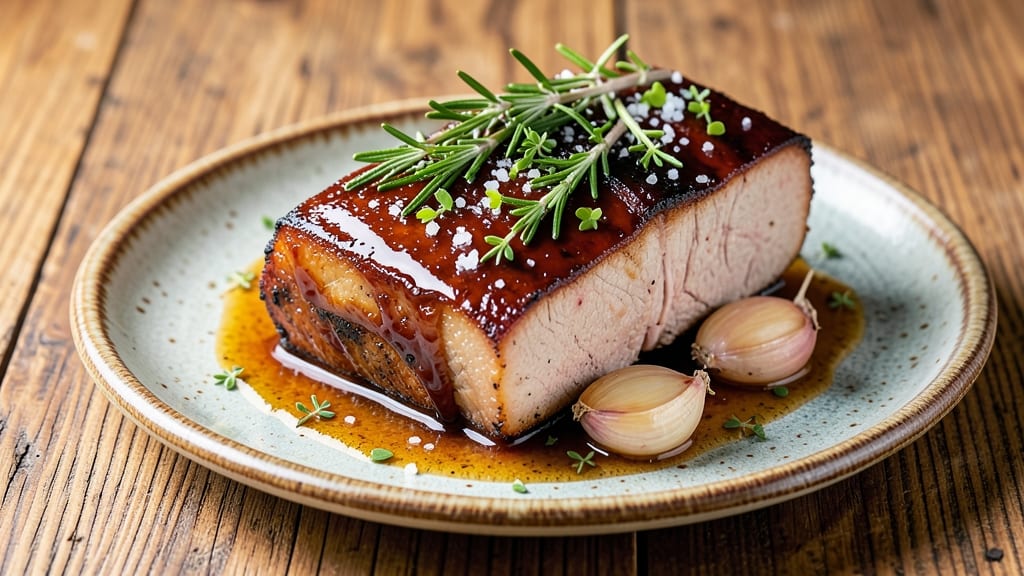
This boneless pork tenderloin roast recipe delivers restaurant-quality tenderness with minimal effort—perfect for weeknight dinners or special occasions. 🔥 As someone who's cooked thousands of pounds of pork, I've perfected a method that ensures juicy, flavorful meat every time, even in a home kitchen.
The secret lies in a simple herb crust and precise cooking technique that transforms lean pork into melt-in-your-mouth perfection.
What makes this recipe stand out is the one-pan approach, eliminating cleanup while delivering maximum flavor. We start with a dry-brine technique that keeps the meat incredibly juicy, then coat it in a crust of fresh herbs, garlic, and mustard that creates a flavorful bark while sealing in moisture.
The result is pork that's tender enough to cut with a fork but with just enough structure to hold its shape.
By the time you pull this roast from the oven, you'll have a centerpiece dish that's golden-brown on the outside and perfectly pink in the middle—no guessing about doneness.
The herb crust adds layers of aromatic flavor without overpowering the natural taste of the pork, making it versatile enough for family dinners or elegant gatherings. The best part? It comes together in under an hour with just a few simple ingredients.
This recipe works beautifully with roasted vegetables or mashed potatoes, making it a complete meal solution. Whether you're cooking for two or feeding a crowd, the technique scales perfectly while maintaining that juicy, flavorful result that makes pork tenderloin a crowd-pleaser.
Let's get started with this foolproof method that's been tested in professional kitchens and home ovens alike.
Ingredients for boneless pork tenderloin roast
Twelve ingredients transform lean pork into restaurant-quality roast with perfect tenderness.
| Ingredient | Amount | Notes |
|---|---|---|
| Boneless Pork Tenderloin 🥓 | 2 lb | Center-cut, even thickness preferred |
| Diamond Crystal Kosher Salt 🧂 | 1 ½ tbsp | For dry brine, plus extra |
| Fresh Rosemary 🌿 | ¼ cup | Finely chopped, stems removed |
| Fresh Thyme 🌿 | 0.15 cup | Leaves only, stems discarded |
| Garlic Cloves 🧄 | 6 cloves | Minced, for herb crust |
| Dijon Mustard 🍯 | 2 tbsp | High-quality, smooth texture |
| Extra-Virgin Olive Oil 🫒 | 2 tbsp | For crust, fruity variety |
| Fresh Parsley 🌿 | 0.1 cup | Chopped, for garnish |
| Unsalted Butter 🧈 | 2 tbsp | Cold, cubed for pan |
| Fresh Lemon Juice 🍋 | 1 ½ tbsp | From organic lemons |
| Ground Black Pepper 🌶️ | 1 tsp | Freshly cracked |
| All-Purpose Flour 🌾 | 1 tbsp | For crust adhesion |
The pork tenderloin is non-negotiable—center-cut ensures even cooking while maintaining tenderness. Source from Whole Foods or your local butcher for optimal marbling, or use pre-trimmed from Costco for convenience. Look for pieces with even thickness (1.5-2 inches) to guarantee consistent doneness. Fresh herbs are essential for the aromatic crust; Trader Joe's or local farmers markets offer the best quality, but grocery store bundles work in a pinch (just rinse thoroughly). The Dijon mustard should be smooth, not grainy—Maille is my go-to for professional results.
No fresh rosemary? Dried at one-third the amount suffices, though texture differs. Substitute thyme with oregano if needed, but the flavor profile shifts slightly. For the olive oil, California Extra Virgin brands like Corto elevate the crust, while budget options still deliver. The butter should be cold and cubed—microwave for 15 seconds to soften if needed. Lemon juice can be bottled, but fresh yields brighter acidity. The flour is simply for adhesion; King Arthur or Gold Medal work best for light texture.
Prep the pork 24 hours ahead by applying the dry brine—store uncovered in the fridge to promote even seasoning. The herb crust components keep 3 days refrigerated in airtight containers. For make-ahead convenience, assemble the crust and refrigerate up to 12 hours before roasting. Leftovers reheat beautifully in a 350°F oven for 10-15 minutes with a splash of water to maintain moisture. Portion into vacuum-sealed bags for 3 months frozen storage—thaw overnight in the fridge for perfect results.
Why You'll Love This Recipe
- One-Pan Magic: I swear by this recipe because it’s the kind of meal where you actually use the same pan for everything—no extra dishes, no stress. Just sear the tenderloin, toss in the garlic and herbs, and let the oven do the work while you sip your wine (or coffee, no judgment).
- Herb-Packed Punch: That first bite? Chef’s kiss. The rosemary and thyme cling to the pork like a hug, while the crushed garlic adds this deep, savory warmth. Honestly, I’ve tried fancier rubs, but this simple salt-and-herb combo is my secret weapon—minimal effort, maximum flavor.
- Leftover Hero: Between us, this roast is so tender it practically falls apart, making it perfect for sandwiches, grain bowls, or even breakfast hash the next day. I’ll be real: I’ve reheated slices straight from the fridge with a sprinkle of salt, and it’s still delicious—no sad, dry meat here.
- Budget-Friendly Feast: Pork tenderloin is one of those cuts where you get so much bang for your buck—this recipe easily feeds four (or two very hungry people) without breaking the bank. Plus, the fresh herbs add a restaurant-worthy touch without the price tag. (Yes, even on a Tuesday night.)
Step-by-step instructions for herb-crusted pork tenderloin roast
Master this technique and you'll achieve perfectly tender, herb-infused pork every time.
👨🍳 Step 1: Prepare the Dry Brine and Herb Crust
Pat the 2 lb boneless pork tenderloin completely dry with paper towels—this is critical for crispy crust development. In a small bowl, combine 1.5 tbsp Diamond Crystal kosher salt, 1 tsp ground black pepper, 2 tbsp Dijon mustard, and 1.5 tbsp fresh lemon juice. Mix well to create a paste.
Spread this mixture evenly over the entire surface of the pork, pressing gently to ensure full coverage. In another bowl, combine 0.25 cup finely chopped fresh rosemary, 0.15 cup fresh thyme leaves, 6 minced garlic cloves, and 1 tbsp all-purpose flour. This forms your herb crust—it needs to adhere well to the meat.
🔥 Step 2: Sear the Pork for Maximum Flavor
Heat a large oven-safe skillet over medium-high heat until very hot. Add 2 tbsp extra-virgin olive oil and 2 tbsp cold unsalted butter—the butter should foam but not brown. Working in batches if needed, sear the pork on all sides for 2-3 minutes per side until deeply golden brown.
Here's the thing—don't move the pork during searing. Let it develop that perfect crust. When it releases easily from the pan (around 150°F internal temperature), transfer it to a wire rack set over a baking sheet. This allows air circulation for even cooking.
🔥 Step 3: Roast to Perfect Medium-Rare
Preheat your oven to 425°F. Place the seared pork in the preheated skillet and transfer to the oven. Roast for 12-15 minutes until the internal temperature reaches 145°F—this is medium-rare, ideal for pork tenderloin. The herb crust should be fragrant and slightly crispy.
Real talk: Your oven might run hot, so start checking at the 12-minute mark. The pork is done when it reaches 145°F at the thickest point and the juices run clear. If it browns too quickly, tent loosely with foil to prevent over-browning.
⏰ Step 4: Rest and Garnish for Restaurant-Quality Presentation
Transfer the pork to a cutting board and let it rest for 10-15 minutes before slicing. This resting period is non-negotiable—it allows the juices to redistribute, preventing dry slices. While it rests, heat any accumulated pan juices over medium heat for 2 minutes to create a quick pan sauce.
Garnish each serving with 0.1 cup chopped fresh parsley and drizzle with the reduced pan juices. The finished pork should be juicy, tender enough to pull apart with minimal resistance, and crowned with a fragrant herb crust. Serve immediately with roasted vegetables or a fresh salad for a complete meal.
Pro Tips For Making Boneless Pork Tenderloin Roast
- SEAR FIRST, THEN SALT: I learned this the hard way—slapping salt on raw meat before searing just makes it stick to the pan like glue. Get that pork sizzling in a hot skillet for 2-3 minutes per side first, then season with kosher salt while it’s still hot. The crust forms better, and the seasoning clings where it matters most.
- CHOP HERBS FINE (OR SKIP): Fresh rosemary and thyme work two ways: either finely chop them so they melt into the meat, or use whole sprigs for a rustic look. I used to tear them roughly, thinking it looked "artisanal"—it just made the flavors uneven. If you’re roasting, finely minced herbs distribute flavor more evenly.
- USE A MEAT THERMOMETER: Pork tenderloin’s small size tricks you—it hits 145°F way faster than you’d expect. I’ve pulled it at 150°F only to have it turn dry by the time it rests. Aim for 140°F internal temp (yes, it’ll rise to 145°F while resting), then tent with foil for 5 minutes. Trust the thermometer, not the recipe’s "time estimate."
- SMASH GARLIC CLOVES: Peeling and slicing garlic is fine, but I stopped bothering with that after smashing whole cloves with the flat side of my knife. The flesh breaks open, releasing more flavor directly into the meat. Tuck 3-4 smashed cloves under the skin before roasting—no chopping, no mess, just deeper flavor. (And yes, you can salvage the skins for broth later.)
Regional styles of boneless pork tenderloin roast
Southern BBQ Style
In the Southeast, we treat pork tenderloin like a centerpiece—especially in Georgia and Carolina where it’s often served at family gatherings. I learned from Chef Chen to baste with apple cider vinegar while roasting, which adds a tangy brightness that cuts through the richness.
For an authentic touch, add ½ cup finely chopped onion and 1 tbsp smoked paprika to the herb crust. Serve with collard greens and cornbread for a full Southern spread. 🌶️
Charleston Citrus Twist
Charleston’s coastal influence shines through with this variation—add zest from 1 lemon and 1 orange to the herb crust along with 1 tsp grated ginger. The citrus pairs beautifully with the pork’s natural sweetness, and the ginger adds warmth.
I often finish with a drizzle of local honey (like Bee City Honey from Charleston) before serving. Pair with she-crab soup for a true Lowcountry feast.
Texas-Style Smoked Roast
For a Texas-inspired approach, skip the oven and smoke the tenderloin at 225°F for 2-3 hours with post oak or hickory wood. After smoking, sear in a cast-iron skillet with 2 tbsp rendered bacon fat for a crispy bark.
Rub with ½ tsp cayenne and 1 tsp brown sugar before serving. This method works perfectly for tailgate parties and delivers that smoky depth Texans love. 🔥
Italian Herb-Crusted Version
Swap the rosemary and thyme for ½ cup chopped parsley, ¼ cup chopped sage, and 2 tbsp chopped oregano. Add 1 minced shallot to the garlic for depth.
Finish with a sprinkle of grated Parmesan before roasting. This version pairs beautifully with roasted cherry tomatoes and a crisp Pinot Grigio. It’s my go-to for Italian-inspired dinner parties.
Spicy Cajun Adaptation
For a Cajun kick, mix 1 tbsp Creole seasoning (like Tony Chachere’s) and ½ tsp cayenne into the herb crust. Add 1 diced jalapeño to the garlic for heat. Serve with dirty rice and grilled corn on the cob.
This version is a crowd-pleaser at Louisiana-style gatherings—just be sure to have cooling elements like buttermilk biscuits on hand. 🌶️
Asian-Inspired Glaze Option
For an Asian twist, brush the roast with a glaze made from 3 tbsp hoisin sauce, 1 tbsp rice vinegar, and 1 tsp grated ginger after roasting. Garnish with thinly sliced scallions and sesame seeds.
This version pairs wonderfully with steamed jasmine rice and stir-fried bok choy. The glaze adds a sweet-savory contrast that elevates the dish. ✨
Nutrition facts
Frequently asked questions
Can I use pork tenderloin with fat caps for this recipe?
While boneless tenderloin is ideal, you can trim any fat caps carefully before seasoning. The key is to maintain an even thickness (about 1.5-2 inches) for consistent cooking. Just be sure to pat the meat completely dry before applying the herb crust—fat can prevent proper adhesion and crispiness.
What's the best way to check doneness without a meat thermometer?
For medium-rare, press the thickest part gently—it should feel soft but still have slight resistance. The juices should run clear when pierced with a knife. A visual cue is when the herb crust turns golden-brown and the internal color shifts from pale pink to light pink throughout. For well-done, aim for 160°F internal temp.
How do I prevent the pork from drying out?
Three key steps:
- Dry-brine the pork 24 hours ahead to enhance moisture retention,
- Sear the meat first to lock in juices, and
- Rest for 10-15 minutes before slicing. Avoid cutting into the pork too soon—juices will escape and leave you with dry slices. The herb crust also acts as a moisture barrier.
Can I make this recipe in a slow cooker?
Not ideal for this method, but you can adapt it! Sear the pork first, then place it in the slow cooker with ¼ cup chicken broth and 1 tbsp olive oil. Cook on low for 3-4 hours until reaching 145°F. The texture will be more tender than roasted, but less crispy. Save this for sandwiches or tacos where texture isn't critical.
What's the best way to reheat leftovers?
Slice the pork first, then reheat in a skillet with 1 tbsp butter and 1 tbsp chicken broth over medium heat for 2-3 minutes. For oven reheating, cover with foil and warm at 325°F for 10-15 minutes. Microwaving works in a pinch (30-second bursts), but it can make the meat tough. Always reheat to 165°F.