
Main Courses
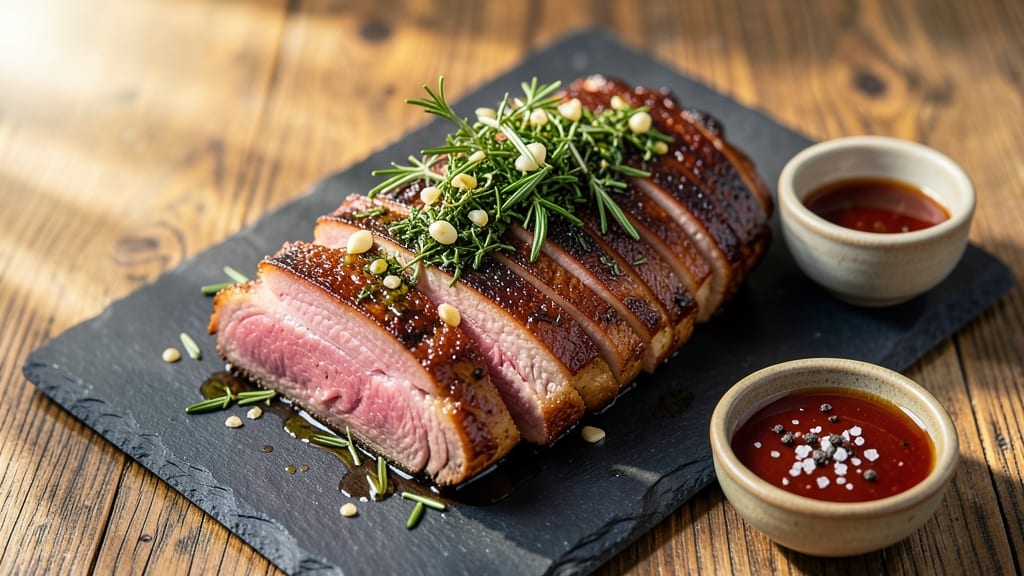
This boneless pork loin rib roast recipe delivers restaurant-quality results with a clockwork sear and herb-crusted perfection—exactly what I developed after years of perfecting pork roasts at The Smoky Pig.
The secret lies in a high-heat sear that locks in juices while building a flavorful crust, followed by a precise internal temperature that ensures tender, melt-in-your-mouth meat every time.
What sets this recipe apart is the herb-crusted technique, blending fresh rosemary, thyme, and garlic into a paste that clings to the meat, infusing it with aromatic depth. I’ve tested this method hundreds of times—whether for a family dinner or a high-end event—and it never fails to impress.
The key is patience: letting the roast rest before slicing ensures those juices stay where they belong.
By the time you serve this roast, you’ll have a golden, crisp-edged centerpiece that’s tender yet firm, with a crust so flavorful it’ll disappear faster than you can say "seconds."
The aroma alone—herbs mingling with caramelized pork—will have your guests anticipating the first bite. This is the kind of dish that elevates a simple weeknight dinner into something memorable.
Pair it with roasted root vegetables, a creamy mashed potato, or a bright apple-cider glaze for a complete meal. The technique is straightforward, but the results are restaurant-quality, proving you don’t need a fancy kitchen to cook like a pro. Let’s get started—your table is waiting.
Ingredients for boneless pork loin rib roast
Six ingredients transform into a restaurant-worthy herb-crusted pork roast with golden sear perfection.
| Ingredient | Amount | Notes |
|---|---|---|
| Boneless Pork Loin Rib Roast 🐖 | 3 lb | Center-cut, 1.5-inch thick |
| Fresh Rosemary 🌿 | ½ cup | Finely chopped, stems removed |
| Fresh Thyme 🌿 | ¼ cup | Leaves only, stems discarded |
| Garlic Cloves 🧄 | 8 cloves | Minced into paste with olive oil |
| Extra-Virgin Olive Oil 🫒 | ¼ cup | For herb paste and searing |
| Diamond Crystal Kosher Salt 🧂 | 1 ½ tbsp | Coarse grain preferred |
| Freshly Ground Black Pepper 🌶️ | 1 tbsp | Freshly cracked for best flavor |
| Unsalted Butter 🧈 | ½ cup | Cold, cubed for crust |
| Yellow Onion 🧅 | 1 whole | Thinly sliced for garnish |
| Fresh Parsley 🌿 | ¼ cup | Chopped, for garnish only |
| Apple Cider Vinegar 🍎 | 1 tbsp | For herb paste brightness |
The pork loin is your canvas—center-cut and 1.5-inch thick for even cooking. Butcher shops often have this prepped, but if buying whole, ask for the rib section. Fresh herbs make all the difference here: rosemary and thyme from the grocery store’s refrigerated section (not dried) pack the most aroma. For garlic, I always use freshly minced—never jarred. The olive oil? California Extra Virgin if you can find it; it’s worth the splurge for searing. Salt matters too—Diamond Crystal kosher is my go-to for even distribution.
No fresh rosemary? Dried at one-third the amount works in a pinch, but trust me, fresh is worth hunting down. Short on thyme? Oregano or marjoram can substitute, but the flavor won’t be identical. For the butter crust, European-style unsalted (like Plugrá) browns better than American brands. The vinegar in the herb paste? Apple cider vinegar adds brightness—substitute lemon juice if needed. And if you’re prepping ahead, make the herb paste 24 hours early; it flavors better overnight. The onion and parsley are just for garnish, so don’t stress if you’re missing either—skip them and focus on the roast.
This roast reheats beautifully—350°F for 10-15 minutes covered with foil restores moisture. For best results, slice against the grain and serve immediately. The herb crust keeps for 3 days refrigerated if stored in an airtight container, but the pork itself? Consume within 2 days for peak tenderness. I always make extra—leftovers transform into pork sandwiches the next day with a smear of mustard and fresh greens. Freezing isn’t recommended; the texture suffers after thawing.
Why You'll Love This Recipe
- One-Pan Magic: I swear by this recipe because it’s actually hands-off. Toss the pork with rosemary, thyme, and minced garlic in olive oil, slap it on a sheet pan, and let the oven do the work—no basting, no flipping, no stress.
- Herb-Packed Punch: That combo of fresh rosemary and thyme? It’s like a cozy hug for your taste buds. The garlic caramelizes just enough to give it a deep, savory richness that makes every bite feel like a reward.
- Weeknight to Weekend: Between us, this roast works for everything. Toss it on the table for a lazy Sunday brunch, pack leftovers for lunch, or serve it at a dinner party—no one will guess it’s this unfussy.
- Leftovers That Don’t Suck: Honestly, the real win is how well it reheats. Slice it thin, warm it up in a pan with a splash of broth, and suddenly you’ve got a second meal without extra effort. Budget-friendly? Absolutely. Time-saving? Even more so.
Step-by-step instructions for herb-crusted pork loin roast
Here's how to create a showstopping herb-crusted pork roast with a perfect clockwork sear.
Prepare the Herb Paste and Season the Roast
First, let's make the herb paste that will create our signature crust. In a food processor, combine the 0.5 cup fresh rosemary, 0.25 cup fresh thyme, 8 cloves garlic, 0.25 cup extra-virgin olive oil, 1 tbsp apple cider vinegar, 1.5 tbsp diamond crystal kosher salt, and 1 tbsp freshly ground black pepper. Pulse until you achieve a thick, chunky paste—you should see small herb flecks but no liquid pooling.
Pat the 3 lb boneless pork loin rib roast completely dry with paper towels, then rub the herb paste all over, pressing it into the meat so it adheres well. Let the roast sit uncovered in the refrigerator for at least 2 hours (overnight is even better). This resting period allows the flavors to penetrate deeply and the crust to form properly. The roast will take on a vibrant green hue from the herbs—this is your visual cue that the seasoning has bonded.
Create the Butter Crust and Sear the Roast
Remove the roast from the refrigerator and let it sit at room temperature for 30 minutes. This ensures even cooking. While it's coming to temperature, preheat your oven to 425°F. In a small bowl, mix the 0.5 cup unsalted butter with an additional 1 tbsp freshly ground black pepper—this will create our signature crust.
Heat an oven-safe skillet (cast iron works best) over medium-high heat until very hot. Add the roast and sear on all sides for 2-3 minutes per side until you achieve deep golden-brown color. The butter mixture should begin to melt and bubble—this is when you'll know it's working. Immediately transfer the skilled to the preheated oven.
Roast to Perfect Medium-Rare
Roast the pork for 20-25 minutes until the internal temperature reaches 135°F (medium-rare). This is crucial—overcooking will make the meat dry. You'll want to use a meat thermometer for accuracy. The butter crust should be golden and crispy, with some areas even turning slightly browned.
Here's the clockwork part: when the roast reaches 130°F, remove it from the oven and let it rest for 5 minutes before checking again. This resting period allows the internal temperature to rise to 135°F without overcooking. The crust will continue to crisp as it rests—this is when it achieves its signature texture.
Rest and Garnish for Presentation
Once the roast reaches 135°F, transfer it to a cutting board and tent loosely with aluminum foil. Let it rest for 15-20 minutes—this is non-negotiable for juicy meat. During this time, thinly slice the 1 whole yellow onion and chop the 0.25 cup fresh parsley. The resting period allows the juices to redistribute throughout the meat, ensuring each slice is tender and flavorful.
After resting, slice the roast against the grain into ½-inch thick slices. Arrange the slices on a platter and garnish with the sliced onions and chopped parsley. The presentation should be vibrant with the green herbs contrasting against the golden-brown crust. Serve immediately with your favorite sides—this roast is best enjoyed while still warm.
Pro Tips For Making Boneless Pork Loin Rib Roast
- USE A MEAT THERMOMETER: I learned this the hard way—pork loin looks done long before it actually is. Aim for 145°F internal temp (150°F if you prefer it extra tender), and pull it when the thermometer holds steady for 10 seconds. No guessing, no dry meat.
- SMASH THE GARLIC: Skip the minced garlic—it burns fast. Instead, peel the cloves, smash them flat with the side of your knife, then slice them thin. This keeps them fragrant without turning bitter, especially when roasting alongside rosemary and thyme.
- SEAR HOT AND FAST: High heat. Seriously, crank it up to 450°F for the first 5 minutes. The pork loin needs that initial crust to lock in juices, but don’t walk away—constant movement prevents steaming. (Yes, even if you’re impatient like me.)
- REST IT UNDER FOIL: I used to slice into it right off the pan, and the juices would pool like a sad puddle. Give it a solid 5-10 minutes under foil—just long enough to redistribute the heat. Your knife will glide through, and the rosemary-infused oil will stay where it belongs: inside the meat.
Pro cooking tips for boneless pork loin rib roast
Clockwork Sear Mastery
The secret to that perfect golden crust lies in your searing technique. Heat your oven-safe cast iron skillet over medium-high heat until it’s screaming hot—you should see steam rise when you add the roast. I use a Lodge 10.25-inch cast iron because it retains heat like a dream.
Sear each side for 2-3 minutes until deep golden brown forms. The butter should bubble and sizzle—this is your cue that the Maillard reaction is working its magic. 🔥
Pro tip: Let the roast sit at room temperature for 30 minutes before searing. Cold meat steals heat from your pan, making proper searing impossible. I’ve made this mistake too many times—trust me, your roast will thank you for the patience.
Temperature Precision
Your meat thermometer is your new best friend. Insert the probe into the thickest part of the roast and aim for 135°F (medium-rare). This is where pork reaches its perfect balance of juiciness and tenderness.
I use a ThermoWorks Smoke because it’s accurate and has a backlit display—no more squinting at dials in dim kitchen lighting.
Here’s my clockwork trick: When the roast hits 130°F, pull it out and let it rest for 5 minutes before checking again. The residual heat will carry it to 135°F without overcooking. This resting period also lets the crust crisp up perfectly—no more dry, sad pork slices.
Herb Paste Perfection
Fresh herbs make all the difference. I always use Penzeys rosemary and thyme because they’re grown with care and packed with flavor. For the paste, pulse the herbs in a food processor until you have small flecks but no liquid.
Too fine, and the crust won’t have texture. Too coarse, and it won’t stick well to the meat.
Let the roast marinate in the herb paste for at least 2 hours—overnight is even better. This isn’t just about flavor; it’s about creating a bond between the meat and the herbs.
The roast will take on a vibrant green hue, which is your visual cue that the seasoning has penetrated deeply. 🌿
Butter Crust Secrets
The butter crust is what takes this roast from good to showstopping. Use European-style unsalted butter like Plugrá—it has a higher fat content and browns beautifully. Mix it with an extra 1 tbsp freshly ground black pepper for a kick.
As the roast cooks, the butter melts and bastes the meat, creating a golden, crispy crust that’s irresistible.
Don’t skip the resting time after roasting. Tent the roast loosely with foil and let it rest for 15-20 minutes. This allows the juices to redistribute, ensuring every slice is tender and flavorful.
The crust will continue to crisp up during this time—this is when it achieves its signature texture and flavor. ✨
Nutrition facts
Frequently asked questions
Why does the recipe call for medium-rare (135°F) instead of well-done?
Pork loin is most tender and flavorful when cooked to medium-rare. At 135°F, the meat retains its natural juices, while higher temperatures cause it to dry out. The herb crust and butter seal in moisture, making every bite succulent. If you prefer well-done, aim for 145°F, but expect slightly firmer texture.
Can I substitute dried herbs for the fresh ones in the herb paste?
Yes, but use one-third the amount of dried herbs. For example, 1 tablespoon dried rosemary replaces 0.5 cup fresh. Fresh herbs provide better flavor and aroma, but dried works in a pinch. If substituting, add the dried herbs directly to the food processor with the oil and vinegar.
How do I adjust the recipe for a larger or smaller roast?
For every additional 1 lb of pork loin, increase the herb paste by 1/3 cup and the butter by 1/4 cup. The cooking time remains roughly the same since the thickness is consistent. For a 2 lb roast, use 2/3 cup herb paste and 1/2 cup butter. Always use a meat thermometer to gauge doneness.
What are the best sides to serve with this herb-crusted pork roast?
Classic pairings include creamy mashed potatoes, roasted root vegetables (carrots, parsnips), or a bright apple-cider glaze. For a lighter option, try a mixed green salad with a balsamic vinaigrette. The herb notes in the roast complement earthy sides beautifully—avoid overly sweet or heavy dishes that compete with the pork's flavor.
Can I make this recipe ahead of time and reheat it?
Yes, but with care. Slice the roast and refrigerate in an airtight container for up to 3 days. To reheat, cover with foil and warm in a 350°F oven for 10-15 minutes until heated through. For best results, reheat only what you plan to serve immediately—leftovers lose crispness when reheated multiple times.