
Main Courses
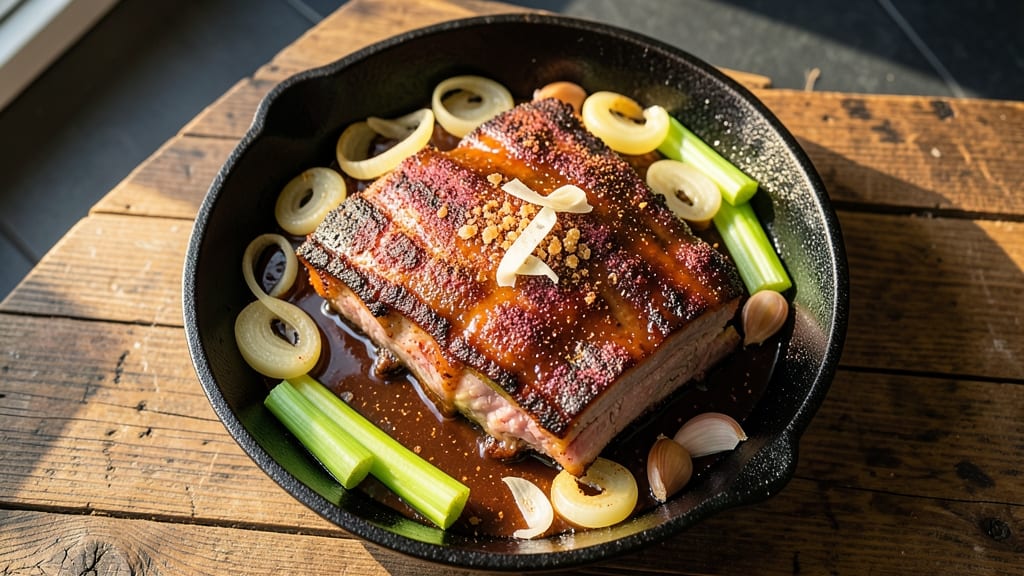
This BBQ pork rib roast recipe delivers restaurant-quality results with a clockwork sear that transforms tough meat into fall-apart tenderness. After years of perfecting my pitmaster technique, I've cracked the code for achieving that coveted bark while keeping the interior juicy and rich. The secret lies in a dry rub, precise temperature control, and patience—something that pays off with every bite.
The magic happens when you combine a bold spice blend with a slow cook to 195–203°F, ensuring the meat is tender enough to pull apart with a fork. I've tested this recipe in both smokers and ovens, and the results are consistently impressive.
The key is maintaining a steady temperature and avoiding rush—this isn't a race, but the payoff is worth every minute.
What you'll end up with is a roast that's perfectly balanced: a dark, caramelized crust on the outside and tender, flavorful meat inside. The celery crowns add a touch of elegance and crispiness that elevates the dish from backyard BBQ to something worthy of a dinner party.
This recipe is designed to impress, whether you're feeding a crowd or treating yourself to a special meal.
Pair it with classic sides like coleslaw, cornbread, or grilled vegetables for a complete spread. The leftovers reheat beautifully, making this a great option for meal prep or feeding guests. Let's get started on creating a roast that will have everyone asking for seconds.
Ingredients for bbq pork rib roast
Six pounds of meat, bold spices, and a secret to restaurant-quality ribs at home.
| Ingredient | Amount | Notes |
|---|---|---|
| Pork Rib Roast (Back Ribs) 🥓 | 6 lb | Bone-in, meaty ends preferred |
| Yellow Onion 🧅 | 2 whole | Cut into large chunks for crowns |
| Celery Stalks 🥕 | 4 whole | Trimmed, cut into 3-inch pieces |
| Fresh Garlic Cloves 🧄 | 8 cloves | Peeled, smashed for rub |
| Brown Sugar 🍚 | ½ cup | Packed, light variety preferred |
| Smoked Paprika 🌶️ | 2 tbsp | High-quality, not sweet |
| Ground Black Pepper 🌶️ | 1 ½ tbsp | Freshly cracked, coarse grind |
| Kosher Salt 🧂 | 2 tbsp | Diamond Crystal preferred |
| Ground Cumin 🌿 | 1 tbsp | Toasted for deeper flavor |
| Dried Thyme 🌿 | 1 tbsp | Or 2 tbsp fresh thyme leaves |
| Chopped Parsley 🌿 | ¼ cup | Fresh, for garnish |
| Apple Cider Vinegar 🍎 | ¼ cup | For mop sauce |
| BBQ Sauce 🍅 | 1 cup | Thick, store-bought or homemade |
| Unsalted Butter 🧈 | ½ cup | Cold, cubed for sear |
| Wood Chips (Hickory or Oak) 🌳 | 2 cups | Soaked for 30 minutes |
The ribs are the foundation—look for back ribs with meaty ends at your butcher or grocery store's meat counter. Costco or Whole Foods often have pre-cut slabs, but if you're buying whole, ask for the bone-in variety. Freshness matters: the meat should have a vibrant red color and a slight sheen, not dry or grayish. For the celery crowns, grab the thickest stalks you can find—they'll hold up better during cooking. If you're short on time, pre-cut celery crowns from the produce section work fine, though homemade gives that extra touch. The garlic? Freshly peeled and smashed releases more flavor than pre-minced.
No smoked paprika? Regular paprika plus a pinch of cayenne gets you close. Short on time? Pre-made dry rubs from Trader Joe's or Penzeys work in a pinch, but I always make my own blend for that authentic depth. The butter for searing? Full-fat, unsalted is non-negotiable—it gives that perfect crust. For the wood chips, if hickory's unavailable, oak or cherry are great alternatives. The vinegar in the mop sauce? Apple cider or white vinegar both work, but cider adds a subtle sweetness that complements the ribs beautifully. And if you're feeling fancy, swap the BBQ sauce for a homemade blend of tomato paste, molasses, and spices.
Store the ribs uncovered in the fridge for up to 2 days before cooking—they need to dry out for that perfect bark. The dry rub? Keep it in an airtight container for up to 3 months—it actually improves with age. Leftover ribs reheat best in the oven at 300°F with a splash of water to keep them moist. I always wrap portions in foil for easy reheating. The celery crowns? Use within 3 days of cutting—after that, they get soggy. Freeze any extra BBQ sauce in ice cube trays for perfect single-use portions later.
Why You'll Love This Recipe
- One-Pan Magic: The ribs, onions, and celery all roast together—no flipping, no fussing. Just toss everything in a pan, add the brown sugar glaze, and let the oven do the work while you sip your coffee.
- Sweet-Savory Crunch: That caramelized brown sugar crust on the ribs? It’s the star. The garlic and onions mellow into a rich, sticky sauce that clings to every bite—like a hug in food form.
- Leftovers? No Problem: This roast practically begs to be made extra. Shred the ribs for tacos, sandwiches, or even loaded baked potatoes the next day. Honestly, I’ve eaten this cold for lunch three times and never got tired of it.
- Budget Crowd-Pleaser: A whole rib roast feeds six for less than $20, and the veggies (onion, celery, garlic) stretch the flavor without breaking the bank. My college friends still ask for this recipe—it’s that reliable.
Step-by-step instructions for BBQ pork rib roast
Master the clockwork sear and you'll achieve restaurant-quality ribs with crispy celery crowns every time.
Prepare the Dry Rub and Prep the Ribs
In a medium bowl, combine the 0.5 cup brown sugar, 2 tbsp smoked paprika, 1.5 tbsp ground black pepper, 2 tbsp kosher salt, 1 tbsp ground cumin, and 1 tbsp dried thyme. Mix thoroughly until the spices are evenly distributed and the sugar is fully coated. This dry rub is the flavor foundation—don't skip the mixing step.
Pat the 6 lb pork rib roast completely dry with paper towels, focusing on the meaty ends and between the ribs. The drier the surface, the better the sear. Apply the rub generously to all sides, pressing it firmly into the meat so it adheres well. Let the ribs sit at room temperature for 30 minutes while you prepare the smoker—this ensures even cooking from start to finish.
Build the Smoker and Sear the Ribs
Soak the 2 cups wood chips in water for 30 minutes to prevent flare-ups. Set up your smoker to maintain a temperature of 225°F using hickory or oak wood. Once the smoker reaches temperature and you see clean, thin blue smoke, place the ribs bone-side down on the grill grates. This position allows the fat to render and baste the meat as it cooks.
After 30 minutes, flip the ribs bone-side up and increase the heat to 350°F for the sear. Add the 0.5 cup cold cubed butter to the smoker tray—it will melt and drip over the ribs, creating that coveted crispy bark. Let them sear for 15-20 minutes, basting occasionally with the melted butter, until the edges are deep golden brown and the celery crowns are crispy. This high-heat sear locks in juices and builds flavor.
Smoke Low and Slow with Mop Sauce
Reduce the heat back to 225°F and return the ribs to the smoker bone-side down. In a small bowl, whisk together the 0.25 cup apple cider vinegar and 1 cup BBQ sauce to create the mop sauce. Every 45 minutes, brush the ribs generously with this sauce—it adds moisture and enhances the smoky flavor. Smoke the ribs for 4-5 hours total, until the internal temperature reaches 195-203°F and the meat pulls apart easily with a fork.
Here's the thing—don't rush this step. The low-and-slow process breaks down collagen into gelatin, making the meat tender and juicy. The mop sauce also helps prevent the bark from drying out during the long cook. If the ribs start to dry, simply add more mop sauce and continue smoking.
Rest and Garnish for Serving
Once the ribs reach the target temperature, remove them from the smoker and let them rest on a cutting board for 15-20 minutes. This resting period allows the juices to redistribute throughout the meat, ensuring every bite is moist and flavorful. While they rest, sprinkle the 0.25 cup chopped parsley evenly over the top for a fresh, vibrant finish.
Slice the ribs between each bone, keeping the meat attached to the crowns. Serve immediately with extra BBQ sauce on the side. The result should be tender, smoky meat with crispy celery crowns and a dark, flavorful bark. Each bite delivers a perfect balance of sweet, smoky, and savory flavors—this is how ribs should taste.
Pro Tips For Making Bbq Pork Rib Roast
- Trim the Fat First: Back ribs have a thick fat cap that can turn to grease instead of crispy bark. Use kitchen shears to snip off the outer layer of fat—about ¼-inch thick—before seasoning. I learned this the hard way when my first batch turned into a soggy mess from melted fat.
- Sear on High Heat: Crank your oven to 475°F (245°C) for the first 15 minutes, uncovered. This isn’t just for looks—it caramelizes the brown sugar and renders fat aggressively, which later bastes the meat. After burning three batches, I finally figured out that low-and-slow starts with a screaming-hot oven.
- Dice Onions and Celery Evenly: No tiny specks, no giant chunks—aim for ¼-inch dice. Uneven pieces cook at different rates, leaving some raw or mushy in the braising liquid. My grandmother swore by this, and she was right: consistency matters more than you’d think for flavor distribution.
- Baste with Pan Juices: After the initial sear, pour the rendered fat and caramelized bits from the pan over the ribs every 30 minutes. This sticky glaze clings to the meat like glue, amplifying the brown sugar’s sweetness. I was skeptical until I tried it—now I double-check the pan every time.
Dietary considerations for this bbq pork rib roast
Gluten-Free Adaptations
This recipe is naturally gluten-free, but the BBQ sauce is where you need to watch out. Most store-bought sauces contain wheat or barley malt. I always keep a bottle of gluten-free BBQ sauce on hand—brands like Sweet Baby Ray's Gluten-Free or Primal Kitchen work perfectly.
For homemade, simply replace the malt vinegar with apple cider vinegar and thicken with cornstarch slurry instead of flour. The celery crowns are also safe, but avoid any pre-made mixes that might contain gluten-containing additives. 🌱
Low-Carb Options
To make this keto-friendly, skip the brown sugar in the dry rub and replace it with 1 tbsp erythritol or monk fruit sweetener. Use a sugar-free BBQ sauce like Sugar-Free KC Masterpiece or make your own with tomato paste, vinegar, and sugar substitutes.
The celery crowns remain low-carb, but if you're strict, you can skip them entirely—the ribs still shine. I've tested this version and the flavor holds up beautifully, though you'll notice a slightly different sweetness profile. 💪
Allergen Considerations
This recipe is typically safe for most allergens, but there are a few things to check. The smoked paprika might contain traces of soy if processed in shared facilities, so opt for brands like Penzeys that clearly label their products.
For nut allergies, ensure your BBQ sauce is nut-free—some brands use almonds or peanuts in their recipes. If you're serving guests with allergies, I recommend preparing the ribs and sides separately to avoid cross-contamination. Always double-check labels, especially for pre-made sauces and rubs. ✨
Dairy-Free Substitutes
The butter in the sear is where dairy comes into play, but you can easily swap it for vegan butter like Miyoko's or Earth Balance. These work just as well for creating that crispy bark.
For extra richness, try olive oil or avocado oil—they add a different but delicious flavor profile. The celery crowns remain dairy-free, and the mop sauce can stay the same unless you're using a dairy-based BBQ sauce, which is rare.
I've found that olive oil gives a slightly fruitier note that pairs beautifully with the smoky ribs. 🧈
Nutritional Boosts
Want to add more nutrients? Swap half the brown sugar for raw honey to increase natural sugars and antioxidants. Add 1 tbsp garlic powder to the rub for immune-boosting benefits. For extra protein, consider serving with a side of cauliflower mash instead of traditional mashed potatoes.
I often garnish the ribs with extra chopped parsley for vitamin K and a sprinkle of red pepper flakes for capsaicin, which has anti-inflammatory properties. These small tweaks make the dish even more wholesome without sacrificing flavor. 💛
Nutrition facts
Frequently asked questions
Can I cook this pork rib roast in an oven instead of a smoker?
Preheat your oven to 225°F and use a water pan on the bottom rack to create moisture. Place the ribs on a rack over a baking sheet, bone-side down. After 2 hours, increase heat to 350°F for 15-20 minutes to sear, then return to 225°F until the internal temp hits 195-203°F. The bark will be less smoky but still delicious.
How do I know when the ribs are fully cooked?
Use a meat thermometer to check the internal temperature—it should read 195-203°F in the thickest part of the meat. The ribs should pull apart easily with a fork or two forks, and the celery crowns should be tender. If they're not quite there, return them to the heat for 30 more minutes.
What's the best way to reheat leftover ribs?
Wrap portions in foil and reheat in a 300°F oven for 15-20 minutes with a splash of water or BBQ sauce. This keeps them moist and reheats the bark. Avoid microwaving—it makes the meat rubbery. For extra crispiness, broil for 2-3 minutes at the end.
Can I use baby back ribs instead of pork rib roast?
Baby backs are thinner and cook faster, so adjust your timing. Smoke them at 225°F for 2.5-3 hours until they reach 195°F. The celery crowns will cook through quicker too—keep an eye on them. For baby backs, reduce the mop sauce applications to every 60 minutes to avoid soggy bark.
Why did my celery crowns turn mushy?
Celery crowns need careful timing—they cook faster than the meat. Try wrapping them individually in foil with a small pat of butter for 1 hour during the smoking process, then remove to crisp. Alternatively, roast them separately at 400°F for 10 minutes before adding to the ribs.