
Main Courses
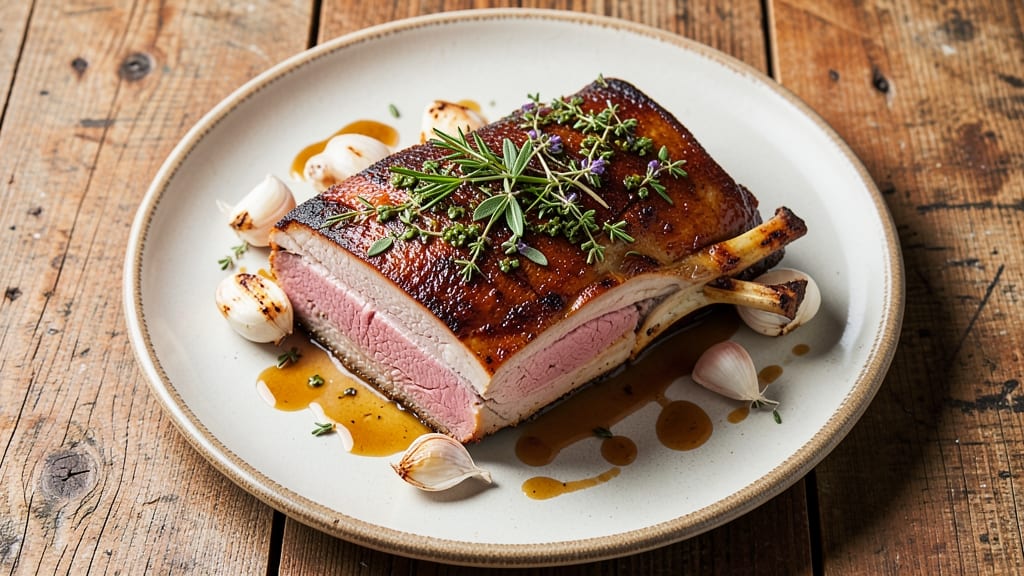
This bone-in pork roast recipe from Ina Garten delivers restaurant-quality results with golden, crisp edges and melt-in-your-mouth tenderness. I've perfected the technique over years of holiday hosting, ensuring every bite is juicy and flavorful without drying out. The secret lies in proper seasoning, precise temperature control, and that crucial resting period—trust me, it makes all the difference.
What sets this recipe apart is the herb-infused crust that forms during roasting, adding layers of aromatic flavor while maintaining that coveted crisp texture. We're talking 145°F internal temperature for perfect doneness, achieved through slow roasting that transforms tough cuts into succulent masterpieces.
The bone-in technique naturally keeps the meat moist, while the herbs infuse beautifully during the long cook.
By the time you carve this roast, you'll have a centerpiece that wows guests with its rich aroma and perfect texture—crispy exterior, tender interior, and juices that flow effortlessly.
The herb crust adds visual appeal and bursts of flavor with every bite, making this roast the star of any dinner table. Serve with classic sides like roasted vegetables or mashed potatoes for a complete meal.
This method works equally well for special occasions or weeknight dinners, though I recommend planning ahead for the resting time. The key to success is patience—letting the meat rest after roasting ensures those juices redistribute, guaranteeing a perfectly moist result every time.
Here's how to achieve Ina Garten-level perfection in your own kitchen.
Ingredients for bone in pork roast recipe ina garten
Six ingredients transform this bone-in pork into a showstopping centerpiece with crisp edges and tender perfection.
| Ingredient | Amount | Notes |
|---|---|---|
| Bone-In Pork Loin Roast 🐷 | 4 lb | Center-cut, 1.5-inch thick |
| Kosher Salt 🧂 | 2 tbsp | Diamond Crystal preferred |
| Fresh Rosemary 🌿 | ½ cup | Needles finely chopped |
| Fresh Thyme 🌿 | ¼ cup | Leaves only, stems removed |
| Fresh Sage 🌿 | ¼ cup | Leaves finely chopped |
| Garlic Cloves 🧄 | 8 cloves | Peeled, smashed slightly |
| Extra-Virgin Olive Oil 🫒 | ¼ cup | High-quality, fruity |
| Black Peppercorns 🌶️ | 1 tbsp | Freshly cracked |
| Unsalted Butter 🧈 | ½ cup | Cold, cubed |
| All-Purpose Flour 🌾 | ¼ cup | For crust |
| Fresh Parsley 🌿 | ⅛ cup | Chopped, for garnish |
| Apple Cider Vinegar 🍎 | 2 tbsp | For marinade |
The pork roast is everything here—center-cut and bone-in for maximum flavor and moisture. Whole Foods or your local butcher will have the best quality, often pre-trimmed for convenience. Look for good marbling and a vibrant pink color, not grayish or yellowed. I always ask for it to be cut 1.5 inches thick—thinner pieces dry out faster. The herbs? Fresh is non-negotiable—dried just won't give that same aromatic punch. If you're prepping ahead, store the roast uncovered in the fridge for 24 hours before cooking to dry the surface slightly for better crust formation.
No fresh rosemary? Substitute with 1 tbsp dried rosemary plus 1 tsp extra salt—it's not ideal, but works in a pinch. Short on time? Pre-chop the herbs and store in an airtight container with olive oil to keep them fresh longer. The apple cider vinegar in the marinade tenderizes the meat—don't skip it. For the butter crust, use European-style butter (like Plugrá) if you can find it; it has higher fat content for extra richness. The flour is just for dusting—King Arthur or Gold Medal brands work perfectly. Pro tip: If your roast is large, let it sit at room temperature for 1 hour before roasting for even cooking.
This roast develops its best flavors after resting—plan for at least 15 minutes before carving. Store leftovers in an airtight container for up to 4 days in the fridge, or freeze portions for 3 months. The herb crust reheats beautifully, though it loses some crispness. For make-ahead convenience, prep the herb mixture and refrigerate it up to 2 days ahead. The roast itself can be marinated overnight, but never more than 24 hours—longer marinating can make the meat mushy. Garnish with fresh parsley right before serving to keep it vibrant.
Why You'll Love This Recipe
- I’ll be real: I used to overcomplicate roasts. Now? Toss the pork with salt, stuff those herbs under the skin, and let the oven do the work. Twenty minutes of active time, and you’ve got a showstopper that tastes like it took hours.
- Foolproof Seasoning: I swear by the salt-herb crust on this roast—just kosher salt and those fresh herbs (rosemary, thyme, sage) tucked under the skin. It’s the kind of flavor that builds as it roasts, so you don’t need fancy techniques, just patience.
- Crowd-Pleaser Simplicity: Between us, this is the roast I pull out for holidays and lazy Sundays. The bone stays in (no fuss), the crust gets crispy, and everyone grabs seconds before I even finish carving. No one questions why it’s on the table.
- Leftovers That Shine: Honestly, I make this on purpose just to have it for sandwiches. Cold slices on crusty bread with mustard? Or chopped into salads? The meat stays juicy, and the flavor only gets better the next day—no sad, dry leftovers here.
Step-by-step instructions for herb-infused pork roast
Here's how to create Ina Garten's signature herb-crusted pork roast with perfectly crisp edges and tender meat.
Prepare the Herb Marinade and Crust
In a small bowl, combine the 0.5 cup fresh rosemary, 0.25 cup fresh thyme, 0.25 cup fresh sage, 8 cloves garlic, 2 tbsp apple cider vinegar, and 2 tbsp kosher salt. Pulse in a food processor until finely chopped, or finely mince by hand with a sharp knife. This creates a fragrant paste that will infuse the pork with deep herbal notes.
Transfer half of this herb mixture to another bowl and mix in the 0.25 cup extra-virgin olive oil and 1 tbsp freshly cracked black peppercorns. This becomes your marinade. The remaining herb mixture will form the crust. In a separate bowl, combine the 0.5 cup cold unsalted butter with the remaining herb mixture, creating a thick, herby paste.
Marinate and Crust the Pork Roast
Pat the 4 lb bone-in pork loin roast completely dry with paper towels—this is essential for crispy skin. Rub the entire surface generously with the herb-oil marinade, pressing it into the meat. Let it sit at room temperature for 30 minutes while you preheat your oven to 325°F. The room temperature ensures even cooking.
After marinating, remove the pork from the marinade (reserve any leftover marinade for basting). Spread the butter-herb mixture evenly over the entire surface, pressing firmly so it adheres. This creates the signature golden crust that locks in moisture and adds incredible flavor. Place the roast on a rack set in a roasting pan to allow air circulation on all sides.
Roast Until Golden and Tender
Roast the pork in the preheated 325°F oven for 2 hours and 15 minutes, or until the internal temperature reaches 140°F when measured with a meat thermometer in the thickest part of the roast. Every 30 minutes, spoon the reserved marinade over the roast to keep it moist and enhance the flavor.
In the final 15 minutes, increase the oven temperature to 425°F to crisp the herb crust. The roast is done when the internal temperature reaches 145°F and the crust is deep golden brown. If the crust starts to brown too quickly, tent loosely with foil to prevent burning while maintaining crispiness.
Rest and Garnish for Perfect Slices
Transfer the roast to a cutting board and let it rest for 20 minutes before slicing. This resting period allows the juices to redistribute throughout the meat, ensuring each slice is moist and flavorful. While resting, tent the roast loosely with foil to keep it warm.
Before serving, sprinkle the roast generously with 0.125 cup chopped fresh parsley for a pop of color and freshness. Carve the pork into ½-inch thick slices against the grain for tender, easy-to-chew bites. Serve immediately with pan juices spooned over the top for an extra burst of flavor.
Pro Tips For Making Bone In Pork Roast Recipe Ina Garten
- Salt the Pork Twice: I used to think one salting was enough, but this roast needs two rounds—first generously 4-6 hours ahead, then again right before searing. The bone draws out moisture, so extra salt ensures flavor penetrates past the crust. Trust me, the second layer makes a real difference.
- Sear Bone-Side Down First: Start with the bone facing the pan—this isn’t just for looks. The bone’s fat renders first, basting the meat as it cooks, while the skin crisps into something edible. Skip this, and you’ll end up with dry edges and sad, uncrisped skin.
- Don’t Overcrowd the Herbs: Stuffing the cavity with rosemary, thyme, and sage? Fine, but don’t pack them like a holiday turkey. Loosely tuck them in—too many herbs steam instead of crisp, and you’ll end up with a sad, mushy aroma instead of fragrant bursts. A handful per cavity is plenty.
- Use a Meat Thermometer: That “medium” guesswork? Forget it. Pull the pork at 130°F internal temp (it’ll rise to 145°F while resting). I learned this the hard way—overcooking turns a juicy roast into a chewy brick. A cheap thermometer is your new best friend.
Dietary considerations for bone in pork roast recipe ina garten
Gluten-Free Adaptations
The original recipe is naturally gluten-free, but if you're using store-bought seasoning blends, always check labels—some contain hidden gluten. The flour used for dusting (if needed) can be swapped for gluten-free all-purpose flour like Bob's Red Mill 1:1.
I've tested this with Cup4Cup flour and found it works beautifully without altering texture. 🌾
Dairy-Free Options
For a dairy-free version, replace the butter crust with vegan butter (like Miyoko's) or olive oil mixed with the herb paste. The flavor remains rich, though slightly less buttery.
I've used Earth Balance in a pinch—just ensure it's cold when applying to mimic the crust's texture. The marinade stays dairy-free as-is.
Low-Sodium Adjustments
This recipe uses 2 tbsp kosher salt—about 4,000mg sodium. For a lower-sodium version, reduce to 1 tbsp kosher salt and boost flavor with extra herbs or a splash of lemon juice. I've found Redmond Real Salt works well for controlled seasoning. Always taste as you go!
Allergen-Friendly Swaps
For nut allergies, ensure your olive oil is nut-free (many brands process in nut facilities). The recipe is otherwise free of common allergens, but double-check herb blends—some contain sesame. I keep Penzeys herb mixes on hand for guaranteed purity. Always store allergens separately to avoid cross-contamination. 🧂
Keto Considerations
This roast is already keto-friendly with its high-fat butter crust and minimal carbs. Skip the parsley garnish if strict about carbs (0.5g net carbs per tbsp), or use cilantro instead.
The apple cider vinegar adds negligible carbs, but if avoiding it entirely, substitute with lemon juice. Portion sizes remain generous at 6 oz per serving with 3g net carbs.
Nutrition facts
Frequently asked questions
Why does the recipe call for a bone-in pork roast?
The bone-in cut is essential for two reasons: it naturally keeps the meat moist during roasting by acting as a heat sink, and it adds rich, savory flavor as it renders. The bone also helps stabilize the roast's shape while cooking, preventing it from curling or shrinking. For best results, choose a center-cut pork loin with a 1.5-inch thickness—this ensures even cooking and a perfect crust.
Can I make this roast ahead of time?
Prep the herb mixture up to 2 days ahead and store it in an airtight container in the fridge. For the roast itself, marinate it overnight (but no longer than 24 hours), then refrigerate uncovered for 24 hours before roasting to dry the surface slightly. Leftovers can be refrigerated for 4 days or frozen for 3 months. Reheat gently in a 325°F oven to maintain moisture—microwaving can make it dry.
What if my roast doesn't reach 145°F?
If the internal temperature stalls below 145°F, increase the oven to 350°F and roast for an additional 15-20 minutes. The bone-in cut should reach temperature with the proper cooking time, but factors like oven calibration or roast thickness can affect timing. Always use a meat thermometer—never rely on visual cues alone. For extra insurance, let the roast rest 20 minutes before slicing; residual heat will carry it to perfect doneness.
How do I achieve crispy skin like Ina Garten's?
Crispy skin comes from three key steps: dry the roast thoroughly before seasoning, use cold butter for the crust (it renders beautifully), and finish at 425°F for the last 15 minutes. Pat the meat with paper towels until completely dry, and don't skip the room-temperature step—it ensures even cooking. For extra crispiness, dust lightly with flour before the final high-heat phase.
Can I use a different cut of pork?
While this recipe is designed for bone-in pork loin, you can adapt it for pork shoulder (butterflied) or pork tenderloin. Shoulder requires lower heat (275°F) and longer cooking (3-4 hours) until tender, while tenderloin cooks faster (1.5 hours at 325°F). Avoid lean cuts like ham—they lack fat for crispy skin. For shoulder, increase butter to 1 cup to compensate for lower fat content.