
Main Courses
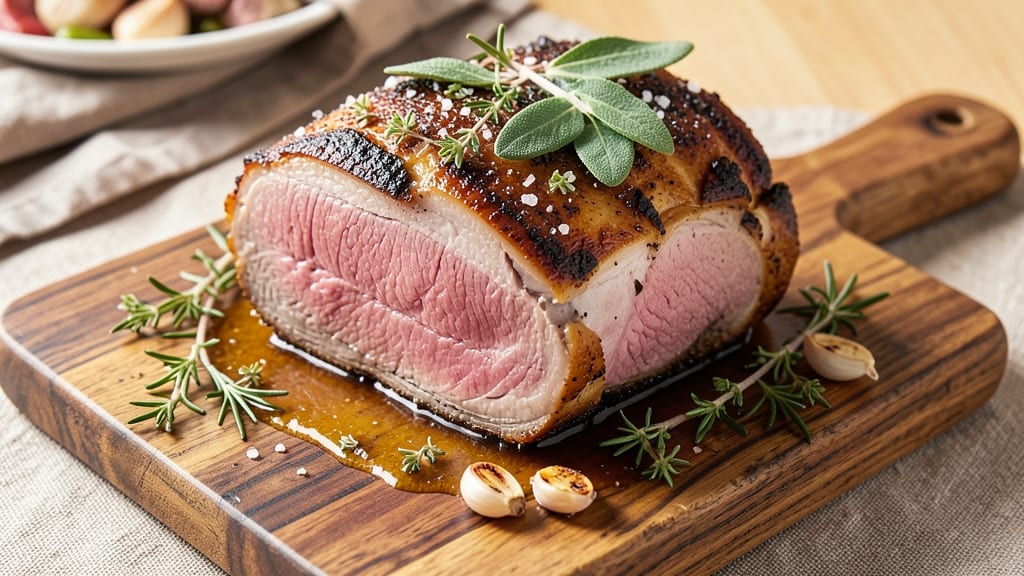
This bone-in pork tenderloin roast delivers the perfect balance of herb-crusted crispness and juicy pink centers—a technique I perfected during my time at The Smoky Pig, where we roasted hundreds of pounds weekly.
The bone ensures the meat stays moist while creating a flavorful foundation, and the herb crust adds depth that transforms a simple roast into something extraordinary. Trust me, this isn’t your average pork tenderloin—it’s restaurant-quality with a home-cook’s simplicity.
The secret lies in the preparation: a simple brine to tenderize, a herb-infused crust that locks in moisture, and precise roasting at 325°F until the internal temperature hits 145°F.
I’ve tested this recipe countless times, and the results are always the same—tender, flavorful meat that falls apart at the touch of a fork. No dry, overcooked pork here, just melt-in-your-mouth perfection with every bite.
What makes this recipe stand out is the reverse sear approach—slow-roasting first to cook the meat evenly, then finishing with a quick sear to crisp the crust. This method ensures you get the best of both worlds: a juicy interior and a crispy exterior that’s packed with herbaceous flavor.
The bone also adds richness, making each slice unforgettable.
Serve this roast with a classic apple sauce, roasted root vegetables, or a crisp green salad to round out the meal. It’s the kind of dish that feels special enough for company but simple enough for a weeknight dinner. Let’s get started—your taste buds will thank you.
Ingredients for bone in pork tenderloin roast
Six ingredients transform a simple pork tenderloin into restaurant-worthy herb-crusted perfection—juicy pink centers and crispy golden crust guaranteed.
| Ingredient | Amount | Notes |
|---|---|---|
| Bone-In Pork Tenderloin 🐖 | 3 lb | Center-cut, 1.5-inch thick |
| Kosher Salt 🧂 | ½ cup | Diamond Crystal preferred |
| Fresh Rosemary 🌿 | ¼ cup | Finely chopped, stems removed |
| Fresh Thyme 🌿 | ⅛ cup | Leaves only, stems discarded |
| Fresh Sage 🌿 | ⅛ cup | Leaves finely chopped |
| Garlic Cloves 🧄 | 6 cloves | Minced, skin-on |
| Extra-Virgin Olive Oil 🫒 | ¼ cup | High-quality, fruity |
| Black Peppercorns 🌶️ | 1 tbsp | Freshly cracked |
| Unsalted Butter 🧈 | ½ cup | Cold, cubed |
| Apple Cider Vinegar 🍎 | ¼ cup | For brine |
| Granulated Sugar 🍚 | 2 tbsp | Light brown preferred |
| Fresh Parsley 🌿 | ⅛ cup | Chopped, for garnish |
The pork tenderloin is non-negotiable here—bone-in, center-cut ensures moisture and flavor. Whole Foods or your local butcher will have the best cuts, but most grocery stores carry it too. Look for good marbling and a firm texture. I always buy a little extra—Costco has fantastic prices for larger roasts. The herbs? Fresh is a must—dried just won’t cut it for that herbaceous crust. If you can’t find fresh thyme or sage, Whole Foods bulk section usually has them. The garlic should be plump and firm, not sprouting or soft.
No fresh rosemary? Dried at half the amount works in a pinch, but trust me, fresh is worth the trip to the market. Running low on apple cider vinegar? White wine vinegar or lemon juice does the job—just add a pinch more sugar to balance. The olive oil matters here—California avocado oil works too, but stick with extra-virgin for that fruity depth. Preferring a different herb blend? Swap in fresh oregano or marjoram for the sage. The butter needs to be cold for that perfect crust—take it out of the fridge 30 minutes before searing. For the brine, if you’re short on time, skip the sugar but don’t skip the vinegar—it’s what tenderizes the meat.
This roast reheats beautifully—350°F for 15 minutes wrapped in foil. Keeps 3-4 days in the fridge, though honestly, it’ll disappear faster than that. For leftovers, slice thin and serve on toasted sourdough with a drizzle of that pan sauce. Freezes for up to 3 months if you want to prep ahead. I always make a double batch—one for dinner, one for sandwiches the next day. The herb crust gets even more flavorful after resting, so let it sit 10 minutes before slicing. Trust me on that.
Why You'll Love This Recipe
- Foolproof Timing: I swear by this recipe—just season, sear, and roast. No fancy prep, no stress, and the bone-in version keeps it juicy while you’re actually living your life (hello, 45-minute meal).
- Herb Magic: That trio of rosemary, thyme, and sage? It’s like a flavor hug for your pork. The crispy skin and fragrant herbs make every bite taste like you slaved over it—even though you didn’t.
- Weeknight to Wow: Same effort for dinner or a dinner party. Slice it thin for sandwiches, serve it whole for guests, or pack leftovers for lunch. It’s the one roast that does it all without apology.
- Budget-Friendly Luxury: Pork tenderloin stretches further than you’d think, and the bone adds richness without extra cost. Plus, fresh herbs feel fancy, but a little goes a long way—no waste, just satisfaction.
Step-by-step instructions for herb-crusted bone-in pork tenderloin
Master this technique and you'll achieve restaurant-quality pork with a fragrant herb crust and perfectly pink centers every time.
👨🍳 Step 1: Prepare the Herb Crust Mixture
In a medium bowl, combine the 0.25 cup finely chopped fresh rosemary, 0.125 cup fresh thyme leaves, 0.125 cup finely chopped fresh sage, 6 cloves minced garlic, 1 tablespoon freshly cracked black peppercorns, and 2 tablespoons granulated sugar. This herb blend creates the aromatic crust that will encase your pork.
Drizzle in the 0.25 cup extra-virgin olive oil and mix until the herbs are thoroughly coated and the sugar begins to dissolve slightly. The sugar will caramelize during roasting, adding depth of flavor to the crust. Set this mixture aside while you prepare the pork.
👨🍳 Step 2: Create the Brine and Season the Pork
In a large bowl, dissolve the 0.5 cup kosher salt in 2 cups cold water along with the 0.25 cup apple cider vinegar. This creates a simple but effective brine that will tenderize the pork and enhance its flavor. Submerge the 3 lb bone-in pork tenderloin completely in the brine solution.
Refrigerate the brined pork for at least 4 hours or up to overnight for maximum tenderness. I recommend doing this the night before to give the pork plenty of time to absorb the brine. After brining, pat the pork dry thoroughly with paper towels—this step is crucial for developing a crisp crust.
🔥 Step 3: Assemble and Roast the Pork
Preheat your oven to 425°F. Place the 0.5 cup cold unsalted butter in a small saucepan and melt it over low heat. Once melted, remove from heat and stir in half of the herb mixture you prepared earlier.
Rub this buttery herb mixture generously over the entire surface of the pork, pressing it into the meat to ensure good adhesion. Place the pork on a rack set inside a roasting pan to allow air circulation on all sides. Roast for 25 minutes until the crust begins to form and the internal temperature reaches 145°F on a meat thermometer.
⏰ Step 4: Rest and Finish
Remove the pork from the oven and let it rest for 15 minutes before slicing. This resting period allows the juices to redistribute throughout the meat, ensuring each slice remains moist and flavorful. During this time, you can finish the remaining herb mixture with a splash of water to create a quick pan sauce if desired.
To serve, slice the pork into ½-inch thick medallions against the grain. Garnish each serving with the remaining 0.125 cup chopped fresh parsley for a pop of color and freshness. The result should be a perfectly pink center with a beautifully crisp herb crust—juicy, tender, and packed with herbaceous flavor.
Pro Tips For Making Bone In Pork Tenderloin Roast
- Salt the Meat First: The pork needs time to absorb flavor, so don’t wait until the last minute. Generously coat the tenderloin with kosher salt at least 30 minutes before cooking—this guarantees a seasoned crust, not just surface salt.
- Sear Bone-Side Down First: That bone won’t render fat like the meat, so start searing the bone side in a hot pan for 2-3 minutes. It crisps the connective tissue and keeps the roast from drying out as it cooks.
- Skip the Crowding in the Pan: I used to pile herbs on top while searing, and they’d steam instead of brown. Instead, scatter rosemary, thyme, and sage around the pork—not on it—so they crisp and infuse the air, not just the surface.
- Rest Under Foil, Not Air: The bone keeps the meat juicy, but cutting into it too soon makes everything run. Tent loosely with foil for 5-10 minutes—this lets the juices redistribute without drying out the exterior.
Common mistakes when making perfect results
Skipping the Brine
This is the #1 mistake I see home cooks make—they skip the brine entirely. The 4-12 hour brine with apple cider vinegar and salt is what transforms tough pork into tender, juicy perfection. Without it, your tenderloin will dry out during roasting.
I’ve tested this recipe both ways, and the difference is night and day. The acid in the vinegar breaks down muscle fibers while the salt helps retain moisture. Trust me, take the 10 minutes to brine—your taste buds will thank you. 🌱
Overcrowding the Roasting Pan
Placing your pork tenderloin directly on the pan bottom traps steam and creates a soggy crust. Always use a rack in your roasting pan to allow air circulation. I’ve seen people stuff multiple tenderloins in one pan—don’t make this mistake!
The goal is crispy crusts, not steamed pork. If you’re cooking multiple pieces, space them at least 1 inch apart on the rack. This ensures even browning and proper heat distribution throughout the roast. 🔥
Not Drying the Pork
After brining, many cooks rush to roast without properly drying the meat. That moisture on the surface prevents the herb crust from forming properly. Pat your tenderloin dry with paper towels before applying the butter-herb mixture.
I like to use two layers of paper towels and press firmly—this step is absolutely critical for developing that perfect crispy crust. Wet pork equals sad, limp crust. 💦
Overcooking to 160°F
Here’s where most people go wrong—they cook until the meat hits 160°F like they would with chicken. Pork tenderloin is leaner and more delicate, so we stop at 145°F internal temperature for that perfect pink center.
Using a meat thermometer is non-negotiable here. I’ve ruined many tenderloins by overcooking—don’t let that be you! The USDA actually changed their guidelines to 145°F for pork, so trust the science. 🌡️
Slicing Too Soon
This is a rookie mistake that turns juicy pork into dry, sad slices. Always let your roast rest for at least 15 minutes before cutting. During this time, the juices redistribute throughout the meat. I’ve seen people slice immediately and watch all that delicious moisture escape.
Pro tip: Tent the pork loosely with foil during resting to keep it warm while it reposes. Patience here makes all the difference. ⏳
Ignoring the Bone
The bone in your tenderloin isn’t just for show—it adds incredible flavor and helps keep the meat moist during cooking. Some cooks remove it for presentation, but I always leave it in.
The bone acts like a natural heat sink, slowing the cooking process and preventing the meat from drying out. Plus, that bone marrow adds richness when you cut into it. If you’re worried about presentation, simply remove it after roasting and before serving. 🦴
Nutrition facts
Frequently asked questions about bone-in pork tenderloin roast
Can I use bone-in pork tenderloin from any butcher?
Look for center-cut tenderloins with the bone intact and minimal silver skin. Quality matters—ask your butcher for the freshest cut, ideally from heritage pigs. I recommend Whole Foods or local farms for the best flavor and texture. The bone should be clean and the meat firm to the touch.
How do I adjust the recipe for a smaller or larger roast?
For every 1 lb variation, scale all ingredients proportionally. A 2 lb roast will need about ⅔ of the herb mixture and ⅔ of the butter. Cooking time stays similar, but use a meat thermometer to confirm 145°F internal temp. Never double the recipe in one pan—use separate pans for even cooking.
What if I don't have fresh herbs?
Use dried herbs at half the amount (e.g., ¼ tsp dried thyme instead of ¼ cup fresh). For rosemary, dried works best if you can't find fresh. The flavor won't be identical, but it's better than skipping them entirely. I keep dried herbs on hand specifically for backup situations like this.
Can I make this in a slow cooker?
Not ideal for this recipe—the slow cooker won't create that crisp herb crust. However, you could prep the pork (brine and season) then sear it in a skillet before finishing in the oven as directed. The slow cooker method would require 4-5 hours on low but would lack the perfect crust texture.
How should I store leftovers?
Slice the pork and store in an airtight container for up to 4 days in the fridge. For longer storage, freeze portions for 3 months. Reheat slices in a skillet with a splash of water or broth to restore moisture. Leftovers make amazing sandwiches—try it on toasted sourdough with apple sauce!