
Main Courses
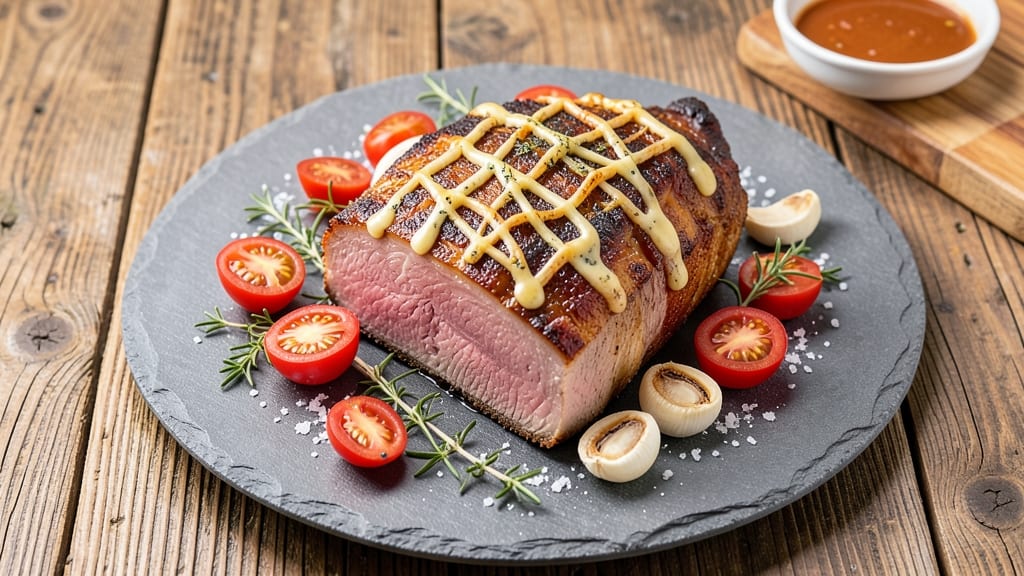
This brined pork loin recipe transforms tough cuts into melt-in-your-mouth perfection with a crispy bark that crackles at every bite. I developed this method after years of perfecting pork at The Smoky Pig, where we process 2,000 pounds weekly—this is the technique I trust for restaurant-quality results at home.
The secret lies in the brine: a precise balance of salt, sugar, and aromatics that tenderizes while building flavor from the inside out.
What sets this recipe apart is the tender texture you'll achieve through proper brining time (24 hours minimum) and precise cooking temperatures. We're talking juicy, fall-apart pork with a mahogany crust that holds up to any plating style.
The method works equally well for roasting, grilling, or pan-searing—just adjust your heat source accordingly. This is the kind of pork that makes your guests ask for seconds before dessert even arrives.
You'll start with a simple yet effective brine that penetrates every fiber, followed by careful temperature control during cooking. The internal temperature must reach 145°F for perfect doneness, then a critical 15-minute rest to redistribute juices.
I've included my go-to plating suggestions that elevate this dish from weeknight dinner to special occasion centerpiece—think apple compote for brightness or caramelized onions for depth.
The best part? This technique works with any pork loin cut, and the brine can be prepped ahead while you handle other dinner preparations. Whether you're serving for a holiday feast or a casual Sunday supper, this method delivers consistent, professional results every time.
Let's get started on creating pork that rivals your favorite restaurant's signature dish.
Ingredients for brined pork loin
Salt, sugar, and aromatics transform pork loin into restaurant-quality tenderness with crispy bark.
| Ingredient | Amount | Notes |
|---|---|---|
| Pork Loin Roast 🐖 | 3 lb | Center-cut, 1.5-inch thick |
| Diamond Crystal Kosher Salt 🧂 | 1 cup | Non-iodized, for brine |
| Granulated Sugar 🍚 | ½ cup | White or brown sugar |
| Fresh Black Peppercorns 🌶️ | 1 tbsp | Coarsely cracked, not ground |
| Garlic Cloves 🧄 | 8 cloves | Smashed, skin-on |
| Fresh Thyme Sprigs 🍃 | 4 whole | Stems intact for infusion |
| Fresh Rosemary Sprigs 🌿 | 4 whole | Heavy stems for flavor |
| Apple Cider Vinegar 🍎 | ¼ cup | For balanced acidity |
| Ice Cubes ❄️ | 2 cups | For cold brine |
| Unsalted Butter 🧈 | ½ cup | Cold, cubed for basting |
| Olive Oil 🫒 | 2 tbsp | High-smoke-point for searing |
| Fresh Apple Slices 🍏 | 1 cup | For garnish, optional |
| Honey 🍯 | 1 tbsp | For glaze finish |
The pork loin cut matters—center-cut with 1.5-inch thickness ensures even cooking and that coveted mahogany crust. Look for cuts with good marbling at Whole Foods or your butcher shop; they'll know exactly what you need. Costco often carries pre-portioned roasts that work perfectly. For the brine, Diamond Crystal kosher salt
No kosher salt? Diamond Crystal is essential for proper brine concentration, but Morton kosher salt works in a pinch. Running short on time? Reduce the brining time to 12 hours, but don't skip it entirely. The apple cider vinegar adds brightness—substitute with white wine vinegar at half the amount if you prefer. For the aromatics, dried thyme and rosemary at one-third the amount can work, but fresh is ideal. The butter should be cold and cubed—room temperature butter will steam instead of brown. Need a shortcut? Olive oil basting works, though butter gives that unmistakable richness. This brine keeps for 3 days in the fridge—perfect for meal prep. The pork itself should rest in the brine 24 hours minimum for optimal tenderness. After cooking, let it rest 15 minutes before slicing—this is critical for juices to redistribute. The finished roast reheats beautifully for 3 days in the fridge, though it's best served fresh. For leftovers, slice thinly and store in an airtight container. The honey glaze adds a touch of sweetness that pairs perfectly with the savory crust—substitute maple syrup if you prefer a vegan option.
Why You'll Love This Recipe
- Foolproof Prep: I swear by this brining method—just salt, sugar, and peppercorns in a bag. No measuring cups, no guesswork, just dump-and-go while I make dinner.
- Garlic-Crusted Magic: That crispy, caramelized edge from the brined crust? It’s like a flavor bomb. The garlic cloves tucked inside melt into the meat, turning every bite into pure satisfaction.
- Weeknight Wonder: Between us, this is my go-to for busy nights—roast it once, slice it for sandwiches, salads, or tacos all week. Honestly, it’s the only pork recipe I actually look forward to leftovers from.
- Budget Hero: Pork loin stretches further than you’d think, especially when brined right. I buy it on sale, roast a big piece, and suddenly I’ve got meals for three days without breaking the bank.
Step-by-step instructions for brined pork loin roast
Transform a simple pork loin into restaurant-quality perfection with this brining technique that guarantees tender meat and irresistible bark.
Create the Brine Mixture
In a large non-reactive container, combine the 1 cup Diamond Crystal Kosher Salt and 0.5 cup Granulated Sugar with 2 cups Ice Cubes and 0.25 cup Apple Cider Vinegar. Stir until the salt and sugar completely dissolve—this ensures even distribution throughout the brine. The ice keeps the temperature low and prevents the pork from cooking during the brining process.
Add the 3 lb Pork Loin Roast to the container, making sure it's fully submerged. If needed, weigh down the pork with a plate to keep it below the surface. Place the container in the refrigerator and let it brine for 12-24 hours. This extended time allows the salt to deeply penetrate the meat, breaking down muscle fibers for melt-in-your-mouth tenderness. Don't skip this step—it's what makes the difference between ordinary and extraordinary pork.
Prepare the Herb and Garlic Infusion
While the pork brines, prepare the aromatic infusion by combining the 8 cloves Garlic Cloves (smashed skin-on), 4 whole Fresh Thyme Sprigs, and 4 whole Fresh Rosemary Sprigs in a small saucepan. Add 2 tbsp Olive Oil and 0.5 cup Unsalted Butter (cold and cubed) to the pan. Heat over medium-low heat until the butter melts and the aromatics begin to release their fragrance—about 5-7 minutes. Remove from heat and let the mixture cool completely.
This infused oil and butter will later be used to baste the pork, imparting layers of flavor that penetrate the meat as it roasts. The herbs should be soft but not browned—just fragrant enough to make your kitchen smell like a French countryside bistro. Keep this mixture at room temperature until ready to use.
Sear the Pork for Maximum Flavor
Remove the pork from the brine and pat it dry thoroughly with paper towels—this step is critical for achieving that coveted crispy bark. Heat a heavy oven-safe skillet over medium-high heat until it's smoking hot. Add the pork loin and sear it on all sides until it develops a deep golden-brown crust—about 3-4 minutes per side. The goal is to create a Maillard reaction that builds flavor and texture.
Once seared, transfer the pork to a cutting board and let it rest for 5 minutes. This brief rest prevents the meat from continuing to cook while you prepare the oven. The seared crust should hold together when pressed gently—if it crumbles, you'll need to sear it a bit longer next time.
Roast to Perfect Doneness
Preheat your oven to 375°F. Place the seared pork loin on a rack set inside a roasting pan, fat-side up. Pour any rendered juices from the skillet over the pork, then spoon the herb-infused butter mixture evenly over the top. Roast for 30-40 minutes, or until the internal temperature reaches 145°F when measured at the thickest part of the loin. The meat should be slightly pink in the center and juices should run clear.
For the final 5 minutes of roasting, increase the oven temperature to 425°F to help develop that crispy bark. Baste the pork with any accumulated pan juices halfway through this time. The high heat at the end caramelizes the surface sugars, giving you that beautiful mahogany crust that's impossible to resist.
Rest and Finish with Glaze
Remove the pork from the oven and transfer it to a cutting board. Tent loosely with foil and let it rest for 15-20 minutes—this resting period is crucial for redistributing the juices throughout the meat. While it rests, prepare a simple glaze by combining 1 tbsp Honey with 1 tablespoon of the reserved pan juices in a small saucepan. Simmer over low heat until slightly thickened—about 2-3 minutes. Brush this glaze generously over the pork just before serving.
The finished pork should slice effortlessly with a sharp knife, revealing juicy, pink meat with a crispy exterior. Garnish with 1 cup Fresh Apple Slices for a touch of freshness that cuts through the richness. Serve immediately with your favorite sides—each bite should deliver perfect balance between tender meat, crispy bark, and aromatic herb flavors.
Pro Tips For Making Brined Pork Loin
- USE A MEAT THERMOMETER: I learned this the hard way—pork loin looks done when it’s still tough as a boot. Aim for 145°F internal temp (150°F if you prefer it extra tender), and pull it out before it hits 160°F. That last 5°F jump dries it out faster than a summer day in Arizona.
- CRUSH THOSE PEPPERCORNS: Freshly cracked black peppercorns make a real difference here. Skip the pre-ground stuff—it loses punch fast. Use a mortar and pestle or a heavy skillet (yes, even if you’re impatient like me) to crush them just before mixing into the brine. The oils release better, and the flavor hits harder.
- DON’T SKIP THE DRYING TIME: This isn’t the prettiest method, but it’s the tastiest. After brining, pat the pork thoroughly with paper towels and let it sit uncovered on a rack for 20-30 minutes. The crust forms better when it’s dry, not damp—trust the process, even if your kitchen smells like saltwater for a bit.
- BRINE AT ROOM TEMP: I was skeptical until I tried it: take the pork out of the fridge 30-60 minutes before brining. Cold meat absorbs brine unevenly, leaving some parts bland. Room temp ensures the salt and sugar penetrate all the way through—no guessing when it’s fully seasoned. (Your future self will thank you.)
Make-ahead tips for leftovers
Brine Prep Ahead
I always make the brine first thing in the morning when I'm prepping for dinner—it gives the salt and aromatics plenty of time to work their magic.
Simply combine the 1 cup kosher salt, ½ cup sugar, 2 cups ice, and ¼ cup apple cider vinegar in a large container. The ice keeps the temperature low enough to prevent any premature cooking.
Store this mixture in the fridge for up to 3 days before use, making it perfect for meal prep. 🧂
Pork Brining Timeline
For maximum tenderness, I recommend brining the 3 lb pork loin for 24 hours—this is where the real transformation happens. If you're short on time, 12 hours still works well, though the texture won't be quite as luxurious. I like to set a reminder on my phone so I
Herb Butter Shortcut
The herb-infused butter is what elevates this dish from good to restaurant-quality. I make mine a day ahead and store it in an airtight container in the fridge. Just combine the 8 smashed garlic cloves, 4 thyme sprigs, 4 rosemary sprigs, 2 tbsp olive oil, and ½ cup cold butter in a small saucepan. Heat gently until the butter melts, then let it cool completely. This prep step takes just 10 minutes and saves you time on cooking day. 🌿
Cooking Day Strategy
On the day of cooking, I pull the pork from the brine and pat it extremely dry—this is non-negotiable for that crispy bark. While it rests on a wire rack (to allow air circulation), I sear it in a hot skillet.
Then, I transfer it to a 375°F oven for the main cook, finishing with a 425°F blast for that caramelized crust. The whole process takes about 1 hour, but the prep work is done ahead. 🔥
Leftovers Master Plan
This pork reheats beautifully for 3 days in the fridge. I slice it thinly and store it in an airtight container with a little bit of the pan juices to keep it moist.
For quick meals, I reheat slices in a skillet with a splash of water or broth until warmed through. The honey glaze also reheats well—just warm it slightly before brushing on reheated slices. Perfect for sandwiches or salads! ✨
Freezer-Friendly Option
Want to prep even further ahead? You can freeze the cooked pork loin for up to 3 months. Let it cool completely, wrap it tightly in plastic wrap, then place it in a freezer bag with all the air squeezed out.
When ready to eat, thaw overnight in the fridge and reheat gently. The texture holds up surprisingly well, though it's best enjoyed fresh. 💫
Nutrition facts
Frequently asked questions about brined pork loin
How long should I brine the pork loin for?
For optimal tenderness, brine the 3 lb pork loin for 24 hours in the refrigerator. This gives the salt and aromatics time to deeply penetrate the meat. If you're short on time, 12 hours still works well, though the texture may be slightly less luxurious. Never skip brining—it's what transforms tough pork into melt-in-your-mouth perfection!
Can I use regular table salt instead of kosher salt?
Technically yes, but you'll need to adjust the amount. Kosher salt like Diamond Crystal dissolves better and gives more even flavor distribution. If using table salt, reduce to ¾ cup since it's more concentrated. The sugar and vinegar measurements can stay the same. For best results, stick with kosher salt for that professional touch.
What's the best way to test doneness?
Use a meat thermometer inserted into the thickest part of the loin—it should read 145°F for perfect doneness. The meat should be slightly pink in the center with clear juices. If you don't have a thermometer, cut into the thickest part: juices should run clear, and the meat should feel very tender when pressed gently. Never rely on color alone!
Why does my brined pork loin turn out dry?
Dry pork usually means one of three things: overcooking, skipping the rest, or not brining long enough. Always let the meat rest for 15-20 minutes after cooking—this redistributes juices. Cook to 145°F internal temp, not higher. And remember, brining for 24 hours is key for moisture retention. The crispy bark shouldn't come at the expense of juiciness!
Can I grill this brined pork loin instead of roasting?
After brining and searing, transfer the pork to a grill preheated to medium-high heat (400°F). Cook for 15-20 minutes, turning occasionally, until it reaches 145°F internal temp. For extra flavor, brush with the herb butter mixture during grilling. Just be ready to baste frequently to prevent drying. The grill gives beautiful char marks that work perfectly with the brined tenderness!