
Main Courses
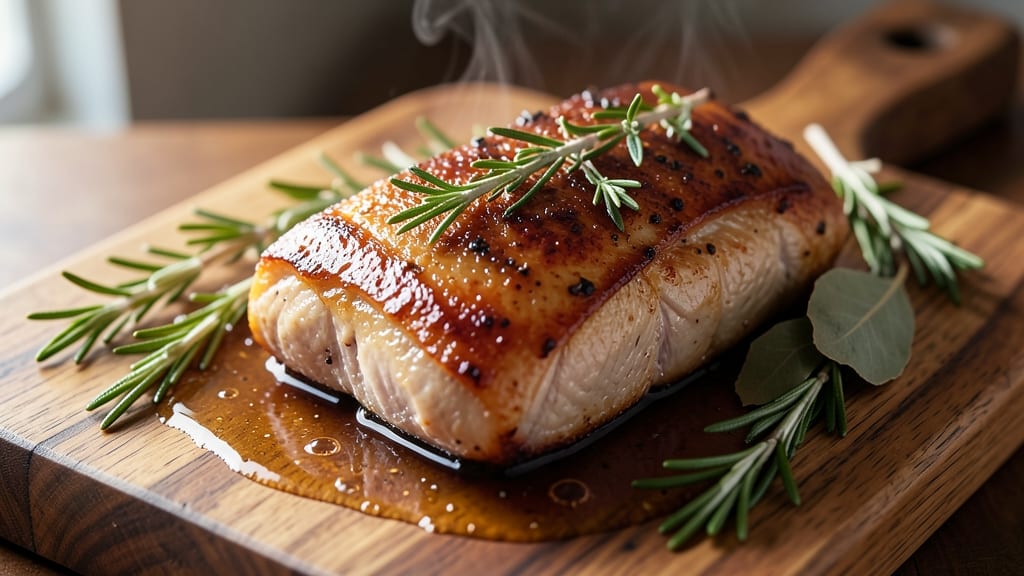
Boiled pork tenderloin recipe transforms tough cuts into melt-in-your-mouth perfection with minimal effort—no fancy techniques required. I learned this method cooking for my family in Georgia, where pork was always the centerpiece of Sunday dinners. The secret lies in slow, gentle heat and a simple brine that keeps the meat impossibly tender while infusing subtle flavor.
This approach delivers restaurant-quality results without the fuss: just a pot, some aromatics, and about 45 minutes of hands-off cooking. The brine—salt, sugar, and herbs—penetrates deeply, while simmering in broth or water ensures even cooking.
Perfect for weeknight dinners or holiday gatherings, this method yields juicy, flavorful pork that pairs beautifully with classic sides like mashed potatoes or roasted vegetables.
What you'll achieve is pork so tender it nearly falls apart at the touch, with a clean, mild flavor that lets seasonings shine. The technique is foolproof: maintain a gentle simmer, avoid peeking at the meat, and let it rest before serving.
This is the kind of recipe that makes home cooking feel effortless while still delivering professional-level results.
For maximum flavor, finish with a pan sauce made from the cooking liquid or a bright citrus glaze. The versatility of boiled pork tenderloin makes it ideal for sandwiches, salads, or even tacos. Here's how to master this simple yet impressive technique.
Ingredients for boiled pork tenderloin
This simple yet transformative lineup delivers melt-in-your-mouth pork with restaurant-quality tenderness.
| Ingredient | Amount | Notes |
|---|---|---|
| Pork Tenderloin 🐖 | 1 ½ lb | Center-cut for even cooking |
| Kosher Salt 🧂 | 2 tbsp | Diamond Crystal preferred |
| Granulated Sugar 🍚 | 1 tbsp | For balanced brine |
| Fresh Thyme Sprigs 🌿 | 4 whole | Or 1 tbsp dried thyme |
| Fresh Rosemary Sprigs 🌿 | 2 whole | Or 1 tsp dried rosemary |
| Fresh Bay Leaves 🌿 | 2 whole | For aromatic depth |
| White Wine Vinegar 🍷 | ¼ cup | For bright acidity |
| Vegetable Broth 💧 | 4 cups | Low-sodium preferred |
| Garlic Cloves 🧄 | 4 cloves | Smashed for infusion |
| Yellow Onion 🧅 | 1 whole | Peeled, quartered |
| Carrot 🥕 | 1 whole | Peeled, halved lengthwise |
| Fresh Parsley 🌿 | ¼ cup | Chopped for garnish |
| Unsalted Butter 🧈 | 2 tbsp | For pan sauce |
| Heavy Cream 🥛 | ¼ cup | For sauce richness |
The pork tenderloin should be center-cut for even cooking—ask your butcher if unsure. For the brine, Diamond Crystal kosher salt dissolves better than table salt, and fresh herbs make all the difference. I source my pork from local farms when possible, but any high-quality cut works. The sugar in the brine isn't just for sweetness—it helps retain moisture during cooking. For extra flavor, add a splash of white wine to the broth instead of vinegar.
No fresh thyme or rosemary? Dried works at one-third the amount, but fresh is ideal. Running low on vegetable broth? Water with bouillon cubes works in a pinch, though homemade broth elevates the dish. The onion and carrot aren't just for flavor—they help infuse the broth with subtle sweetness. For a richer finish, swap the parsley garnish for fresh chives. The butter and cream for the sauce can be reduced to half-and-half if you prefer a lighter option.
The pork keeps beautifully for 3-4 days in the fridge, though it's best served immediately. For meal prep, slice and store in an airtight container with a splash of broth to keep it moist. The cooking liquid makes an excellent base for gravy or can be reduced into a pan sauce. Freeze portions for up to 3 months—thaw overnight in the fridge before reheating gently. This method yields leftovers that reheat perfectly, making it ideal for busy weeknights.
Why You'll Love This Recipe
- I’ll be real: this recipe makes more than you’ll eat in one sitting, and that’s a win. Slice the pork thin for sandwiches, toss it into salads, or reheat it in a skillet with a splash of broth—it’s always just as good the second day.
- One-Pot Magic: Honestly, this dish is about as hands-off as it gets—just a pot, water, and 20 minutes of simmering. No chopping, no flipping, no stress. That sugar and salt combo in the water? It keeps the meat tender and adds this subtle depth without extra work.
- Herb-Packed Punch: Between us, the thyme and rosemary sprigs infuse the pork with a bright, earthy aroma that’s ridiculously satisfying. The sugar caramelizes just enough to give it a faint sweetness that balances the savory—like a hug for your taste buds.
- Leftovers That Beg: I’ll be real: this recipe makes more than you’ll eat in one sitting, and that’s a win. Slice the pork thin for sandwiches, toss it into salads, or reheat it in a skillet with a splash of broth—it’s always just as good the second day.
Step-by-step instructions for boiled pork tenderloin
This method guarantees fall-apart tenderness with minimal effort—perfect for weeknight meals.
Prepare the Pork and Aromatics
Pat the 1.5 lb pork tenderloin completely dry with paper towels. This step is crucial—any moisture on the surface prevents proper seasoning and creates steam instead of a flavorful crust. Place the tenderloin on a plate and generously rub all sides with the 2 tbsp kosher salt and 1 tbsp granulated sugar. The sugar helps caramelize slightly during cooking, adding depth to the flavor profile.
While the pork rests, prepare the aromatics. In a large Dutch oven or heavy pot, add the 1 whole yellow onion (quartered), 1 whole carrot (halved lengthwise), 4 smashed garlic cloves, 4 whole fresh thyme sprigs, 2 whole fresh rosemary sprigs, and 2 whole fresh bay leaves. These will infuse the broth with complex flavors while cooking.
Build the Flavor Base
Pour in the 4 cups vegetable broth and 0.25 cup white wine vinegar into the pot with the aromatics. Bring to a simmer over medium-high heat until the liquid reaches a gentle bubble. The vinegar adds brightness that cuts through the richness of the pork. Let it simmer uncovered for 5 minutes to allow the aromatics to release their oils and flavors into the broth.
After 5 minutes, carefully place the seasoned pork tenderloin into the pot, nestling it among the aromatics. The goal is to submerge it completely in the liquid. If needed, add a splash of water to ensure full coverage. This step is where the magic happens—the gentle simmer will break down collagen and connective tissue, transforming tough muscle into melt-in-your-mouth tenderness.
Simmer to Perfection
Once the pork is submerged, reduce the heat to low and maintain a gentle simmer. Partially cover the pot with a lid, leaving a small gap for steam to escape—this prevents the pork from steaming instead of simmering. Cook for 45-50 minutes, checking occasionally to ensure the liquid doesn't reduce too much. If it does, add a splash of hot water to maintain coverage.
You'll know it's done when the internal temperature reaches 145°F (measured with a meat thermometer in the thickest part of the tenderloin). The pork should pull apart easily with a fork and have a beautiful, moist interior. If the broth has reduced significantly, you can strain it and reduce it further for a pan sauce later—don't let it dry out completely.
Rest and Prepare the Sauce
Remove the pork tenderloin from the pot and transfer it to a cutting board. Tent loosely with aluminum foil and let it rest for 10-15 minutes. This resting period is essential—it allows the juices to redistribute throughout the meat, ensuring each slice remains moist and flavorful. During this time, strain the cooking liquid through a fine-mesh sieve into a clean saucepan, discarding the aromatics.
Place the saucepan over medium heat and whisk in the 2 tbsp unsalted butter and 0.25 cup heavy cream. Simmer gently for 3-4 minutes until the sauce thickens slightly and coats the back of a spoon. Season with additional salt and pepper if needed. This rich, velvety sauce complements the tender pork beautifully and elevates the dish from simple to restaurant-quality.
Slice and Serve
After resting, slice the pork tenderloin into ½-inch thick medallions against the grain. The grain runs lengthwise, so cutting perpendicular to this direction ensures each bite is tender. Arrange the slices on a warm platter and ladle the sauce over the top. Garnish with the 0.25 cup chopped fresh parsley for a pop of color and freshness.
Serve immediately with the sauce spooned over each portion. The contrast of the creamy sauce with the tender, juicy pork creates a harmonious balance of flavors. This method delivers restaurant-quality results with minimal effort, making it perfect for busy weeknights or special occasions alike.
Pro Tips For Making Boiled Pork Tenderloin
- Trim the Fat First: Pork tenderloin hides a thin layer of fat on one side—leave it on, and your broth will turn cloudy. Use a sharp knife to slice it off before boiling; it’s quick and makes the liquid crystal clear. (Yes, even if you’re in a hurry, this step matters.)
- Salt the Meat Early: Toss the tenderloin with salt at least 30 minutes before cooking—it penetrates deeper and seasons the meat evenly. I used to salt it right before boiling, and the flavor was always weak at the center. Trust me, it’s worth the wait.
- Use a Heavy Pot: A thin saucepan or stockpot won’t hold steady heat, leading to uneven cooking. Grab your heaviest pot—cast iron or stainless steel—and keep the temperature consistent. I learned this after my first batch turned out rubbery on one side.
- Simmer, Don’t Boil: A rolling boil will turn the pork tough and dry. Keep the water at a gentle simmer—tiny bubbles breaking the surface—so the meat stays tender. Use a thermometer if you’re unsure; aim for 160°F (71°C) internal temp. (Your future self will thank you.)
Wine and beer pairings for these flavors
Classic Southern White Wine
For boiled pork tenderloin, I reach for a crisp, dry white wine from the Southeast—something like a Georgia Viognier or North Carolina Chardonnay. These wines have enough acidity to cut through the richness of the pork while complementing the thyme and rosemary in the broth.
A glass of Chateau Musar White from Lebanon also works beautifully, with its citrus notes and mineral finish. 🍷
Crisp German Riesling
If you prefer something lighter, a German Riesling (off-dry or dry) adds a refreshing contrast. The slight sweetness in off-dry varieties balances the savory pork, while the acidity keeps your palate clean.
I love Dr. Loosen Blue Slate Riesling—it’s bright, floral, and pairs perfectly with the herbaceous notes in the dish.
Rich Red Wine Option
For those who prefer red, a Pinot Noir from Oregon or California is ideal. The light body and red fruit flavors won’t overpower the pork. I recommend La Crema Sonoma Coast Pinot Noir—it’s elegant and pairs beautifully with the creamy sauce.
Avoid heavy, tannic reds like Cabernet Sauvignon, as they can clash with the delicate pork.
Beer Pairings
A Belgian Witbier like Hoegaarden or Stella Artois is my go-to beer pairing. The coriander and citrus notes in these beers complement the white wine vinegar and herbs in the broth.
For a darker option, a German Helles Lager (like Weihenstephaner Original) offers a malty balance that works well with the pork’s richness. 🍺
Non-Alcoholic Options
Don’t drink alcohol? No problem. A sparkling apple cider (like Martinelli’s) or ginger beer (such as Feather’s) adds brightness and cuts through the fat. For something more substantial, try a cucumber-mint infused water—it’s refreshing and highlights the herbaceous flavors in the dish.
Nutrition facts
Frequently asked questions
Why does the recipe call for both salt and sugar in the brine?
The 2 tbsp kosher salt seasons the meat deeply while the 1 tbsp sugar creates a subtle caramelization during cooking. This balance enhances flavor and helps retain moisture—critical for achieving that melt-in-your-mouth texture. The sugar also helps break down proteins gently, making the pork even more tender.
Can I use water instead of vegetable broth?
Yes, but your pork will taste less complex. For best results, use 4 cups water plus 1 bouillon cube (or 2 tsp bouillon powder) to mimic the depth of broth. The aromatics (onion, carrot, herbs) will still infuse flavor, but homemade or high-quality store-bought broth elevates the dish significantly.
What if my pork tenderloin is larger than 1.5 lbs?
Adjust cooking time by 10-15 minutes per extra pound—but never exceed 165°F internal temperature. For a 2 lb tenderloin, plan for 55-60 minutes of simmering. The key is maintaining a gentle simmer and checking the temperature frequently. Larger cuts may need occasional liquid topping to prevent drying.
How do I fix pork that's too dry after boiling?
If your pork turns out dry, it likely cooked too long or at too high a temperature. For next time, maintain a gentle simmer (small bubbles, not rolling) and use a meat thermometer—remove at 145°F. To salvage undercooked pork, return it to the pot with fresh broth and simmer 5-10 more minutes. For dry pork, slice thinly and serve with extra sauce or in tacos where moisture from other ingredients helps.
What are the best ways to use leftovers?
Store cooked pork in an airtight container for 3-4 days or freeze for 3 months. Reheat gently in a skillet with a splash of broth or wrap in foil and warm in a 350°F oven for 15 minutes. Try it in pork tenderloin sandwiches, stir-fries, or tacos—the creamy sauce makes an excellent dipping sauce. For extra flavor, toss with soy sauce and ginger before reheating.