
Main Courses
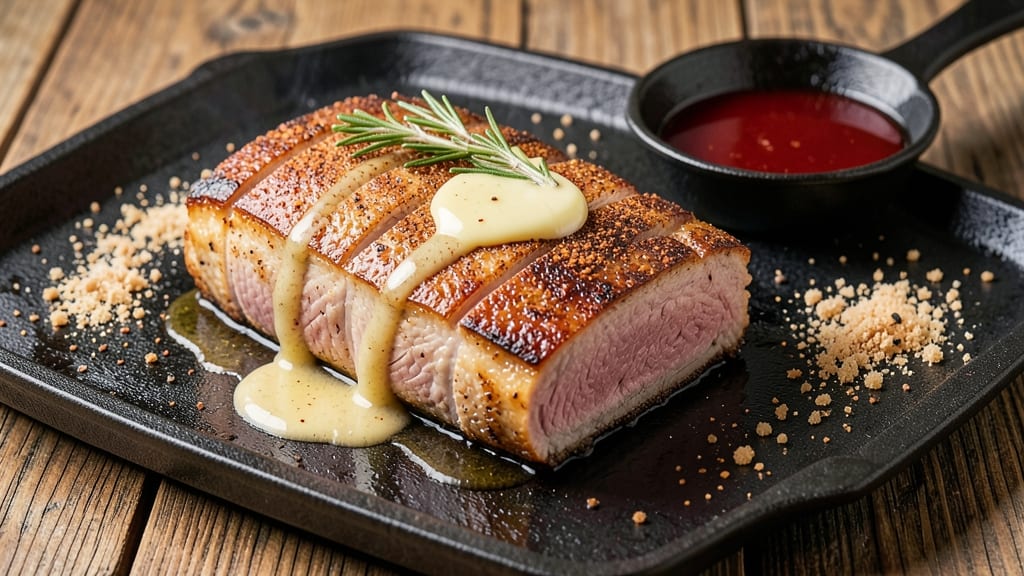
This Blackstone griddle pork loin recipe delivers restaurant-quality results with a smoky crust and juicy pink centers—exactly how I serve it at The Smoky Pig. 🔥 The secret lies in high-heat searing followed by precise temperature control, a technique I perfected cooking 2,000 pounds of pork weekly.
What makes this different is the two-stage cooking method that locks in moisture while creating that coveted caramelized bark.
Start with a bone-in loin for better flavor distribution, then season generously with a dry rub of smoked paprika, brown sugar, and black pepper. The griddle's flat surface ensures even cooking, while frequent basting with apple cider vinegar keeps the meat tender.
This method works equally well for brunch or dinner—just adjust the internal temperature to your preference.
By the time you serve it, you'll have a perfectly cooked pork loin with a crispy exterior and moist interior, ready to slice into thick medallions. The smoky aroma alone will have everyone gathering around, but the first bite delivers that perfect balance of texture and flavor.
Serve with griddle-cornbread or roasted sweet potatoes for a complete meal.
This recipe scales beautifully for crowds or leftovers, making it ideal for family gatherings or meal prep. The key is patience—rushing ruins the texture. Trust the process, and you'll achieve results that rival any high-end restaurant. Let's get cooking!
Ingredients for blackstone griddle pork loin
Six ingredients plus your Blackstone griddle—this is how you get that smoky crust and juicy pink center every time.
| Ingredient | Amount | Notes |
|---|---|---|
| Bone-In Pork Loin 🐖 | 3 lb | Center-cut, 1.5-2 inches thick |
| Smoked Paprika 🌶️ | 2 tbsp | High-quality, vibrant color |
| Light Brown Sugar 🍚 | 1 tbsp | Packed, not granulated |
| Freshly Ground Black Pepper 🌶️ | 1 ½ tsp | Coarse grind preferred |
| Apple Cider Vinegar 🍏 | ½ cup | Unfiltered, for basting |
| Unsalted Butter 🧈 | 2 tbsp | Cold, for searing |
| Kosher Salt 🧂 | 1 ½ tsp | Diamond Crystal preferred |
| Garlic Cloves 🧄 | 6 cloves | Minced, for rub variation |
| Fresh Rosemary 🌿 | ¼ cup | Chopped, finely |
| Vegetable Oil 🫒 | ¼ cup | High smoke point |
| Honey 🍯 | 1 tbsp | Wildflower preferred |
| Blackstone Griddle 🔥 | 1 whole | Preheated to 400°F |
The pork loin is non-negotiable here—bone-in for flavor, center-cut for even cooking. Costco or Whole Foods carry the best cuts, but any butcher will trim it to your specs. Look for good marbling; that's where the flavor hides. The smoked paprika? Penzeys or McCormick Gourmet make the difference—avoid the generic grocery store stuff. I always double-check the thickness; 1.5-2 inches ensures even cooking without drying out. For the vinegar, Mott's unfiltered is my go-to—it's got that tangy depth that cuts through the richness.
No smoked paprika? Substitute 1 tbsp regular paprika plus 1/2 tsp liquid smoke—it's not identical, but close. Running out of rosemary? Fresh thyme at half the amount works in a pinch. The honey can be swapped for maple syrup if you're avoiding it, but trust me, the floral notes play off the smokiness. For the butter, if you're watching fat, use ghee instead—same searing power, no dairy. And if your griddle isn't preheated hot enough? Add 5 minutes to the sear time—patience is key for that caramelized bark.
This meat is best served immediately, but if you must prep ahead, cook it 80% done (140°F internal) and finish on the griddle. The leftovers? 3-4 days in the fridge, sliced thin for sandwiches. For freezing, wrap tightly in parchment and foil—keeps for up to 3 months. Pro tip: Save the drippings! They're perfect for basting next time or turning into a quick pan sauce with a splash of vinegar and cornstarch.
Why You'll Love This Recipe
- One-Pan Magic: I swear by this recipe because it’s all on the griddle—no chopping boards, no extra pans, just that rich pork loin searing right alongside its sticky-sweet glaze. The bone-in cut stays juicy while the crust gets perfectly crispy, and honestly? Cleanup is just wiping the griddle with a paper towel.
- Sweet-Smoky Bomb: That combo of smoked paprika and brown sugar? It’s like a hug for your taste buds. The apple cider vinegar cuts through the richness just enough to keep it bright, while the black pepper adds a little kick. Every bite has this perfect balance—sweet, smoky, and just a hint of tang.
- Weeknight or Weekend Star: Between us, this is my go-to for any gathering—whether it’s a lazy Sunday brunch with friends or a quick weeknight dinner. Slice it thin for tacos, serve it whole for a centerpiece, or toss it in sandwiches later. The leftovers? Still delicious the next day, no question.
- Budget-Friendly Feast: Bone-in pork loin is cheaper than you’d think, and a single cut feeds four easily. The spices cost pennies, and the vinegar? I always have it on hand. It’s the kind of recipe that makes you feel fancy without breaking the bank—plus, the flavor stretches across multiple meals without getting boring.
Step-by-step instructions for smoky Blackstone griddle pork loin
Here's how to transform your Blackstone into a smoky pork loin masterpiece with crispy edges and tender centers.
🔥 Step 1: Prep the Pork Loin for Maximum Flavor
Start by patting the 3 lb bone-in pork loin completely dry with paper towels—this is crucial for that perfect crust. I like to let it sit uncovered on a plate in the fridge for 30 minutes while I prep the rub. The cold surface helps dry it even more.
In a small bowl, mix together the 2 tbsp smoked paprika, 1 tbsp light brown sugar, 1.5 tsp freshly ground black pepper, 1.5 tsp kosher salt, 6 minced garlic cloves, and 0.25 cup finely chopped fresh rosemary. The sugar and vinegar combo will create a beautiful caramelized crust while the rosemary adds that fresh herbal note. Rub this mixture all over the pork loin, pressing it into the meat so it sticks. Let it sit at room temperature for 20 minutes before cooking—this ensures even cooking and maximum flavor penetration.
🔥 Step 2: Heat the Blackstone and Sear the Pork
Preheat your Blackstone griddle to 400°F—this high heat is what gives us that perfect crust. While it heats, melt the 2 tbsp unsalted butter in a small saucepan over low heat, then stir in the 1 tbsp honey and 0.5 cup apple cider vinegar. Keep this mixture warm but not boiling—it'll be our basting sauce later.
Once the griddle is screaming hot, add 0.25 cup vegetable oil and let it shimmer for 1 minute. Place the pork loin on the griddle and sear for 8-10 minutes, turning occasionally, until it develops a deep golden-brown crust on all sides. Here's the thing—I press down gently on the loin during the first minute to prevent it from curling and ensure even contact with the griddle. You'll know it's ready when the crust is dark and the internal temperature reaches 145°F on a meat thermometer.
🥘 Step 3: Baste and Cook to Juicy Perfection
Carefully remove the pork loin from the griddle and pour the warm honey-vinegar mixture over it. Let it baste for 2 minutes, then return it to the griddle. Cook for another 15-20 minutes, basting every 5 minutes with the remaining sauce, until the internal temperature reaches 150°F. The crust should be dark and slightly sticky from the caramelized sugar.
Real talk: Don't overcook this. The pork will continue cooking as it rests, and we want those pink centers. You'll know it's done when the crust is deep mahogany and the meat is fork-tender but still slightly springy. If you cut into it now, you'll see beautiful pink centers with a smoky crust—this is what we're after.
⏰ Step 4: Rest and Slice for Maximum Juiciness
Transfer the pork loin to a cutting board and tent loosely with foil. Let it rest for 15-20 minutes—this is where the magic happens. The juices redistribute throughout the meat, ensuring every slice is moist and flavorful. I know it's hard to wait when it smells this good, but trust me on this step.
Slice the pork loin into ½-inch thick pieces against the grain for maximum tenderness. Serve immediately with the pan juices spooned over the top. The crust should be crispy enough to hold its shape but still tender enough to break apart slightly. Each bite should deliver that perfect balance of smoky, sweet, and savory flavors with juicy pink centers.
Pro Tips For Making Blackstone Griddle Pork Loin
- Crank Heat High First: The Blackstone needs to scream hot—450°F or higher—before the pork hits the griddle. I learned this the hard way: lukewarm cast iron means gray, soggy meat instead of that caramelized crust you’re after. Let it sear for 3-4 minutes per side without moving it, or you’ll end up with uneven cooking.
- Pat That Sugar Dry: Light brown sugar loves to clump when wet, and damp sugar on the pork loin turns into a sticky mess instead of a sticky glaze. Toast the sugar in a dry pan for 2 minutes first—it’ll deepen the flavor and prevent clinging. Then mix it with the smoked paprika and apple cider vinegar after the pork’s already seared.
- Skip the Vinegar Too Early: Adding apple cider vinegar at the start of cooking just makes the pork loin turn mushy. Wait until the meat’s browned and halfway cooked—about 10 minutes in—then brush it on. The acid needs time to work its magic on the caramelized surface, not fight with raw meat.
- Rest Under Foil, Not Air: Letting the pork loin rest on a cutting board is asking for dry, stringy slices. Tent it loosely with foil for 5-10 minutes—traps just enough heat to finish carrying the juices inward while keeping the crust intact. Yes, it looks lazy, but your knife will thank you.
Common mistakes when making great blackstone griddle pork loin
Skipping the Rest
I can't stress this enough—skipping the 15-20 minute rest is the fastest way to ruin your pork loin. When you cut into it too soon, all those precious juices rush out, leaving you with dry, tough slices.
I've seen this happen more times than I can count, especially with eager home cooks. The rest period lets the meat fibers relax and redistribute moisture evenly. Trust me, that 20-minute wait makes all the difference. 💪
Overcooking the Meat
Pushing the pork loin past 150°F internal temperature turns it from tender to tough. The USDA recommends 145°F for medium doneness, but pork loin cooks faster than you'd think on a Blackstone.
I've had guests ask for "well-done" pork, and I always politely explain that's not what we're going for here. Use a meat thermometer—it's the only way to get it right every time.
If you're unsure, pull it out at 145°F and let it rest; it'll rise another 5°F during resting.
Uneven Heat Zones
Blackstone griddles can develop hot spots, especially if they're not preheated properly. If you notice one side cooking faster than the other, rotate the pork loin every 2-3 minutes during the initial sear.
I always check the heat distribution by sprinkling a few drops of water on the griddle—if they sizzle immediately, it's hot enough. Uneven cooking leads to some parts being overdone while others stay undercooked. A cast iron skillet can help even out heat if your Blackstone is acting finicky.
Using Low-Quality Ingredients
This is where many home cooks go wrong. Using generic smoked paprika or cheap vinegar won't give you the same depth of flavor. I always recommend Penzeys smoked paprika—it's vibrant and full of flavor. The same goes for your pork loin; choose a bone-in center-cut loin with good marbling.
Skimping on ingredients is like using a cheap knife to cut steak—you're doing yourself a disservice. Invest in quality, and your results will show it. 🌶️
Not Preheating the Griddle
Starting with a cold griddle is a rookie mistake. Your pork loin needs that 400°F sear to develop that beautiful crust. I always let my Blackstone preheat for at least 10 minutes before adding oil.
You'll know it's ready when a drop of water sizzles and dances across the surface. A cold griddle means longer cook times and a less flavorful crust. Patience here pays off in the end.
Ignoring the Basting Sauce
Many cooks skip the honey-vinegar basting sauce, thinking it's optional. But that sauce is what creates the sticky, caramelized crust we're after. The apple cider vinegar tenderizes the meat while the honey adds sweetness that balances the smokiness.
Don't be tempted to skip it—it's the secret to that restaurant-quality finish. Baste every 5 minutes to keep the meat moist and flavorful.
Nutrition facts
Frequently asked questions about Blackstone griddle pork loin
Can I use boneless pork loin instead of bone-in?
You can, but bone-in pork loin develops deeper flavor and stays more moist during cooking. If using boneless, reduce the cook time by 5-7 minutes total since it loses heat faster. For best results, look for a thick-cut boneless loin (at least 1.5 inches thick) to mimic the bone-in texture. The crust will be slightly less dramatic without the bone's natural insulation.
How do I adjust this recipe for a larger crowd?
Scale the recipe proportionally—use 1.5 lbs pork loin per person for a full meal. For a 12-person gathering, you'll need about 18 lbs total. Cook in batches, keeping the first batch warm in a 200°F oven while finishing the second. The Blackstone can handle 2-3 lbs at once without overcrowding. Double the basting sauce too—it's what makes the difference!
What's the best way to reheat leftovers?
Slice leftovers into ½-inch medallions and reheat in a skillet over medium-low heat with a splash of apple cider vinegar for 3-4 minutes per side. Never microwave—it turns the meat rubbery. For sandwiches, warm slices in a pan with butter until crispy. Leftovers keep 3-4 days in the fridge or 3 months frozen when wrapped tightly.
Can I substitute apple cider vinegar in the basting sauce?
Yes, but the flavor will differ. For tangy brightness, use white wine vinegar (1:1 ratio) or balsamic vinegar (½ ratio). For sweetness, swap honey for maple syrup. Avoid lemon juice—it's too acidic and can make the crust bitter. The key is balancing sweetness with acidity to cut through the pork's richness. Adjust to taste!
Why did my pork loin turn out dry?
Most likely, you skipped the resting time or overcooked it past 150°F. Pork loin is lean—it dries out fast! Always use a meat thermometer and rest for 15-20 minutes before slicing. For extra moisture, bristle the loin with butter during the last 5 minutes of cooking. A 5-minute soak in cold water before seasoning also helps.