
Main Courses
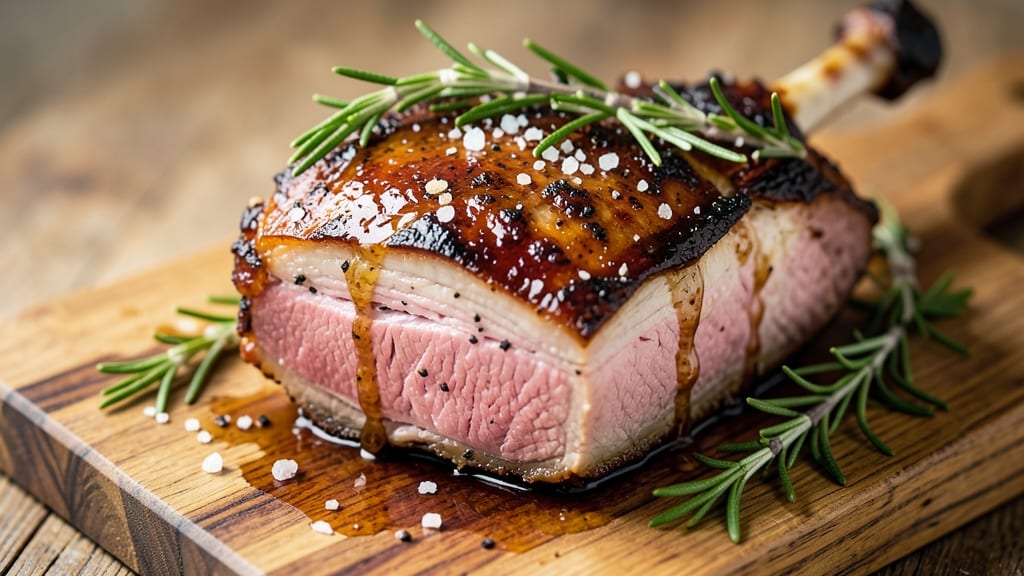
This bone-in pork leg roast recipe delivers the kind of smoky, crackling bark and juicy pink centers that make every Sunday dinner feel like a celebration. After years of perfecting this technique—from brining to basting—I’ve cracked the code for restaurant-quality pork that’s foolproof at home. The secret lies in patience: slow-roasting transforms tough meat into tender, melt-in-your-mouth perfection with a crust so crisp it’ll have your guests reaching for seconds.
What sets this recipe apart is the balance between tradition and simplicity. You’ll start with a dry brine to ensure moisture retention, then build that signature bark with a simple rub of salt, pepper, and just a touch of brown sugar—no fancy marinades required.
The bone-in method adds depth of flavor, while basting every 30 minutes keeps the exterior caramelized and the interior tender. This isn’t just pork; it’s a centerpiece that commands the table.
By the time it’s done—rested properly, of course—the result is a leg of pork with a shatteringly crisp exterior and pink, juicy meat that falls apart at the touch of a fork. The aroma alone will have everyone gathering around the table, and the first bite?
That’s when you’ll know you’ve nailed it. Serve with roasted potatoes or caramelized onions, and you’ve got a meal that feels like a Sunday supper, even on a weeknight.
This method works whether you’re cooking for a crowd or treating yourself to a special meal. The beauty of pork leg roast is its versatility—leftovers reheat beautifully, and the flavors only deepen over time. Let’s get started on a recipe that’s equal parts satisfying and impressive.
Ingredients for bone in pork leg roast
Six ingredients transform tough pork into a showstopping centerpiece with crispy bark and melt-in-your-mouth tenderness.
| Ingredient | Amount | Notes |
|---|---|---|
| Bone-In Pork Leg Roast 🍖 | 6 lb | Center-cut, rind removed |
| Kosher Salt 🧂 | 1 ½ tbsp | Diamond Crystal preferred |
| Freshly Ground Black Pepper 🌶️ | 1 tbsp | Coarsely ground |
| Light Brown Sugar 🍚 | 1 tbsp | Packed, not granulated |
| Extra-Virgin Olive Oil 🫒 | 2 tbsp | For basting |
| Fresh Rosemary 🌿 | 1 whole | Stems removed, chopped |
| Fresh Thyme 🌿 | 4 sprigs | Leaves only |
| Garlic Cloves 🧄 | 4 cloves | Smashed, not minced |
| Yellow Onion 🧅 | 1 whole | Quartered, for basting |
| Apple Cider Vinegar 🍎 | 2 tbsp | For basting liquid |
| Honey 🍯 | 1 tbsp | Optional for glaze |
| Fresh Parsley 🌿 | ¼ cup | Chopped, for garnish |
| Potatoes 🥔 | 2 lb | Russet, halved |
| Carrots 🥕 | 4 whole | Whole, for roasting |
The pork leg is the star—center-cut roasts stay juicier than shoulder cuts, and 6 pounds serves a crowd with generous leftovers. Look for a roast with visible fat marbling along the edges; this ensures flavor and moisture. Local butchers often have better cuts than grocery stores, and they’ll trim the rind for you. If you’re buying from the supermarket, check the packaging date—freshness matters for that perfect bark. The bone-in method adds depth, but if you’re short on time, a boneless leg still works (just reduce cooking time by 20-30 minutes).
No fresh rosemary? Dried works at one-third the amount, but fresh has that piney aroma that’s worth hunting down. The thyme sprigs can be swapped for dried thyme leaves (1 tsp), but fresh tied into a bundle with the garlic makes basting easier. For the basting liquid, apple cider vinegar adds tang—substitute with white wine vinegar if needed. The honey glaze is optional but gives that caramelized finish; if skipping, add an extra 1 tbsp brown sugar to the dry rub. The potatoes and carrots? Russet potatoes hold up best to roasting, and carrots with skins on add rustic texture.
Pork roasts reheat beautifully—350°F for 15 minutes with a splash of broth revives the juices. Store leftovers in the fridge for up to 5 days or freeze for 3 months. The basting liquid (onion, garlic, vinegar) keeps in the fridge for 1 week—use it for pan sauces or drizzle over roasted veggies. For next-level prep, trim and season the pork 12 hours ahead—the dry brine works magic overnight. The herbs? Chop rosemary and thyme the day of cooking to keep them vibrant.
Why You'll Love This Recipe
- Hands-Off Roast: I swear by this—just rub the pork with salt, pepper, and brown sugar, then let the oven do the work. No basting, no fuss, just melt-in-your-mouth results while you sip wine and pretend you’re a chef.
- Crispy-Sweet Magic: That caramelized crust from the brown sugar? It’s the star. The bone keeps the meat juicy inside while the edges get this addictive, sticky-sweet crunch—like a hug from a food truck.
- Leftovers for Days: One roast feeds my family for three meals. Shred it for tacos, slice it for sandwiches, or cube it into stir-fries—it’s the ultimate lazy-day ingredient that still tastes like you slaved over it.
- Budget Feast: Pork leg is cheaper than chicken thighs, and you get way more meat per dollar. Honestly, I buy it on sale, freeze half, and still have leftovers I’ll fight my kids for—proof it’s worth every penny.
Step-by-step instructions for smoky pork leg roast
Master this technique and you'll achieve a perfectly balanced roast with crispy bark and moist pink centers every time.
Prepare and Season the Pork Leg
Remove the pork leg roast from the refrigerator and pat it completely dry with paper towels. This step is critical for developing that coveted crispy bark. Pay special attention to the crevices and any remaining moisture in the cavity.
In a small bowl, combine the 1.5 tablespoons kosher salt, 1 tablespoon freshly ground black pepper, and 1 tablespoon packed light brown sugar. Rub this mixture all over the pork leg, pressing firmly so the seasoning adheres well. Don't be shy with the salt—this helps create that deep, flavorful crust. Let the seasoned roast sit at room temperature for 30 minutes before roasting to ensure even cooking.
Create the Basting Liquid and Preheat
While the pork leg rests, prepare the basting liquid by combining the 2 tablespoons extra-virgin olive oil, 2 tablespoons apple cider vinegar, and 1 tablespoon honey in a small saucepan. Heat this mixture over medium-low heat until the honey dissolves completely, then remove from heat and set aside.
Preheat your oven to 325°F. Place a roasting rack in a large oven-safe dish and position the pork leg fat-side up on the rack. The rack allows air to circulate underneath, preventing the meat from steaming. Insert a meat thermometer into the thickest part of the pork, making sure it doesn't touch bone.
Roast Low and Slow for Maximum Tenderness
Place the pork leg in the preheated oven and roast for 3 hours. This low-temperature cooking method ensures the meat remains juicy throughout. Every 45 minutes, use a spoon to baste the pork with the reserved basting liquid, tilting the pan to coat all sides. This basting helps build flavor and contributes to that beautiful bark.
After 3 hours, increase the oven temperature to 400°F. This final stage will help crisp the exterior while maintaining the juicy interior. Continue roasting until the internal temperature reaches 195-200°F—this typically takes another 1 to 1.5 hours. The meat should pull away from the bone with gentle pressure and have a deep mahogany color on the outside.
Prepare and Roast the Vegetables
While the pork leg is roasting, prepare the vegetables. Preheat the oven to 400°F (or use the same oven as the pork if space allows). Toss the 2 pounds halved russet potatoes and 4 whole carrots with the chopped fresh rosemary, thyme leaves, and smashed garlic cloves. Spread them on a separate baking sheet and roast for 45-50 minutes until tender and golden brown, stirring once halfway through.
For extra flavor, you can add the quartered yellow onion to the vegetables during the last 15 minutes of roasting. The onions will caramelize beautifully and add depth to the dish.
Rest and Garnish for Serving
Once the pork leg reaches the target internal temperature, remove it from the oven and transfer it to a cutting board. Let it rest for 20-30 minutes before carving. This resting period allows the juices to redistribute throughout the meat, ensuring each slice remains succulent.
While the pork rests, prepare the garnish by finely chopping the 0.25 cup fresh parsley. Once the pork leg has rested, carve it into ½-inch thick slices and arrange on a platter. Spoon any accumulated pan juices over the top and sprinkle generously with the chopped parsley. Serve immediately with the roasted potatoes and carrots.
Pro Tips For Making Bone In Pork Leg Roast
- USE A MEAT THERMOMETER: I learned this the hard way—guessing pork doneness leads to dry meat or undercooked danger. Aim for 195°F internal temp (yes, that high) to render fat and melt collagen into juicy perfection.
- DRY THE ROAST FIRST: Pat that pork leg bone-dry with paper towels before seasoning. Wet skin won’t crisp—it’ll steam, and you’ll end up with sad, limp bark instead of golden, crackling crust.
- SALT IN TWO STAGES: Start with 1 tsp kosher salt per pound the night before, then hit it again with another ½ tsp per pound right before roasting. This keeps the meat juicy while building that flavor-packed crust.
- BROWN SUGAR TRICK: Skip the pre-mix—rub that light brown sugar directly onto the roast in dry patches, not a sticky glaze. It caramelizes better and sticks to the meat instead of pooling in the pan.
Pro cooking tips for bone in pork leg roast
Dry Brine Magic
I can’t stress enough how game-changing a dry brine is for pork leg roast. The 1.5 tbsp kosher salt and 1 tbsp black pepper penetrate the meat deeply, creating that perfect balance of flavor and moisture.
Unlike wet brines, this method doesn’t dilute the meat—it actually enhances the natural juices. I like to season the pork 12 hours ahead and let it sit uncovered in the fridge.
This gives the salt time to work its magic, breaking down proteins and creating a surface that’s primed for that crispy bark. Trust me, this step alone makes the difference between good pork and showstopping pork. 💪
Temperature Control Secrets
Pork leg roast is all about patience—low and slow is the name of the game. Start at 325°F for 3 hours to ensure even cooking and tender meat. The key is basting every 45 minutes with that olive oil, apple cider vinegar, and honey mixture.
This isn’t just about flavor; it’s about building that bark. Once the pork hits 195-200°F internal temperature, bump the heat to 400°F for the final 1-1.5 hours to crisp the exterior. A meat thermometer is non-negotiable here—no guessing! 🌡️
Resting Like a Pro
This is where so many home cooks mess up. As soon as that pork leg comes out of the oven, it’s tempting to slice into it immediately. But resist! Let it rest for 20-30 minutes on a cutting board.
This allows the juices to redistribute, so every bite is moist and flavorful. I like to tent it loosely with foil to keep it warm. Pro tip: Use this time to prep your sides—roasted potatoes and carrots pair perfectly and can be done while the pork rests.
Patience here pays off big time. ✨
Bark Building Tips
The secret to that coveted crispy bark lies in a few key techniques. First, pat the pork completely dry before seasoning—moisture is the enemy of crispiness. Second, use a roasting rack to allow air circulation underneath. And third, don’t skip the basting!
The combination of olive oil, vinegar, and honey creates a sticky surface that caramelizes beautifully. For extra crispiness, I like to broil the pork for the final 5 minutes at 400°F, but keep a close eye on it to avoid burning. The result?
A bark so crisp it’ll shatter like glass. 🔥
Vegetable Pairings
Roasted potatoes and carrots are classic for a reason—they complement the pork perfectly. Toss them with fresh rosemary, thyme, and smashed garlic cloves for a flavor boost. I like to add the quartered onion in the last 15 minutes of roasting so it caramelizes and adds sweetness.
For a touch of acidity, drizzle everything with a little extra apple cider vinegar before serving. These sides are simple but elevate the whole meal. 🥔
Make-Ahead Shortcuts
Prep ahead to save time on cooking day. Season the pork and refrigerate it uncovered for 12 hours—this is my go-to shortcut. You can also chop the herbs and prep the basting liquid the night before.
For the vegetables, parboil the potatoes and carrots for 10 minutes ahead of time, then finish roasting them alongside the pork. This way, everything comes together with minimal effort.
The pork leg itself can be prepped and refrigerated for up to 24 hours before roasting—just let it sit at room temperature for 30 minutes before cooking. 💡
Nutrition facts
Frequently asked questions
Why does the recipe call for a bone-in pork leg?
The bone adds incredible depth of flavor and helps keep the meat moist during roasting. The bone conducts heat slowly, ensuring even cooking throughout the thickest parts. Plus, it creates a natural "skewer" effect that helps the meat hold its shape while roasting. For best results, choose a center-cut roast with visible fat marbling along the edges.
Can I use a boneless pork leg instead?
Yes, but expect slightly different results. Boneless legs cook 20-30 minutes faster and may not have the same structural integrity. If substituting, reduce the initial roasting time to 2.5 hours at 325°F and monitor closely. The bark will still form, but the meat might be slightly less tender without the bone's heat conduction.
What if my pork leg doesn't reach 195-200°F internal temperature?
Don't panic! Pork is safe to eat at 145°F, but for that fall-apart tenderness, aim for 195-200°F. If it's not reaching that temp, extend the final 400°F stage in 15-minute increments. For extra moisture, baste more frequently with the honey-vinegar mixture. The bone-in method should help, but if it's still tough, try a 10-minute rest at 275°F after initial roasting.
How do I store and reheat leftovers?
Store leftovers in an airtight container in the fridge for up to 5 days or freeze for 3 months. To reheat, wrap slices in foil and bake at 350°F for 15 minutes with a splash of broth. For sandwiches, warm gently in a pan with a little apple cider vinegar to revive the juices. Never microwave—it turns pork rubbery!
Can I make this in a slow cooker?
While possible, it won't give you that crispy bark. For best results, use the oven method, but here's a compromise: Sear the pork in a skillet first, then transfer to a slow cooker on Low for 8 hours. Finish with a 10-minute broil to crisp the exterior. The meat will be tender but won't have the same texture as oven-roasted.