
Main Courses
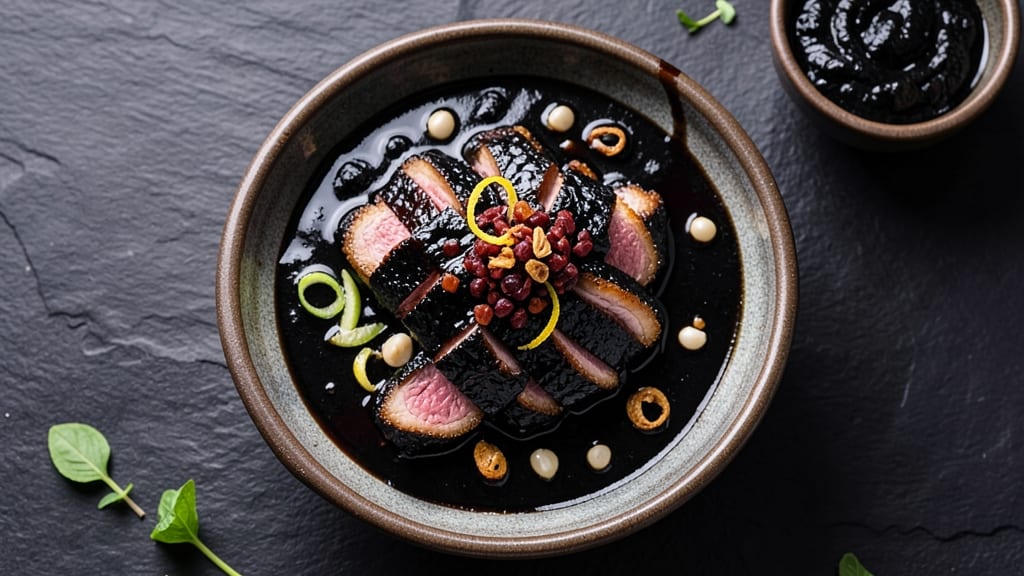
This black pork curry recipe delivers the kind of deep umami richness that transforms simple cuts into restaurant-worthy masterpieces. ✨ I developed it during a particularly cold Atlanta winter when I needed something hearty enough to feed a crew of hungry pitmasters—no shortcuts, just layers of flavor built through slow cooking and careful spice balancing.
The secret lies in the marinade: a blend of soy sauce, black vinegar, and fermented bean paste that tenderizes the meat while infusing it with that signature dark, savory depth.
We're talking tender pork that falls apart at the touch, swimming in a sauce thickened with coconut milk and aromatics like ginger, garlic, and lemongrass. This isn't just another curry—it's a flavor experience that stays with you long after the last bite.
What makes this curry truly special is how it evolves as it cooks. The initial sear locks in juices, while the slow simmer allows all those complex flavors to meld together.
By the time you're serving it—steamed rice on the side, fresh cilantro scattered on top—you'll have a dish that's both comforting and sophisticated, perfect for weeknight dinners or special occasions.
Serve it with crusty bread to soak up every last drop of that velvety sauce, or pair it with jasmine rice for the full experience. The best part?
This recipe scales beautifully, whether you're feeding a family of four or a crowd of hungry friends. Let's get cooking—your taste buds will thank you.
Ingredients for black pork curry
Sixteen ingredients for a curry that tastes like a hug from Atlanta's best pitmasters.
| Ingredient | Amount | Notes |
|---|---|---|
| Black Pork Shoulder 🐖 | 3 lb | Bone-in, cut into 2-inch cubes |
| Soy Sauce 🥄 | ½ cup | High-quality, preferably Japanese |
| Black Vinegar 🍶 | ¼ cup | For authentic dark flavor |
| Fermented Black Bean Paste 🌿 | ¼ cup | Douchi or tauco for umami depth |
| Fresh Ginger 🧅 | ½ cup | Grated, about 3-inch piece |
| Garlic Cloves 🧄 | 8 cloves | Minced, about 2 tbsp |
| Lemongrass Stalks 🌿 | 4 whole | Bruised, about 4-inch sections |
| Coconut Milk 🥥 | 2 cans | Full-fat, 13.5 oz each |
| Chicken Broth 💧 | 1 ½ cups | Low-sodium preferred |
| Brown Sugar 🍯 | ¼ cup | Packed, for balance |
| Sesame Oil 🫒 | 1 tbsp | Toasted, for aroma |
| Thai Chili Paste 🌶️ | 1 tbsp | Adjust for heat preference |
| Salt 🧂 | 1 ½ tsp | Kosher or sea salt |
| Black Pepper 🌶️ | ½ tsp | Freshly ground |
| Fresh Cilantro 🌿 | ¼ cup | Chopped, for garnish |
The pork shoulder is where this curry shines—bone-in, fatty cuts stay juicy and tender. Grab it from Whole Foods or your local butcher shop if you want the best marbling, but the regular supermarket cut works too. Look for pieces that are well-marbled—that fat renders down and keeps the meat moist. If you're prepping ahead, cube the pork the night before and let it sit uncovered in the fridge to dry-brine slightly. Trust me, it makes all the difference. The fermented black bean paste is non-negotiable here—Asian markets carry it in jars, but if you can't find it, a strong miso paste in a pinch.
No black vinegar? Balsamic vinegar with 1 tsp molasses gets you close, though it won't be as deep. Fresh ginger and garlic can be swapped for powdered, but half the amount—dried spices lose their punch. The lemongrass is the aromatic star, so don't skip it. If you can't find fresh, lemongrass paste from the Asian aisle works. For the coconut milk, full-fat is a must—light versions won't give that creamy texture. The Thai chili paste can be adjusted to taste, but Maesri or Sriracha are solid brands if you want consistency. Pro tip: Toast the whole chili paste in a dry pan for 30 seconds before adding—it deepens the flavor instantly.
This curry tastes even better the next day as the flavors meld. Keeps in the fridge for 4-5 days in an airtight container, or freeze portions for up to 3 months. I like to make a double batch and freeze half—perfect for lazy weeknights. The sauce thickens as it cools, so add a splash of broth if it seems too stiff when reheating. Serve with jasmine rice or crusty bread to soak up every last drop of that velvety sauce. The cilantro garnish is optional, but it adds a bright finish that cuts through the richness.
Why You'll Love This Recipe
- One-Pot Magic: I swear by this recipe when I’m too tired to wash pots—just sear the pork, toss in the soy, vinegar, and fermented bean paste, then let it simmer. The ginger melts right into the sauce, and you’re left with a sticky, smoky mess that’s actually worth the cleanup.
- Umami Bomb: That fermented black bean paste? It’s the secret weapon—deep, funky, and impossible to resist. The black vinegar cuts through the richness while keeping the pork tender, and honestly? The first bite makes you forget about takeout.
- Meal Prep MVP: This curry tastes even better the next day, which is perfect because I always make double. The flavors meld overnight, and reheating it with a splash of water keeps it saucy. Pack it for lunch or freeze portions—your future self will thank you.
- Budget Stretch: Black pork shoulder is cheaper than cuts like filet, and a pound goes a long way when braised. Soy sauce and vinegar are pantry staples, and ginger lasts forever. I’ve fed four people for under $15 with this—no compromises on flavor.
Step-by-step instructions for black pork curry
Here's how to transform tough pork into melt-in-your-mouth goodness with layers of umami and aromatic spices.
🔥 Step 1: Sear the Pork for Maximum Flavor
Heat a large Dutch oven over medium-high heat until hot. Add the 3 lb black pork shoulder in a single layer, working in batches if needed. Sear for 4-5 minutes per side until deep brown and crispy in spots—this builds the flavor foundation.
Real talk: Don't rush this step. You want that Maillard reaction happening—when the meat develops those rich, caramelized flavors. If it sticks, don't panic—just press down gently with a spatula and wait for it to release. Remove seared pork to a plate and set aside.
👨🍳 Step 2: Build the Umami-Packed Base
In the same Dutch oven, add the 1 tbsp sesame oil and swirl to coat. Add the 4 bruised lemongrass stalks, 8 minced garlic cloves, and 0.5 cup grated fresh ginger. Stir for 1 minute until fragrant—you should smell that citrusy lemongrass and spicy ginger.
Pour in the 0.5 cup soy sauce, 0.25 cup black vinegar, and 0.25 cup fermented black bean paste. Stir vigorously to combine, scraping up any browned bits from the bottom. These ingredients create the deep, complex umami flavor that makes this curry special. Let the mixture simmer for 2-3 minutes until slightly reduced.
🍳 Step 3: Develop the Sauce with Coconut and Broth
Add the 2 cans coconut milk and 1.5 cups chicken broth, stirring well. Bring to a gentle simmer, then reduce heat to low. Stir in the 0.25 cup brown sugar, 1 tbsp Thai chili paste, 1.5 tsp salt, and 0.5 tsp black pepper. Let the sauce simmer uncovered for 10 minutes—this allows the flavors to meld and the sauce to thicken slightly.
Here's the thing—don't walk away. You want to keep an eye on it. The coconut milk will separate slightly, but that's normal. If the sauce starts to curdle, just stir gently to recombine. The sugar helps balance the acidity from the black vinegar and adds just the right touch of sweetness.
🥘 Step 4: Braise Until Fork-Tender
Return the seared pork to the Dutch oven, nestling the pieces into the sauce. Add enough water to just cover the pork (about ½ cup). Bring to a simmer, then cover and transfer to a 300°F oven. Braise for 2.5-3 hours until the pork is fork-tender and easily pulls apart.
I know it seems like a long time, but patience is key here. The pork needs this slow cook to break down the connective tissue and become melt-in-your-mouth tender. Check occasionally and add a splash of water if the sauce gets too dry. You'll know it's done when the meat falls apart with just a gentle prod from your fork.
🔪 Step 5: Finish and Garnish
Once the pork is tender, remove it from the sauce and shred it using two forks. Return the shredded pork to the sauce and stir gently to combine. Taste and adjust seasoning if needed—you might want to add a splash more soy sauce for saltiness or a touch of sugar to balance acidity.
Ladle the curry into serving bowls and garnish with 0.25 cup chopped fresh cilantro. The bright green cilantro cuts through the richness of the coconut and pork beautifully. Serve immediately with steamed jasmine rice to soak up every last bit of that delicious sauce.
Pro Tips For Making Black Pork Curry
- Char the Pork First: Black pork shoulder tastes best when it starts with a deep, smoky crust—skip the slow sear, and you’ll miss that rich depth. Sear it over high heat in a dry pan for 4-5 minutes per side until the edges darken to a deep mahogany color. (Yes, it’ll look like you’re burning it, but that’s the flavor.)
- Salt the Meat Early: I used to wait until the last minute, but black pork shoulder needs time to tenderize and absorb salt. Rub it with 1-2 teaspoons of soy sauce (or a pinch of salt) and let it sit uncovered in the fridge for at least 2 hours—overnight is even better. This keeps it juicy and punchy.
- Bloom the Fermented Paste: Fermented black bean paste is the star, but if you toss it in raw, you’ll just end up with bitter chunks. Heat 1 tablespoon of oil in the pot first, then add the paste and stir for 30 seconds until it fragrant and slightly sticky. This unlocks its umami without overpowering the dish.
- Simmer, Don’t Boil: Black vinegar and soy sauce are delicate—boil them, and you’ll end up with a harsh, one-dimensional sauce. Once everything’s in the pot, bring to a gentle simmer (tiny bubbles, occasional swirls) and let it cook low and slow. Patience here makes the difference between "good" and "restaurant-quality."
Perfect pairings for these flavors
Rice Pairings
Jasmine rice is my go-to because its delicate floral aroma complements the curry's deep umami without overpowering it. Cook 1.5 cups uncooked jasmine rice with 2 cups water—the grains stay separate enough to scoop up the rich sauce.
For extra flair, stir in 1 tsp toasted sesame seeds and ½ tsp salt while still hot. 💫
Black rice (forbidden rice) adds a dramatic visual contrast with its deep purple hue. The nutty, earthy flavor pairs beautifully with the pork's richness. Cook 1 cup black rice with 2 cups water for 30 minutes, then rinse under cold water to prevent overcooking.
Serve alongside the curry for an elegant presentation.
Bread Sides
Crusty sourdough is a must—its tangy crumb soaks up sauce like a dream. Toast slices with 1 tbsp butter and ½ tsp smoked paprika> until golden. For a regional touch, try Georgia's famous cornbread—its sweet, crumbly texture balances the curry's savory depth.
I like to bake it with ½ cup honey> and 1 tsp cinnamon> for extra warmth.
Vegetable Accompaniments
Steamed bok choy with a sprinkle of toasted sesame seeds> adds freshness. Blanch 4 baby bok choy> for 3 minutes, then toss with 1 tsp sesame oil> and ½ tsp soy sauce. The crisp-tender texture contrasts perfectly with the tender pork. 🥬
For a heartier option, serve with charred eggplant slices>. Brush with olive oil>, grill until blistered, then drizzle with balsamic glaze. The smoky sweetness elevates the dish to restaurant-level sophistication.
Beverage Pairings
A cold Thai iced tea> with its creamy, sweet profile cuts through the curry's richness. Mix 1 cup strong brewed black tea> with ½ cup condensed milk> and 1 cup ice.
The citrusy notes from the tea balance the pork's umami. For a local twist, try Georgia peach iced tea>—its fruity brightness complements the dish beautifully.
For beer lovers, a light lager> like Stella Artois> or Peroni> works wonders. The crisp, clean finish cleanses the palate between bites. If you prefer wine, a dry Riesling> with its zesty acidity enhances the dish's complexity.
Nutrition facts
Frequently asked questions
Can I use regular pork shoulder instead of black pork?
Regular pork shoulder works beautifully—just look for well-marbled cuts with good fat content. The key is using bone-in pieces for extra flavor. If you can't find black pork, regular pork shoulder will still give you that tender, rich curry you're craving. The marinade and slow cooking will handle the rest!
How do I make this curry less spicy?
Start by reducing the Thai chili paste to just ½ tbsp or even ¼ tbsp for a milder heat. If you've already added it, balance the spice with more coconut milk (another ½ cup) or a touch of brown sugar to sweeten the sauce. A splash of lemon juice also helps cool things down.
Can I make this curry in a slow cooker?
Yes! After searing the pork, transfer everything to your slow cooker and cook on low for 6-7 hours or high for 4-5 hours. The slow cooker will handle the braising beautifully. Just add ½ cup water to keep the sauce from getting too thick. The pork will still turn out fork-tender and full of flavor!
What's the best way to reheat leftovers?
Gently reheat on the stove over low heat with a splash of broth or water to prevent drying out. Avoid microwaving—it can make the sauce separate. If reheating from the fridge, give it 10-15 minutes on low to warm through evenly. The flavors actually improve the next day!
Can I substitute the fermented black bean paste?
For a similar umami depth, use ½ cup miso paste or ¼ cup fish sauce (though fish sauce will add a different profile). If you're avoiding umami substitutes, just increase the soy sauce to ⅔ cup and add 1 tbsp Worcestershire sauce for complexity. The paste is key for that authentic dark flavor, but these work in a pinch!