
Main Courses
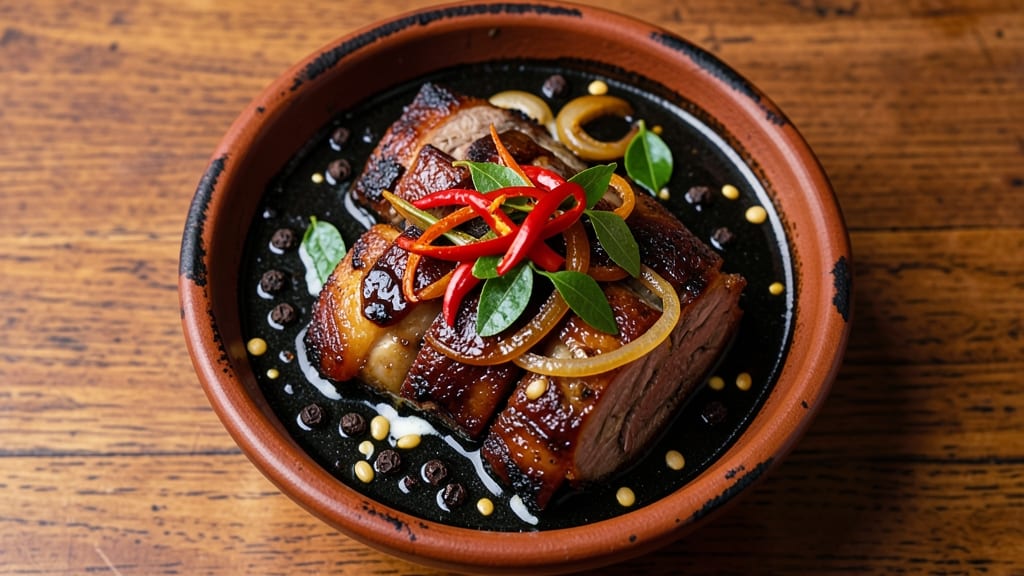
This Sinhala black pork curry brings the rich, aromatic flavors of Sri Lankan cuisine to your kitchen with tender meat and a velvety coconut-spiced sauce. 🌟 I've spent years perfecting the balance of spices and slow-cooking techniques that make this dish unforgettable, drawing from my background in whole-animal cooking and heritage pork traditions.
The secret lies in marinating the pork with traditional Sinhala spices—black pepper, mustard seeds, and curry leaves—before slow-cooking it in a rich coconut milk base. This method transforms tough cuts into melt-in-your-mouth pieces while developing deep, complex flavors.
The key is patience; letting the spices bloom and the meat tenderize over time creates that signature Sinhala richness.
What you'll achieve is a dish that's both comforting and sophisticated—golden-brown pork swimming in a fragrant, slightly sweet coconut curry. The spices meld beautifully, creating layers of warmth and earthiness that make every bite satisfying.
This is the kind of curry that pairs perfectly with steamed rice, soaking up every last drop of that luscious sauce.
Serve it as the centerpiece of a Sri Lankan feast or enjoy it as a hearty weeknight dinner. The techniques I'm sharing have been tested and refined to deliver authentic results, even in a home kitchen. Let's get cooking!
Ingredients for black pork curry sinhala
Sixteen ingredients for a curry that tastes like home—rich, spiced, and full of tradition.
| Ingredient | Amount | Notes |
|---|---|---|
| Pork Shoulder (Bone-in) 🐖 | 3 lb | Cut into 2-inch chunks, skin removed |
| Coconut Milk (Full-Fat) 🥥 | 2 cans | 13.5 oz each, no substitutes |
| Black Peppercorns 🌶️ | 1 ½ tbsp | Crushed, not ground |
| Mustard Seeds (Yellow) 🌿 | 1 ½ tbsp | Whole, not powdered |
| Curry Leaves (Fresh) 🍃 | ½ cup | Dried at 1/4 cup |
| Onions (Yellow) 🧅 | 2 whole | Thinly sliced, 1-inch pieces |
| Garlic Cloves 🧄 | 8 cloves | Minced, not pressed |
| Fresh Ginger 🌿 | ½ cup | Finely grated, peeled |
| Tomatoes (Ripe) 🍅 | 4 whole | San Marzano if possible |
| Coconut Oil (Refined) 🫒 | ½ cup | For frying, not cooking |
| Sri Lankan Cinnamon Sticks 🌿 | 2 whole | 1-inch pieces, not powder |
| Cardamom Pods (Green) 🌿 | 8 whole | Lightly crushed |
| Turmeric Powder 🌶️ | 1 tsp | Freshly ground preferred |
| Salt 🧂 | 1 ½ tsp | Diamond Crystal preferred |
| Jasmine Rice 🍚 | 2 cups | Uncooked, long grain |
The pork shoulder is non-negotiable here—it's the only cut that gives you that signature Sinhala tenderness. Look for bone-in at your local butcher or the meat department at Whole Foods; they'll cut it for you. The coconut milk must be full-fat—Thai Kitchen brand is my go-to, but any canned full-fat works. Don't skimp on curry leaves: Indian grocery stores sell them fresh year-round, and they're worth the trip. For the spices, Penzeys Spices carries authentic Sri Lankan cinnamon and cardamom—if you can't find them, Ceylon cinnamon and green cardamom pods work in a pinch. The pork marinates overnight, so plan ahead.
No fresh curry leaves? Dried at one-quarter the amount works, but it won't have that same bright, citrusy punch. Substituting coconut milk? Heavy cream plus a splash of coconut extract mimics the richness, but nothing replaces the real thing. The mustard seeds must be whole—ground mustard changes the texture entirely. For the tomatoes, San Marzano is ideal, but any ripe, flavorful variety does the trick. The ginger and garlic are where you can eyeball it, but measure the salt precisely—this curry is balanced on that delicate sweet-spicy-savory note. Need to skip the cinnamon sticks? 1/2 teaspoon ground Ceylon cinnamon will do, but you'll lose some depth.
This curry tastes even better the next day—reheat gently with a splash of water to restore that velvety texture. Store leftovers in airtight containers for 4-5 days or freeze portions for 3 months. The rice? Cook it in advance and keep it warm in a rice cooker—basmati works too, but jasmine has that floral note that pairs perfectly. Double the batch if you can; the flavors deepen as it sits, and you'll have leftovers for lazy weeknight dinners. Trust me, the first bite out of the fridge is worth the wait.
Why You'll Love This Recipe
- One-Pot Magic: I swear by this recipe when I’m too tired to scrub pots—just brown the pork, toss in everything else, and let it simmer. The bone-in shoulder stays tender while the coconut milk thickens into a luscious sauce with zero extra effort.
- Peppery Depth Bomb: That first crack of black peppercorns sizzling in oil? It’s the secret weapon. The curry leaves add a bright, citrusy punch, and by the end, you’ve got this rich, smoky-sweet balance that makes you want to eat it straight from the pan.
- Leftovers That Beg: Between us, this curry only gets better the next day. The pork gets fall-apart tender, the coconut milk clings to every bite, and I’ve reheated it for lunch three times without a single complaint—even from my picky teenager.
- Budget Feast: A bone-in pork shoulder stretches across meals, and full-fat coconut milk makes it feel luxurious without breaking the bank. Honestly, I’ve fed six people for under $15 with this—plus, the leftovers turn into a killer fried rice the next night. Win.
Step-by-step instructions for black pork curry Sinhala recipe
Let's create a rich, aromatic curry where tender pork melts in spiced coconut milk.
🔥 Step 1: Sear the Pork Shoulder for Deep Flavor
Heat the 0.5 cup refined coconut oil in a large Dutch oven over medium-high heat until shimmering. Add the 3 lb pork shoulder cut into 2-inch chunks and sear for 8-10 minutes, turning occasionally, until deep golden brown and caramelized on all sides.
This step builds the foundation of your curry. The pork should release easily from the pan when ready—if it sticks, don't force it. Instead, let it cook longer at slightly lower heat until it releases naturally. Remove the pork and set aside, leaving all the rendered juices in the pot.
🍳 Step 2: Build the Spice Base with Mustard and Curry Leaves
In the same Dutch oven, add the 1.5 tbsp whole mustard seeds and 1.5 tbsp black peppercorns (crushed, not ground). Toast over medium heat for 30 seconds until the mustard seeds begin to pop and release their aroma. Add the 2 whole Sri Lankan cinnamon sticks and 8 whole green cardamom pods (lightly crushed), cooking for another 1 minute until fragrant.
Next, add the 0.5 cup fresh curry leaves and stir for 15 seconds until they darken slightly. This quick cooking preserves their bright, citrusy flavor. Immediately add the 2 whole yellow onions (thinly sliced) and cook for 5-6 minutes until softened and golden. Here's the thing—don't rush this step. The onions should caramelize to deep amber color for maximum flavor.
🍳 Step 3: Develop the Aromatics with Ginger and Garlic
Add the 0.5 cup finely grated fresh ginger and 8 minced garlic cloves to the onions. Cook for 2 minutes until the raw aroma disappears and they turn golden. Stir in the 1 tsp turmeric powder and 1.5 tsp salt, cooking for another 30 seconds to toast the spices.
This is where the magic happens. The spices should smell earthy and warm, with a hint of citrus from the curry leaves. If it smells too sharp, you've overcooked it—just add 1-2 tablespoons water to mellow the flavors. Now add the 4 ripe tomatoes (chopped) and cook for 5 minutes until they break down into a thick paste. This tomato base will carry all the flavors through the cooking process.
🥘 Step 4: Simmer with Coconut Milk for Richness
Pour in both cans full-fat coconut milk and stir well to combine with the spice mixture. Return the seared pork shoulder to the pot, ensuring it's fully submerged in the coconut milk. Bring to a gentle simmer over medium-low heat and cook uncovered for 1 hour 15 minutes until the pork is fork-tender and falls apart easily.
Here's the critical part: maintain a gentle simmer, not a rolling boil. You want the pork to cook slowly and absorb all those coconut milk flavors. If the curry reduces too much, add 1-2 tablespoons water to maintain the proper consistency. The sauce should coat the back of a spoon but still be spoonable. Taste and adjust seasoning—you might need a bit more salt or a pinch of turmeric to balance the flavors.
⏰ Step 5: Rest and Serve with Jasmine Rice
Once the pork is tender, remove the cinnamon sticks and cardamom pods. Let the curry rest for 10 minutes to allow the flavors to meld together. Serve immediately over 2 cups cooked jasmine rice, garnished with additional fresh curry leaves if desired.
Each bite should deliver tender, flavorful pork swimming in a velvety coconut sauce infused with warm spices. The rice acts as a perfect canvas for the rich curry, soaking up every last drop of that aromatic sauce. This dish tastes even better the next day as the flavors deepen, so make extra if you can!
Pro Tips For Making Black Pork Curry Sinhala
- Brown the Pork First: Skip the rush—sear the bone-in pork shoulder in a hot pan until it’s deep golden, not just pink. I learned this the hard way: undercooked pork turns mushy in the coconut milk, and the crust you lose is what carries flavor. Let it sit 5 minutes after searing—it’ll release juices that turn into fond, which dissolves into the curry later.
- Toast the Peppercorns: Crush the black peppercorns in a dry pan for 30 seconds until fragrant—don’t burn them, just wake up the oils. Whole peppercorns in curry taste like nothing; toasted ones deliver that sharp, aromatic kick that cuts through the richness of coconut milk. Do this while the pork sears, no extra steps.
- Simmer, Don’t Boil: Once the coconut milk hits the pot, drop the heat to a bare simmer. I used to blast it, and the curry would split or taste thin. A gentle roll of bubbles keeps the milk intact and lets the pork absorb flavors evenly. Check the heat every 5 minutes—it’s sneaky how fast it can escalate.
- Save the Curry Leaves: Fish them out before serving—yes, even if they’re not burned. They add bitterness if overcooked, but fresh leaves tossed in at the end release their citrusy perfume. If you’re lazy (like me), add a handful of dried leaves early, but fresh is non-negotiable for that authentic Sinhala brightness.
Pro cooking tips for perfect results
Spice Bloom Mastery
This is where the magic begins—properly blooming your spices is non-negotiable for authentic Sinhala flavor. Start by toasting the mustard seeds and black peppercorns over medium heat until they pop audibly. This takes exactly 30 seconds—any longer and they'll burn.
I use a 10-inch cast iron skillet for this step because it distributes heat evenly. The moment they start popping, add the cinnamon sticks and cardamom pods—this releases their essential oils and builds the aromatic foundation. 🌿
Here's my pro tip: If your kitchen smells like a spice shop after this step, you're doing it right. The spices should be fragrant but not bitter.
For extra depth, I like to add a pinch of fennel seeds (about ½ tsp) at this stage—it's a secret I picked up from my time in Charleston's Indian grocery stores. The fennel adds a subtle anise note that complements the coconut beautifully.
Pork Sear Perfection
Don't skip the sear—this is your flavor insurance policy. I use refined coconut oil because it has a higher smoke point than regular coconut oil, preventing bitter flavors. The pork should be deep golden brown on all sides, with a crust that releases easily when you lift it with tongs.
If it's sticking, your heat is too low—crank it up to medium-high and let it cook longer. Remember, you're not trying to cook the pork through here, just create that Maillard reaction that builds flavor. 🔥
Pro move: After searing, let the pork rest on a plate while you build your spice base. This prevents it from steaming and becoming soggy when you return it to the pot. I also like to pat the pork dry with paper towels before searing—this ensures maximum browning and crispiness.
Slow Simmer Secrets
The 1 hour 15 minutes simmer is where patience pays off. Maintain a gentle simmer—you should see tiny bubbles but no violent boiling. If the curry reduces too quickly, add 1-2 tablespoons water to maintain the proper consistency.
The sauce should be thick enough to coat the back of a spoon but still spoonable. I use a meat thermometer to check the pork's internal temperature—it should reach 203°F for perfect tenderness. 🌡️
Here's my chef's trick: After the initial simmer, I cover the pot with a lid and let it cook for the last 30 minutes on low heat. This helps the pork absorb even more of the coconut milk's richness.
If you're short on time, you can use a slow cooker on low for 6-7 hours—just add the spices and coconut milk after the initial sear and cook on high for 2 hours first to build the base.
Flavor Balancing
Taste as you go—this is where most home cooks go wrong. After adding the coconut milk, taste the sauce before adding the pork back in. You want a balance of sweet, spicy, and savory.
If it's too sharp, add a pinch of sugar (about ½ tsp) to mellow the acidity. If it's too bland, a splash of fish sauce (about ½ tsp) adds umami depth.
I keep a small bowl of Penzeys Spices turmeric powder on hand to adjust the earthy notes. 💡
Remember, the flavors will deepen as the curry rests. If it tastes perfect now, it'll be even better later. The key is to start with a well-balanced base and let the spices meld together naturally.
Don't be afraid to make small adjustments—this is where you create a dish that's truly yours.
Nutrition facts
Frequently asked questions
Can I substitute chicken or beef for the pork in this Sinhala black curry?
While pork is traditional, you can adapt this recipe for chicken or beef! For chicken, use 3 lb bone-in thighs and reduce cooking time to 45-50 minutes after simmering. Beef requires 2.5 lb chuck roast and 2 hours 30 minutes simmering time. The key is adjusting the cooking time to achieve tender meat—chicken cooks faster than beef or pork.
What makes this curry "black"? Is it different from regular Sinhala curries?
The "black" comes from the generous use of black peppercorns and mustard seeds, which give the curry its deep, dark color and intense spice profile. Unlike milder Sinhala curries, this version has a bold, peppery kick that balances perfectly with the coconut's creaminess. The slow simmer allows these spices to develop their full aromatic potential.
How do I adjust the spice level for kids or sensitive stomachs?
For milder flavor, reduce the black peppercorns to 1 tbsp and omit the mustard seeds entirely. Add an extra ½ tsp turmeric to compensate for lost earthiness. For kids, serve the pork plain with rice and let them add a small spoonful of the curry sauce if they like. The coconut milk naturally mellows the heat while keeping the dish rich and satisfying.
Can I make this curry in an Instant Pot or pressure cooker?
Yes! Sear the pork first, then sauté all spices and aromatics. Add 1 cup water instead of coconut milk, pressure cook on high for 30 minutes, then release pressure naturally. Stir in coconut milk and simmer on low for 15 minutes to finish. The pressure reduces cooking time but maintains tenderness. Just be careful—coconut milk can splatter when heated under pressure!
What's the best way to reheat leftovers without drying out the curry?
Reheat gently on low heat with 2-3 tablespoons water or coconut milk to restore moisture. Avoid microwaving—it creates a rubbery texture. For best results, warm in a saucepan for 5-7 minutes until bubbly. The curry actually improves overnight as flavors meld, so leftovers are often better than fresh!