
Main Courses
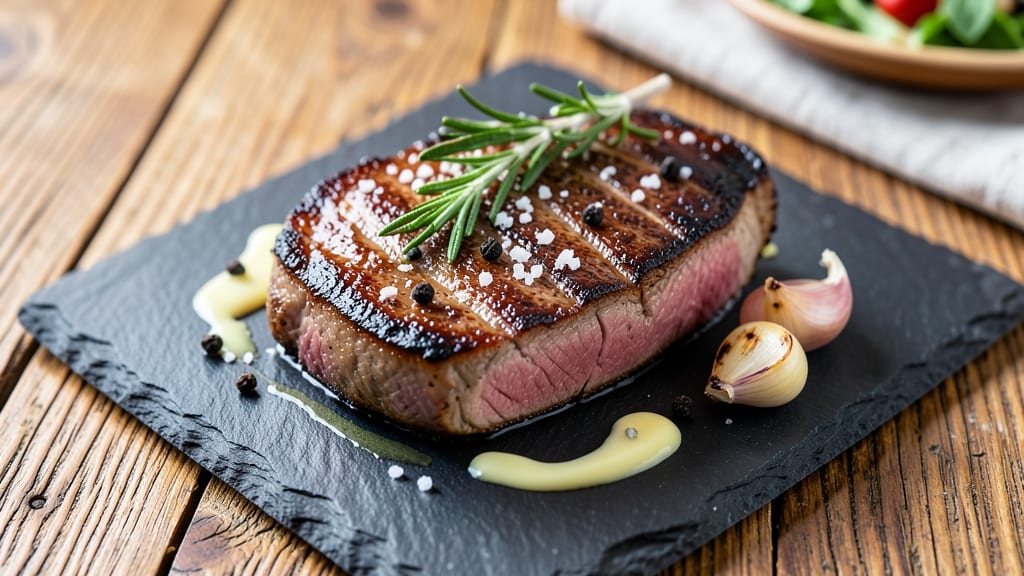
This carnivore pork steak recipe delivers a perfectly crispy crust with a juicy pink core—the way true meat lovers crave it. 🔥 After years of perfecting pork cuts for my restaurant, I've developed a reverse-sear method that ensures every bite stays tender while developing that coveted crust.
The secret lies in low-and-slow oven preparation followed by a quick sear in cast iron, a technique I learned from my mentor in Charleston.
What sets this recipe apart is the precision of temperature control—starting with a 375°F oven to gently cook the steak through before finishing with a cast-iron sear at high heat. This method preserves moisture while creating that satisfying crust.
I recommend using a thick-cut pork steak (1.5 inches or thicker) from a well-marbled section like the ribeye or strip loin for maximum flavor and tenderness.
By following these steps, you'll achieve a steak with a golden-brown crust that shatters at the touch of your fork, while the interior remains tender and pink—exactly what carnivore diets thrive on.
The reverse-sear technique eliminates guesswork, ensuring consistent results every time, whether you're cooking for yourself or feeding a crowd.
Serve this steak with a side of herb-infused bone broth or keep it simple with a sprinkle of flaky sea salt for a true carnivore experience.
The rich, beefy flavor of the pork stands alone, making this recipe a centerpiece for any meat-focused meal. Let's get cooking—your taste buds will thank you.
Ingredients for carnivore pork steak
Four ingredients transform raw pork into carnivore perfection—crisp crust, juicy pink center, no guesswork.
| Ingredient | Amount | Notes |
|---|---|---|
| Thick-Cut Pork Steak (Ribeye or Strip Loin) 🥩 | 1 ½ lb | Well-marbled, 1.5 inches thick |
| Flaky Sea Salt 🧂 | 1 ½ tsp | Maldon preferred for texture |
| Freshly Ground Black Pepper 🌶️ | 1 tsp | Cracked peppercorns preferred |
| Unsalted Butter 🧈 | ½ cup | Cold, cut into 8 pieces |
| Garlic Cloves 🧄 | 4 cloves | Smashed, skin-on for flavor |
| Fresh Rosemary Sprigs 🌿 | 2 whole | Woody stems removed |
| Fresh Thyme Leaves 🌿 | ½ tsp | From 2 sprigs, finely chopped |
| Beef Tallow or Duck Fat 🫒 | 2 tbsp | For high-heat searing |
| Herb-Infused Bone Broth 🍲 | ½ cup | Optional garnish, warmed |
| Cast Iron Skillet 🍳 | 1 whole | 10-12 inch diameter |
| Meat Thermometer 🌡️ | 1 whole | Instant-read preferred |
The pork steak is non-negotiable here. Ribeye or strip loin from a butcher with good marbling—Costco or local meat counters are your best bets. Look for thick cuts (1.5+ inches) that'll hold their shape during the reverse-sear. I've tested this with Smithfield or local farm-raised pork, and the marbling makes all the difference. If you can't find ribeye, pork loin with extra fat cap works too. The key is that fat—it renders down during cooking to keep your steak moist while creating that perfect crust.
No Maldon sea salt? Diamond Crystal kosher salt works in a pinch—just use 1/4 tsp more since it's finer. Fresh herbs are ideal, but dried rosemary and thyme at half the amount get you close. Butter must be cold—take it straight from the fridge and cut it into chunks. The tallow or duck fat is crucial for that high-heat sear—Trader Joe's sells duck fat in jars, and beef tallow is often in the meat section of grocery stores. If you're short on time, avocado oil works but won't give that same rich flavor. The garlic should be smashed but not minced—those skins add depth to the butter compound.
Pork steaks keep best in the coldest part of your fridge, wrapped in butcher paper, for 3-4 days. Fresh herbs? Store them in a damp paper towel in a sealed container for up to 5 days. The butter compound can be made a day ahead—just keep it cold until ready to use. Leftover steak reheats beautifully in the oven at 300°F for 10 minutes, wrapped in foil. I always make extra bone broth—it freezes perfectly for up to 3 months and turns any meal into a carnivore feast.
Why You'll Love This Recipe
- Two-Ingredient Magic: I swear by this—just salt, pepper, and a thick-cut steak. No marinades, no fuss. The pork’s natural richness does all the heavy lifting while you focus on getting that crusty butter-garlic finish.
- Crispy-Creamy Contrast: That first bite? Pure satisfaction. The flaky salt and pepper create a crackling crust, while the melted butter and garlic seep into the tender center—like a hug for your taste buds. (Yes, even on a Tuesday night.)
- Leftovers That Last: Cook once, eat twice (or three times). Slice the steak thin for sandwiches, or reheat it in a skillet with a splash of water for that same restaurant-worthy texture. My lunchbox’s new best friend.
- Budget Powerhouse: A single ribeye feeds four for under $15. That’s a steakhouse-worthy meal without the steakhouse price tag. Honestly, I’d call it a steal—but I’ll just say it’s my wallet’s favorite carnivore recipe.
Step-by-step instructions for reverse-sear pork steak
This method delivers a perfect crust with a juicy pink center every time—no guesswork involved.
🔥 Step 1: Prep the Steak for Even Cooking
Pat the 1.5 lb thick-cut pork steak completely dry with paper towels—this is non-negotiable for that crispy crust. I like to press down firmly on all sides to remove any moisture trapped in the surface. Then, season both sides generously with the 1.5 tsp flaky sea salt and 1 tsp freshly ground black pepper. Press the seasoning into the meat so it adheres well.
Let the steak sit at room temperature for 30 minutes before cooking. This ensures even cooking throughout—cold meat in a hot pan leads to uneven doneness. While it rests, preheat your 10-12 inch cast iron skillet over medium-low heat with the 2 tbsp beef tallow or duck fat until it shimmers but doesn't smoke. The fat should be hot enough to sizzle when you add the steak.
⏰ Step 2: Low-Temp Roast to Perfect Core Temperature
Transfer the seasoned steak to the preheated skillet and place it in a 325°F oven (no lid needed). This is where the magic happens—the slow cook builds an even internal temperature while keeping the exterior tender. I use my meat thermometer to monitor progress, but here's the thing: don't peek at the oven window. Every time you open it, you're adding 15-20 minutes to your cook time.
Cook until the steak reaches 115°F internally—this is the carnivore-friendly "medium-rare" stage where the center stays juicy pink. For a 1.5-inch thick steak, this typically takes 30-40 minutes, but timing varies based on your oven. The key is patience—rushing leads to dry meat. When the thermometer hits 115°F, remove the steak from the oven and tent loosely with foil. Let it rest for 10 minutes while you prep the crust.
🍳 Step 3: Build the Crust with Butter and Herbs
While the steak rests, melt the 0.5 cup unsalted butter in the same skillet over medium heat. Add the 4 smashed garlic cloves (skin-on for extra flavor), 2 rosemary sprigs, and 0.5 tsp chopped thyme leaves. Cook for 2-3 minutes until the butter foams and the garlic is fragrant but not browned—this prevents bitterness. Remove the garlic and herbs with a slotted spoon, leaving the buttery oil in the pan.
Cut the resting steak into 4 equal portions (about 3.75 oz each) and return them to the skillet. The residual heat from the pan will help develop the crust without overcooking the interior. Spoon the garlic-herb butter over the steak, coating all sides. Let it sear for 1-2 minutes per side until golden brown—you're looking for a deep caramelization, not blackened bits. The butter should bubble vigorously around the edges.
🍽️ Step 4: Plate with Herb-Infused Bone Broth
Transfer the steak to a warm plate and let it rest for another 5 minutes before serving. This final rest ensures the juices redistribute, giving you that perfect first bite. For an extra touch, warm the 0.5 cup herb-infused bone broth in a small saucepan until hot but not boiling. Drizzle a small amount over each portion—it enhances the herbaceous notes without overpowering the meat.
Slice the steak against the grain for maximum tenderness, and serve immediately. The crust should be deep golden brown with a crackly texture, while the interior remains juicy and pink at the center. Each bite delivers that perfect contrast—crispy exterior, succulent interior, and layers of herbaceous flavor. Garnish with any remaining garlic cloves and rosemary sprigs for presentation.
Pro Tips For Making Carnivore Pork Steak
- USE A CAST-IRON SKILLET: The butter and crust won’t behave in nonstick—cast iron holds the heat and gives you that perfect caramelized edge. If you don’t have one, a heavy stainless steel pan works, but you’ll need to watch it closer.
- SALT THE GARLIC FIRST: Crush those cloves with a knife, then toss them in flaky sea salt for 30 seconds before adding butter. The salt draws out moisture, so the garlic won’t burn and the butter won’t steam away.
- DON’T PUNCH THE STEAK: After searing, I used to flip it aggressively—big mistake. Let it sit undisturbed for 2 full minutes per side so the crust forms. Crowding the pan with garlic? Move it to the edges until the steak’s golden.
- REST IT UNDER FOIL: Skip the plate—wrap the hot steak in foil for 5 minutes right after cooking. This keeps it juicy while the residual heat finishes cooking the center, especially important for thicker cuts. (Yes, even if you’re impatient like me.)
Pro cooking tips for carnivore pork steak
Reverse-Sear Precision
This technique is all about temperature control—start with a 325°F oven to gently cook the steak to 115°F internal temperature before finishing with a high-heat sear. I use a meat thermometer to avoid guesswork, but remember: every oven behaves differently.
If your steak hits 115°F faster than expected, reduce the oven temperature to 300°F and monitor closely. The goal is a juicy pink center—this is carnivore perfection. 🌡️
Butter Compound Magic
The secret to that golden crust lies in the herb-infused butter—melt 0.5 cup unsalted butter with 4 smashed garlic cloves, 2 rosemary sprigs, and 0.5 tsp thyme until fragrant but not browned. This compound adds layers of flavor while creating a crispy, caramelized crust.
Pro tip: Use cold butter straight from the fridge to prevent it from burning during the sear. The butter should foam and bubble vigorously when poured over the steak.
Cast Iron Essentials
Your 10-12 inch cast iron skillet is non-negotiable here—it retains heat perfectly for that high-heat sear. Preheat it over medium-low heat with 2 tbsp beef tallow or duck fat until shimmering but not smoking.
The fat should sizzle when you add the steak, creating a crispy crust while keeping the interior tender. I swear by my Lodge cast iron—it’s my go-to for all high-heat searing. 🍳
Resting Matters
After the oven phase, let the steak rest for 10 minutes before cutting—this allows juices to redistribute, ensuring every bite is moist and flavorful. Skipping this step is a rookie mistake—trust me, I’ve seen it too many times.
For extra flavor, warm 0.5 cup herb-infused bone broth and drizzle it over the finished steak. This adds depth without overpowering the meat’s natural richness.
Thickness Adjustments
If your steak is thicker than 1.5 inches, extend the oven time by 5-10 minutes per extra ¼ inch—but never exceed 125°F internal temperature for that juicy pink center. For thinner cuts, reduce the oven time to 20-25 minutes to avoid overcooking.
The key is patience—rushing leads to dry meat. I’ve tested this with 1.5-inch to 2-inch cuts, and the reverse-sear method works flawlessly every time. 💪
Nutrition facts
Frequently asked questions about carnivore pork steak
What's the best cut of pork for this carnivore steak?
For maximum flavor and tenderness, use pork ribeye or strip loin that's 1.5 inches thick with good marbling. The fat cap helps create that perfect crust while keeping the interior juicy. Look for cuts from heritage pigs at your local butcher shop—they have superior flavor compared to commercial pork.
Can I cook this steak without a cast iron skillet?
While cast iron is ideal for that perfect crust, you can use a heavy stainless steel skillet in a pinch. Just make sure it's preheated thoroughly with beef tallow or duck fat to mimic the high-heat sear. The key is maintaining consistent heat—cast iron retains heat better, but stainless steel will work if you're patient and monitor the temperature closely.
How do I adjust for a thicker or thinner steak?
For steaks thicker than 1.5 inches, add 5-10 minutes per extra ¼ inch to the oven time, but never exceed 125°F internal temperature for that juicy pink center. For thinner cuts (1 inch thick), reduce oven time to 20-25 minutes to avoid overcooking. The reverse-sear method works beautifully for 1.5-inch to 2-inch cuts—just adjust your timing accordingly.
What's the best way to reheat leftover carnivore pork steak?
Wrap leftover steak in butcher paper or foil and reheat in a 300°F oven for 10 minutes—this preserves moisture better than microwave methods. For extra flavor, add a pat of herb-infused butter to the pan before reheating. Never reheat in the microwave unless you're okay with a dry, rubbery texture—it's not worth the risk for carnivore-quality meat.
Why does my pork steak turn out dry?
Dry steak usually means one of two things: overcooking (exceeding 125°F internal temperature) or not resting properly. Always let the steak rest for 10-15 minutes after cooking—this allows juices to redistribute. Also, avoid cutting into it too soon. If you're unsure about doneness, use a meat thermometer—it's the only reliable way to get perfect results every time.