
Main Courses
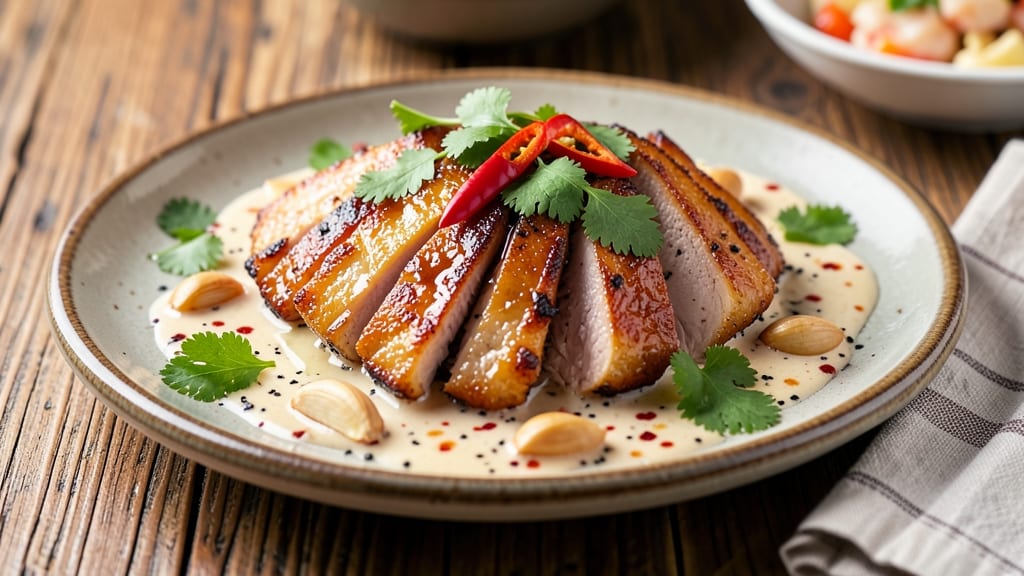
This Bicol Express Pork Belly recipe delivers the bold, tangy flavors of the Philippines' most iconic dish—crispy, vinegar-shredded pork belly with tender celery crowns and a rich coconut milk base. 🔥 I first tasted this dish in a Manila street food stall, and the memory of that first bite—smoky, vinegary, and perfectly balanced—stayed with me.
The secret lies in slow-cooking the pork belly until it practically falls apart, then finishing it with a splash of vinegar for that signature tang.
What sets this recipe apart is the technique of browning the pork belly before simmering it in coconut milk, shrimp paste, and chili—a process that builds deep, complex flavors. The celery crowns, a signature element, get tender and slightly crispy, absorbing the rich sauce while adding texture.
This dish is a celebration of contrasting flavors: the sweetness of coconut milk, the tang of vinegar, and the heat of chili, all coming together in perfect harmony.
The result is a dish that’s as impressive to serve as it is delicious to eat—golden-brown pork belly that shreds easily, velvety coconut broth, and celery crowns that are crisp at the edges and tender inside.
The aroma alone will have everyone gathering around the table, and the first bite delivers that unmistakable Bicol Express experience. It’s the kind of recipe that turns a simple weeknight dinner into a memorable feast.
Pair it with steamed jasmine rice to soak up every last drop of that flavorful sauce, and don’t forget the atchara—a sweet and tangy pickled papaya that cuts through the richness.
This is comfort food at its finest, and once you try it, you’ll understand why it’s a staple in Filipino households. Let’s get cooking!
Ingredients for bicol express pork belly
Here’s what you’ll need to recreate that smoky, vinegary Bicol magic at home—just 14 ingredients for a dish that tastes like a Manila street stall.
| Ingredient | Amount | Notes |
|---|---|---|
| Pork Belly 🥓 | 2 lb | Skin-on, cut into 2-inch chunks |
| Coconut Milk 🥥 | 2 cans | Full-fat, 13.5 oz each, unsweetened |
| White Vinegar 🍶 | ½ cup | Distilled preferred for tang |
| Shrimp Paste 🦐 | 2 tbsp | Filipino-style, not fish sauce |
| Red Chili Peppers 🌶️ | 3 whole | Bird's eye or Thai chilies, whole |
| Garlic Cloves 🧄 | 8 cloves | Minced, fresh preferred |
| Onion 🧅 | 1 whole | Yellow or white, sliced |
| Celery Crowns 🥬 | 4 whole | Large heads, cut into quarters |
| Salt 🧂 | 1 ½ tsp | Kosher or sea salt |
| Black Peppercorns 🌶️ | ½ tsp | Freshly ground preferred |
| Brown Sugar 🍬 | 2 tbsp | Light or dark, packed |
| Olive Oil 🫒 | 2 tbsp | For browning pork belly |
| Bay Leaves 🌿 | 2 whole | Dried, for depth of flavor |
| Jasmine Rice 🍚 | 2 cups | Uncooked, for serving |
The pork belly is non-negotiable—look for thick-cut pieces with good fat marbling (that’s where the flavor hides). Filipino markets or Asian grocery stores usually have the best cuts, but if you’re at a regular supermarket, check the butcher section for 'pork belly slabs'. Skip the pre-cut chunks if you can—whole slabs give you more control over the size. For shrimp paste, Alipato or La Choy are the brands I grab every time, but any Filipino-style paste will work. The celery crowns? Grab the biggest ones you can find—they’ll hold up better during cooking and give you that satisfying crunch.
No shrimp paste? Anchovy paste at half the amount works in a pinch, but trust me, it’s not the same. Running short on coconut milk? Light coconut milk plus a splash of heavy cream mimics the richness. The chilies can be swapped for red pepper flakes (1 tsp)**, but you’ll lose that smoky depth. Vinegar substitute? Rice vinegar or apple cider vinegar both work, but distilled gives you that clean tang. And if you’re feeling fancy, toast the garlic and onion in the olive oil until they’re golden—that extra minute makes all the difference. The celery crowns can be prepped ahead and stored in water in the fridge for up to 3 days.
This dish tastes even better the next day, so make extra if you can—it reheats beautifully. Store leftovers in the fridge for up to 4 days, or freeze for 3 months (the sauce thickens when frozen, so add a splash of water when reheating). For serving, I always cook 2 cups jasmine rice—it soaks up that rich, vinegary sauce like a dream. Pro tip: Save the celery crowns from the bottom of your pot—they’ll be extra tender and perfect for rice topping.
Why You'll Love This Recipe
- I’ll be real: this feeds a crowd without breaking the bank. Double the batch for leftovers, or serve it at gatherings—it’s hearty enough for a main but simple enough for a casual dinner.
- Pork Belly Magic in Minutes: Honestly, this dish comes together faster than you’d think—just sear the pork belly until it’s golden, then toss it into simmering coconut milk, vinegar, and shrimp paste. No fancy techniques, no stress.
- That Crispy-Creamy Bite: Between us, the contrast of tender, caramelized pork belly against the rich, slightly tangy coconut sauce is chef’s kiss. The chili peppers add just enough heat to make it unforgettable.
- Weeknight or Party Star: I’ll be real: this feeds a crowd without breaking the bank. Double the batch for leftovers, or serve it at gatherings—it’s hearty enough for a main but simple enough for a casual dinner.
Step-by-step instructions for Bicol Express pork belly
Here's how to make this iconic Filipino dish with perfectly crispy pork and tender celery crowns.
🔥 Step 1: Brown the Pork Belly for Maximum Flavor
Heat a large skillet over medium-high heat and add the 2 tablespoons olive oil. Once shimmering, add the 2 lb pork belly in 2-inch chunks, skin-side down. Let it cook undisturbed for 5-6 minutes until the skin turns deep golden brown and crispy.
Flip the pork belly pieces and cook for another 3-4 minutes until browned on all sides. The skin should be crackling and the fat should start to render out. This browning step creates that irresistible crunch and deep flavor that makes Bicol Express special. Transfer the pork to a plate and set aside.
🍳 Step 2: Build the Smoky Vinegar Base
In the same skillet (don't clean it—the browned bits are flavor gold), add the 1 whole onion sliced, 4 whole celery crowns cut into quarters, and 8 cloves garlic cloves minced. Sauté for 5-6 minutes until the vegetables soften and the garlic becomes fragrant.
Add the 3 whole red chili peppers (leave them whole for heat control) and cook for 1 more minute. Pour in the 0.5 cup white vinegar and let it simmer for 2-3 minutes until it reduces by half and becomes slightly syrupy. This tangy base is the soul of Bicol Express—don't skip this step!
🥘 Step 3: Create the Coconut Milk Sauce
Add the 2 tablespoons shrimp paste to the skillet and stir for 30 seconds** until it dissolves completely. Pour in the 2 cans coconut milk and bring to a gentle simmer. Stir in the 2 tablespoons brown sugar, 1.5 teaspoons salt, and 0.5 teaspoon black peppercorns.
Add the 2 whole bay leaves and return the pork belly to the pot. Cover and simmer on low heat for 45-50 minutes, stirring occasionally, until the pork is fork-tender and easily shreds. The sauce should thicken slightly but remain creamy—this is where all the flavors meld together.
⏰ Step 4: Shred and Serve with Jasmine Rice
Once the pork is tender, use two forks to shred it directly in the sauce. The pork should pull apart easily with minimal resistance. Taste and adjust seasoning if needed—you might want to add a splash more vinegar for extra tang or a pinch more salt.
Serve the Bicol Express immediately over 2 cups cooked jasmine rice, spooning generous amounts of pork and sauce over each serving. The crispy pork skin should contrast beautifully with the creamy coconut sauce, and the celery crowns should be tender but still hold their shape. Garnish with extra chili peppers if you love heat!
Pro Tips For Making Bicol Express Pork Belly
- CRISP THE BELLY FIRST: Skip the soft pork belly—cut it into 1-inch cubes, then sear them in a screaming-hot pan with 1 tablespoon of oil until deep golden brown on all sides. I learned this the hard way: if you steam or simmer raw pork belly, it turns out greasy and mushy. The crust is what makes this dish sing.
- SIMMER THE COCONUT MILK: Don’t dump cold coconut milk into the pot—heat it first with the shrimp paste and chili peppers until it just starts to bubble. This blooms the flavors and prevents curdling when it hits the vinegar later. (Yes, even if you’re impatient like me.)
- CONTROL THE VINEGAR: Add the white vinegar gradually while stirring, or you’ll end up with a soupy, watered-down mess. Start with a splash, let it mingle, then add more until the sauce tightens. Too much too fast, and your bicol turns into a sad, thin stew.
- USE THE FAT: Skim some of the pork belly fat before simmering, but leave about 2 tablespoons in the pot—it renders flavor like nothing else. My grandmother swore by this, and she was right: the fat carries the shrimp paste and chili notes into every bite. (Don’t drain it all—your future self will thank you.)
Perfect pairings for bicol express pork belly
Filipino Beverage Pairings
Nothing complements Bicol Express like a refreshing Calamansi juice—this citrusy, slightly tart drink cuts through the richness of the coconut milk and vinegar. I grab fresh calamansi from my local Filipino market and mix 1 cup juice with ½ cup water and ice.
The bright acidity mirrors the dish's tangy profile perfectly. 🍹
For beer lovers, a crisp San Miguel Light or Red Horse works wonders. The light body and subtle maltiness won't overpower the dish, while the effervescence cleanses your palate between bites.
If you prefer something stronger, a Filipino-style rum like Tanduay—sipped neat or over ice—adds a warm, caramel note that pairs beautifully with the pork's smoky depth.
Sweet Contrasts
Balance the bold flavors with a scoop of ube halaya, a Filipino purple yam jam. The sweet, earthy jam contrasts the vinegar perfectly. I serve it chilled with a dollop of coconut cream on top.
For a more modern twist, try halo-halo ice cream—its mix of sweet beans, jellies, and shaved ice cools the palate while complementing the dish's tropical elements.
Spicy & Tangy Sides
Serve with atchara, sweet and tangy pickled papaya, to cut through the richness. The vinegar in the atchara enhances the Bicol Express's tang while adding a refreshing crunch.
For extra heat, offer siling labuyo (bird's eye chili) on the side—let guests add it to their plates for a personalized kick. 🌶️
Creamy Complements
Finish the meal with a scoop of turon, a Filipino banana lumpia rolled in caramelized sugar. The crispy, sweet exterior and creamy banana filling provide a satisfying contrast to the savory pork.
For a lighter option, serve ginataang gulay**, a steamed vegetable dish in coconut milk, to extend the meal's tropical vibe without overwhelming the palate.
Nutrition facts
Frequently asked questions
Can I substitute shrimp paste in this recipe?
You can use anchovy paste at half the amount (1 tbsp instead of 2 tbsp) in a pinch, but the flavor won't be identical. Shrimp paste gives Bicol Express its signature umami depth. For a closer substitute, try Filipino-style bagoong (fermented shrimp paste) available at Asian markets. Never use fish sauce—it's too salty and lacks the fermented complexity.
Why does my Bicol Express taste too vinegary?
This usually happens when the vinegar doesn't reduce enough or the coconut milk isn't balanced properly. Let the vinegar simmer uncovered for 3-4 minutes until it thickens slightly. If it's still too sharp, add 1-2 tablespoons brown sugar to mellow the acidity. The coconut milk should be full-fat for proper balance—light versions can make the vinegar taste more pronounced.
How do I make the celery crowns extra tender?
Start by cutting them into even quarters and parboiling them for 3 minutes in salted water before adding to the dish. This jumpstarts the cooking process. For restaurant-style texture, add them to the pot 15 minutes before the pork is fully cooked—this lets them absorb all the flavors while staying tender. The key is timing: they should be fork-tender but still hold their shape.
Can I make Bicol Express in a slow cooker?
Brown the pork belly as directed, then transfer everything (including the vinegar reduction) to your slow cooker. Cook on low for 6-7 hours or high for 3-4 hours, stirring occasionally. The slow cooker method actually enhances the tenderness of the pork. Just be sure to finish with a quick simmer on the stovetop to reduce any excess liquid and intensify the flavors.
What's the best way to reheat leftovers?
Reheat gently in a skillet over low heat with a splash of water or coconut milk to prevent drying. Never microwave—it makes the pork rubbery. For extra crispiness, broil the pork skin for 2-3 minutes at the end. Store leftovers in an airtight container for up to 4 days in the fridge, or freeze for 3 months** (thaw overnight in the fridge).