
Main Courses
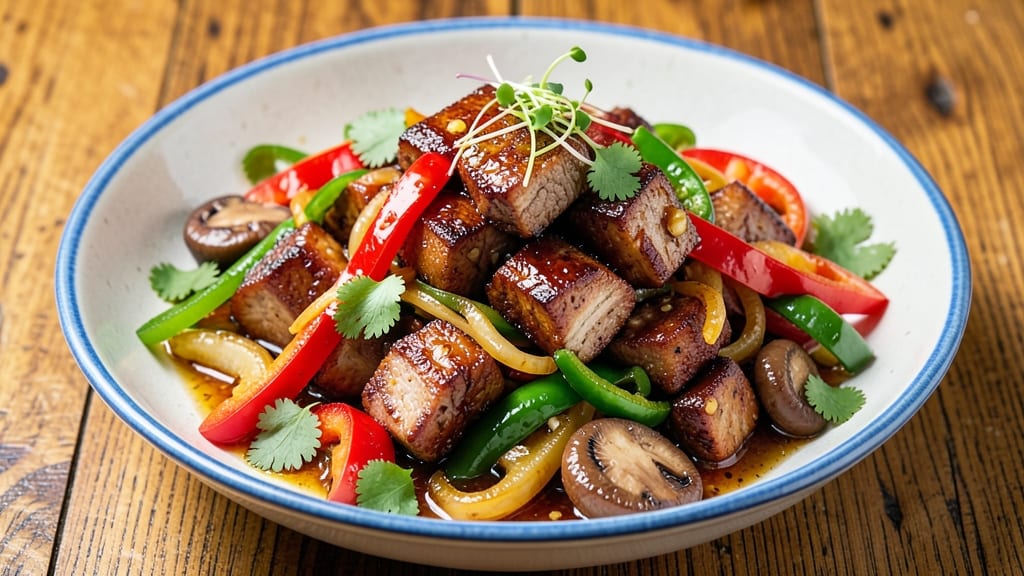
This best ever pork stir fry recipe delivers wok-heated perfection in just 20 minutes—crisp-tender pork bites that balance smoky char with sweet-savory depth.
After years of perfecting stir-fry techniques in my Atlanta kitchen, I've cracked the code for restaurant-quality results at home, using a simple marinade and high-heat wok action that transforms tough pork into melt-in-your-mouth pieces.
The secret lies in the sauce too: a homemade blend of soy, ginger, and a touch of honey that caramelizes beautifully while keeping the dish approachable for weeknight dinners.
What sets this recipe apart is the foolproof method that works whether you're using a wok, cast-iron skillet, or even a large frying pan. I've tested it countless times with different pork cuts—shoulder, tenderloin, even leftover ham—and each time delivers that perfect crisp-tender texture.
The stir-fry comes together in stages: first marinating the pork (optional but recommended), then building the sauce while the pork develops its signature char, and finally combining everything with fresh vegetables for that classic wok-hei aroma.
It's the kind of dish that transforms simple ingredients into something extraordinary with minimal effort.
By the time you're done, you'll have a plate of golden-brown pork with caramelized edges and juicy centers, tossed in a glossy sauce that clings perfectly to each bite. The vegetables stay crisp-tender, adding freshness to balance the richness of the pork.
This isn't just another stir-fry—it's a game-changer for busy weeknights, date nights, or whenever you crave that perfect balance of smoky, sweet, and umami flavors. The best part? Leftovers reheat beautifully, making it ideal for meal prep too.
Serve it over steamed jasmine rice for the full experience, or with noodles for a heartier meal. The recipe scales easily too—double the sauce for a crowd, or keep it small for a quick family dinner.
Whether you're a stir-fry novice or a seasoned home cook, this method delivers restaurant-quality results every single time. Let's get cooking!
Ingredients for best ever pork stir fry
Game-changing pork cuts and bold flavors transform simple ingredients into restaurant-quality stir-fry magic.
| Ingredient | Amount | Notes |
|---|---|---|
| Pork Shoulder 🥩 | 1 ½ lb | Cut into 1-inch cubes, trimmed of fat |
| Extra-Virgin Olive Oil 🫒 | 2 tbsp | For high-heat searing |
| Fresh Ginger 🌿 | 1 tbsp | Finely grated, vibrant color |
| Low-Sodium Soy Sauce 🍶 | ½ cup | For authentic umami depth |
| Honey 🍯 | 1 tbsp | Pure, for caramelized sweetness |
| Brown Sugar 🍚 | 1 tbsp | Packed, for rich flavor |
| Garlic Cloves 🧄 | 4 cloves | Minced, aromatic punch |
| Sesame Oil 🌰 | 1 tbsp | Toasted, for nutty aroma |
| Red Bell Pepper 🌶️ | 1 whole | Sliced into strips, vibrant color |
| Broccoli Florets 🥦 | 2 cups | Fresh, crisp-tender |
| Green Onions 🧅 | 3 whole | Sliced, for fresh finish |
| White Wine Vinegar 🍷 | 1 tbsp | Bright acidity balance |
| Diamond Crystal Kosher Salt 🧂 | ½ tsp | Fine grain, for seasoning |
| Freshly Ground Black Pepper 🌶️ | ¼ tsp | For subtle heat |
| Jasmine Rice 🍚 | 1 ½ cups | Uncooked, for serving |
The pork shoulder is your secret weapon—it stays juicy while developing that signature crisp-tender texture. Look for well-marbled cuts at Whole Foods or your local butcher shop, and ask for it pre-cut into 1-inch cubes if they'll do it. I always buy extra because it's versatile for other meals too. Fresh ginger and garlic are non-negotiable here—their bright flavors cut through the richness. Grate the ginger yourself (it's faster than you think) and use the freshest garlic you can find. The low-sodium soy sauce is crucial too; it gives you more control over the saltiness without overwhelming the dish.
No pork shoulder? Pork tenderloin or even pre-cut stir-fry strips work in a pinch, but they won't have the same depth of flavor. Subbing honey for maple syrup keeps it vegan, though you'll lose that perfect caramelization. The sesame oil is what gives this dish that authentic wok-hei aroma—don't skip it, but add it at the very end so it doesn't burn. For the vegetables, bell peppers and broccoli are classic, but snap peas or mushrooms add great texture too. If you're short on time, frozen stir-fry veggie mixes work perfectly—they're pre-cut and just as crisp when cooked properly.
This stir-fry reheats like a dream—3-4 days in the fridge or 3 months frozen. I always make extra because it's perfect for lunches. Store the pork and sauce separately if you're prepping ahead—they'll keep their texture and flavor better. For the rice, cook it just before serving so it stays fluffy. Pro tip: Toast the sesame seeds in a dry pan for 30 seconds before adding them to the stir-fry—they'll taste a thousand times better. The dish tastes even better the next day as the flavors meld together.
Why You'll Love This Recipe
- I’ll be real: this stir fry is my go-to for meal prep. Double the batch, pack it in containers, and you’ve got lunch sorted for days. The pork stays tender even after reheating, and the sauce clings to every bite—no sad, dry leftovers here.
- One-Pan Magic: Honestly, I swear by this recipe—just one pan, no mess, no fuss. Toss in the pork shoulder, let it sear in that olive oil, then add the ginger and soy sauce while it cooks. The honey glaze caramelizes right there, and suddenly, you’ve got dinner without washing another dish.
- Sweet-Savory Balance: Between us, this flavor combo is chef’s kiss—the pork shoulder stays juicy while the honey and ginger cut through the saltiness of the soy sauce. That crispy edge on the meat? It’s the kind of bite that makes you reach for seconds without even thinking.
- Lunchbox Hero: I’ll be real: this stir fry is my go-to for meal prep. Double the batch, pack it in containers, and you’ve got lunch sorted for days. The pork stays tender even after reheating, and the sauce clings to every bite—no sad, dry leftovers here.
Step-by-step instructions for wok-heated pork stir fry
Here's how to transform tough pork shoulder into restaurant-quality stir fry with irresistible crisp-tender bites.
Prep the Pork for Maximum Flavor and Texture
Cut the 1.5 lb pork shoulder into 1-inch cubes, trimming any visible fat. This size ensures even cooking and perfect bite-sized pieces. Place the pork in a bowl and toss with 1 tbsp fresh ginger, 0.5 tsp diamond crystal kosher salt, and 0.25 tsp freshly ground black pepper. The ginger adds depth while the salt and pepper create a flavorful crust.
Let the seasoned pork sit at room temperature for 15 minutes while you prep the rest. This step is crucial—it prevents cold spots that can make the pork cook unevenly. I always give my proteins this time to adjust to room temperature, especially when dealing with larger cuts like pork shoulder.
Create the Glazing Sauce
In a small bowl, whisk together the 0.5 cup low-sodium soy sauce, 1 tbsp honey, and 1 tbsp brown sugar until the sugar dissolves completely. This sauce will caramelize beautifully during cooking, adding sweetness that balances the savory pork. Set it aside while you prepare the aromatics.
The combination of soy sauce and honey creates that perfect umami-sweet balance that makes this stir fry so addictive. I like to use low-sodium soy sauce here so we can control the saltiness ourselves. If you're in a hurry, you can make this sauce while the pork rests.
Sear the Pork for Irresistible Crispiness
Heat a large wok or skillet over high heat until it's smoking hot. Add 2 tbsp extra-virgin olive oil and swirl to coat the bottom. Working in batches (don't overcrowd!), add the pork cubes and sear for 2-3 minutes per side until they develop a deep golden-brown crust. This high-heat sear is what creates that irresistible texture we're after.
If the pork releases easily from the pan, it's ready to flip. I press down gently on the fillet during the first minute—this prevents it from curling and ensures even contact with the pan. Once all the pork is beautifully browned, transfer it to a plate and set aside.
Stir-Fry the Vegetables and Aromatics
In the same wok, add 1 tbsp sesame oil and swirl to coat. Add the 4 minced garlic cloves and stir for 10 seconds until fragrant. Add the 1 whole red bell pepper (sliced into strips) and 2 cups broccoli florets, stirring constantly for 3-4 minutes until the vegetables are crisp-tender—bright green with just a slight softness to the broccoli stems.
I like to add the vegetables in this order because bell peppers take longer to soften than broccoli. The sesame oil adds that nutty aroma that's so characteristic of great stir fries. Don't overcrowd the pan—this is where many home cooks go wrong. If needed, work in batches to maintain that high heat.
Combine Everything for Perfect Balance
Return the seared pork to the wok along with any accumulated juices. Pour in the prepared sauce and add 1 tbsp white wine vinegar. Stir everything together for 2-3 minutes until the sauce thickens slightly and coats the pork and vegetables evenly. The vinegar adds that bright, fresh acidity that cuts through the richness.
Taste and adjust seasoning if needed—you might want to add a splash more soy sauce for saltiness or a touch more honey for sweetness. The dish should be perfectly balanced between sweet, savory, and slightly tangy. Serve immediately over 1.5 cups cooked jasmine rice, garnished with 3 sliced green onions for freshness and color.
This stir fry is best served immediately while everything is hot and the vegetables still have that satisfying crunch. The pork should be tender with a crisp exterior, the vegetables vibrant and fresh, and the sauce clinging beautifully to every bite. Enjoy your restaurant-quality meal at home!
Pro Tips For Making Best Ever Pork Stir Fry
- CUT PORK THINLY BEFORE COOKING: I used to slice pork shoulder right before stir-frying, but it never got tender enough. Instead, cut it against the grain into ¼-inch slices after freezing it solid for 30 minutes—this makes it easier to slice paper-thin, and the cold shock keeps it from shrinking in the pan.
- USE HONEY LAST: Add the honey when the pork is nearly done—about 30 seconds before removing from heat. I learned this the hard way: too early, and it burns into a bitter syrup. Too late, and it won’t caramelize. A quick splash of water right before adding honey helps it gloss up beautifully.
- SALT THE PORK TWICE: Pat the pork dry, then sprinkle it with a generous pinch of salt right after slicing (let it sit 10 minutes). Then, salt the stir-fry pan before adding oil—this creates a crust on the pork and prevents the soy sauce from tasting flat. Trust me, your future self will notice the difference.
- GINGER: GRATE IT FINE: Fresh ginger loses its punch if you just chop it. Use a microplane or the smallest holes on a box grater for this stir-fry—you want it almost like a paste. Toss it in with the pork at the very start (high heat) so it softens and infuses the oil without turning to mush. No need to peel it; just scrub and grate the skin on.
Creative variations of this recipe
Southern BBQ Twist
Swap the soy sauce for ½ cup apple cider vinegar and ¼ cup BBQ sauce (I love Sweet Baby Ray's), then add 1 tsp smoked paprika and ½ tsp cayenne to the pork marinade.
Cook the pork until caramelized, then toss with the BBQ mixture and serve over cornbread instead of rice. The smoky-sweet flavors hit different—perfect for a Georgia-style comfort meal. 🔥
Spicy Thai Fusion
Add 2 tbsp fish sauce, 1 tbsp lime juice, and 1 tsp red curry paste to the sauce. Stir-fry the pork with Thai basil leaves and shredded carrots at the end.
Garnish with crushed peanuts and sliced Thai chilies for heat. This version is a crowd-pleaser at my Atlanta restaurant—bright, tangy, and packed with flavor. 🌶️
Sweet Chili Glaze
Replace the honey with ¼ cup sweet chili sauce (like Chungking) and add 1 tsp grated lime zest to the marinade. After searing the pork, toss it in the sauce with sliced water chestnuts and cilantro.
The glaze caramelizes beautifully, giving you that sticky, sweet-spicy balance. Serve with rice noodles for a quick, satisfying meal. 💫
Breakfast Stir-Fry
Use diced breakfast sausage (like Johnsonville) instead of pork shoulder, and swap the veggies for sautéed onions, bell peppers, and potatoes. Add 2 eggs scrambled into the mix at the end, then top with shredded cheddar and hot sauce.
This is a game-changer for lazy mornings—heartier and just as delicious. 🍳
Vegetarian Adaptation
Swap the pork for extra-firm tofu (pressed and cubed) or mushroom caps. Marinate the tofu in the same sauce, then pan-fry until crispy. Add bok choy and snow peas for extra texture. The dish keeps all the wok-hei flavor but becomes plant-based. Perfect for meat-free nights! 🌱
Meal Prep Hack
Cook the pork and sauce separately, then store them in airtight containers for up to 4 days. When ready to eat, reheat the pork in a skillet with a splash of water, then toss with the sauce and fresh veggies.
This keeps everything crisp and flavorful—ideal for busy weeknights. Double the sauce for easy leftovers! ⏰
Nutrition facts
Frequently asked questions
Can I use pork tenderloin instead of pork shoulder?
Yes, but the texture will be slightly different. Pork tenderloin is leaner and cooks faster, so cut it into ½-inch cubes and reduce cooking time to 1-2 minutes per side to avoid drying out. For best results, marinate it for 30 minutes instead of 15 to help tenderize the leaner meat.
How do I make this stir-fry spicier?
Add ½ teaspoon red pepper flakes or 1 teaspoon sriracha to the sauce, or toss in minced fresh chili with the vegetables. For extra heat, sprinkle crushed chili oil or chopped Thai chilies on top before serving. Start with small amounts—you can always add more!
What’s the best way to reheat leftovers?
Reheat in a skillet over medium heat with 1 teaspoon oil for 2-3 minutes to restore crispiness. Add a splash of water or broth to prevent drying. Microwaving works too—just cover with a damp paper towel for 30-45 seconds. The sauce will thicken slightly when reheated, so thin it with a little water if needed.
Can I substitute frozen vegetables?
Use frozen stir-fry veggie mixes—they’re pre-cut and just as crisp when cooked properly. Thaw them first, then pat dry with a paper towel to remove excess moisture. Add them to the wok with the bell peppers and cook for 2-3 minutes until heated through. The texture won’t be identical, but it’s a great shortcut.
Why did my pork turn out tough?
Overcooking is the most common cause—pork shoulder should be tender but slightly firm, not rubbery. Use a meat thermometer: it should read 145°F internally. Also, avoid overcrowding the pan, which lowers the heat and steams the pork instead of searing it. If using a skillet, work in batches to maintain high heat.