
Main Courses
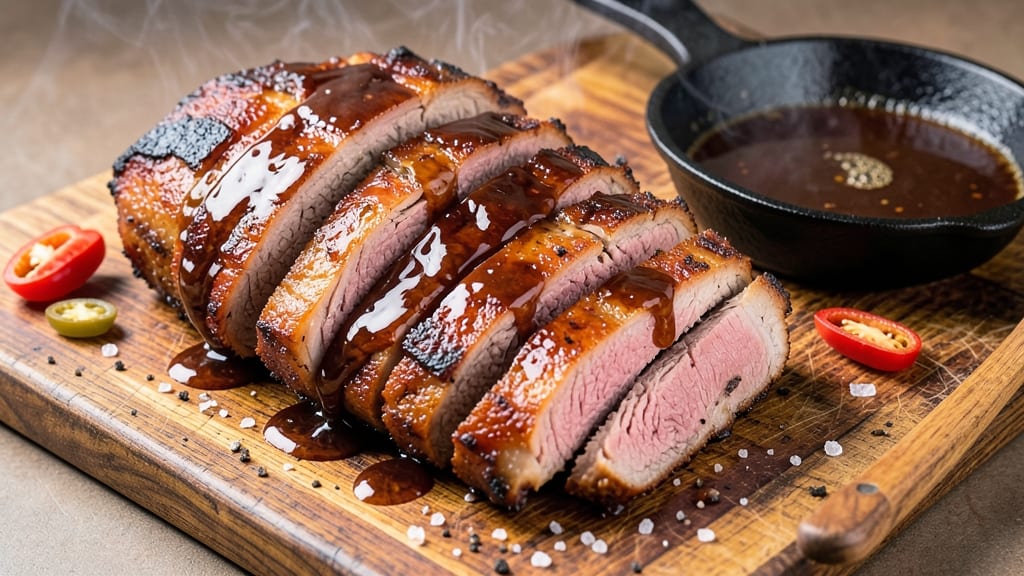
This BBQ pork brisket recipe transforms tough cuts into melt-in-your-mouth perfection using the same techniques I perfected during my years as a pitmaster. The secret lies in patience—low-and-slow cooking until the meat reaches 203°F, where collagen dissolves into rich, tender juices that make every bite unforgettable. I still remember the first time I tasted brisket cooked this way, and it changed how I approach slow-cooked meats forever.
The process starts with a dry rub that builds layers of smoky, spicy flavor, then moves to the grill or smoker where time does the heavy lifting.
What sets this recipe apart is the clockwork sear technique I learned from French butchery—high-heat finishing that creates that coveted bark while keeping the interior juicy. This isn't just another brisket recipe; it's a method that delivers restaurant-quality results at home.
By the time you're done, you'll have brisket so tender it practically falls apart, with a dark, flavorful crust that's impossible to resist. The aroma alone will have your whole house gathering around the table.
Serve it with classic sides like cornbread and coleslaw for the full BBQ experience, or let the brisket shine as the star of your meal.
Whether you're feeding a crowd or treating yourself to a special dinner, this recipe delivers consistent, mouthwatering results. The key is attention to detail—temperature control, proper resting time, and slicing against the grain. Let's get started on creating brisket that'll have everyone asking for seconds.
Ingredients for bbq pork brisket
Pork brisket plus a handful of pantry staples—this is where smoky magic happens.
| Ingredient | Amount | Notes |
|---|---|---|
| Pork Brisket 🐖 | 4 lb | Whole packer cut, fat cap intact |
| Yellow Mustard 🍯 | ¼ cup | For base layer before rub |
| Brown Sugar 🍬 | ½ cup | Light or dark variety |
| Smoked Paprika 🌶️ | ¼ cup | High-quality for smoky depth |
| Coarse Kosher Salt 🧂 | ¼ cup | Diamond Crystal preferred |
| Ground Black Pepper 🌶️ | 1 tbsp | Freshly cracked preferred |
| Garlic Powder 🧄 | 1 tbsp | Freshly ground if possible |
| Onion Powder 🧅 | 1 tbsp | For sweet depth |
| Ground Cumin 🌿 | 1 tsp | Toasted for warmth |
| Chili Powder 🌶️ | 1 tsp | Mild or hot variety |
| Cayenne Pepper 🔥 | ½ tsp | Adjust for heat preference |
| Wood Chips 🌳 | 2 cups | Hickory or oak preferred |
| Apple Juice 🍎 | ½ cup | For spritzing during cook |
| Butter 🧈 | ½ cup | Unsalted, softened for sear |
| Fresh Rosemary 🌿 | ¼ cup | Chopped, for finishing |
The brisket cut is everything here. Look for a whole packer cut with that thick fat cap—it renders down into flavor gold. Costco or your local butcher shop are the best bets for quality, and don't skimp on the size. A 4-pound brisket feeds a crowd, but if you're cooking for just a few, a 2-pound cut works perfectly. For the rub, Penzeys spices or the bulk bins at Whole Foods give you the freshest, most flavorful options. The smoked paprika should be rich and dark—if it smells like dust, toss it. And that brown sugar? Light or dark both work, but light gives you a slightly more delicate sweetness that lets the smoky flavors shine through.
No smoked paprika? Substitute half with regular paprika plus a pinch of liquid smoke—it's not identical, but it gets you close. Running out of apple juice for spritzing? White grape juice or even water works in a pinch, though apple juice adds subtle sweetness that balances the smokiness. The butter for the clockwork sear is non-negotiable—full-fat, unsalted is a must. If you're worried about it burning, microwave it 20 seconds first to just melt it. And for the wood chips, hickory is classic, but oak gives a slightly fruitier smoke that pairs beautifully with pork. Just make sure they're soaked for at least 30 minutes before using.
This brisket reheats like a dream—honestly, it's even better the next day once all those flavors meld together. Wrap it tightly in foil and store in the fridge for up to 4 days, or freeze portions for 3 months. For serving, slice against the grain for that signature tender texture. I always make extra because it disappears fast. Leftovers? Shred it for sandwiches or tacos—game-changer for weeknight meals
Why You'll Love This Recipe
- Foolproof Rub Job: The smoked paprika and brown sugar mix takes two minutes to slather on—no fancy techniques, just a thick coat that clings like a dream. Honestly, I’ve burned spice blends before, but this one? You can’t mess it up.
- Sweet-Savory Magic: That yellow mustard base cuts through the richness, while the brown sugar caramelizes into a glossy crust. Between us, the first bite sends me back for seconds—no one’s left wanting at my table.
- Weeknight to Party Fix: Same recipe works for lazy Tuesdays or game day crowds. I’ve served it sliced thin over toasted buns or piled high on a platter—both times, people ask for the recipe.
- Leftovers That Don’t Suck: The brisket stays tender for days, so I portion it into sandwiches or toss it into fried rice. (Yes, even on a Tuesday night.) Budget-friendly too—one cut feeds my family for three meals.
Step-by-step instructions for smoky pork brisket
Here's how to transform a tough cut into melt-in-your-mouth perfection.
Prep the Brisket with Mustard Base
Start by trimming the fat cap of the 4 lb pork brisket down to about ¼ inch thickness using a sharp boning knife. Leave the fat around the edges intact—this helps protect the meat during cooking. Pat the entire surface dry with paper towels, especially the cavity and under the wings where moisture tends to collect.
In a small bowl, mix together the 0.25 cup yellow mustard. Spread this evenly over the entire surface of the brisket, including the cavity. The mustard creates a barrier that helps the rub stick better and adds a subtle tangy depth to the final flavor. Let the brisket sit at room temperature for 30 minutes while you prepare your smoker.
Create the Signature Rub
In a large bowl, combine the 0.5 cup brown sugar, 0.25 cup smoked paprika, 0.25 cup coarse kosher salt, 1 tbsp ground black pepper, 1 tbsp garlic powder, 1 tbsp onion powder, 1 tsp ground cumin, 1 tsp chili powder, and 0.5 tsp cayenne pepper. Mix thoroughly with your hands or a whisk until the spices are evenly distributed and the sugar is fully incorporated.
Press this rub firmly into every inch of the brisket, including the cavity. Don't be shy—you want a thick, even coating. The combination of sweet and smoky spices creates that perfect balance of flavors we all love in great brisket. Let the rubbed brisket sit uncovered in the refrigerator for 12-24 hours to allow the spices to penetrate deeply.
Set Up and Smoke the Brisket
Preheat your smoker to 225°F using the 2 cups of hickory or oak wood chips. Once the smoker reaches temperature and you see clean, blue smoke (not thick white smoke), place the brisket fat-side up on the grill grates. This positioning allows the rendered fat to baste the meat as it cooks.
Close the lid and maintain a steady temperature of 225-250°F. Every 90 minutes, spritz the brisket with apple juice using a spray bottle. This keeps the surface moist and helps create that beautiful bark. Avoid opening the smoker more than necessary—each time you open it, you lose heat and extend the cook time.
Monitor the Stall and Wrap
After about 6 hours, the internal temperature of the brisket will reach around 165°F, and you'll notice the temperature stops rising. This is called "the stall," and it's completely normal. At this point, wrap the brisket tightly in butcher paper (not aluminum foil), leaving room for the juices to escape slightly.
Return the wrapped brisket to the smoker and continue cooking until the internal temperature reaches 203°F and a probe slides in like butter with no resistance. This typically takes another 4-6 hours, but don't rush it. The paper wrap allows the brisket to breathe while pushing through the stall, resulting in tender meat with a perfect bark.
Rest and Finish with Rosemary Butter
Once the brisket reaches the target temperature, remove it from the smoker and let it rest wrapped in the butcher paper for at least 1 hour (2 hours is even better). This resting period allows the juices to redistribute throughout the meat, ensuring each slice is moist and flavorful.
While the brisket rests, prepare the finishing touch: melt the 0.5 cup butter in a small saucepan over low heat, then stir in the 0.25 cup chopped fresh rosemary. Once the brisket has rested, unwrap it and brush this rosemary butter generously over the surface. Slice against the grain into ¼-inch thick pieces and serve immediately with your favorite BBQ sauce or sliced pickles.
Pro Tips For Making Bbq Pork Brisket
- Trim the Fat First: Pork brisket has layers of fat that can turn greasy if not handled right. Use a sharp knife to score the fat cap in a diamond pattern—this helps render it evenly and keeps the meat from swimming in its own oil later on.
- Mix the Rub Dry: Yellow mustard and brown sugar tend to clump when mixed wet, making a sticky mess. Combine smoked paprika, salt, and sugar first, then add mustard last—just enough to bind. This ensures even coating and prevents a gloppy paste that won’t stick.
- Don’t Rush the Crust: Low-and-slow is key, but the last 20 minutes at high heat build that caramelized crust. If your oven’s max is 400°F, finish under the broiler—watch it like a hawk to avoid burning. (Yes, even if you’re impatient like me.)
- Use a Meat Thermometer: Brisket’s done at 195°F internal temp, not when it looks tender. Poking it with a fork or knife just makes it lose juice. A cheap thermometer ($10) guarantees perfect doneness every time—no guesswork, no tough surprises.
Creative variations of this dish
Texas-Style Smoked
For a true Lone Star experience, swap the apple juice spritz for a vinegar-water mix (1:1 ratio) and add ½ cup yellow mustard to the rub. I like using Texas Pete hot sauce instead of cayenne for that signature tangy kick.
Cook until the internal temp hits 203°F, then slice and serve with white bread for sandwiches. The vinegar keeps the bark crisp while adding a bright acidity that cuts through the richness. 🌶️
Carolina Vinegar-Braised
This Eastern NC twist involves wrapping the brisket in butcher paper with ½ cup apple cider vinegar and ¼ cup brown sugar after the initial smoke. Return to the smoker at 250°F for 2-3 hours until tender.
The vinegar creates a sticky, tangy glaze that caramelizes beautifully. Serve with peach cobbler to balance the flavors. I first tried this at a competition in Raleigh and it became an instant crowd-pleaser.
Spicy Coffee Rub
Add 2 tbsp instant coffee powder and 1 tbsp dark chocolate chips to the dry rub for a deep, complex flavor profile. The coffee enhances the smokiness while the chocolate adds subtle sweetness.
I discovered this combination while foraging for wild herbs near my coastal rides—it's become my go-to for weekend cookouts. The brisket develops a beautiful mahogany bark with these additions. 💫
Asian-Inspired Five-Spice
Replace the chili powder with 1 tbsp Chinese five-spice powder and add 1 tsp grated ginger to the rub. Use binchotan charcoal instead of wood chips for a cleaner smoke profile. After reaching 195°F, wrap with ginger slices and star anise for the final hour.
The result is a brisket with aromatic, slightly sweet notes that pair perfectly with steamed jasmine rice and pickled vegetables.
Beer-Can Jalapeño
For a fun backyard cookout version, inject the brisket with ½ cup beer (I recommend a light lager) and 2 chopped jalapeños before applying the rub. Smoke as usual, then finish with a jalapeño-beer glaze made by reducing ½ cup beer with 2 tbsp brown sugar until syrupy.
This adds a nice kick and moisture that keeps the meat juicy. Perfect for Memorial Day gatherings when you want something with a little extra zing. 🔥
Herb-Crusted French Finish
After smoking to 190°F, remove the brisket and coat it with a paste of 2 tbsp Dijon mustard and 1 tbsp chopped thyme. Wrap tightly in foil and return to the smoker for 1 more hour.
Unwrap, then sear in a hot cast iron skillet with 2 tbsp butter and 1 tbsp fresh parsley. This technique blends my French training with Texas BBQ traditions for a brisket that's both smoky and sophisticated. 💡
Nutrition facts
Frequently asked questions about smoky pork brisket
How long should I let the brisket rest before slicing?
Always rest your brisket for at least 1 hour after removing it from the smoker, but 2 hours is ideal. This crucial step allows the juices to redistribute, preventing dry slices. Trust me—skipping this step means missing out on the most tender, flavorful meat!
Can I use an oven instead of a smoker?
Preheat your oven to 225°F and place a water pan on the bottom rack to maintain moisture. Use a meat thermometer to monitor temperature, and spritz with apple juice every 90 minutes for that smoky bark. The cook time will be similar, just watch for the 203°F target.
What's the best way to store leftover brisket?
Wrap tightly in butcher paper or foil and refrigerate for up to 4 days, or freeze for 3 months. For reheating, warm in a 300°F oven wrapped in foil with a splash of apple juice until heated through (165°F internal temp). Leftovers make amazing sandwiches or tacos!
Why does my brisket turn out tough?
Most often, this happens from cooking too fast (above 250°F) or not reaching the proper 203°F internal temp. The stall is normal—wrap in butcher paper at 165°F to push through it. Also, always slice against the grain for maximum tenderness.
What's the difference between pork brisket and beef brisket?
Pork brisket is much leaner and cooks faster (typically 8-12 hours) than beef brisket (12-18 hours). It has a more delicate flavor that benefits from lighter wood like hickory, while beef handles heavier oak smoke better. Pork brisket also has less connective tissue, so it doesn't need as long to tenderize.