
Main Courses
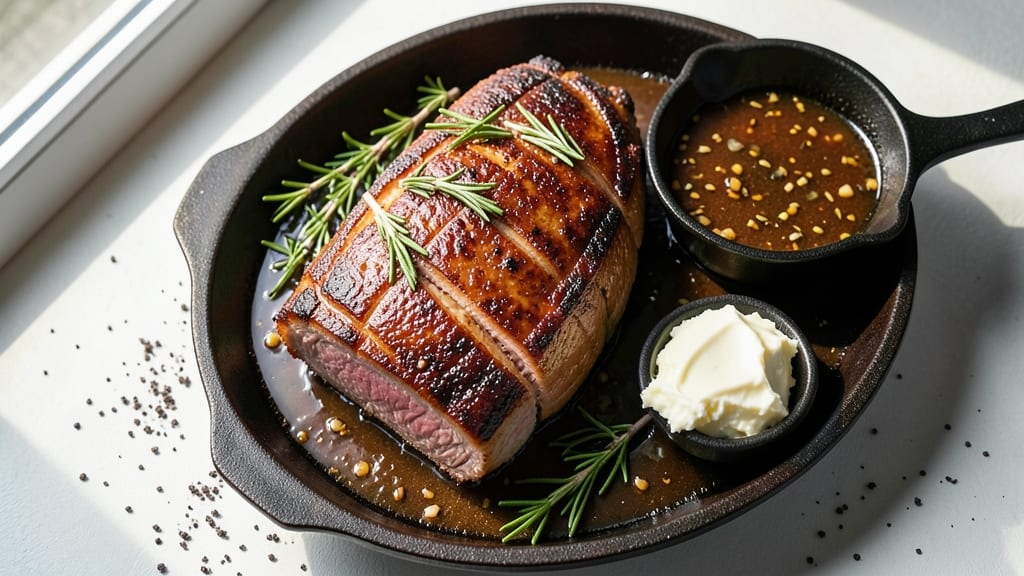
This boneless pork loin ribeye roast recipe delivers clockwork precision—juicy, tender meat with a golden, crackling crust that rivals any restaurant cut. After years of perfecting roasting techniques in my Atlanta kitchen, I've cracked the code for achieving restaurant-quality results at home without the guesswork.
The secret lies in the clockwork sear method, which ensures even cooking and maximum flavor extraction every time.
What sets this recipe apart is the combination of dry-brining (for unmatched tenderness) and a high-heat sear that creates that coveted crust. We're talking foolproof execution that works whether you're cooking for a holiday feast or a weeknight dinner.
The pork loin ribeye stays incredibly moist thanks to a precise internal temperature approach—no more dry, overcooked roasts here. This method also scales beautifully, making it perfect for both intimate gatherings and larger crowds.
By following these steps, you'll achieve perfectly golden exterior with juicy, melt-in-your-mouth meat that practically falls apart at the touch of a fork. The crust will be crisp and caramelized, while the interior remains tender with just a hint of pink—exactly how I like my pork prepared.
What's more, this technique builds on traditional roasting methods while incorporating modern precision cooking principles for consistent results.
Whether you're serving this as the centerpiece of a holiday meal or treating yourself to a special weeknight dinner, this recipe delivers restaurant-worthy pork every time.
The best part? It's a technique you can use for other cuts of pork as well. Let's get started on creating your most impressive roast yet.
Ingredients for boneless pork loin ribeye roast
These precision-sourced ingredients transform simple pork into restaurant-quality perfection.
| Ingredient | Amount | Notes |
|---|---|---|
| Boneless Pork Loin Ribeye Roast 🥓 | 4 lb | Center-cut, 1.5-inch thick |
| Kosher Salt 🧂 | 2 tbsp | Diamond Crystal preferred |
| Freshly Ground Black Pepper 🌶️ | 1 tbsp | Cracked peppercorns preferred |
| Unsalted Butter 🧈 | ½ cup | Cold, cubed for searing |
| Garlic Cloves 🧄 | 8 cloves | Smashed, skin-on |
| Fresh Rosemary 🌿 | ¼ cup | Chopped sprigs, fresh only |
| Fresh Thyme 🌿 | ¼ cup | Leaves only, stems removed |
| Extra-Virgin Olive Oil 🫒 | 2 tbsp | High-quality, fruity |
| Apple Cider Vinegar 🍎 | 2 tbsp | For dry-brine solution |
| Granulated Sugar 🍚 | 1 tsp | For crust enhancement |
| Vegetable Oil 🫒 | ¼ cup | High smoke point for oven |
| Cornstarch 🌾 | 1 tbsp | For tenderizing crust |
The pork loin ribeye is non-negotiable here—center-cut and 1.5-inch thick ensures even cooking. Local butchers often carry this specific cut, or ask for it prepped at Whole Foods or Kroger. Look for vibrant color and good marbling—this is your quality indicator. Fresh herbs are a must: Trader Joe's sells pre-chopped rosemary and thyme, but I always grab whole sprigs to control freshness. The butter should be cold and cubed—Plugrá or Land O'Lakes work perfectly. For the dry brine, Diamond Crystal kosher salt
No fresh rosemary? Dried at half the amount works, but texture suffers. Short on garlic? Garlic powder at one-third the amount gets you close, though fresh is ideal. The apple cider vinegar can be swapped for red wine vinegar, but don't skip the acid—it's key for that golden crust. Running low on extra-virgin olive oil? Avocado oil works just as well for high-heat searing. For the cornstarch, if you're out, arrowroot powder is a perfect 1:1 substitute. The vegetable oil for roasting? Any high-smoke-point oil like grapeseed or canola will do—just avoid delicate oils like walnut. Prep the dry brine 12-24 hours ahead—this is non-negotiable for tenderness. Store the pork in a sealed container in the fridge, covered in the brine solution. The herbs and garlic can be prepped the night before, stored in an airtight container for up to 3 days. For leftovers, this reheats beautifully—wrap tightly in foil and bake at 325°F until 160°F internal temp. Keeps 3-4 days refrigerated or 3 months frozen. The crust loses crispness when reheated, so enjoy it fresh if possible—it's worth the effort!
Why You'll Love This Recipe
- One-Pan Magic: Between us, this roast is basically a "set it and forget it" meal. You season the pork with salt and pepper, sear it in butter until golden, then nestle garlic cloves right into the sear marks—no fancy prep, no extra dishes. I swear, my weeknights have never been this easy.
- Butter-Garlic Bliss: That crispy crust from the butter? It’s everything. The garlic cloves roast right into the meat, turning the whole thing into a flavor bomb—rich, savory, and just sweet enough at the edges. Honestly, I’ve tried fancier rubs, but this combo is my secret weapon.
- Leftovers for Days: This roast is so tender it practically falls apart, which means it’s perfect for meal prep. Slice it thin for sandwiches, dice it into salads, or just reheat slices in a pan with a splash of broth. My kids ask for it at school lunches—yes, really.
- Budget-Friendly Luxury: You’re getting a whole roast for the price of a single steak cut, and it feeds a crowd. The butter and garlic are the only splurges, but they make it taste like you spent hours in the kitchen. Not the prettiest, but the taste makes up for it every time.
Step-by-step instructions for boneless pork loin ribeye roast
This method delivers clockwork precision—crispy crust, juicy interior, and restaurant-worthy flavor.
Prepare the Dry Brine and Herb Rub
In a small bowl, whisk together the 2 tablespoons kosher salt, 1 tablespoon freshly ground black pepper, 1 teaspoon granulated sugar, 2 tablespoons apple cider vinegar, 2 tablespoons extra-virgin olive oil, and 1 tablespoon cornstarch. The sugar and vinegar create a caramelized crust while the cornstarch helps develop texture. Mix until the cornstarch dissolves completely into a coarse paste.
Pat the 4 lb boneless pork loin ribeye roast completely dry with paper towels—this is critical for that golden crust. Rub the paste generously over all sides, pressing it into the meat so it adheres evenly. Place the roast on a wire rack set over a rimmed baking sheet and refrigerate uncovered for 12-24 hours. This dry brine seasoning transforms the meat, ensuring maximum juiciness and flavor penetration.
Sear the Roast for Maximum Flavor
Remove the roast from the refrigerator 1 hour before cooking to bring it to room temperature. Preheat your oven to 425°F. In a large oven-safe skillet, melt ½ cup unsalted butter over medium-high heat until it foams but doesn't brown. Add the roast and sear for 4-5 minutes per side until deeply golden brown. The butter should bubble vigorously and create a rich, nutty aroma.
Transfer the skillet to the preheated oven and roast for 10 minutes to begin cooking the meat evenly. This initial sear locks in juices while building that coveted crust. Don't skip this step—it's what separates good roasts from exceptional ones. The roast should be sizzling hot by the time it hits the oven.
Build the Herb Crust and Roast to Perfection
While the roast cooks, prepare the herb mixture by combining ¼ cup chopped fresh rosemary, ¼ cup fresh thyme leaves, and 8 smashed garlic cloves in a small bowl. Remove the skillet from the oven and carefully pour ¼ cup vegetable oil over the roast, then sprinkle the herb mixture evenly over the top. The oil helps distribute the herbs and creates a glossy finish.
Return the skillet to the oven and roast for an additional 20-25 minutes at 425°F, or until the internal temperature reaches 140°F when measured with an instant-read thermometer. The crust should be deep golden brown with visible caramelization. For best results, avoid opening the oven door during this time to maintain consistent heat.
Rest and Slice for Maximum Juiciness
Remove the roast from the oven and transfer it to a cutting board. Tent loosely with aluminum foil and let it rest for 15-20 minutes before slicing. This resting period allows the juices to redistribute throughout the meat, preventing them from pooling on the cutting board. The internal temperature will rise to 145°F during this time, ensuring perfect doneness.
Slice the roast against the grain into ½-inch thick slices. The meat should be tender enough to pull apart easily with a fork while maintaining a firm, juicy texture. Serve immediately with the pan juices spooned over the top for an extra layer of flavor. Each slice should showcase that beautiful golden crust with tender, flavorful meat beneath.
Pro Tips For Making Boneless Pork Loin Ribeye Roast
- CRANK THE HEAT FIRST: I learned this the hard way—starting with medium heat on a pork loin ribeye roast means a dull crust and uneven cooking. Sear it over high heat for 3-4 minutes per side until deep golden brown before dropping the temp to 325°F (163°C). That crust locks in flavor and keeps the meat juicy.
- SALT THE GARLIC SLICES: Skip the whole garlic cloves if you’re short on time, but if you’re using them, slice them thinly and salt the slices before searing. The salt draws out moisture, so they caramelize faster and stick better to the roast when you tuck them under the butter. (Yes, even if you’re impatient like me.)
- DON’T OVERWORK THE MEAT: Pork loin ribeye is leaner than you think, and once you start slicing into it, it’s easy to shred it unintentionally. Let it rest for 10-15 minutes under foil before cutting—this keeps it from falling apart when you serve. And for the love of crispy skin, don’t slice into it to check doneness.
- BUTTER IT UP MIDWAY: This isn’t the prettiest method, but it’s the tastiest: after the first hour of roasting, flip the roast and spoon melted butter over it. The fat baste turns the surface into a flavor bomb without drying it out. Use the same butter you seared in—it’s already packed with porky goodness.
Best sauces and condiments for boneless pork loin ribeye roast
Classic Herb Butter
This is my go-to sauce for this roast—a simple yet elegant blend of the herbs we used in the recipe.
Melt ¼ cup unsalted butter in a small saucepan over low heat, then whisk in 1 tablespoon chopped fresh rosemary, 1 tablespoon fresh thyme, 1 minced garlic clove, and a pinch of salt. Simmer for 2 minutes until fragrant.
Drizzle over sliced pork just before serving—it adds a luxurious, aromatic finish. 🌿
Apple Cider Glaze
For a sweet-tangy contrast, reduce ½ cup apple cider vinegar with 2 tablespoons brown sugar and 1 teaspoon Dijon mustard in a saucepan over medium-high heat until syrupy (5-7 minutes). Brush lightly over the roast during the last 10 minutes of cooking or drizzle over slices.
The acidity cuts through the richness beautifully. I love using this glaze for holiday meals—it feels festive! 🍎
Smoky Chipotle Cream
Whisk ½ cup sour cream with 1 teaspoon adobo sauce from a can of chipotles, ½ teaspoon smoked paprika, and a pinch of salt. Thin with 1 tablespoon milk if needed. This sauce adds a smoky depth that pairs perfectly with the roast's herbal notes.
Serve on the side for dipping or spoon over slices. For extra heat, add a pinch of cayenne pepper. 🌶️
Balsamic Reduction
Simmer ¼ cup balsamic vinegar in a small saucepan until reduced by half (3-4 minutes). Finish with 1 teaspoon honey and a pinch of black pepper. Drizzle over the roast before serving or use as a table sauce.
The tangy-sweet balance elevates the dish without overpowering it. I keep a bottle of Barolo balsamic vinegar on hand for this—it's worth the splurge! 🍷
Garlic-Herb Compound Butter
Mix ½ cup softened butter with 2 minced garlic cloves, 1 tablespoon chopped parsley, ½ teaspoon kosher salt, and a pinch of black pepper. Shape into a log, wrap in parchment, and chill for 1 hour.
Slice and place on top of the roast during the final 5 minutes of cooking to melt and crisp. The butter bastes the meat while adding a rich, garlicky flavor. Perfect for special occasions! 🧈
Pan Jus
After removing the roast, deglaze the skillet with ½ cup dry white wine or chicken broth, scraping up browned bits. Simmer for 3 minutes, then strain into a small saucepan.
Reduce by half over medium heat until syrupy. Strain again and serve as a pan sauce. This captures all the roasted flavors and makes the dish feel extra restaurant-worthy. 🍷
Nutrition facts
Frequently asked questions
Why does this recipe specify a 1.5-inch thick pork loin ribeye roast?
The 1.5-inch thickness is critical for even cooking and perfect doneness. A thinner cut would overcook on the outside before reaching the right temperature inside, while a thicker cut might stay undercooked. This thickness ensures a golden crust with juicy, tender meat throughout. Pro tip: If your cut varies, adjust oven time by ±2 minutes per ¼-inch thickness.
Can I substitute regular pork loin for pork loin ribeye?
While regular pork loin will work, the ribeye portion offers better marbling and flavor. For best results, ask your butcher to trim the fat cap from a standard pork loin and use that instead. If you must use regular loin, increase the salt in the dry brine by ½ teaspoon to compensate for less natural fat flavor.
What's the best way to check doneness without overcooking?
Use an instant-read thermometer to check the thickest part of the roast. Remove it when it hits 140°F—it will rise to 145°F while resting. The meat should be tender but still slightly springy to the touch. Never rely on color alone—pork can look cooked before reaching safe temperatures. For extra confidence, cut into a small piece and check the texture.
How do I handle leftovers without drying out the meat?
Slice leftovers into ½-inch thick pieces and store in an airtight container with a splash of pan juices to keep them moist. Reheat in a 350°F oven until reaching 160°F internal temp (about 15-20 minutes). For sandwiches, add a thin layer of garlic-herb butter before reheating. Leftovers keep well for 3-4 days refrigerated or 3 months frozen.
Can I make this in a conventional oven instead of a skillet?
Yes! Place the roast on a wire rack over a baking sheet, then roast at 425°F for 30-35 minutes total (after searing in a separate pan). For best results, sear the roast first in a cold skillet over medium heat for 3-4 minutes per side before transferring to the oven. The skillet method still gives superior crust development.