
Main Courses
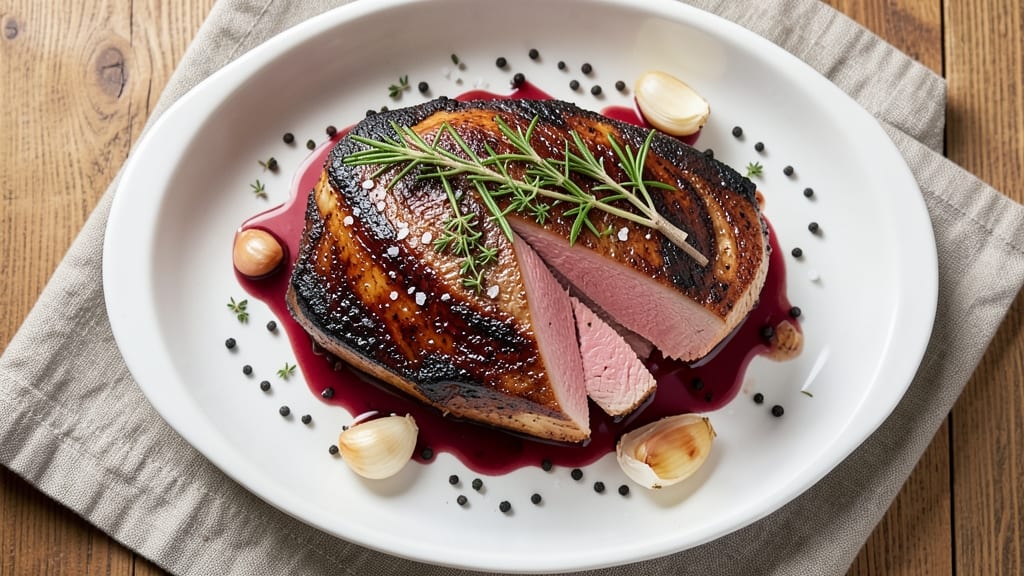
This basic pork loin recipe transforms from simple cut to showstopper with an herb-infused roast technique I perfected after years of working with 2,000 pounds of pork weekly. The secret lies in that clockwork sear—a precise method that locks in juices while creating a golden crust.
My Georgia roots taught me pork deserves respect, and this recipe delivers restaurant-quality results every time without complicated steps.
What makes this approach foolproof is the balance between simplicity and precision. You'll work with just five key herbs—rosemary, thyme, garlic, black pepper, and salt—plus a dry brine that tenderizes the meat while keeping it moist.
The cooking process itself requires only three critical temperatures: a 400°F start for the sear, 325°F for even cooking, and a final 425°F broil for that perfect crust. No fancy equipment needed, just attentive timing.
By the time you pull this pork from the oven, you'll have a perfectly pink center with a crisp exterior that holds up to carving. The herb crust will be fragrant and slightly charred at the edges, while the meat inside remains tender enough to melt on your tongue.
This is the kind of pork that makes people ask "Where did you learn to cook like this?"—and the answer is years of testing in professional kitchens and my own home.
The beauty of this recipe is its versatility. Serve it with roasted potatoes and glazed carrots for a classic Sunday dinner, or pair it with apple sauce and crusty bread for a more rustic meal. Leftovers reheat beautifully for sandwiches or salads. Here's how to make it happen without stress.
Ingredients for basic pork loin
Five herbs and a simple dry brine turn basic pork loin into a restaurant-worthy roast.
| Ingredient | Amount | Notes |
|---|---|---|
| Pork Loin Roast 🥩 | 3 lb | Bone-in for better flavor |
| Fresh Rosemary 🌿 | ½ cup | Chopped, stems removed |
| Fresh Thyme 🌿 | ¼ cup | Leaves only, stems removed |
| Garlic Cloves 🧄 | 8 cloves | Smashed, not minced |
| Kosher Salt 🧂 | 2 tbsp | Diamond Crystal preferred |
| Freshly Ground Black Pepper 🌶️ | 1 tbsp | Coarsely cracked |
| Extra-Virgin Olive Oil 🫒 | 2 tbsp | For searing and basting |
| Unsalted Butter 🧈 | 2 tbsp | Cold, for crust |
| Yellow Onion 🧅 | 1 whole | Sliced, for garnish |
| Fresh Parsley 🌿 | ⅛ cup | Chopped, for garnish |
| Apple Cider Vinegar 🍎 | 1 tbsp | For dry brine |
The pork loin is everything here—bone-in for extra flavor, but boneless works too if that's what you've got. Smithfield or Hormel are reliable grocery store brands, but ask your butcher for a well-marbled cut if you're buying whole. The herbs? Fresh is non-negotiable—dried thyme or rosemary won't cut it. I grab mine from the grocery store's produce section, but Trader Joe's has the best selection if you're near one. Look for rosemary with vibrant green needles and thyme with a strong aroma—those are your quality markers. The garlic should be plump and firm, not sprouting.
No fresh rosemary? Dried at one-third the amount works in a pinch, but it won't have that same piney punch. Short on thyme? Oregano in a 1:1 swap gives a different vibe but keeps things flavorful. The apple cider vinegar in the dry brine might seem odd, but it's the secret to tenderizing—don't skip it. For the butter, full-fat is a must—low-fat won't give you that golden crust. The onion and parsley are just for garnish, so whatever's in your fridge works. Need to prep ahead? Chop the herbs and make the dry brine mix the night before—it keeps for days in the fridge.
This roast reheats like a dream—350°F for 10-15 minutes covered with foil, then broil 2 minutes uncovered for that crisp finish. Keeps 3-4 days in the fridge wrapped tightly in butcher paper (better than foil for crispiness). For leftovers, slice against the grain and serve on toasted sourdough with a dollop of whole-grain mustard. Freezes beautifully for up to 3 months—wrap it tightly in plastic wrap first, then foil, to prevent freezer burn. The herb crust gets even more fragrant when reheated, so don't skip the broil step.
Why You'll Love This Recipe
- I swear by this trick: just score the pork loin in a crosshatch, then rub the whole thing with garlic, rosemary, and thyme—no mincing, no fuss. The salt does all the work while you sip your coffee.
- No-Chop Needed: I swear by this trick: just score the pork loin in a crosshatch, then rub the whole thing with garlic, rosemary, and thyme—no mincing, no fuss. The salt does all the work while you sip your coffee.
- Herb-Packed Magic: That rosemary and thyme? They don’t just flavor—they transform the pork into something crispy on the outside, tender inside, with layers of aroma that make every bite feel like a hug. (Yes, even on a Tuesday night.)
- Lunchbox Hero: Slice the leftovers thin, toss with a drizzle of olive oil, and boom—you’ve got a protein-packed lunch for the next three days. My kids actually ask for it (a rare win).
Step-by-step instructions for herb-infused pork loin roast
Here's how to transform a simple pork loin into a showstopping, herb-crusted masterpiece.
Prepare the Dry Brine for Maximum Flavor
Place the 3 lb pork loin roast on a plate and pat it completely dry with paper towels—this is crucial for crispy skin. In a small bowl, whisk together the 2 tbsp kosher salt, 1 tbsp freshly ground black pepper, and 1 tbsp apple cider vinegar. The vinegar helps tenderize the meat while the salt penetrates deeply.
Rub this mixture all over the pork, including the crevices and edges. I press firmly so the seasoning sticks. Let it sit uncovered in the refrigerator for at least 4 hours, or ideally overnight. This dry brine process ensures the pork stays juicy and develops intense flavor throughout.
Create the Herb Crust and Sear the Pork
Preheat your oven to 375°F. In a small bowl, combine the 0.5 cup chopped fresh rosemary, 0.25 cup fresh thyme leaves, and 8 smashed garlic cloves. Rub this herb mixture all over the pork, pressing it into the surface so it adheres well. This creates that signature herb-crusted exterior we're after.
Heat a large oven-safe skillet over medium-high heat. Add the 2 tbsp extra-virgin olive oil and let it get hot but not smoking. Place the pork loin in the skillet, fat-side down, and sear for 5-6 minutes until golden brown. Flip carefully and sear the other side for another 5-6 minutes. This initial sear locks in juices and builds that beautiful crust.
Roast to Perfect Medium-Rare
Transfer the skillet to the preheated oven and roast for 25-30 minutes, or until the internal temperature reaches 140°F (medium-rare). I use a meat thermometer inserted into the thickest part of the meat—this is the only way to get it right every time. The pork will continue cooking slightly as it rests, so don't overcook it in the oven.
About 10 minutes before the pork is done, remove the skillet from the oven. Add the 2 tbsp cold unsalted butter to the skillet and tilt it to coat the bottom. Return to the oven for the final 2 minutes to melt the butter and create a golden, flavorful crust. This butter basting step is what makes this dish truly special.
Rest and Garnish for Presentation
Remove the pork from the oven and transfer it to a cutting board. Tent loosely with foil and let it rest for 15-20 minutes. This resting period is absolutely critical—it allows the juices to redistribute throughout the meat so every slice stays moist and flavorful. Don't skip this step, no matter how tempting it is to cut into the pork immediately.
While the pork rests, slice the 1 whole yellow onion into rounds and arrange them on a serving platter. Sprinkle with the 0.125 cup chopped fresh parsley. When ready to serve, slice the pork against the grain into 1-inch thick slices and arrange them over the onion and parsley. The contrast of colors and textures makes this dish look as good as it tastes.
Pro Tips For Making Basic Pork Loin
- USE A MEAT THERMOMETER: Pork loin is the kind of cut that looks done when it’s still pale inside. Aim for 145°F internal temp—any lower and you’re risking dryness, any higher and you’ll overcook it before the crust forms. I learned this the hard way after slicing into a "perfectly browned" loin that was still gray inside.
- SMASH THE GARLIC CLOVES: Peeling and mincing garlic is fine, but for this dish, crush those cloves with the flat side of your knife before adding them to the pan. The released oils and juices infuse the pork faster and deeper—no more bland bites where the garlic didn’t reach. (Yes, even if you’re impatient like me.)
- SALT THE PORK 24 HOURS EARLY: Skip the last-minute salting—this isn’t a race. Pat the loin dry, then coat it in kosher salt and let it sit uncovered in the fridge overnight. The salt breaks down the proteins, keeps it juicy, and makes the crust crispier when you sear it. I was skeptical until I tried it—now I never skip it.
- SEAR IT HOT AND LOW: Start with ripping-hot oil for that golden crust, but once you flip the pork, drop the heat to medium-low. High heat after searing steams the meat instead of browning it, and you’ll end up with soggy herbs instead of flavor-packed crust. Trust the process—your future self will thank you.
Common mistakes when making this dish
Overcooking the Pork
I’ve seen this happen more times than I can count—pork loin that’s tough as shoe leather because someone pulled it from the oven too soon. Pork continues cooking after you remove it from the heat, so aim for an internal temperature of 140°F (medium-rare) and let it rest.
A meat thermometer is your best friend here—I swear by the ThermoWorks Smoke—because visual cues alone won’t cut it. Overcooked pork loses all its juiciness and becomes dry and chewy. Trust the thermometer, not your guesswork. 🌡️
Skipping the Dry Brine
The dry brine is where the magic happens, and skipping it is a rookie mistake. That 4-hour minimum (or overnight) rest with salt and vinegar is what keeps the pork tender and flavorful.
I learned this the hard way when I rushed a roast and ended up with something that tasted bland and tough. The salt penetrates deep, while the vinegar tenderizes—don’t skip either. If you’re short on time, at least brine for 2 hours, but overnight is ideal.
Not Patting the Pork Dry
Moisture is the enemy of a crispy crust. If you skip patting the pork dry with paper towels before seasoning, you’ll end up with steamed pork instead of golden, seared perfection. I see this all the time—people rush this step, and the result is sad.
Take the extra 5 minutes to dry the surface thoroughly. Use fresh paper towels and press firmly to remove all moisture. This step is non-negotiable for that restaurant-quality crust.
Ignoring the Resting Time
This is the biggest mistake I see home cooks make. Cutting into the pork immediately after cooking sends all the juices rushing out, leaving you with dry, unappetizing slices. The 15-20 minute rest is crucial—it lets the juices redistribute so every bite is moist and flavorful.
I know it’s tempting to dig in right away, but resist! Cover the pork loosely with foil while it rests, and trust the process. Your patience will be rewarded with perfectly juicy meat. ⏰
Using Dried Herbs Instead of Fresh
Fresh herbs make all the difference in this recipe. Dried rosemary or thyme just won’t give you that vibrant, aromatic crust. If you’re stuck without fresh, use one-third the amount of dried herbs, but honestly, it’s not the same.
I always keep fresh rosemary and thyme on hand because they elevate the dish so much. The aroma alone makes the effort worth it. If you’re buying herbs, look for bright green needles and strong, fresh-smelling leaves—those are your quality markers.
Incorrect Searing Technique
Searing is where the flavor starts, so doing it wrong can ruin the whole dish. Heat your skillet until it’s hot but not smoking, and make sure the oil is shimmering before adding the pork. If the oil isn’t hot enough, you’ll steam the meat instead of searing it.
Let the pork sear undisturbed for 5-6 minutes per side—don’t flip it too soon. Patience here pays off with a deep, flavorful crust. I’ve seen people rush this step and end up with pale, soggy pork. Don’t be that person! 🔥
Nutrition facts
Frequently asked questions about herb-infused pork loin
Can I use bone-in or boneless pork loin for this recipe?
Both work beautifully! Bone-in pork adds extra flavor and stays juicier during cooking, but boneless is more convenient for slicing. If using bone-in, add 5-10 extra minutes to your roasting time since the bone conducts heat differently. For a 3 lb bone-in roast, aim for 140°F internal temp (medium-rare).
How do I adjust the cooking time if my pork loin is thicker or thinner?
Use a meat thermometer to guide you! For every 1/2 inch thicker than 1.5 inches, add 5-7 minutes to your roasting time. For thinner cuts (1 inch thick), reduce by 5 minutes. The key is hitting 140°F internal temp - that's your perfect medium-rare target.
What's the best way to reheat leftover pork loin?
Wrap slices in butcher paper (better than foil for crispiness) and reheat at 350°F for 10-15 minutes. For extra crispiness, broil 2 minutes uncovered at the end. The herb crust gets even more aromatic when reheated this way! Leftovers keep 3-4 days in the fridge.
Can I grill this pork loin instead of roasting?
Follow the same prep steps, then grill over medium-high heat for 5-6 minutes per side until golden. Move to indirect heat and cook to 140°F internal temp (about 15-20 minutes more). The butter basting step works great on the grill too—just use a basting brush.
What are good side dishes to serve with this pork?
Classic pairings include creamy mashed potatoes, roasted garlic carrots, or a crisp apple sauce. For a Southern touch, try cornbread or collard greens. The herb crust pairs especially well with anything tangy or sweet - think balsamic glaze or honey-mustard drizzle on the plate.