
Main Courses
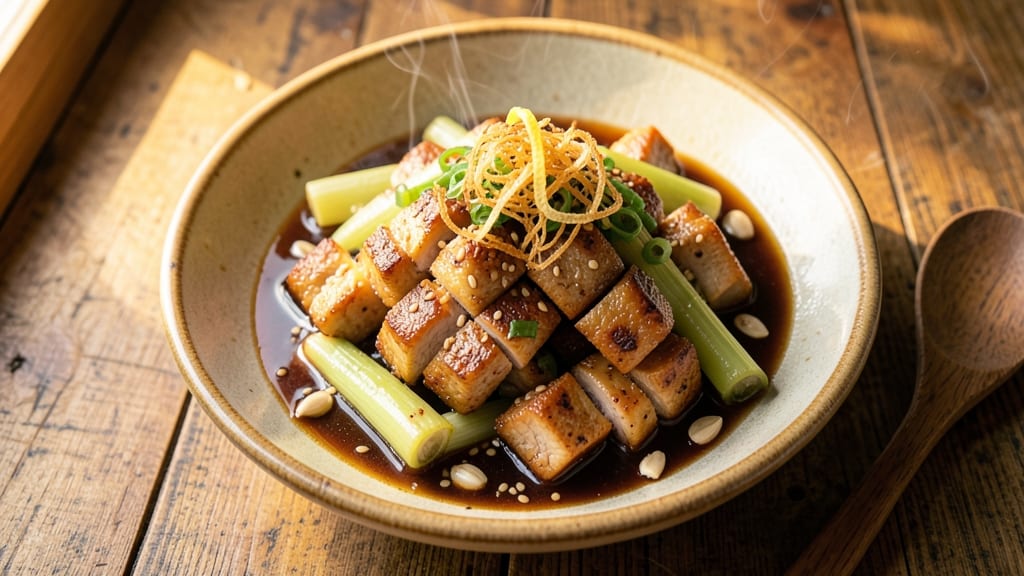
This Filipino bamboo shoots with pork recipe delivers a perfect marriage of textures—crispy wok-fried pork and tender bamboo shoots bathed in a savory-sweet soy-vinegar glaze.
After years of perfecting the balance between crispy edges and tender meat, I've developed a method that captures the soul of Filipino home cooking in every bite. The secret lies in the marinade, where garlic, soy sauce, and vinegar work together to create that signature umami depth.
What makes this dish truly special is how the ingredients transform during cooking. The pork fillets develop a golden-brown crust from the high-heat stir-fry, while the bamboo shoots soften just enough to absorb the rich, caramelized sauce.
This isn't just another stir-fry—it's a celebration of Filipino flavors where every component plays its part. The dish comes together in under 30 minutes, making it perfect for weeknight dinners without sacrificing restaurant-quality results.
By the time you serve this dish, you'll have a plate that's visually stunning and packed with flavor—crispy pork pieces, glossy bamboo shoots, and a sauce that's perfectly balanced between sweet and savory.
The aroma alone will have everyone gathering around the table, and the first bite delivers that satisfying crunch followed by tender meat and complex flavors. This is comfort food at its finest, with just the right amount of heat and depth.
Serve it over steamed jasmine rice to soak up every last bit of that delicious sauce, or pair it with a simple green salad to cut through the richness. The leftovers reheat beautifully, making this an excellent meal-prep option for busy weeks.
Let's bring this Filipino classic to your kitchen—it's easier than you think, and the results will impress even the most discerning eaters.
Ingredients for bamboo shoots with pork filipino
Pantry staples meet Filipino flavors in this crispy wok-fried pork dish.
| Ingredient | Amount | Notes |
|---|---|---|
| Pork Fillets 🥩 | 1 lb | Boneless, cut into 1-inch pieces |
| Bamboo Shoots 🌿 | 1 can | Water-packed, drained and sliced |
| Garlic Cloves 🧄 | 6 cloves | Minced for marinade |
| Soy Sauce 🥄 | ½ cup | Light or regular, not low-sodium |
| White Vinegar 🍶 | ¼ cup | For tangy depth |
| Brown Sugar 🍚 | ¼ cup | Packed, for caramelized sauce |
| Vegetable Oil 🫒 | ½ cup | High smoke point for wok-frying |
| Green Onions 🧅 | 4 whole | Sliced, for garnish |
| Salt 🧂 | 1 tsp | Kosher or sea salt |
| Black Pepper 🌶️ | ½ tsp | Freshly ground |
| Fish Sauce 🐟 | 1 tbsp | For umami punch |
| Cornstarch 🌾 | 1 tbsp | For crispy pork coating |
| Sesame Oil 🫒 | 1 tsp | For finishing aroma |
| Jasmine Rice 🍚 | 1 ½ cups | Uncooked, for serving |
The pork fillets are the star—look for tender cuts with good marbling at Asian markets or your grocery store's meat counter. Red River Farms pork is my go-to when I want extra tenderness, but any boneless fillets work. For the bamboo shoots, water-packed is ideal (the oil-packed kind is too heavy), but if you can't find them, canned water chestnuts make a decent substitute. The garlic should be fresh—no powdered shortcuts—and minced finely for that signature umami punch in the marinade. If you're using pre-minced garlic from a jar, rinse it well to remove any added preservatives.
No fish sauce? Soy sauce plus a dash of Worcestershire works in a pinch, though it won't have that exact umami depth. Running short on brown sugar? White sugar plus a splash of soy sauce mimics the caramelization. The cornstarch is non-negotiable for crispy pork—it creates that perfect crunch. If you don't have sesame oil, toasted sesame seeds sprinkled at the end give a similar nutty aroma. For the bamboo shoots, if they're too fibrous, slice them thinner or pulse them briefly in a food processor. The green onions? Only use the green parts—the whites get tough when cooked.
This dish reheats like a dream—just toss it in a hot skillet with a splash of water for 2-3 minutes, and it's crispy again. Store leftovers in the fridge for 4 days or freeze for 3 months. I always make extra because it's perfect for meal prep—just reheat and serve over rice. The sauce thickens as it sits, so if it's too glazy when reheating, simmer it uncovered for a minute to reduce. For serving, keep the rice warm in a rice cooker or covered pot—steamed jasmine rice is non-negotiable here, but any long-grain rice works in a pinch.
Why You'll Love This Recipe
- One-Pan Magic: I swear by this recipe when I’m too tired to scrub pots—just sear the pork, toss in the bamboo shoots and garlic, and let the vinegar and soy sauce work their magic. The bamboo’s crunch stays intact, and the pork stays juicy without a single extra dish.
- Umami Bomb: That combo of soy sauce and vinegar? It’s like a flavor explosion in your mouth. The vinegar brightens everything up while the soy adds this deep, savory richness—especially when the pork gets that caramelized crust. Honestly, I’ll take this over takeout any day.
- Lunchbox Hero: Between us, this is my go-to for meal prep. The flavors only get better after a day in the fridge, and it reheats like a dream. Pack it in containers for work or school—no one will guess it’s not a fancy restaurant dish.
- Budget Win: Pork fillets and bamboo shoots are affordable staples, and this recipe stretches them far. I’ve fed four people for under $15, and the leftovers? Even better cold in sandwiches. My wallet and my taste buds thank me every time.
Step-by-step instructions for crispy wok-fried pork with bamboo shoots
Here's how to create that perfect balance of crispy pork and tender bamboo shoots with a rich, savory sauce.
Marinate the Pork for Maximum Flavor
In a medium bowl, combine the 1 lb pork fillets, cut into 1-inch pieces, with the 6 cloves minced garlic cloves, 0.5 cup soy sauce, 0.25 cup white vinegar, 1 tbsp fish sauce, 1 tsp salt, and 0.5 tsp black pepper. Mix gently but thoroughly to coat all the pork pieces evenly. Let this marinate for at least 30 minutes at room temperature—this ensures the flavors penetrate deeply and the pork stays juicy during cooking.
While the pork marinates, drain and slice the 1 can bamboo shoots into bite-sized pieces. Set them aside—they'll add that satisfying crunch to your dish. I like to pat them dry with a paper towel to remove any excess moisture, which helps them crisp up nicely when cooked later.
Prepare the Crispy Pork Coating
In a separate small bowl, whisk together 1 tbsp cornstarch and 0.25 cup brown sugar. This mixture is what will give your pork that irresistible crispy exterior. After the pork has marinated for at least 30 minutes, remove it from the marinade (though you can reserve a little for basting later) and pat it dry with paper towels—this step is crucial for getting that perfect golden crust.
Toss the drained pork pieces in the cornstarch-sugar mixture until they're fully coated. You'll see the sugar start to caramelize slightly, which is exactly what we want. Let the coated pork rest for 5-10 minutes while you prepare your wok or large skillet. This resting time helps the coating adhere better and prevents the sugar from burning when you cook it.
Wok-Fry the Pork Until Crispy
Heat 0.5 cup vegetable oil in a wok or large skillet over medium-high heat until it shimmers—you're looking for a temperature where a small piece of pork sizzles vigorously when dropped in. Working in batches if needed (to avoid overcrowding), add the coated pork and cook for 3-4 minutes per batch, stirring occasionally, until the pork is golden brown and crispy on all sides. The sugar in the coating will caramelize and create that beautiful glossy crust.
Once the pork is crispy, transfer it to a plate and set it aside. You'll want to keep it warm while you prepare the sauce, but don't let it sit too long or it'll lose its crispiness. Here's a pro tip: if you have leftover marinade, you can use it to baste the cooked pork while it rests, adding even more flavor.
Create the Savory Sauce
In the same wok (no need to clean it—the browned bits add flavor), reduce the heat to medium and add the sliced green onions, cutting them into 1-inch pieces. Stir-fry for 1-2 minutes until they soften slightly. Then, pour in the reserved pork marinade (about ¼ cup) and let it simmer for 2-3 minutes until it reduces by half and thickens slightly.
Stir in the 1 tsp sesame oil and taste the sauce. You might want to adjust the seasoning with a little more soy sauce or fish sauce if needed—this is where you can customize the flavor to your liking. The sauce should be glossy and coat the back of a spoon. If it's too thick, you can add a splash of water to loosen it up.
Combine and Serve Over Jasmine Rice
Return the crispy pork to the wok and toss everything together, letting the pork soak up that delicious sauce for 1-2 minutes. The heat from the pork will help the sauce cling to it beautifully. Taste one piece of pork to ensure it's cooked through and the flavors are balanced—you should get a perfect mix of crispy, savory, and slightly sweet.
Serve the pork and bamboo shoots immediately over 1.5 cups cooked jasmine rice. The contrast of the crispy pork, tender bamboo shoots, and fluffy rice makes this dish a complete meal. Garnish with extra sliced green onions for a pop of color and freshness. This dish is best enjoyed fresh, so don't let it sit too long before serving!
Pro Tips For Making Bamboo Shoots With Pork Filipino
- Slice Pork Thinly: Thin slices—about ¼-inch thick—cook faster and soak up the garlic-soy-bamboo flavor better. I used to fight with thick chunks, and they’d turn rubbery before the edges browned. A sharp knife and steady hand make all the difference here.
- Rinse Bamboo Shoots: Drain and rinse canned bamboo shoots under cold water for 30 seconds—it cuts the metallic tang that ruins the dish. Trust me, skipping this step means your sauce will taste off, not just bland.
- Deglaze With Vinegar: Add the white vinegar after the pork browns, not before. The acid cuts through the fond (those sticky bits) and brightens the sauce instantly. Pour it in, let it bubble for 10 seconds, then add soy—game changer.
- Simmer Low and Slow: Once everything’s in the pot, drop the heat to medium-low and let it bubble gently. High heat turns the sauce gluey; low heat keeps it glossy and lets the flavors meld. I learned this after a sticky, sad batch that looked like it needed a glue gun.
Wine and beer pairings for this recipe
Filipino Red Wine Pairings
For this dish, I always reach for a Filipino red wine like Tayum Red from Bodega Luis Latour. This wine's bold fruit notes and subtle spice complement the dish's caramelized pork and umami-rich sauce beautifully.
The wine's moderate tannins won't overpower the delicate flavors of the bamboo shoots, creating a harmonious balance. 🍷
If you prefer something lighter, try Cabernet Sauvignon from Petron Winery—its bright acidity cuts through the richness while enhancing the dish's sweet-savory profile. The dark fruit undertones mirror the caramelized pork, making each bite even more satisfying.
Asian-Inspired Beer Options
A Filipino lager like San Miguel Pale Pilsen is my go-to beer pairing. Its crisp, clean finish cleanses the palate between bites of crispy pork, while the malt sweetness enhances the dish's caramelized notes. The light body ensures it doesn't compete with the dish's bold flavors. 🍺
For craft beer lovers, a Japanese hoppy IPA like Sapporo Black Label works surprisingly well. The citrusy hops provide a refreshing contrast to the dish's richness, while the malty backbone complements the soy and vinegar in the sauce. Serve it chilled to highlight its crispness.
Non-Alcoholic Pairings
If you're skipping alcohol, ginger beer is a fantastic choice. The spicy kick from fresh ginger mirrors the dish's umami depth, while the effervescence cuts through the sauce's richness. I like San Pellegrino Aranciata for its bright citrus notes, which balance the dish's savory profile. 🍹
For a more traditional pairing, Filipino calamansi juice—a mix of calamansi and water—adds a tangy, citrusy brightness that refreshes the palate. Serve it chilled in a hollowed-out orange for an authentic touch that ties back to Filipino dining culture.
Dessert Wine Balance
If you're serving this dish as part of a full meal, follow it with a Filipino dessert wine like Tayum White. Its honeyed sweetness and citrus notes provide a perfect contrast to the dish's savory-sweet profile.
The wine's light body ensures it doesn't feel heavy after such a rich main course. 🍇
For a non-alcoholic finish, mango sorbet is a refreshing choice. The tropical sweetness complements the dish's caramelized flavors while cleansing the palate. Serve it with crushed macadamia nuts for a textural contrast that echoes the dish's crispy pork.
Nutrition facts
Frequently asked questions
Can I use fresh bamboo shoots instead of canned?
Fresh bamboo shoots require thorough preparation—peeling, soaking in salted water for 30 minutes, and boiling for 10 minutes to remove bitterness. They'll be much more fibrous than canned, so slice them thinner and cook them longer (about 5-6 minutes) until tender. Canned shoots are more convenient and consistently tender for this recipe.
What's the best cut of pork for this dish?
Look for tender, boneless cuts like pork tenderloin or pork loin—they stay juicy during high-heat cooking. My preferred choice is Red River Farms pork fillets (available at Asian markets) as they have excellent marbling. Avoid fatty cuts like pork belly, which can make the dish greasy.
How do I prevent the pork from getting soggy?
Pat the pork pieces very dry after marinating and before coating with cornstarch. Cook in small batches to avoid overcrowding the pan, and keep the heat at medium-high until the pork is fully crispy. Rest the cooked pork on a wire rack for 2-3 minutes before adding sauce to maintain crispness.
Can I make this dish in advance?
Yes! Cook the pork and bamboo shoots completely, then store them separately in the fridge for up to 3 days. Reheat the pork in a skillet with 1 tsp oil for 2-3 minutes until crispy again, then toss with the reheated sauce. The sauce can be made 1 day ahead—just reheat it gently before combining with the pork.
What if I don't have fish sauce?
Replace it with 1 tbsp soy sauce plus ½ tsp Worcestershire sauce for umami depth. For a vegetarian version, use 1 tbsp soy sauce plus ½ tsp mushroom powder. The dish will still be delicious, though the fish sauce provides that signature Filipino savory punch that's hard to replicate.