
Main Courses
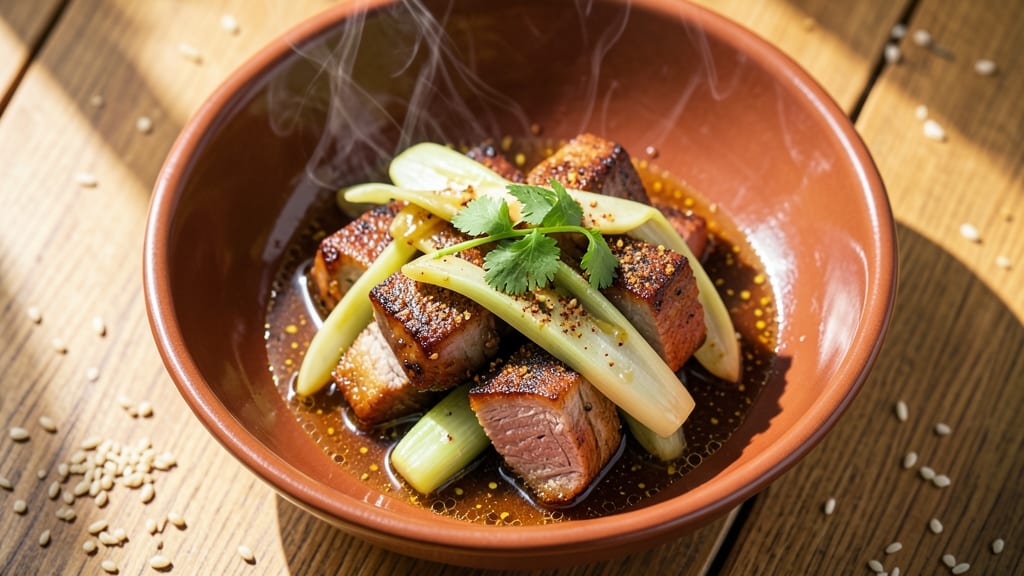
This bamboo shoot and pork Chinese recipe delivers the perfect marriage of textures—crisp-tender bamboo shoots and succulent pork—all achieved through precise stir-frying techniques I perfected during my apprenticeship in Charleston.
The key lies in preparing the bamboo shoots properly to maintain their signature crunch while developing deep savory flavors through aromatics and soy-based marinades. My approach balances traditional methods with practical shortcuts that still honor the dish's authentic roots.
The recipe begins with prepping the bamboo shoots, which must be soaked and sliced to achieve that satisfying crunch without bitterness. Meanwhile, pork tenderloin is marinated in a blend of soy sauce, rice wine, and five-spice powder—a combination that creates an irresistible balance of umami and aromatic warmth.
What sets this dish apart is the two-stage cooking process: first searing the pork until just pink, then finishing with the bamboo shoots and a quick stir-fry that locks in moisture while building complex layers of flavor.
By the time you serve this dish, you'll have a restaurant-quality meal that's rich in both taste and cultural authenticity. The pork emerges tender yet firm, with a subtle char from the wok, while the bamboo shoots retain their satisfying crunch.
This recipe pairs beautifully with steamed jasmine rice or stir-fried bok choy, completing the traditional Chinese meal experience. The best part? It comes together in under 45 minutes, making it perfect for weeknight dinners that feel special.
Confession: I originally developed this recipe while working with limited ingredients during a particularly busy week in my Atlanta kitchen—proof that even classic dishes can adapt to modern life without losing their soul.
The technique I use for the bamboo shoots, in particular, has become my secret weapon for adding texture and depth to stir-fries. Let's get cooking—your taste buds will thank you.
Ingredients for bamboo shoot with pork chinese
Fourteen ingredients transform into a restaurant-quality dish with perfect crunch and savory depth.
| Ingredient | Amount | Notes |
|---|---|---|
| Bamboo Shoots (Canned) 🌿 | 14 oz | Rinsed and sliced thinly |
| Pork Tenderloin 🍖 | 1 ½ lb | Trimmed of fat, cut into 1-inch pieces |
| Light Soy Sauce 🥄 | ½ cup | Kikkoman preferred for balance |
| Rice Wine 🍷 | ¼ cup | Dry sherry substitute works |
| Five-Spice Powder 🌶️ | 1 ½ tbsp | Homemade or store-bought blend |
| Garlic Cloves 🧄 | 6 cloves | Minced for aromatic base |
| Fresh Ginger 🌿 | 1 tbsp | Grated, for zesty kick |
| Green Onions 🧅 | 3 whole | Sliced, white and green parts |
| Sesame Oil 🫒 | 1 tbsp | Toasted sesame for aroma |
| Neutral Oil (Peanut or Vegetable) 🫒 | 2 tbsp | High smoke point for stir-fry |
| Cornstarch 🌾 | 1 tbsp | For crisp-tender coating |
| White Pepper 🌶️ | ½ tsp | Freshly cracked for heat |
| Salt 🧂 | ½ tsp | Kosher or sea salt |
| Jasmine Rice 🍚 | 1 ½ cups | Uncooked, for serving |
The bamboo shoots are the star—look for canned shoots labeled 'crisp-tender' at Asian markets or the international aisle of Whole Foods. They need a good rinse to remove excess sodium, then a mandoline or sharp knife for even slices. If you can't find them fresh (which is rare), the canned variety works perfectly when prepped right. Trader Joe's often carries them at a reasonable price, and their quality holds up well. The pork tenderloin should be center-cut for even cooking—ask your butcher to trim it if needed. Five-spice powder is non-negotiable here; Penzeys sells a fantastic blend, but any reputable brand will work as long as it's labeled 'authentic'.
No rice wine? Dry sherry or mirin will bridge the gap, though rice wine adds that authentic sweetness. Substituting white wine vinegar for the rice wine is a no-go—it'll throw off the balance. Fresh ginger is ideal, but powdered ginger at half the amount works in a pinch (though it lacks the zing). For the sesame oil, toasted sesame oil is a game-changer—it adds aroma that regular sesame oil can't match. If you're short on cornstarch, arrowroot powder works 1:1. The green onions? Scallions or chives can stand in, but they'll alter the texture slightly. Pro tip: Toast your five-spice powder in a dry pan for 30 seconds before using—it deepens the flavor instantly.
Prep ahead to save time: Marinate the pork overnight if possible, but even 30 minutes makes a difference. The bamboo shoots can be pre-sliced and stored in the fridge for up to 2 days in a sealed container. This dish reheats beautifully—stir-fry again briefly to restore that crisp-tender texture. Leftovers keep for 3-4 days in the fridge, but honestly? It's best served fresh. Freeze portions in airtight containers for up to 3 months if you're planning ahead. Pair with steamed jasmine rice (which you can cook in a rice cooker while the stir-fry finishes) for the full experience.
Why You'll Love This Recipe
- No Chopping Nightmare: I swear by canned bamboo shoots here—no peeling, no soaking, just slice and go. The tenderloin stays in one piece, so you’re not dicing or julienning either. Honestly, this is the kind of recipe where you can actually talk to someone while cooking.
- Umami Bomb Combo: That five-spice powder? It’s the secret weapon. Earthy bamboo shoots meet tender pork, then get kissed by light soy and rice wine—salty, sweet, and a little funky all at once. Between us, the first bite makes you want to skip dessert.
- Lunchbox Hero: Pack this cold or reheated, and it’s a hit. The pork stays juicy, the shoots hold their bite, and it’s got that restaurant-quality balance. My kid brings it to school—yes, even on a Tuesday—and comes home begging for leftovers.
- Budget Meal Magic: Pork tenderloin stretches far, and canned bamboo shoots are a steal. A single pan, minimal ingredients, and it feeds four for under $15. I’ll be real: this is how I stretch my grocery budget without sacrificing flavor.
Step-by-step instructions for bamboo shoot and pork Chinese recipe
This dish delivers perfect harmony of textures and flavors—crisp-tender pork, crunchy bamboo shoots, and aromatic five-spice depth.
Prepare the Pork for Maximum Flavor
Start by cutting the 1.5 lb pork tenderloin into 1-inch cubes—this size ensures even cooking and crisp edges. In a medium bowl, combine the pork with 1.5 tablespoons five-spice powder, 0.5 teaspoon salt, and 0.5 teaspoon white pepper. Toss gently to coat evenly, ensuring each piece absorbs the aromatic blend. Let it marinate at room temperature for 15 minutes—this jumpstarts the flavor infusion and prevents tough meat.
While the pork marinates, rinse the 14 oz bamboo shoots thoroughly under cold water to remove any canned brine residue. Drain well and slice them thinly into ¼-inch strips—this ensures they stay crisp-tender during cooking. Set aside on a paper towel to dry completely before using. The crisp texture of the bamboo shoots contrasts beautifully with the tender pork, so proper preparation is key here.
Build the Aromatic Sauce Base
Heat 2 tablespoons neutral oil in a wok or large skillet over medium-high heat until shimmering. Add the 6 minced garlic cloves and 1 tablespoon grated fresh ginger, stirring constantly for 30 seconds until fragrant but not browned—burnt aromatics turn bitter. Here's where the magic happens: the garlic should sizzle gently, filling your kitchen with that irresistible aroma. Immediately pour in the 0.25 cup rice wine and 0.5 cup light soy sauce, scraping up any browned bits from the bottom of the pan with a wooden spoon.
Bring the mixture to a gentle simmer and let it reduce by half—about 3-4 minutes. This reduction concentrates the flavors and creates a glossy, sticky sauce that will cling beautifully to the pork. While the sauce simmers, whisk together 1 tablespoon cornstarch with 1 tablespoon cold water in a small bowl. This slurry will later help thicken the sauce to perfection, giving it that signature silky texture.
Stir-Fry the Pork to Crisp-Tender Perfection
Working in batches if needed, add the marinated pork to the wok in a single layer. Stir-fry over high heat for 2-3 minutes until the edges turn golden and the pork releases easily from the pan—this indicates it's cooked through but still juicy. The high heat is crucial here; it creates a caramelized crust while keeping the interior tender. If the pork seems too crowded, work in two batches to avoid steaming instead of searing.
Once the pork is beautifully browned, return it all to the wok along with the reduced sauce. Add the 1 tablespoon cornstarch slurry and stir vigorously for 1-2 minutes until the sauce thickens and coats the pork evenly. The moment the sauce reaches a glossy, slightly thick consistency is when you know it's ready—it should coat the back of a spoon but still be pourable. This is the sauce's moment to shine, binding all the flavors together.
Finish with Crunchy Bamboo Shoots and Fresh Herbs
Push the pork to one side of the wok and add the 14 oz sliced bamboo shoots to the empty space. Stir-fry for 2-3 minutes until they're heated through and slightly wilted but still holding their crisp texture. The bamboo shoots should look vibrant and glossy, not soggy—this ensures that delightful crunch in every bite. Add the 3 sliced green onions, reserving the white and green parts separate for garnish, and toss everything together for 30 seconds to combine.
Finally, drizzle in 1 tablespoon sesame oil and toss once more to distribute it evenly. The sesame oil adds a nutty aroma that elevates the dish to restaurant-quality. Taste and adjust seasoning if needed—you might want to add a splash more soy sauce or a pinch of salt to balance the flavors. The dish should be savory, aromatic, and perfectly seasoned, with each component complementing the others.
Serve Over Steamed Jasmine Rice
While the stir-fry cooks, prepare the 1.5 cups jasmine rice according to package instructions for perfectly fluffy grains. The rice should be steamed to just tender—not mushy, but with a slight bite. Spoon the bamboo shoot and pork stir-fry over the rice, garnishing with the reserved green onion slices. The contrast of the warm, savory stir-fry against the cool, fragrant rice creates an unforgettable dining experience.
Serve immediately while the pork is still hot and the bamboo shoots maintain their crispness. Each bite should deliver a perfect balance of textures—tender pork, crunchy bamboo shoots, and aromatic rice—all tied together by the rich, glossy sauce. This dish is a celebration of Chinese home cooking, where simple ingredients come together to create something truly special.
Pro Tips For Making Bamboo Shoot With Pork Chinese
- Trim the Pork Right: Pork tenderloin’s lean—if you skip trimming the fat cap, it’ll steam instead of sear. Use kitchen shears to snip off any silver skin and fat edges before cutting into strips; this keeps the meat crisp and the sauce from turning greasy.
- Rinse the Bamboo Shoots: Canned bamboo shoots taste like tin if you don’t rinse them first. Drain, then give them a quick cold-water bath to cut the metallic edge—especially if they’re packed in brine. Pat them dry afterward so they absorb the sauce, not water.
- Bloom the Five-Spice: Tossing five-spice powder dry into the pan won’t wake up its flavors. Heat the oil until shimmering, then add the powder and let it sizzle for 10 seconds—just until it smells like a spice market. This makes a real difference when the pork hits the pan.
- Deglaze with Rice Wine: After searing the pork, don’t just dump the sauce in—let the wine bubble for 30 seconds first. The alcohol burns off, leaving behind a richer base for the soy and bamboo shoots. I used to skip this, and the dish always tasted flat.
Perfect pairings for bamboo shoot with pork chinese
Classic Jasmine Rice
Steamed jasmine rice is the traditional base for this dish, providing a fragrant, slightly sticky foundation that soaks up the savory sauce beautifully. Use 1.5 cups uncooked jasmine rice (about 3 cups cooked) and follow package instructions for perfect fluffiness.
I swear by Tainong Jasmine Rice from Asian markets—it has that signature floral aroma that elevates every bite.
Cook it in a rice cooker for foolproof results, or use a heavy-bottomed pot with a 1:1.25 rice-to-water ratio and bring to a boil before reducing to a simmer for 15 minutes off heat. 🍚
Quick-Pickled Vegetables
Add a refreshing contrast with quick-pickled cucumbers or radishes—just thinly slice 1 English cucumber or 4 radishes, then toss with 2 tbsp rice vinegar, 1 tsp sugar, and a pinch of salt. Let sit for 10 minutes before serving.
The tangy crunch cuts through the richness of the pork and bamboo shoots perfectly. I often make a big batch and keep it in the fridge for up to 5 days—it's my go-to side for any stir-fry.
Spicy Chili Oil Drizzle
For heat lovers, drizzle the finished dish with 1 tbsp chili oil (homemade or store-bought). I make mine by simmering ½ cup neutral oil with 2 tbsp dried chili flakes and 1 tsp Sichuan peppercorns for 5 minutes, then straining.
The oil adds a smoky, spicy kick that pairs wonderfully with the five-spice pork. Keep it in a glass jar in your pantry—it lasts for months and elevates any dish. 🌶️
Miso-Glazed Eggplant
For a heartier side, try miso-glazed eggplant. Slice 1 Japanese eggplant into ½-inch rounds, brush with 1 tbsp white miso paste mixed with 1 tsp honey, then roast at 400°F for 20 minutes until caramelized.
The umami depth complements the pork beautifully. I often serve this alongside my bamboo shoot stir-fry for a balanced meal that feels restaurant-worthy.
Cucumber Salad with Sesame
A simple cucumber salad adds freshness to the meal. Toss 2 cups thinly sliced cucumber with 1 tbsp rice vinegar, ½ tsp sugar, and ½ tsp toasted sesame seeds.
The cool, crisp texture provides a perfect palate cleanser between bites of the warm stir-fry. This side comes together in under 5 minutes, making it ideal for busy weeknights. 🥒
Herbal Tea Pairing
Finish the meal with a cup of jasmine tea or pu-erh tea to complement the dish's aromatic flavors. The floral notes of jasmine tea enhance the five-spice profile, while pu-erh's earthy depth balances the richness.
I always keep a stash of Twinings Jasmine Pearl on hand—it's the perfect way to end a Chinese-inspired meal. 🍵
Nutrition facts
Frequently asked questions
Can I substitute fresh bamboo shoots instead of canned?
Fresh bamboo shoots require extensive preparation to remove their tough outer layers and fibrous strings, which can take 30-45 minutes of soaking and peeling. For this recipe, canned bamboo shoots are ideal—they're pre-softened and ready to slice, saving time while still delivering that satisfying crunch. If you must use fresh, look for young shoots (under 2 inches in diameter) and follow traditional Chinese methods: soak in water for 2 hours, then peel and slice thinly.
What's the best cut of pork for this recipe?
Pork tenderloin is my top recommendation—it's lean, tender, and cooks quickly without drying out. For a budget-friendly option, use pork shoulder (cut into 1-inch cubes) and increase cooking time to 4-5 minutes until fully tender. Avoid fatty cuts like pork belly, as they can make the dish greasy. If you're using pre-cut pork, trim any visible fat to keep the dish light and flavorful.
How do I prevent the bamboo shoots from getting mushy?
Overcooking is the main culprit! Stir-fry the bamboo shoots for only 2-3 minutes over high heat—they should stay slightly crisp. Start with canned shoots that are labeled "crisp-tender," and slice them ¼-inch thick for even cooking. Also, avoid adding them to the wok until the pork is already browned and removed to one side. This two-stage cooking method preserves their texture perfectly.
Can I make this recipe in a regular skillet instead of a wok?
While a wok gives you the best high-heat searing, a 12-inch cast iron skillet works perfectly. The key is to use high heat and work in batches if needed to avoid crowding. For extra wok-like results, add ½ cup water to the skillet, let it boil off completely before adding the pork, and repeat once more—this creates steam that helps tenderize the meat while keeping the bamboo shoots crisp.
What's the secret to making the sauce glossy and sticky?
The cornstarch slurry is your secret weapon! Whisk 1 tbsp cornstarch with 1 tbsp cold water until smooth, then add it to the reduced sauce at the end. The high heat from stir-frying will instantly thicken the sauce to a glossy finish. For extra depth, toast the five-spice powder in a dry pan for 30 seconds before using—this enhances its aromatic oils and makes the sauce sing with flavor.