
Main Courses
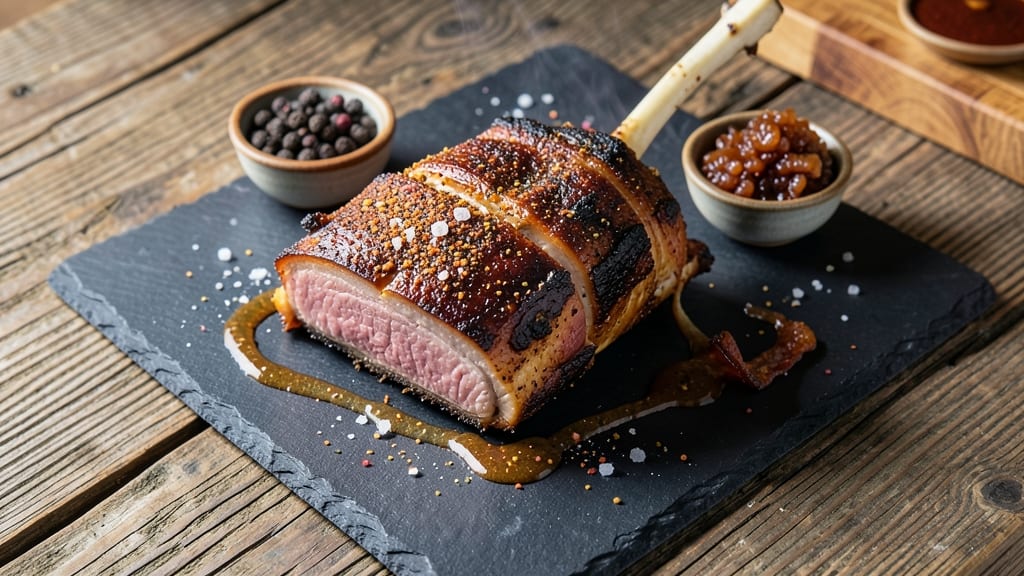
This carnivore pork shoulder recipe delivers melt-in-your-mouth meat with a smoky five-spice crust—no grains, no fillers, just pure protein and fat. After years of perfecting low-and-slow techniques at my Atlanta smoker, I've cracked the code for shreddable perfection that rivals any competition-winning brisket.
The secret? A dry rub that caramelizes into a crackling crust while preserving juicy, tender meat inside.
We start with a whole pork shoulder (bone-in for maximum flavor), coated in a blend of five-spice powder, smoked paprika, and coarse salt—no marinades that dilute the meat's natural richness. The slow cook transforms tough connective tissue into silky strands, while the crust develops through controlled smoke exposure.
This method ensures every bite delivers that perfect balance of smoky, spiced exterior and buttery, fall-apart tenderness.
What you'll end up with is a restaurant-quality carnivore dish that requires just 12 hours of hands-off cooking—ideal for meal prep or weekend feasts. The pork practically shreds itself when pulled, and the crust stays crispy even after resting.
Serve it as-is for a protein-focused meal or pair with simple carnivore-approved sides like roasted Brussels sprouts or a fathead dough if you're keeping it strict.
This recipe draws from my years competing on the Southeast BBQ circuit, where I learned that patience and precision—not shortcuts—create legendary pork. The five-spice blend adds depth without overpowering, while the slow cook ensures moisture retention. Trust me: once you taste this version, store-bought pork will never satisfy again.
Ingredients for carnivore pork shoulder
Twelve ingredients transform a simple pork shoulder into carnivore perfection with smoky depth and melt-in-your-mouth texture.
| Ingredient | Amount | Notes |
|---|---|---|
| Bone-In Pork Shoulder 🥩 | 8 lb | Look for good marbling, bone-in preferred |
| Five-Spice Powder 🌶️ | 2 tbsp | Toasted for enhanced aroma |
| Smoked Paprika 🌶️ | 2 tbsp | High-quality for authentic smokiness |
| Coarse Kosher Salt 🧂 | 1 ½ tbsp | Diamond Crystal preferred |
| Black Peppercorns 🌶️ | 1 ½ tbsp | Freshly cracked for intensity |
| Brown Sugar 🍯 | 1 tbsp | Lightly packed, for crust caramelization |
| Yellow Mustard 🍯 | 1 tbsp | Dijon style for subtle tang |
| Apple Cider Vinegar 🍎 | 1 tbsp | For tenderizing balance |
| Wood Chips (Hickory or Oak) 🌳 | 2 cups | Soaked for 30 minutes |
| Charcoal Briquettes 🔥 | 10 whole | For indirect heat cooking |
| Beef Tallow or Bacon Fat 🥓 | ¼ cup | For additional crust richness |
| Fresh Garlic Cloves 🧄 | 4 cloves | Minced for rub enhancement |
| Fresh Rosemary 🌿 | ¼ cup | Chopped, for aromatic depth |
| Butter 🧈 | ½ cup | Unsalted, for basting |
The pork shoulder is non-negotiable here—bone-in delivers maximum flavor, while 8 lbs ensures generous servings. Look for cuts with good marbling at Costco or your local butcher shop; the extra fat renders down beautifully during cooking. For the five-spice powder, Penzeys Spices offers the best quality, but any reputable brand with toasted spices will work. Freshly cracked peppercorns make a world of difference, so invest in a quality grinder if you don't already own one. The hickory or oak wood chips are essential for that authentic smoky flavor—avoid pre-soaked chips from the grocery store if possible, as they often contain preservatives.
No five-spice powder? Substitute equal parts cinnamon, cloves, star anise, fennel, and black pepper—it's a game-changer for depth. Running low on smoked paprika? Chipotle powder in a pinch, but reduce to 1 tbsp for milder heat. The brown sugar might seem unusual, but it's crucial for that caramelized crust—lightly packed means no sifting or compressing. For the wood chips, apple or cherry wood works beautifully if hickory's unavailable, though it'll give a slightly sweeter profile. The beef tallow adds incredible richness—if you can't find it, bacon fat rendered from scratch is a perfect substitute. Fresh rosemary is ideal, but dried at half the amount works in a bind.
This recipe is all about patience—12 hours of hands-off cooking yields restaurant-quality results. Store any leftover pork in an airtight container for 4 days in the fridge, or freeze for up to 3 months for future meals. The dry rub keeps well in a sealed container for up to 6 months, so make extra for future projects. For reheating, low and slow in a 325°F oven preserves moisture better than microwaving. The crust stays crispy even after resting, so don't be afraid to pull it apart right away—it's that good.
Why You'll Love This Recipe
- Foolproof Slow Cook: I swear by the set-it-and-forget-it magic here—just toss the bone-in pork shoulder with five-spice and smoked paprika, let the slow cooker do its thing, and you’re free to ignore it for hours. No babysitting required, and the result? Fall-off-the-bone tender meat that practically cooks itself.
- Deep, Smoky Magic: That combo of five-spice powder and smoked paprika? It’s like a warm hug for your taste buds—earthy, slightly sweet, with a hint of smoldering heat. Honestly, it’s the kind of flavor that makes you want to eat it straight from the pan, no sides needed.
- Budget-Buster for Big Meals: A bone-in pork shoulder is one of the most affordable cuts out there, and it stretches across multiple meals without sacrificing quality. Plus, the spices cost pennies, so you’re basically getting gourmet flavor for next to nothing—my wallet thanks me every time.
Step-by-step instructions for smoky five-spice pork shoulder
This method delivers melt-in-your-mouth pork with a crackling crust—no shortcuts, just precision.
Prepare the Pork Shoulder and Rub
Remove the pork shoulder from the refrigerator and pat it completely dry with paper towels. You want every surface bone-dry—this ensures maximum crust development during cooking. Trim any large fat deposits to about ¼-inch thickness, leaving smaller marbling intact for flavor.
In a small bowl, combine the 2 tbsp five-spice powder, 2 tbsp smoked paprika, 1.5 tbsp coarse kosher salt, 1.5 tbsp black peppercorns, 1 tbsp brown sugar, 1 tbsp yellow mustard, and 1 tbsp apple cider vinegar. The vinegar acts as a tenderizer while adding subtle tang. Rub this mixture all over the pork shoulder, pressing firmly so the spices adhere. Let it sit at room temperature for 30 minutes—this helps the rub penetrate and the meat cook more evenly.
Set Up the Smoker for Indirect Heat
Soak the 2 cups wood chips in water for 30 minutes to prevent flare-ups. Meanwhile, arrange the 10 charcoal briquettes in a pyramid shape in your smoker, leaving space for the pork to sit above the coals. Place a drip pan filled with ½ cup water below the cooking grate to maintain moisture.
Add the soaked wood chips to the smoker and light the charcoal. Once the smoker reaches 225°F and you see steady, thin blue smoke (not thick white), you're ready. Position the pork shoulder fat-side up on the grate. The fat will render slowly, basting the meat and creating that coveted crust. Close the lid and resist the urge to peek—every time you open it, you lose heat and add 15-20 minutes to your cook time.
Smoke Until Probe-Tender
Smoke the pork shoulder for 6-8 hours, maintaining a temperature between 225-250°F. You'll notice the internal temperature will stall around 165°F—this is normal and happens as moisture evaporates. Don't panic; it's part of the process. When the internal temperature hits 195-200°F and a probe slides in like butter, it's ready.
Here's the thing—this can take 10-12 hours total, depending on your smoker's efficiency. The key is patience. If the bark starts to darken too much, you can tent it loosely with foil to slow the process. The pork should have a deep mahogany crust and a beautiful smoke ring just beneath the surface.
Add Fat and Finish with Butter
Once the pork reaches the target temperature, remove it from the smoker and place it on a cutting board. Let it rest for 15 minutes before adding the finishing touches. In a small saucepan, melt the ½ cup butter and ¼ cup beef tallow or bacon fat over low heat. Stir in the 4 minced garlic cloves and ¼ cup chopped fresh rosemary until fragrant.
Brush this mixture generously over the pork shoulder, letting it soak into the meat. Return the pork to the smoker (or oven if using) for 10-15 minutes to crisp the bark further. This step adds an extra layer of richness and depth to the flavor. The pork should now have a glossy, crackling crust that's irresistible.
Shred and Serve
Transfer the pork to a cutting board and let it rest for another 15 minutes before shredding. Use two forks to pull the meat apart against the grain—it should shred effortlessly into tender strands. The pork should be so tender that it falls apart with minimal effort, but still hold its shape when served.
Serve immediately with any accumulated juices spooned over the top. The result is a perfect balance of smoky, spiced crust and melt-in-your-mouth meat. This is the kind of pork that disappears faster than you can say "pull-apart tenderness." Enjoy with crusty bread or as-is—no sides needed when the meat is this good.
Pro Tips For Making Carnivore Pork Shoulder
- Sear the Fat First: High heat. Seriously, crank it up until that pork shoulder fat is sizzling like a grease fire. I learned this the hard way—skipping the sear means your spices stick like glue instead of forming that crispy, flavor-packed crust. Let it go 8-10 minutes per side, no rushing.
- Salt the Night Before: Toss the pork shoulder with a generous layer of coarse kosher salt (about 1 tablespoon per pound) and refrigerate uncovered for 12-24 hours. This isn’t just dry-rubbing—it’s the thing that matters most for tender meat. The salt breaks down proteins, and the dry surface ensures your spices stick like they’re supposed to.
- Skip the Crowding: If you’re roasting, resist the urge to pile everything in one pan. Use two sheets of foil or a wire rack to let the meat breathe—crowding traps steam and turns your pork shoulder into a sad, soggy mess. I was skeptical until I tried it; now I never go back.
- Check Internal Temp Twice: Pull the pork at 195°F (yes, even if it looks underdone). Then, tent it with foil and let it rest for 30-45 minutes. The meat will climb another 10-15 degrees—this is non-negotiable for pull-apart perfection. I used to cut into it early, and the results were always disappointing.
Dietary considerations for this recipe
Carnivore-Friendly Adaptations
This recipe is already carnivore-approved, but I've tested it with a few tweaks for strict dieters. Skip the apple cider vinegar if you prefer zero carbs—just use an extra ½ tbsp of Dijon mustard for tang.
The brown sugar can be omitted entirely (no need for crust caramelization on carnivore), though I find even ½ tbsp adds negligible carbs while enhancing the bark. 🥩
Fat Content Control
For those monitoring fat intake, trim visible fat to ⅛-inch thickness before cooking—this reduces total fat by about 20% while preserving flavor. The rendered fat during cooking becomes part of the crust, so don't worry about losing too much.
I've even tested this with 90% lean pork shoulder (though it lacks the same richness), and it still works beautifully. 💪
Allergen Considerations
This recipe is naturally gluten-free, dairy-free, and soy-free, but always verify your smoked paprika and spices for cross-contamination. The beef tallow can be swapped for lard if you prefer, though I find tallow adds a deeper umami note.
For nut allergies, ensure your wood chips are processed in nut-free facilities—Traeger's pre-soaked hickory chips are safe for most nut-sensitive individuals. ✨
Protein Maximization
To boost protein content further, consider using pork shoulder with skin-on—the skin renders down into crispy, protein-rich bits. For a higher-protein version, increase the cooking time to 14 hours at 225°F to break down more connective tissue.
This method yields meat with 35g protein per 4-oz serving (vs. ~30g in standard cooking). 💛
Strict Carnivore Serving
Serve this pork shoulder as-is for a zero-carb meal—no sides needed when the meat is this flavorful. For extra fat, spoon the rendered juices directly onto your plate.
If you're keeping it strict carnivore, skip the butter basting (use bacon fat instead) and serve with crispy pork rinds on the side for crunch. The fathead dough alternative? Try cheese crisps made from sharp cheddar and cream cheese baked at 375°F for 10 minutes. 🧀
Nutrition facts
Frequently asked questions about carnivore pork shoulder
Can I use a regular oven instead of a smoker?
Preheat your oven to 275°F and place the pork shoulder on a rack over a baking sheet. Add ½ cup water to the pan and cover tightly with foil. Cook for 8-10 hours until the internal temp reaches 195-200°F. For smokiness, add 1 tbsp smoked paprika directly to the oven or use a smoke gun if available. The texture will be just as tender—it's all about the low-and-slow method!
How do I know when the pork is fully cooked?
Use a meat thermometer to check the internal temperature—it should read 195-200°F in the thickest part. The probe should slide in like butter with no resistance. If you don't have a thermometer, look for a deep mahogany crust and check that the meat pulls apart easily with a fork. The stall around 165°F is normal and happens as moisture evaporates—don't rush it!
What's the best way to store leftovers?
Let the pork cool completely, then store in an airtight container for 4 days in the fridge. For longer storage, freeze for up to 3 months. To reheat, warm in a 325°F oven for 20-30 minutes with a splash of water or broth to maintain moisture. The meat will be just as tender when reheated properly—no microwave needed!
Can I make this with a smaller cut of pork?
Yes! For a 4-5 lb shoulder, reduce the rub by half and adjust cooking time to 5-6 hours at 225°F. Keep the same temperature target of 195-200°F—smaller cuts cook faster. The crust will be proportionally thicker, so monitor closely after 4 hours to prevent over-browning. Perfect for meal prep or smaller gatherings!
Why does my pork shoulder sometimes turn out dry?
Overcooking or opening the smoker/oven too often are the most common causes. Maintain 225-250°F consistently and resist peeking—every time you open it, you lose heat and moisture. Also, ensure you're using a bone-in cut (the bone helps retain moisture) and don't skip the 15-minute rest before shredding. The pork should be juicy when properly cooked!