
Sauces & Condiments
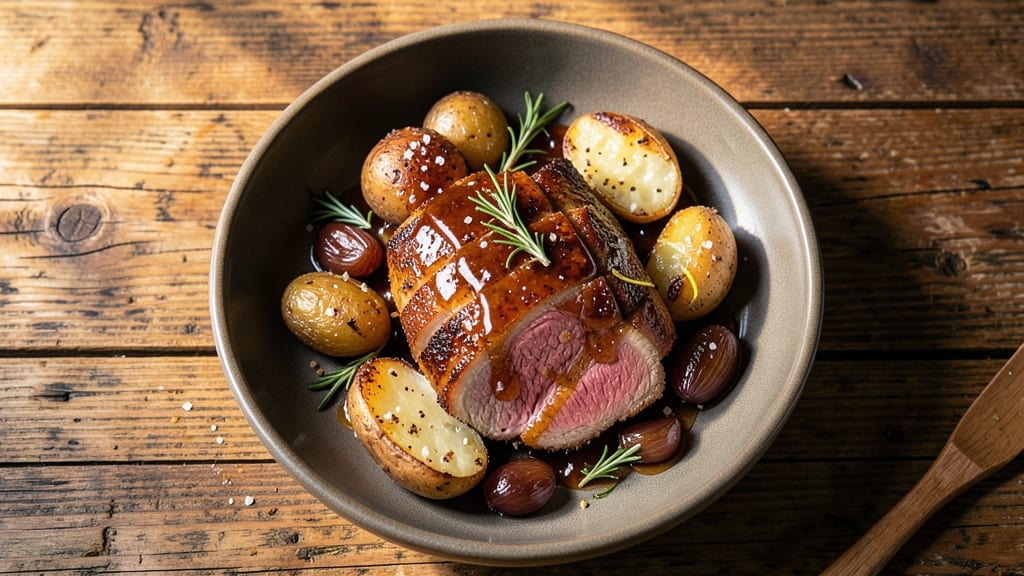
This brown sugar glazed pork tenderloin recipe delivers restaurant-quality results with a caramelized crust and juicy pink centers—exactly what makes it a showstopper at any table.
I developed this technique during a particularly busy week when I needed a dish that was both impressive and foolproof, and it's been my go-to ever since.
The secret lies in the balance between searing the pork to lock in juices and then finishing it with a sticky-sugar glaze that adds depth and a satisfying crunch.
The process starts with a simple sear in a hot skillet to create a flavorful crust, followed by a 350°F oven finish that ensures the pork stays tender and moist.
While the meat rests, the glaze comes together in minutes—brown sugar, butter, and a splash of vinegar create a caramel that's both sweet and tangy, with just the right amount of heat from a pinch of cayenne.
This isn't just another glazed pork recipe; it's one that transforms a simple protein into something extraordinary with minimal effort.
What you'll end up with is a perfectly cooked tenderloin—golden-brown on the outside, tender and juicy on the inside—coated in a glossy, caramelized glaze that's irresistibly sweet and slightly spicy. The contrast between the crispy edges and the soft, pink center is what makes this dish unforgettable.
It's the kind of meal that feels special enough for company but simple enough for a weeknight dinner.
Serve it with roasted sweet potatoes or a simple green salad to balance the richness, and you've got a complete meal that's sure to impress. The glaze also reheats beautifully, making this a great option for meal prep or leftovers.
Let's get started—this pork tenderloin is about to become a family favorite.
Ingredients for brown sugar glazed pork tenderloin
Four ingredients transform simple pork into restaurant-quality showstopper with caramelized crust and juicy pink centers.
| Ingredient | Amount | Notes |
|---|---|---|
| Pork Tenderloin 🐖 | 1 ½ lb | Center-cut, trimmed of fat |
| Light Brown Sugar 🍯 | ½ cup | Packed, not granulated |
| Unsalted Butter 🧈 | ½ cup | Cold, cubed for glaze |
| Apple Cider Vinegar 🍏 | 2 tbsp | For tangy depth |
| Cayenne Pepper 🔥 | ¼ tsp | Adjust for heat preference |
| Kosher Salt 🧂 | 1 ½ tsp | Diamond Crystal preferred |
| Ground Black Pepper 🌶️ | ½ tsp | Freshly ground |
| Garlic Cloves 🧄 | 2 cloves | Minced for seasoning |
| Olive Oil 🫒 | 1 tbsp | For searing |
| Fresh Rosemary 🌿 | 1 tbsp | Chopped, stems removed |
| Sweet Potatoes 🍠 | 2 medium | Substitute with 1.5 lb for consistency |
| Green Salad Mix 🥬 | 6 cups | Baby spinach or spring mix |
| Balsamic Vinaigrette 🍶 | ¼ cup | Store-bought or homemade |
The pork tenderloin is your star—center-cut and trimmed for even cooking. Costco or Whole Foods carry the best quality, but any grocery store's butcher section works. Look for pieces that are firm to the touch and have a vibrant pink color. The brown sugar should be light and packed—dark sugar burns easier. I always grab extra rosemary because it adds an aromatic depth that pairs perfectly with the caramelized glaze. Freshly ground black pepper makes a noticeable difference, so grind it right before using if possible.
No apple cider vinegar? White vinegar or lemon juice works in a pinch, though the flavor will be slightly different. The glaze can be made ahead and reheated gently—just add a splash of water to loosen it. For the sweet potatoes, orange or yellow varieties work best, but if you're in a hurry, frozen sweet potato cubes (thawed) save time. The salad mix can be any greens you like—arugula adds peppery bite, while spring mix keeps it light. If you're serving this for a crowd, double the glaze ingredients—it's that good.
The glaze keeps beautifully in the fridge for 5 days—just reheat gently with a splash of water. Pork tenderloin reheats best at 300°F for 10-15 minutes to stay juicy. Sweet potatoes reheat well too—microwave with a splash of water for 2-3 minutes. For leftovers, store everything separately: pork in the fridge for 3-4 days, glaze in a sealed jar for 1 week, and salad mix in a container with a paper towel to absorb moisture.
Why You'll Love This Recipe
- Same recipe, different vibes: serve it sliced over mashed potatoes for a cozy Tuesday, or platter it with roasted greens for guests. The glaze thickens beautifully, so it stays sticky and impressive without extra effort.
- One-Pan Magic: I swear by this recipe when I’m too tired to scrub pots—just sear the pork, toss in the glaze (brown sugar, butter, vinegar, cayenne), and let it caramelize. The pan does all the work while I sip my coffee.
- Sweet Heat Balance: That cayenne in the glaze isn’t just for show—it cuts through the richness of the brown sugar and butter, giving it a just-right kick. Honestly, the first time I added it, my husband asked for seconds before I even finished plating.
- Weeknight to Dinner Party: Same recipe, different vibes: serve it sliced over mashed potatoes for a cozy Tuesday, or platter it with roasted greens for guests. The glaze thickens beautifully, so it stays sticky and impressive without extra effort.
Step-by-step instructions for brown sugar glazed pork tenderloin
Here's how to achieve that perfect balance of caramelized glaze and juicy pink pork every time.
Prep and Sear the Pork Tenderloin
Start by patting the 1.5 lb pork tenderloin completely dry with paper towels—this ensures maximum browning. In a small bowl, mix together the 1.5 tsp kosher salt, 0.5 tsp ground black pepper, 0.25 tsp cayenne pepper, 2 cloves minced garlic, and 1 tbsp chopped fresh rosemary. Rub this seasoning mixture all over the pork, pressing it into the surface so it sticks.
Heat 1 tbsp olive oil in a large oven-safe skillet over medium-high heat. Once shimmering, add the pork and sear for 3-4 minutes per side until golden brown. The pork should release easily from the pan—this means it's ready for the oven. Don't worry if it's not fully cooked through yet; we'll finish it in the oven.
Create the Glaze and Roast
Reduce the heat to medium and add the 0.5 cup cold cubed unsalted butter to the skillet. Let it melt completely, then whisk in the 0.5 cup packed light brown sugar and 2 tbsp apple cider vinegar. Stir until the sugar dissolves and the mixture begins to bubble gently, about 2-3 minutes. This creates the perfect sticky-sweet glaze.
Carefully transfer the skillet to a 400°F preheated oven (use oven mitts—the pan will be hot). Roast for 15-20 minutes, basting the pork with the glaze every 5 minutes to ensure even coating. The pork is done when the internal temperature reaches 145°F and the glaze is thick and caramelized. If the glaze starts to burn, reduce the oven temperature to 375°F and continue cooking.
Rest and Serve with Sides
Remove the pork from the oven and let it rest on a cutting board for 10 minutes before slicing. This resting time allows the juices to redistribute, ensuring each slice stays moist and flavorful. While it rests, you can prepare the sides—roast the 2 medium sweet potatoes at 400°F for 25-30 minutes until tender, and toss the 6 cups green salad mix with the 0.25 cup balsamic vinaigrette.
Slice the pork into ½-inch thick medallions and serve immediately with the roasted sweet potatoes and fresh salad. The glaze should be sticky and caramelized, with a perfect balance of sweetness and tang. Each bite delivers juicy, tender pork with a crispy-sweet crust that's impossible to resist.
Pro Tips For Making Brown Sugar Glazed Pork Tenderloin
- USE A THERMOMETER: The pork’s done at 145°F—no guessing. I’ve sliced into overcooked, dry pork too many times to trust time alone, especially when the glaze can hide doneness. Pull it when the internal temp hits, then let it rest under foil for 5 minutes before cutting.
- WHISK THE GLaze FIRST: Melt the butter and brown sugar together, then whisk in the vinegar and cayenne until smooth—no lumps. I learned this the hard way: clumpy glaze burns before it caramelizes, and you end up with a sad, sticky mess instead of a glossy coat. A fork works in a pinch, but a whisk takes seconds and makes all the difference.
- DON’T SKIP THE SEAR: Get the pork screaming hot in a dry pan before adding the glaze—this locks in flavor. I used to add the glaze too soon, and the pork just steamed instead of developing that deep, caramelized crust. Two minutes per side on medium-high, until golden brown, then baste with the glaze. Worth the patience.
- SWAP VINEGAR FOR BRINE: Short on time? Toss the pork in 1/4 cup apple cider vinegar + 1 tablespoon brown sugar 30 minutes before cooking—it tenderizes and adds tang without extra steps. My grandmother swore by this for tougher cuts, and it works here too. Just pat it dry before searing, or the glaze will slide off.
Storing and reheating your leftovers
Refrigerator Storage
Store your glazed pork tenderloin in an airtight container with the glaze poured over it—this keeps the slices moist and flavorful. I use glass Pyrex containers because they’re oven-safe and won’t absorb odors.
Keep it refrigerated for up to 3-4 days, but I recommend eating it within 2 days for the best texture. The glaze will thicken slightly in the fridge, so add a splash of water when reheating. 💫
Freezer-Friendly Tips
For longer storage, freeze the sliced pork in a single layer on a tray before transferring to a freezer bag—this prevents clumping. Label with the date and freeze for up to 3 months.
Thaw overnight in the fridge before reheating. The glaze freezes well too; store it separately in a small jar and reheat gently with a splash of water. 🧊
Reheating Perfection
To revive the pork’s juicy texture, reheat in a skillet over medium-low heat with 1-2 tablespoons of water or broth for 5-7 minutes, basting occasionally. Avoid the microwave—it dries out the meat.
For the glaze, warm it separately in a small saucepan over low heat until bubbly, then drizzle over the reheated pork. 🔥
Sweet Potato Revival
Reheat roasted sweet potatoes in the microwave for 2-3 minutes with a splash of water to restore moisture. Or, for crispy edges, pop them in a 400°F oven for 10-15 minutes until heated through. Both methods work—pick based on your time and craving for texture. 🍠
Glaze Refresh
If your glaze thickens too much, thin it with 1-2 teaspoons of water or apple cider vinegar while reheating. For extra shine, add a pinch of salt and a pat of butter while warming.
The glaze reheats beautifully and tastes just as good as the first time—proof that leftovers can be just as special. 💛
Serving Leftovers
Slice the reheated pork into ½-inch medallions and serve with fresh sides like a green salad or steamed greens to balance the richness. The glaze’s caramelized sweetness pairs perfectly with tangy dressings. Store leftovers in separate containers to keep everything fresh for up to 4 days. 🥗
Nutrition facts
Frequently asked questions
Can I substitute dark brown sugar for light brown sugar in the glaze?
You can use dark brown sugar, but the glaze will have a deeper molasses flavor and may darken more quickly. For the best balance of sweetness and caramel color, stick with light brown sugar. If you must substitute, reduce the amount by 1-2 tablespoons to prevent over-sweetness.
How do I keep the pork tenderloin from drying out?
Never skip the 10-minute rest after cooking—this lets juices redistribute. Also, avoid overcooking: use a meat thermometer and remove the pork when it hits 145°F (not 160°F). Brining the pork for 30 minutes in saltwater before cooking also helps retain moisture.
Can I make the glaze ahead of time?
Prepare the glaze up to 3 days ahead and store it in an airtight container. Reheat gently in a saucepan with 1 tablespoon of water until bubbly. For extra shine, whisk in a pat of butter while warming. The flavor actually improves overnight!
What's the best way to grill this pork tenderloin instead of oven-roasting?
Sear the pork over medium-high heat for 3-4 minutes per side, then transfer to a cooler area of the grill. Brush with the glaze and cook for 8-10 minutes, basting frequently. The indirect heat prevents burning while keeping the glaze sticky. Use a meat thermometer to check doneness.
Why did my glaze turn out too runny?
This usually happens if you didn't cook the glaze long enough or used too much vinegar. Simmer the glaze uncovered for 2-3 extra minutes to thicken it. For immediate fixes, mix in 1 teaspoon cornstarch with 1 tablespoon water and stir until thickened. The perfect glaze should coat the back of a spoon.