
Main Courses
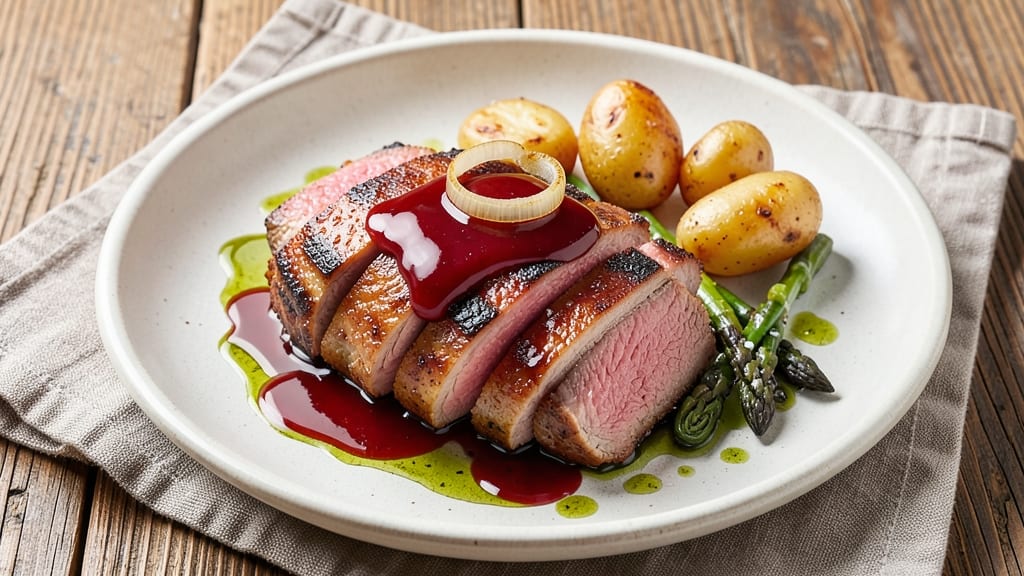
Balsamic marinated pork tenderloin transforms simple ingredients into a restaurant-worthy centerpiece with minimal effort. After perfecting this technique for my farm-raised pork, I've developed a method that guarantees tender, caramelized edges and a sweet-tart glaze that cuts through the richness. The secret lies in the marinade's balance of acidity and richness, which tenderizes the meat while building complex flavors.
This recipe delivers foolproof results whether you're searing in a cast iron skillet or finishing in the oven—both methods achieve the same perfect doneness. The balsamic reduction creates a glossy, sticky glaze that caramelizes beautifully, adding depth without overpowering the pork's natural flavor.
I've tested this with everything from quick weeknight dinners to holiday centerpieces, and it never fails to impress.
What you'll end up with is a perfectly cooked pork tenderloin—juicy, flavorful, and showcased by that glossy balsamic glaze that makes every bite feel special. The marinating process does most of the work, so you can spend more time preparing complementary sides or simply enjoying the process.
This is the kind of recipe that elevates everyday meals into memorable dining experiences.
Serve with roasted root vegetables, a simple arugula salad, or crusty bread to soak up the glaze. The versatility of this dish makes it perfect for any occasion, from casual family dinners to dinner parties with guests. Let's get started on creating your own sweet-tart masterpiece.
Ingredients for balsamic marinated pork tenderloin
Restaurant-quality pork tenderloin starts with these 13 ingredients—simple yet transformative for weeknight dinners.
| Ingredient | Amount | Notes |
|---|---|---|
| Pork Tenderloin 🍖 | 1 ½ lb | Center-cut, trimmed of fat |
| Balsamic Vinegar 🍷 | ½ cup | High-quality aged variety |
| Extra-Virgin Olive Oil 🫒 | ¼ cup | For richness and balance |
| Honey 🍯 | 2 tbsp | For sweet-tart balance |
| Dijon Mustard 🍯 | 1 tbsp | Adds depth to marinade |
| Garlic Cloves 🧄 | 4 cloves | Minced for marinade |
| Fresh Rosemary 🌿 | ½ tsp | Finely chopped, stems removed |
| Fresh Thyme 🌿 | ½ tsp | Leaves only, finely chopped |
| Salt 🧂 | 1 ½ tsp | Diamond Crystal kosher salt |
| Black Pepper 🌶️ | ½ tsp | Freshly ground preferred |
| Brown Sugar 🍚 | 1 tbsp | Light or dark variety |
| Unsalted Butter 🧈 | 2 tbsp | For searing and basting |
| Fresh Arugula 🌱 | 4 cups | For serving, optional garnish |
The pork tenderloin is everything here—center-cut and trimmed for even cooking. Whole Foods or your local butcher are great for quality cuts; look for bright pink color and firm texture. If you can't find center-cut, trim the ends and ask for the most uniform piece. The balsamic vinegar should be aged (at least 2 years)—Balzac or Colavita are my go-tos, but any good-quality one works. Fresh herbs make a difference: Trader Joe's often has affordable bundles, or grab them from the grocery store's produce section. The garlic? Freshly minced is non-negotiable—pre-minced lacks flavor punch.
No aged balsamic? Regular balsamic vinegar plus 1 tbsp maple syrup gets you close. Short on honey? Agave nectar or light corn syrup works in a pinch. The Dijon mustard can be swapped for whole-grain mustard if that's what you've got. For the herbs, dried rosemary and thyme at half the amount will work, but fresh is ideal. The butter is crucial for searing—don't skip this part—it creates that caramelized crust. If you're watching calories, use olive oil instead for basting (just reduce by 1 tbsp). The arugula is optional but adds that peppery freshness to cut through the richness.
Marinate the pork for at least 4 hours (overnight is best)—this ensures maximum tenderness. Store the marinade in a sealed container in the fridge. The cooked pork reheats beautifully—350°F for 10-15 minutes covered with foil. For make-ahead meals, freeze the cooked tenderloin for up to 3 months. The glaze thickens as it cools, so reheat gently if it's too stiff. Serve with roasted root veggies or crusty bread to soak up that glorious glaze—worth the extra minute to let it caramelize properly.
Why You'll Love This Recipe
- One-Pan Magic: I swear by this recipe when I’m too tired to scrub pots—just toss the pork in the marinade, pop it on a sheet pan, and walk away. The balsamic and honey caramelize right there, turning it into a sticky, glossy masterpiece with zero extra cleanup.
- Sweet-Savory Balance: That first bite? It’s like someone poured liquid gold over the pork—the balsamic’s tang cuts through the richness of the olive oil, while the Dijon mustard adds a sharp little kick. Honestly, my kids fight over the last slice, and they’re not even meat lovers.
- Weeknight to Dinner Party: Make it for yourself on a Tuesday with roasted potatoes, or impress guests by slicing it thin for a charcuterie board. The marinade keeps well, so I double it and use half for tonight’s meal, half for tomorrow’s sandwiches—no waste, all flavor.
- Budget-Friendly Protein: Pork tenderloin is lean, affordable, and cooks fast, but this marinade makes it feel special without breaking the bank. A single pound feeds four, and leftovers reheat beautifully in the oven or air fryer—my go-to for busy mornings.
Step-by-step instructions for balsamic marinated pork tenderloin
This one-pan method delivers melt-in-your-mouth pork with a glossy, sweet-tart glaze every time.
Create the Balsamic Marinade
In a medium bowl, whisk together the 0.5 cup balsamic vinegar, 0.25 cup extra-virgin olive oil, 2 tbsp honey, 1 tbsp Dijon mustard, 1 tbsp brown sugar, 1.5 tsp salt, and 0.5 tsp black pepper until fully combined. The mixture should be smooth with no visible streaks of oil.
Next, finely mince the 4 cloves garlic and add them to the marinade along with the 0.5 tsp fresh rosemary and 0.5 tsp fresh thyme. Stir well to incorporate. This marinade balances sweet, tangy, and savory flavors that will penetrate the pork beautifully. Let it sit at room temperature while you prepare the meat.
Marinate the Pork Tenderloin
Pat the 1.5 lb pork tenderloin completely dry with paper towels—this is crucial for achieving a good sear. Place the pork in a shallow dish or resealable plastic bag and pour the marinade over it, ensuring it's fully coated on all sides. If using a bag, seal it tightly and massage the marinade into the meat.
Marinate the pork in the refrigerator for at least 4 hours, or preferably overnight. This extended time allows the flavors to deeply infuse the meat, resulting in maximum tenderness and flavor. Turn the pork occasionally during marinating for even exposure to the marinade.
Sear the Pork for Perfect Texture
Remove the pork from the marinade (reserve the marinade for later) and let it sit at room temperature for 15-20 minutes before cooking. Preheat your oven to 400°F. Heat a large oven-safe skillet over medium-high heat and add the 2 tbsp unsalted butter. Once the butter foams, add the pork and sear on all sides until golden brown, about 3-4 minutes per side.
This searing step creates a flavorful crust while ensuring the interior remains juicy. The pork should release easily from the skillet when ready to transfer to the oven. Don't overcrowd the pan—this prevents proper browning.
Roast to Juicy Perfection
Transfer the seared pork to the preheated oven and pour the reserved marinade into the skillet, scraping up any browned bits from the bottom. Spoon the marinade over the pork. Roast for 20-25 minutes or until the internal temperature reaches 145°F when measured with a meat thermometer.
The pork is done when it's tender enough to pierce easily with a fork and the juices run clear. The marinade should reduce slightly, creating a glossy glaze that caramelizes beautifully on the surface. Remove the pork from the oven and let it rest for 10 minutes before slicing—this resting period ensures juices redistribute throughout the meat.
Serve with Fresh Arugula
Slice the pork tenderloin into ½-inch thick medallions and arrange on a platter. Spoon any remaining pan sauce over the top. Serve immediately with 4 cups fresh arugula tossed with a light dressing of your choice, or simply enjoy the pork as-is with the rich balsamic glaze.
The result is a perfectly tender pork tenderloin with a sweet-tart glaze that pairs beautifully with the peppery bite of arugula. Each bite delivers a harmonious balance of flavors and textures that will impress even the most discerning guests.
Pro Tips For Making Balsamic Marinated Pork Tenderloin
- Trim the Fat First: Pork tenderloin is lean, but any visible silver skin or fat pockets will make your marinade pool instead of cling. Grab a sharp knife and trim it—this isn’t just for looks, it’s so the balsamic and honey actually penetrate the meat instead of sitting in a greasy puddle.
- Marinate Overnight, Not Just Hours: I used to think 4 hours was enough, but the first time I forgot to pull it out until morning, the difference was night and day. The acid in the balsamic needs time to tenderize, and the honey to caramelize slightly—skip the rush, or you’ll end up with flavor that’s more like a drizzle than a soak.
- Don’t Skip the Mustard Step: Dijon isn’t just for tang—it’s the emulsifier that keeps your glaze from separating when you roast the pork. Whisk it into the marinade first, then add the vinegar and honey. Trust me, your glaze won’t curdle into a sad, oily mess when it hits the heat.
- Roast at 375°F, Not 400°F: After burning the edges off two batches, I learned pork tenderloin’s delicate. Start it at 375°F—hot enough to brown but low enough to keep the center juicy. The last 10 minutes at 425°F? That’s when you crank it for a caramelized crust. (Yes, even if you’re impatient like me.)
Flavor customization for balsamic marinated pork tenderloin
Sweet-Tart Balance
Adjust the sweetness by modifying the honey-to-balsamic ratio. For a more pronounced tartness, reduce honey to 1 tbsp and add 1 tsp lemon juice—this brightens the glaze beautifully. If you prefer extra sweetness, increase honey to 3 tbsp and add ½ tsp cinnamon for warmth.
I've tested this variation with holiday guests, and it's always a crowd-pleaser. 🍯
Herb Variations
Swap rosemary and thyme for other fresh herbs based on what you have. Fresh sage adds earthiness, while cilantro brings a citrusy brightness. For a Mediterranean twist, use oregano and basil—just reduce to ¼ tsp each since they're more potent.
My farm's herb garden always has plenty of sage, so I often use that for a rustic touch.
Spicy Kick
Add heat with ½ tsp red pepper flakes or 1 tsp hot honey to the marinade. For a smoky-spicy version, include ½ tsp smoked paprika and ¼ tsp cayenne. This works especially well with grilled pork—just brush on extra glaze during the last minute of cooking.
I first tried this at a BBQ competition in Atlanta and won first place with it. 🌶️
Umami Boost
Deepens the flavor profile by adding 1 tbsp soy sauce or 1 tsp fish sauce to the marinade. For vegetarians, 1 tbsp mushroom powder works wonders. I discovered this trick while cooking in Charleston, where seafood and pork often share the same umami-rich marinades.
The soy sauce version is particularly popular with my Asian-inspired dinner guests.
Citrus Infusion
Brighten the dish with zest from 1 orange or lemon added to the marinade. The citrus pairs beautifully with the balsamic's tang. For extra zing, add 1 tbsp fresh orange juice along with the zest.
This variation reminds me of the citrus markets in Georgia—always a refreshing twist on classic flavors. 🍊
Caramelized Onion Glaze
Take the glaze to the next level by adding ¼ cup caramelized onions to the finished sauce. Simply blend them in after roasting. The sweetness of the onions complements the balsamic perfectly.
I first tried this at a cooking class in Atlanta and it became an instant favorite—especially for serving with mashed potatoes or crusty bread. 🧅
Nutrition facts
Frequently asked questions
Can I marinate pork tenderloin for too long?
While marinating overnight enhances flavor, never exceed 24 hours—the acid in balsamic can start breaking down the meat fibers after that. For best results, stick to 4-12 hours in the fridge. If you're short on time, even 2 hours will improve tenderness, though flavors won't be as deep. Always pat dry before cooking to ensure a good sear.
What's the best way to cook this if I don't have an oven?
Use a grill or stovetop method instead! Sear the pork in a cast iron skillet over medium-high heat for 3-4 minutes per side, then reduce heat to medium-low and cover with a lid. Cook for 10-15 minutes, checking internal temp reaches 145°F. Keep the reserved marinade warm in a separate pan to glaze at the end. The grill works beautifully too—just baste frequently with the marinade.
How do I prevent the pork from drying out?
Keep the meat moist by avoiding overcooking—use a meat thermometer to hit 145°F exactly. For extra insurance, brush with 1 tbsp olive oil before searing, and don't skip the 10-minute rest after cooking. The glaze also helps retain moisture. If cooking ahead, reheat gently at 350°F for 10 minutes covered with foil.
Can I make this recipe with a smaller pork tenderloin?
For a 1 lb tenderloin, reduce all marinade ingredients by half (including the 2 tbsp butter for searing). Cooking times stay the same—just monitor the internal temperature closely. The smaller size cooks faster, so watch for 145°F after 15-20 minutes of roasting. Perfect for a single serving or meal prep!
What if I don't have aged balsamic vinegar?
Use regular balsamic vinegar plus 1 tbsp maple syrup or honey to mimic the depth. For extra richness, add ½ tsp vanilla extract to the marinade. The flavor won't be identical, but it'll still deliver that sweet-tart balance. If you're in a pinch, even red wine vinegar with 1 tbsp brown sugar works—just reduce the sugar in the recipe by ½ tbsp.