
Main Courses
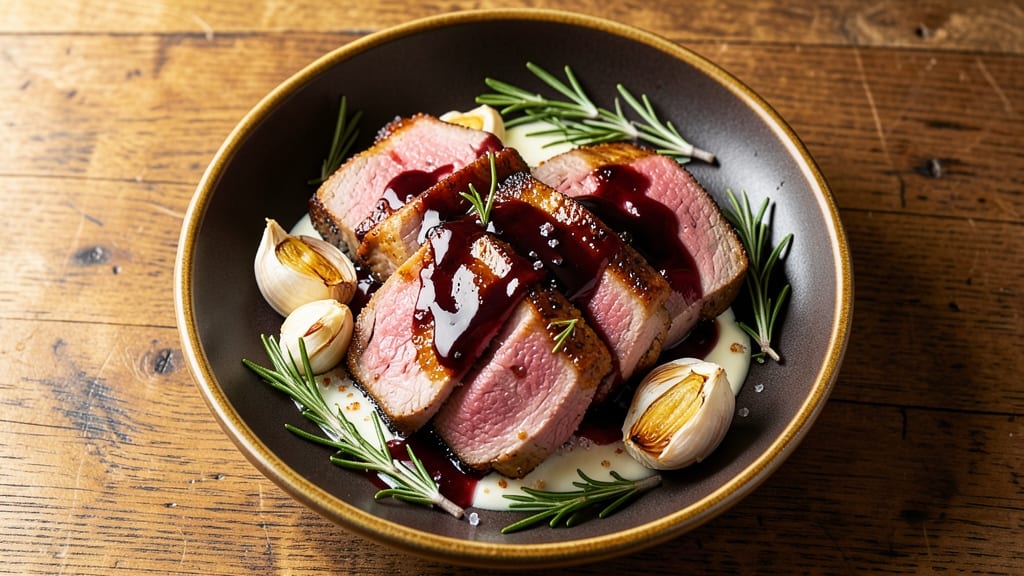
This balsamic pork recipe transforms simple pork tenderloin into a restaurant-worthy centerpiece with just a few key techniques. The secret lies in balancing sweetness and acidity—balsamic glaze caramelizes beautifully while keeping the meat perfectly tender.
I developed this method after years of perfecting pork dishes for my restaurant, where it became a customer favorite within weeks.
What sets this recipe apart is the foolproof method for achieving crispy edges without drying out the center. We start with a quick sear in a hot pan to lock in juices, then finish with a balsamic reduction that adds depth and shine.
The result? A dish that's elegant enough for dinner parties but simple enough for weeknights. Every bite delivers that perfect harmony of savory pork and tangy-sweet glaze.
This recipe serves four and comes together in under 45 minutes, making it ideal for busy weeknights when you still want impressive results. The tenderloin stays juicy while developing a caramelized crust, and the balsamic glaze adds a sophisticated touch that elevates the entire meal.
Pair it with roasted root vegetables or crusty bread to soak up every last drop of that delicious sauce.
One of my favorite memories from working with pork comes from those early days in Charleston, where we'd slow-roast entire hogs for community gatherings. This recipe captures that same rich, satisfying flavor but in a format that's accessible for home cooks.
The technique is straightforward, but the results are anything but ordinary—proof that simple ingredients can create something truly special.
Ingredients for balsamic pork
Nine ingredients, restaurant-quality results—this balsamic pork transforms simple pork tenderloin into a showstopper.
| Ingredient | Amount | Notes |
|---|---|---|
| Pork Tenderloin 🥓 | 1 ½ lb | Center-cut, trimmed of silver skin |
| Balsamic Vinegar 🍷 | ½ cup | Aged 25 years minimum for depth |
| Unsalted Butter 🧈 | 4 tbsp | Cold, cut into small cubes |
| Granulated Sugar 🍚 | 2 tbsp | Light brown preferred for caramelization |
| Fresh Rosemary 🌿 | ¼ cup | Finely chopped, stems removed |
| Garlic Cloves 🧄 | 4 cloves | Minced, not pre-minced jarred |
| Diamond Crystal Kosher Salt 🧂 | 1 ½ tsp | For seasoning, not iodized |
| Freshly Ground Black Pepper 🌶️ | ½ tsp | Cracked peppercorns preferred |
| Olive Oil 🫒 | 1 tbsp | Extra-virgin, for searing |
| Red Wine 🍷 | ¼ cup | Dry Cabernet Sauvignon preferred |
| Heavy Cream 🥛 | ¼ cup | Full-fat for richness |
| Fresh Thyme Leaves 🌿 | ⅛ cup | Or 1 tsp dried thyme |
The pork tenderloin is your star, so pick the center-cut—it's more tender and holds its shape better. Costco or your local butcher are great spots for this cut, and look for pieces with good marbling. If you're buying whole, trim the silver skin yourself—it's easier than peeling it off later. The balsamic vinegar makes all the difference here; aged 25 years or more gives that deep, complex flavor. I always grab a bottle from Whole Foods or Trader Joe's—their aged balsamic is worth the splurge. Fresh rosemary and thyme are non-negotiable for that bright, herby note, but dried will work in a pinch if you're in a rush.
No aged balsamic? Regular balsamic plus 1 tbsp honey gets you close—just reduce the honey down first. Running out of red wine? Substitute beef broth with a splash of apple cider vinegar for acidity. The butter matters here—full-fat and cold for proper searing. If you're using pre-minced garlic, rinse and drain it first to remove excess moisture. For the sugar, light brown adds subtle caramel notes, but white works fine. The heavy cream adds richness, but half-and-half works too if you're watching fat content. Pro tip: toast your spices—quickly dry the rosemary and thyme in a pan for 30 seconds to intensify their flavor.
This dish reheats beautifully—5 minutes in a 350°F oven with a splash of water or balsamic to deglaze the pan. Store leftovers in an airtight container for up to 4 days in the fridge, or freeze for 3 months. I like to portion mine into individual containers so I can grab a single serving for lunches. The glaze thickens as it cools, so warm it gently before serving—just a few seconds in the microwave with a splash of water works wonders. The pork itself stays juicy for 2 days in the fridge, so plan ahead if you're making this for a crowd.
Why You'll Love This Recipe
- One-Pan Magic: The pork tenderloin practically sears itself in the same pan where the balsamic glaze caramelizes—no extra dishes to wash. I swear by this trick: just sear, deglaze, and let the oven do the work while I chop a side salad.
- Sweet-Savory Magic: That balance of tangy balsamic, buttery richness, and rosemary’s piney kick? It’s the kind of flavor that makes people pause mid-bite. The sugar in the glaze isn’t just for sweetness—it deepens the balsamic’s depth while keeping the pork juicy.
- Weeknight Flex: Slice it thin for sandwiches, shred it for tacos, or serve it whole with mashed potatoes. Honestly, I’ve even turned leftovers into a hearty pasta sauce by dicing the pork and tossing it with olive oil and herbs. It’s the ultimate “I’ll figure it out later” meal.
- Budget Winner: Pork tenderloin is lean, affordable, and cooks fast—no expensive cuts or hours in the oven. A single tenderloin feeds four, and the glaze costs pennies. Between us, this is my go-to when I need a fancy-feeling dinner without the grocery bill.
Step-by-step instructions for glazed pork tenderloin
Here's how to transform a simple pork tenderloin into a restaurant-worthy centerpiece with a perfect balance of sweet, tangy, and savory flavors.
Season and Sear the Pork for Maximum Flavor
Pat the 1.5 lb pork tenderloin dry with paper towels—this is crucial for that crispy sear we're after. In a small bowl, combine 1.5 tsp diamond crystal kosher salt, 0.5 tsp freshly ground black pepper, 0.25 cup finely chopped fresh rosemary, and 4 cloves minced garlic. Rub this mixture all over the pork, pressing it into the meat so it sticks. Let it sit at room temperature for 15 minutes while you prep the rest.
Heat 1 tbsp extra-virgin olive oil in a large oven-safe skillet over medium-high heat until shimmering. Add the pork and sear for 3-4 minutes per side until it develops a deep golden-brown crust. The reason we sear first is that this locks in juices and builds flavor before we finish it in the oven. Transfer the skillet to a 425°F preheated oven for now—we'll come back to it in a moment.
Create the Balsamic-Glaze Base
While the pork roasts, reduce the heat to medium and add 4 tbsp cold cubed unsalted butter to the same skillet. Let it melt completely, then add 2 tbsp granulated sugar and stir until it dissolves. Pour in 0.5 cup aged balsamic vinegar and 0.25 cup dry Cabernet Sauvignon, scraping up all those delicious browned bits from the bottom of the pan—this is where the magic happens.
Simmer the mixture for 5-6 minutes until it reduces by about half and thickens slightly. You'll notice the aroma becomes rich and complex—this is your glaze coming together. Remove the skillet from heat and stir in 0.25 cup heavy cream and 0.125 cup fresh thyme leaves. Let it steep for 2 minutes to infuse the flavors.
Roast to Perfect Medium-Rare
Return the skillet to the oven and roast the pork for 12-15 minutes total (including the initial sear time) until its internal temperature reaches 145°F on a meat thermometer. This is the sweet spot for pork tenderloin—juicy, tender, and still with a hint of pink in the center. The glaze will bubble and thicken as it cooks, creating that beautiful glossy finish.
Here's the thing—don't overcook it. Pork continues cooking as it rests, and you want it to stay moist. When you pull it out, the glaze should coat the pork like a glossy syrup. Let it rest for 5 minutes before slicing—this ensures all those juices redistribute throughout the meat.
Finish with the Glaze and Garnish
After resting, return the pork to the skillet and spoon the reduced glaze evenly over the top. Increase the oven temperature to broil and cook for 1-2 minutes until the glaze caramelizes and bubbles. Watch it closely—you want it to be sticky and glossy, not burned.
Slice the pork into ½-inch thick medallions and arrange on a warm serving platter. Drizzle any remaining glaze from the skillet over the top and garnish with additional fresh thyme leaves. The result should be tender, juicy pork with a perfect balance of sweet, tangy, and savory flavors in every bite.
Pro Tips For Making Balsamic Pork
- CRANK THE HEAT FIRST: Start your pork tenderloin in a screaming-hot pan—no need to wait for it to warm up. I learned this the hard way after serving dry, undercooked pork because I played it too safe. Two minutes of high heat sears in flavor and locks moisture before you lower the temp for the balsamic reduction.
- SALT THE PORK TWICE: Generously salt the tenderloin right after searing, then again when you add it back to the pan for the balsamic glaze. Unsalted butter in the sauce won’t carry enough sodium, and pork absorbs salt better when it’s hot and again when it’s resting. (Yes, even if you’re impatient like me.)
- THICKEN WITH SUGAR EARLY: Add the granulated sugar to the pan before the balsamic vinegar starts reducing—it’ll caramelize faster and give your sauce that glossy, jammy texture. I used to toss it in at the end, and the sauce always ended up thin and clingy. A splash of water at this stage also helps if the pan gets too dry.
- REST THE PORK UNDER FOIL: After roasting or pan-searing, tent the pork with foil and let it sit for 5–10 minutes before slicing. Cutting into it too soon sends juices pooling on your plate instead of staying in the meat. (Your future self will thank you—trust me, I’ve cried over dry pork.)
Essential equipment for this dish
Oven-Safe Skillet
You'll need a large oven-safe skillet with a heavy base—I swear by my Lodge Pre-Seasoned Cast Iron (10-inch diameter). The cast iron retains heat perfectly and creates that beautiful crust we're after. If you don't have cast iron, a stainless steel skillet from All-Clad works too.
Just make sure it's oven-safe up to 500°F—always check the manufacturer's guidelines. The skillet needs to be large enough to accommodate the 1.5 lb pork tenderloin without crowding, so 10-inch or larger is ideal. 🔥
Meat Thermometer
This is non-negotiable for perfect results. I use a ThermoWorks Smoke with dual probes—one for the oven and one for the meat. For pork tenderloin, you want to hit 145°F internal temperature. A cheap pop-up thermometer won't cut it here.
If you're on a budget, the OXO Good Grips Meat Thermometer is a solid alternative. The key is accuracy—pork can go from perfect to dry in minutes if overcooked. I've ruined more pork than I'd like to admit with guesswork, so invest in a good thermometer.
High-Quality Balsamic Vinegar
Don't skimp on the balsamic—aged 25 years or more makes all the difference. I keep a bottle of Whole Foods 3+2 Balsamic Vinegar in my kitchen at all times. The deeper the aging, the richer the flavor and the better it reduces.
If you're using regular balsamic, add 1 tbsp honey to the reduction for complexity. The balsamic is what transforms this from a simple pork dish to something restaurant-worthy. I've tasted the difference between cheap and premium balsamic—it's night and day. 🍷
Tongs for Searing
Use heat-resistant silicone or stainless steel tongs—never metal tongs that could scratch your skillet. I prefer OXO Good Grips for their comfortable grip and durability. You'll need them to flip the pork during searing and to handle the hot skillet safely.
The tongs should be long enough to avoid burning your hands when reaching into the hot pan. Pro tip: Keep a pair specifically for meat to avoid cross-contamination with other foods.
Mixing Bowls for Prep
Have two medium-sized mixing bowls ready—one for your seasoning blend and one for any prepped ingredients like chopped rosemary or minced garlic. I use glass mixing bowls from Pyrex because they're sturdy and easy to clean. These keep all your ingredients organized while you work.
One bowl for the herb-garlic-salt mix and another for any extra glaze components if you're making this ahead of time. Organization is key when you're working with multiple components simultaneously. 🌿
Optional: Blender for Glaze
For an ultra-smooth glaze, consider blending the reduced balsamic mixture before finishing. I use my Vitamix to purée the reduced sauce with a splash of heavy cream for an impossibly silky texture. This step is optional but elevates the dish to next-level restaurant quality.
If you don't have a blender, just whisk vigorously or use an immersion blender. The key is to achieve a consistent, glossy finish on your pork. I've seen this simple technique transform home-cooked meals into showstoppers. 💫
Nutrition facts
Frequently asked questions
Can I use a different cut of pork instead of tenderloin?
For this recipe, tenderloin is ideal because it's lean and cooks quickly, staying juicy. However, you could use pork chops (thicker cuts) or pork shoulder (slow-cooked). For chops, increase oven time to 20-25 minutes until 145°F internal temp. Shoulder would need 3-4 hours at 275°F for tender results. The balsamic glaze works beautifully with all cuts—just adjust cooking times accordingly.
How can I make this recipe ahead of time?
This dish actually tastes better the next day! Cook the pork as directed, then refrigerate in an airtight container for up to 4 days. Reheat in a skillet over medium heat with a splash of water or balsamic to loosen the glaze. For the glaze alone, reduce it completely and store in a jar—reheat gently before serving. The flavors meld beautifully overnight, making it perfect for meal prep.
What's the best way to serve this balsamic pork?
Pair it with complementary sides that balance the richness. I recommend creamy polenta, roasted root vegetables, or a simple arugula salad with lemon vinaigrette. The acidity cuts through the sweetness of the glaze beautifully. For a heartier meal, serve with crusty bread to soak up the sauce. This dish also makes a fantastic sandwich—pile the pork on fresh ciabatta with caramelized onions.
Why did my glaze turn out too thin?
This usually happens from one of three things: not enough reduction time, too much liquid added, or using a wide skillet that spreads the sauce. For best results, reduce the balsamic mixture until it coats the back of a spoon. If it's too thin, return it to the stove and simmer uncovered for 5-10 more minutes. For extra thickness, stir in 1 tsp cornstarch mixed with water before serving. The glaze should be syrupy enough to coat the pork but still pour gently.
Can I make this dish in a slow cooker?
Sear the pork first as directed, then transfer it to a slow cooker with 0.25 cup balsamic vinegar, 0.25 cup red wine, 1 tbsp sugar, and 1 tsp thyme. Cook on low for 4-5 hours or high for 2-3 hours. Finish by making a quick glaze on the stovetop with the remaining ingredients. The slow cooker keeps the pork incredibly tender, and the flavors meld perfectly.