
Main Courses
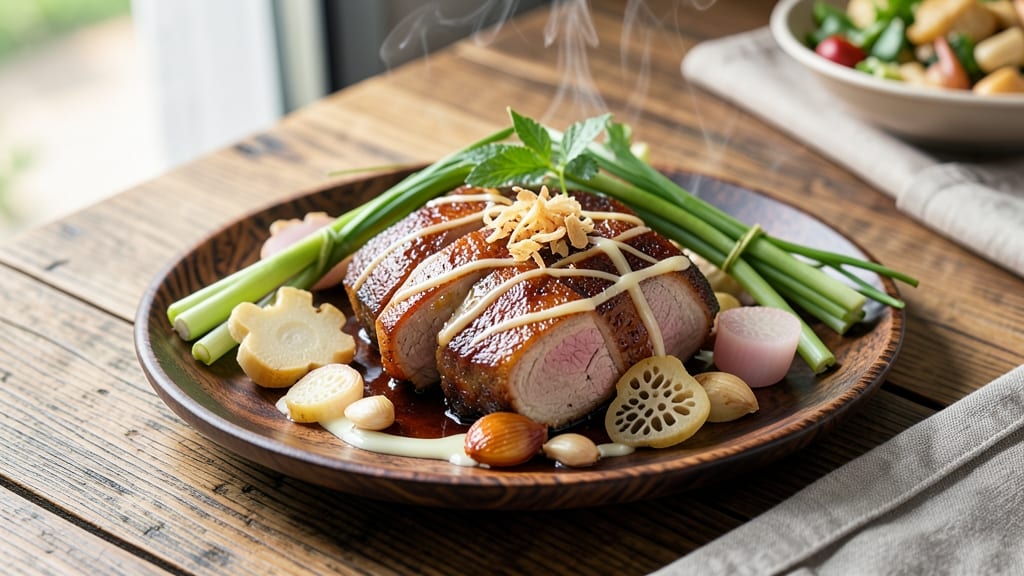
This Balinese pork recipe brings the vibrant flavors of Bali to your kitchen with a fragrant lemongrass and galangal stew that's both aromatic and deeply satisfying. 🌿 As someone who's spent years perfecting pork dishes, I can tell you this recipe captures the essence of Balinese cuisine—where herbs, spices, and slow cooking transform simple ingredients into something extraordinary.
The secret lies in balancing the bright citrus notes of lemongrass with the earthy warmth of galangal, creating a harmony that's uniquely Indonesian.
The beauty of this dish is in its simplicity—just a handful of ingredients that work together to create layers of complex flavor. We'll start with a marinade that tenderizes the pork while infusing it with the essential aromatics, then slow-cook it until the meat falls apart effortlessly.
This method ensures every bite is packed with flavor, making it perfect for special occasions or when you want to impress guests with authentic Balinese-inspired cooking.
What makes this recipe truly special is how it transports you to Bali with every spoonful—imagine the steam rising from a bubbling pot in a Balinese warung, filled with the scent of fresh herbs and slow-cooked pork.
The result is tender, flavorful meat that pairs beautifully with steamed jasmine rice, adding a touch of elegance to any meal. The stew's rich, aromatic broth makes it a dish that's as comforting as it is impressive.
Whether you're serving this for a family dinner or hosting a gathering, this Balinese pork stew will be the centerpiece of your table. The combination of tender pork, fragrant herbs, and slow-cooked spices creates a dish that's both hearty and refined—exactly what makes Balinese cuisine so beloved.
Let's bring this flavorful tradition to your kitchen today.
Ingredients for balinese pork
Just 15 simple ingredients bring Bali's fragrant flavors to your kitchen—lemongrass, galangal, and tender pork slow-cooked to perfection.
| Ingredient | Amount | Notes |
|---|---|---|
| Pork Shoulder 🐖 | 2 lb | Boneless, cut into 1.5-inch chunks |
| Fresh Lemongrass 🌿 | 1 whole | Stalks cut into 2-inch pieces, bruised |
| Fresh Galangal 🌿 | ½ cup | Peeled, sliced thinly (or sub ginger) |
| Fresh Ginger Root 🧅 | ½ cup | Peeled, sliced thinly |
| Shallots 🧅 | ½ cup | Minced finely (or sub red onion) |
| Garlic Cloves 🧄 | 6 cloves | Minced finely |
| Coconut Milk 🥥 | 1 can | Full-fat, 13.5 oz can |
| Vegetable Oil 🫒 | 2 tbsp | For searing pork |
| Fish Sauce 🍶 | 2 tbsp | Red Boat preferred |
| Brown Sugar 🍚 | 2 tbsp | Packed lightly |
| Turmeric Powder 🌶️ | 1 tsp | Freshly ground preferred |
| Coriander Seeds 🌿 | ½ tsp | Toasted lightly |
| Salt 🧂 | 1 ½ tsp | Kosher or sea salt |
| Black Pepper 🌶️ | ½ tsp | Freshly ground |
| Lime Juice 🍋 | 2 tbsp | Freshly squeezed |
The galangal and lemongrass are non-negotiable here—Asian markets have the freshest cuts, but most grocery stores carry them in the produce section. Look for stalks that are bright green and firm, not wilted or yellowed. If you can't find galangal, ginger works in a pinch (though it won't be identical). For the pork, shoulder or butt gives the best flavor and texture—avoid tenderloin, which gets tough when slow-cooked. I always buy mine from Costco when I'm making a big batch, but any butcher will cut it for you if you ask.
No fish sauce? Soy sauce plus a dash of sugar gets you close, though the umami won't be quite the same. Running out of brown sugar? White sugar works fine, just make sure it's packed lightly into the spoon. The coconut milk can be light, but full-fat gives richer flavor. For the aromatics, if your shallots are big, just chop them smaller—no need to peel them. And if you're feeling fancy, toast the coriander seeds in a dry pan for 30 seconds before grinding—they'll add a nutty depth to the stew.
This stew tastes even better the next day as the flavors meld. Store leftovers in the fridge for up to 5 days, or freeze portions for 3 months. I like to make a double batch—it reheats beautifully and makes leftovers for lunches all week. If you're serving it for a gathering, keep the stew warm in a slow cooker on low—it stays aromatic and delicious for hours.
Why You'll Love This Recipe
- Foolproof Ingredient List: I swear by this combo—no specialty shopping needed. Lemongrass and galangal might sound intimidating, but they’re just like ginger (and just as easy to find frozen if fresh isn’t an option). Shallots? That’s basically onions for people who don’t want to cry.
- Crowd-Pleasing Depth: The pork shoulder gets impossibly tender while the aromatics build layers of citrusy, peppery heat. Honestly, the first bite makes my whole kitchen smell like Bali, and that’s a vibe.
- Leftovers That Shine: This dish actually improves the next day—better than takeout, honestly. I’ll make a double batch on Sundays, then reheat portions for lunches or toss cold slices into rice bowls. (Yes, even on a Tuesday night.)
- One-Pot Magic: Minimal chopping required, one pot to clean, and zero fuss. The pork shoulder cooks low and slow, so you can sip your coffee while it works its flavor magic. Between us, this is my go-to when I’d rather not slave over a stove.
Step-by-step instructions for Balinese pork stew
Let's create a rich, aromatic stew that captures Bali's bold flavors.
🔥 Step 1: Sear the Pork for Deep Flavor
Heat a large Dutch oven over medium-high heat and add the 2 tablespoons vegetable oil. Once shimmering, add the 2 lb pork shoulder chunks in a single layer. Let them sear undisturbed for 3-4 minutes until golden brown on one side. Flip and repeat on the second side.
Here's the thing—don't crowd the pan. You want that beautiful crust to form. If needed, work in batches. The caramelized exterior will form the flavor base for your stew. Once all pieces are browned, remove them from the pot and set aside.
👨🍳 Step 2: Toast the Aromatics
In the same Dutch oven, reduce heat to medium and add the 0.5 cup shallots, 6 cloves garlic, 0.5 cup ginger root, and 0.5 cup galangal. Sauté for 3-4 minutes until the shallots soften and become translucent, and the garlic releases its fragrance.
Next, add the 0.5 tsp toasted coriander seeds and 1 tsp turmeric powder. Stir for 30 seconds until the spices are fragrant and the mixture smells earthy and warm. This step builds the aromatic foundation of your stew—don't skip it.
🍳 Step 3: Build the Spiced Base
Pour in the 2 tablespoons fish sauce and 2 tablespoons brown sugar, stirring to combine. Let it cook for 1 minute until the sugar begins to caramelize slightly. Then add the 1 whole lemongrass (cut into 2-inch pieces) and 1.5 tsp salt. Stir well to incorporate everything.
Return the seared pork to the pot, nestling it into the aromatic mixture. Pour in the 1 can coconut milk, scraping up any browned bits from the bottom. Bring to a gentle simmer over medium-low heat. This is where the magic happens—the flavors meld together.
⏰ Step 4: Slow Simmer to Tender Perfection
Cover the Dutch oven and let the stew simmer gently for 1.5 hours. Stir occasionally to prevent sticking. You're looking for the pork to become fork-tender—when it easily pulls apart with minimal resistance. The sauce should reduce slightly, coating the pork in a rich, fragrant broth.
I know it's tempting to check constantly, but resist the urge. Peeking too often lets heat escape and lengthens cooking time. Trust the process—this slow cooking develops deep, complex flavors that you can't rush.
🍽️ Step 5: Finish with Lime and Serve
Once the pork is tender, remove the lemongrass stalks. Stir in the 2 tablespoons lime juice and 0.5 tsp black pepper, giving it a final brightening. Taste and adjust seasoning—you might want to add a bit more fish sauce for saltiness or lime for acidity.
Serve immediately over steamed rice, letting each spoonful deliver tender pork in a fragrant, coconut-infused sauce. The balance of sweet, sour, and savory flavors will transport you straight to Bali with every bite. Enjoy this rich, comforting dish that's perfect for sharing with friends or family.
Pro Tips For Making Balinese Pork
- CHAR THE SHALLOTS FIRST: I used to toss raw shallots into the pot and wonder why they’d turn to mush. Now I brown them in oil with a pinch of salt until they’re golden—about 5 minutes—before adding anything else. That caramelized flavor sticks to the pork and cuts through the heat of the galangal.
- SLICE GALANGAL THIN: Thick chunks of galangal just sit there, undercooked and bitter. Instead, shave it into paper-thin slices with a sharp knife—no mandoline needed. They’ll soften fast but infuse the broth with real brightness, not just a ghost of flavor.
- LOW AND SLOW AFTER SEARING: The pork shoulder needs a hot start to lock in juices, but then drop the heat to 275°F (135°C) and let it cook covered for 2.5–3 hours. I’ve rushed this, and the meat turns out dry and stringy—your patience here makes all the difference.
- USE LEMONGRASS STALKS, NOT JUST STEMS: Most recipes say to bruise the lemongrass stems, but I now pound the entire stalk (including the tough bottom) with the side of my knife. It releases more oil and aroma, giving the dish that unmistakable citrusy kick without overpowering the pork.
Serving suggestions for this dish
Rice Pairings
This fragrant stew absolutely needs jasmine rice as its base—its delicate floral aroma complements the lemongrass beautifully. Cook 1 cup jasmine rice with 1.5 cups water and a pinch of salt for perfectly fluffy grains.
For extra authenticity, try black rice (common in Bali), which adds a subtle earthy depth and striking visual contrast. 🌿
Vegetable Sides
Balinese cuisine balances rich stews with fresh, bright vegetables. I love serving steamed bok choy or blanched green beans with a sprinkle of toasted sesame seeds—their crisp texture cuts through the coconut richness.
For something more traditional, try lawari (Balinese salad) with shredded cabbage, cucumber, and lime dressing. The acidity refreshes your palate between bites.
Herb Garnishes
Fresh herbs elevate this dish to restaurant-quality. Just before serving, scatter thinly sliced Thai basil and cilantro over the stew—their bright notes contrast the creamy coconut. For a smoky touch, add a few leaves of kaffir lime leaves (lightly torn) while the stew simmers.
These aromatics are non-negotiable in Balinese cooking—they're what transport you straight to Bali. ✨
Drink Pairings
A crisp Balinese iced tea (made with pandan leaves and coconut milk) is the perfect accompaniment—its floral sweetness mirrors the stew's flavors. For something stronger, try a local tuak (palm wine) or a Thai iced lemongrass tea.
Avoid heavy wines; their tannins clash with the coconut and fish sauce. Even a simple sparkling lime soda works in a pinch if you're keeping it non-alcoholic.
Traditional Extras
For an authentic touch, serve with krupuk (shrimp crackers) on the side—their crispy texture and salty crunch balance the stew's richness. In Bali, they often serve this dish with tempeh (fermented soybeans) for extra protein.
I like to pan-fry slices of tempeh in coconut oil until crispy, then sprinkle with salt. It's a game-changer for heartier meals.
Nutrition facts
Frequently asked questions
Can I substitute galangal with something else?
Yes, if you can't find galangal, ginger works best as a substitute—use the same amount. For extra depth, add a pinch of cardamom or star anise to mimic galangal's earthy, citrusy notes. The dish will still taste delicious, though it won't be identical.
How do I know when the pork is fully tender?
Use the fork test: Insert a fork into the largest pork chunk—if it slides in effortlessly and the meat falls apart, it's done. For extra assurance, check the internal temperature with a meat thermometer (203°F for pulled pork consistency). The sauce should also coat the back of a spoon smoothly.
What's the best way to reheat leftovers?
Gently reheat in a pot over low heat with a splash of water or coconut milk to prevent drying. Avoid microwaving—it makes the sauce watery. For best results, cover and simmer for 10-15 minutes, stirring occasionally. The flavors actually deepen overnight, so leftovers often taste even better!
Can I make this recipe in a slow cooker?
Sear the pork first, then transfer everything to your slow cooker and cook on low for 6-7 hours or high for 3-4 hours. The slow cooker's gentle heat mimics traditional Balinese cooking methods perfectly. Just add the lime juice and herbs at the end to preserve their freshness.
Why does my stew taste too salty?
Fish sauce is potent, so start with 1 tablespoon and adjust to taste. If it's too salty, balance it with lime juice or a splash of coconut milk. For a sweeter touch, add a pinch of brown sugar. Taste as you go—Balinese flavors rely on harmony, not overwhelming saltiness.