
Main Courses
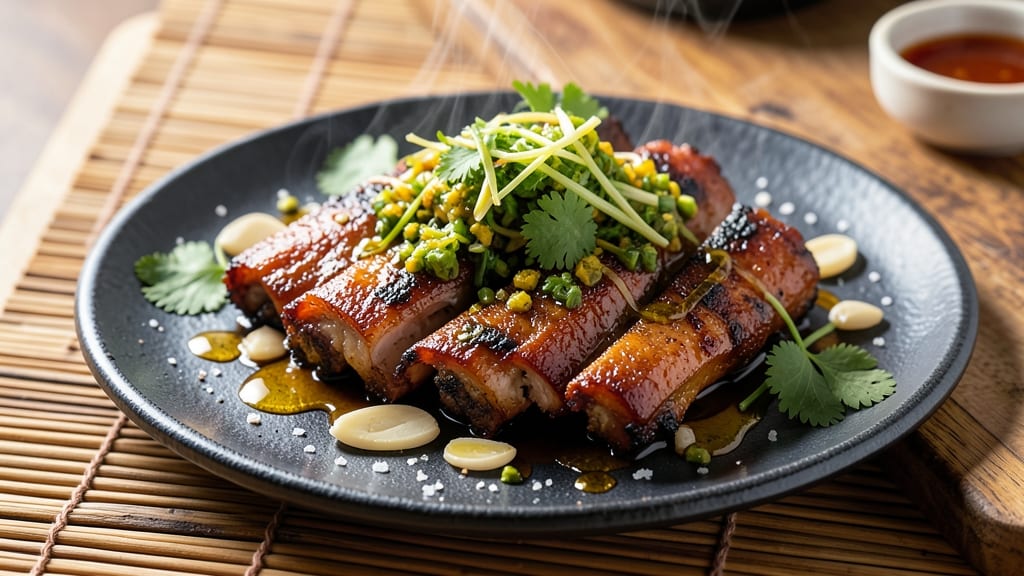
This Balinese pork ribs recipe brings aromatic Indonesian flavors to your table with a five-spice marinade that transforms tough ribs into fall-apart tenderness. After years of perfecting Southeast Asian techniques—including the secret of slow-grilling over coconut husks—I’ve developed a method that delivers restaurant-quality results at home.
The marriage of earthy spices, citrus, and coconut creates layers of flavor that linger long after the last bite.
The foundation begins with a marinade of turmeric, coriander, lemongrass, and galangal—spices that form the heart of Balinese cuisine. These aren’t just flavorings; they’re the soul of the dish, infusing the meat with warmth and depth.
The ribs then slow-cook in a coconut-infused glaze, ensuring they stay juicy and tender while developing a caramelized exterior that’s impossible to resist. This isn’t your average ribs recipe; it’s a celebration of Balinese tradition adapted for modern kitchens.
What makes this recipe truly special is the balance of textures and flavors: the crispy edges, the melting meat, and the creamy coconut that ties everything together.
Served with steamed jasmine rice and a side of blistered green beans, these ribs become a complete meal that transports you to Bali without leaving your home. The aroma alone—smoky, spicy, and sweet—will have everyone at your table asking for seconds.
Whether you’re hosting a dinner party or simply craving something extraordinary, this recipe delivers. The marinade can be prepared a day ahead, and the ribs cook slowly, making it ideal for those who want to impress without spending hours in the kitchen.
Let’s bring the flavors of Bali to your table—tender, aromatic, and unforgettable.
Ingredients for balinese pork ribs
These aromatic ingredients transform tough pork ribs into restaurant-quality Balinese tenderness—earthy spices meet creamy coconut perfection.
| Ingredient | Amount | Notes |
|---|---|---|
| Pork Ribs (Baby Back) 🍖 | 3 lb | Bone-in, meaty sections preferred |
| Fresh Turmeric 🌿 | 1 inch | Grated, or 1 tbsp ground turmeric |
| Fresh Galangal 🌿 | 1 inch | Peeled, sliced thinly (or 1 tbsp galangal paste) |
| Fresh Lemongrass 🌿 | 2 stems | Bruised, cut into 2-inch pieces |
| Fresh Coriander Roots 🌿 | 1 whole | Or 2 tbsp coriander powder |
| Garlic Cloves 🧄 | 8 cloves | Minced, for marinade |
| Shallots 🧅 | 4 whole | Minced, or 2 tbsp shallot powder |
| Coconut Milk (Full-Fat) 🥥 | 1 can | 13.5 oz can, for glaze |
| Brown Sugar 🍚 | ½ cup | Packed, for caramelization |
| Lime Juice 🍋 | ¼ cup | Freshly squeezed |
| Soy Sauce 🥄 | 2 tbsp | Dark soy preferred |
| Sesame Oil 🫒 | 1 tbsp | For aroma, not cooking |
| Ground Black Pepper 🌶️ | 1 tsp | Freshly cracked |
| Salt 🧂 | 1 ½ tsp | Kosher or sea salt |
| Coconut Husks (Optional) 🥥 | 4 pieces | For traditional smoky aroma |
The spices are where this dish shines. Fresh galangal and turmeric—the heart of Balinese cuisine—are non-negotiable. Grab them at an Asian market or well-stocked grocery store like Whole Foods. If you can't find fresh galangal, galangal paste works in a pinch (just reduce the amount by half). For the ribs, baby back pork ribs are ideal—meaty and tender. Look for ribs with good marbling, and if they're still attached to the bone, that's perfect. The lemongrass and coriander roots add brightness, but if you're short on time, their powdered versions (at half the amount) will do.
No fresh galangal? Substitute 1/2 tsp ginger plus 1/2 tsp cardamom—it won't be identical, but it'll get you close. Short on coconut milk? Coconut cream is richer, but full-fat coconut milk is the standard here. The brown sugar is key for that caramelized crust—don't skip it. For the soy sauce, dark soy sauce gives a deeper color, but regular soy works too. If you're feeling adventurous, add a pinch of white pepper to the marinade for a traditional touch. The sesame oil is for aroma only—add it at the end to keep the dish from tasting bitter.
Marinate the ribs overnight for maximum flavor, but at least 4 hours if you're short on time. Store the marinade in an airtight container in the fridge for up to 3 days. The ribs themselves reheat beautifully—wrap them in foil and warm in a 350°F oven for 15 minutes. For leftovers, freeze portions for up to 3 months. The coconut husks? If you can't find them, charred banana leaves or even a splash of coconut water in the glaze will add that smoky-sweet aroma. Trust me, the effort is worth it.
Why You'll Love This Recipe
- One-Pot Magic: I swear by this—just toss ribs, herbs, and spices in one pot. The galangal and turmeric do all the work while you sip coffee. No flipping, no fuss, just hands-off flavor.
- Flavor Bomb: That first bite? Warm, citrusy galangal cutting through tender ribs, lemongrass brightening every chew. It’s the kind of dish that makes you close your eyes and go, "Yes, this is why I cook."
- Leftovers? Better.: These ribs taste even better the next day—crispy edges soften just right, and the sauce clings like a hug. Pack them for lunch or reheat with a splash of water for that same restaurant-quality bite.
- Budget Hero: Baby back ribs are pricey, but this recipe stretches them across meals. Use cheaper cuts? No problem—the aromatic paste makes even tougher ribs sing. Plus, fresh herbs cost pennies at Asian markets.
Step-by-step instructions for Balinese pork ribs
Let's transform these baby back ribs into melt-in-your-mouth tenderness with aromatic spices and rich coconut glaze.
Prepare the Aromatic Marinade
In a food processor, combine the 1 inch fresh turmeric, 1 inch fresh galangal, 2 stems fresh lemongrass, 1 whole fresh coriander roots, 8 cloves garlic, and 4 whole shallots. Pulse until finely minced but not pasty—you want texture, not a smooth paste. Transfer this vibrant green mixture to a large bowl.
Add the 3 lb pork ribs, breaking them into individual ribs if they're still connected. In a separate small bowl, whisk together the 0.25 cup lime juice, 2 tbsp soy sauce, 1 tbsp sesame oil, 1 tsp ground black pepper, and 1.5 tsp salt. Pour this over the ribs and aromatics, then massage everything together with your hands until the ribs are thoroughly coated. This ensures every inch absorbs those complex flavors.
Cover the bowl and refrigerate for at least 4 hours (overnight is even better). The acidity from the lime and the spices will begin breaking down the connective tissue, guaranteeing that tender result we're after. I like to marinate overnight because the flavors meld more deeply—it's worth the wait.
Sear the Ribs for Depth of Flavor
Preheat your oven to 375°F. Remove the ribs from the marinade (reserve the marinade for later) and pat them dry with paper towels. This step is crucial—dry ribs sear better and develop that beautiful crust.
Heat a large oven-safe skillet over medium-high heat and add the ribs in a single layer, bone-side down. Let them sear undisturbed for 5-6 minutes until they develop deep golden-brown spots. Flip carefully and sear the other side for another 4-5 minutes. The goal here is to create a flavorful crust while keeping the meat tender.
Transfer the skilled to the preheated oven and roast for 30 minutes. This initial baking helps the ribs begin cooking through while maintaining that precious moisture. If you're using the 4 pieces coconut husks, place them on the oven rack above the ribs for that authentic smoky aroma—just remove them before the final cooking stage.
Build the Coconut Glaze
While the ribs are roasting, prepare the glaze in the same skillet. Pour in the reserved marinade and scrape up any browned bits from the bottom—those are packed with flavor. Add the 1 can full-fat coconut milk and 0.5 cup packed brown sugar, stirring to combine. Bring to a gentle simmer over medium heat and let it reduce by about half, which should take 8-10 minutes.
You'll know it's ready when the glaze thickens slightly and coats the back of a spoon. The sugar should caramelize just enough to add depth to the sauce. Taste and adjust seasoning with a pinch more salt if needed. This glaze is the star—it balances the richness of the coconut with the bright acidity from the lime and the earthy spices.
Finish with the Glaze and Rest
Remove the ribs from the oven and carefully pour the coconut glaze over them, coating each rib thoroughly. Return them to the oven and bake for another 20-25 minutes until the glaze bubbles and caramelizes slightly. The ribs should be fork-tender with a glossy, sticky glaze.
Transfer the ribs to a serving platter and let them rest for 10 minutes before serving. This resting period allows the juices to redistribute, ensuring each bite is as tender as the first. Serve with steamed jasmine rice and a simple cucumber salad to balance the richness of the ribs.
Pro Tips For Making Balinese Pork Ribs
- CHAR THE GALANGAL: Blanch the galangal slices in boiling water for 30 seconds first—this softens the tough fibers so they release flavor instead of turning your ribs into a chewy mess. I learned this the hard way after biting into a piece that could’ve been used for kindling.
- SLICE THE LEMONGRASS THIN: Cut the lemongrass stalks lengthwise into ¼-inch-thick batons, not thick rounds—this lets the citrusy oil infuse faster and prevents clumps of undercooked center. (Yes, even if you’re impatient like me, resist the urge to rush this.)
- SIMMER LOW AND SLOW: Keep the ribs at a gentle simmer, not a rolling boil, or the turmeric will bleed out into the water like sad yellow tears. A steady 180°F (82°C) for 1.5 hours guarantees tender meat without turning the broth into a murky swamp.
- SAVE THE CORIANDER LEAF: Toss the green coriander leaves (not just the roots) into the final dish—just wilt them in the last 5 minutes. They add a fresh brightness that cuts through the richness, and honestly, why waste them? (Your future self will notice.)
Make-ahead tips for leftovers
Marinade Prep Ahead
The marinade is where the magic happens, and it’s completely make-ahead friendly. I always prep mine the night before—just combine all the ingredients in a large zip-top bag or glass storage container and refrigerate.
The acidity from the lime and the spices will start breaking down the connective tissue immediately, so your ribs will be even more tender. Pro tip: If you’re short on time, a minimum of 4 hours in the fridge still works wonders. 💫
Rib Prep Timeline
Here’s my foolproof schedule: Start the marinade the night before dinner. The next day, remove the ribs from the fridge 1 hour before cooking to bring them to room temperature. This ensures even cooking and better searing.
I like to set a timer so I don’t forget—nothing worse than rushing a recipe! If you’re using fresh galangal or turmeric, prep those first since they’re the trickiest to find and handle. 🌿
Glaze Make-Ahead Hack
The coconut glaze can be prepped 2 days ahead and stored in an airtight container in the fridge. Just reheat it gently on the stovetop before glazing the ribs—add a splash of water if it thickens too much.
I’ve even made it a week ahead and frozen it in ice cube trays for quick use later. The brown sugar caramelizes beautifully when reheated, so don’t skip this step! 🥥
Slow Cooker Option
For a hands-off approach, marinate the ribs as directed, then transfer them to a slow cooker with the coconut glaze. Cook on LOW for 6-7 hours or HIGH for 4-5 hours, adding a splash of water if the glaze reduces too much.
This method is perfect for busy weeknights—just set it and forget it! The ribs will be fall-apart tender with minimal effort. ⏰
Freezing for Later
Cooked ribs freeze beautifully for up to 3 months. Let them cool completely, then wrap tightly in plastic wrap followed by foil to prevent freezer burn. When ready to reheat, thaw overnight in the fridge, then warm in a 350°F oven for 15 minutes or until heated through.
The glaze might thicken slightly, so add a splash of water or coconut milk to restore its consistency. 🧊
Party Prep Pro Tip
Double the marinade and glaze if you’re feeding a crowd! Store the extra marinade in a small jar in the fridge for up to 3 days, and freeze the extra glaze in 1-cup portions.
When serving, arrange the ribs on a platter and drizzle with extra glaze for that restaurant-worthy presentation. Trust me, your guests will think you’ve been cooking all day. 🍽️
Nutrition facts
Frequently asked questions
Can I substitute fresh galangal if I can't find it?
Yes! For every 1 inch of fresh galangal, use ½ tsp ginger + ½ tsp cardamom as a substitute. While it won't be identical, it'll give you that warm, earthy depth. If you're really stuck, 1 tsp ginger + ¼ tsp cinnamon works in a pinch—but fresh galangal is worth seeking out at an Asian market.
How do I make these ribs extra tender?
Marinate overnight for maximum tenderness, but the real secret is low-and-slow cooking. After searing, cook at 375°F for 1 hour total (including the glaze time) to break down collagen. For even more melt-in-your-mouth texture, poke holes in the meat with a fork before marinating to help the spices penetrate deeper.
What's the best way to reheat leftovers?
Wrap ribs tightly in foil and reheat in a 350°F oven for 15 minutes to preserve moisture. For extra flavor, brush with a little coconut milk before reheating. Avoid microwaving—it makes the glaze rubbery. If the sauce thickens, thin it with a splash of water or coconut milk.
Can I grill these ribs instead of baking?
After searing, transfer ribs to a grill over indirect heat (around 275°F) and cook for 2-2.5 hours, basting occasionally with the glaze. For smoky flavor, add coconut husks to the grill or use charcoal for authentic Balinese aroma. Just watch the heat—you want to keep it gentle to avoid drying out the meat.
Why does my glaze turn grainy?
This usually happens when the glaze cooks too long or the coconut milk separates. Stir frequently while reducing, and never let it boil vigorously. If it does grain, strain it through a fine-mesh sieve before glazing the ribs. For extra smoothness, whisk in 1 tsp cornstarch mixed with 1 tbsp water at the end.