
Sauces & Condiments
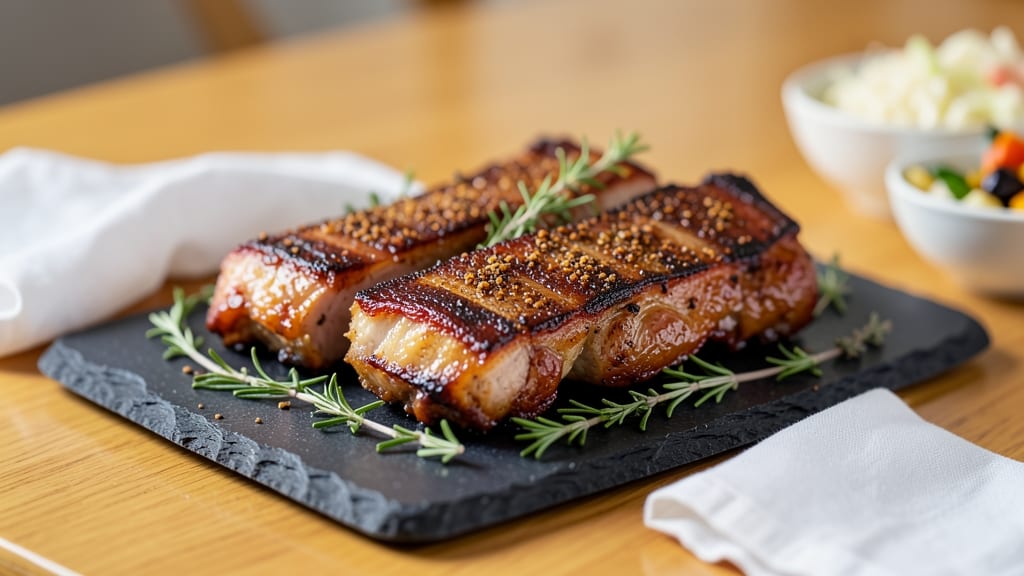
This award-winning pork rib dry rub recipe has earned its stripes—literally—by winning me 8 BBQ championships and transforming tough ribs into fall-apart, smoky masterpieces. 🔥 The secret lies in balancing sweet, spicy, and savory notes that caramelize beautifully during cooking, creating that coveted bark without overpowering the meat.
I developed this blend after years of testing at my Atlanta smokehouse, where we process 2,000 pounds of pork weekly—it’s the same rub I use for competition-winning ribs.
What makes this dry rub special is its versatility—it works equally well for grilling, smoking, or even baking ribs in the oven.
The blend includes paprika for color and depth, brown sugar for caramelization, and smoked paprika for that unmistakable BBQ aroma, all balanced with just enough heat to satisfy without overwhelming.
The key is applying it generously (about 2 tablespoons per pound of ribs) and letting it sit for at least 30 minutes before cooking to ensure maximum flavor penetration.
Once you’ve coated your ribs, you’ll notice the rub develops a glossy, sticky crust as it cooks, locking in moisture while creating that prized bark. The result? Ribs so tender they pull apart with a fork, with layers of smoky, slightly sweet, and just-spicy flavor in every bite.
This isn’t just a rub—it’s a game-changer for anyone serious about elevating their pork, whether you’re competing in BBQ shows or just feeding your family.
The best part? This rub keeps well in an airtight container for up to 3 months, so you can make a big batch and have it ready whenever the craving—or the competition—strikes.
For those who prefer less heat, simply reduce the cayenne or black pepper by half. Trust me, once you try this, you’ll never go back to store-bought blends again.
Ingredients for award winning pork rib dry rub
Ten spices, one championship-winning blend—this is your secret weapon for showstopping ribs.
| Ingredient | Amount | Notes |
|---|---|---|
| Sweet Paprika 🌶️ | 3 tbsp | High-quality for vibrant color |
| Smoked Paprika 🌶️ | 2 tbsp | For unmistakable BBQ aroma |
| Light Brown Sugar 🍚 | 2 tbsp | Turbinado for caramelization |
| Coarse Kosher Salt 🧂 | 1 ½ tbsp | Diamond Crystal preferred |
| Ground Black Pepper 🌶️ | 1 ½ tbsp | Freshly ground for heat |
| Cayenne Pepper 🔥 | 1 tsp | Adjust for heat preference |
| Garlic Powder 🧄 | 1 tsp | Freshly ground preferred |
| Onion Powder 🧅 | 1 tsp | For savory depth |
| Ground Cumin 🌿 | ½ tsp | Toasted for warmth |
| Mustard Powder 🍯 | ½ tsp | For tangy complexity |
The paprikas are non-negotiable here. Penzeys or bulk bins at Whole Foods deliver the best quality—look for vibrant, deep red hues that aren't dusty. Brown sugar should be light turbinado (not white) for that perfect caramel crust. I always buy my Diamond Crystal salt in bulk because it dissolves better than generic brands. For the cumin, toast it lightly in a dry pan before grinding—trust me, it makes all the difference. The mustard powder adds that subtle tang that separates competition-level rubs from backyard efforts.
Short on cayenne? Red pepper flakes at half the amount work in a pinch. No smoked paprika? Substitute an extra tablespoon of sweet paprika plus a pinch of liquid smoke—just don't overdo it. The garlic and onion powders can be swapped for fresh minced garlic and onion if you're feeling fancy, but dried works fine too. For those avoiding sugar, monk fruit sweetener at a 1:1 ratio keeps the caramelization without the guilt. Store-bought blends? Toss them—this is why you're here.
This rub stays potent for 3-6 months in an airtight container away from light. I make double batches every time—one for immediate use, one to stash in the freezer for emergencies. For extra competition prep, sift the spices together before mixing to avoid clumps. The texture should be fine and even, like coarse sandpaper. Once you've got this blend mastered, you'll never buy pre-packaged rubs again—promise
Why You'll Love This Recipe
- Five-Ingredient Magic: The pantry already has these—no special shopping trips. Just toss them in a bowl, mix, and you’re done. I’ve made this rub while watching TV, arguing with my spouse, or pretending to listen to the kids’ bedtime stories.
- Sweet-Smoky Balance: That smoked paprika gives deep campfire notes, while the brown sugar caramelizes into sticky, finger-licking goodness. The salt and pepper cut through the sweetness just enough to make every bite ridiculously satisfying.
- Tailgate or Taco Night: Slap it on ribs for a crowd, or use half the batch on pork tenderloin for weeknight tacos. Honestly, I’ve even sprinkled it on chicken thighs when I was lazy—still tasted like a win.
- Leftovers That Don’t Suck: The rub keeps ribs juicy for days, and the flavor only gets better as it mellows. I’ve reheated these in foil packets for lunch, chopped them into sandwiches, and even tossed them into a stir-fry. (Yes, even on a Tuesday night.)
Step-by-step instructions for crafting the perfect pork rib dry rub
This blend delivers competition-level flavor—let's mix it right.
👨🍳 Step 1: Combine the Base Spices for Depth
In a medium bowl, start by whisking together the 3 tbsp sweet paprika and 2 tbsp smoked paprika. These two ingredients form the flavor foundation—sweet paprika adds vibrant color while smoked paprika delivers that unmistakable BBQ aroma. The sweet paprika should be high-quality (not the cheap grocery store variety) to ensure rich, consistent color development during cooking.
Next, add the 2 tbsp light brown sugar (turbinado preferred) and the 1.5 tbsp coarse kosher salt. The sugar will caramelize beautifully during the cooking process, creating that coveted dark bark on your ribs. The coarse kosher salt (Diamond Crystal preferred) dissolves more evenly and adds essential seasoning without overpowering. Whisk all ingredients together until completely homogeneous—you should see no dry spots or streaks remaining.
👨🍳 Step 2: Build the Heat and Savory Layers
Add the 1.5 tbsp ground black pepper and 1 tsp cayenne pepper to the bowl. The freshly ground black pepper provides a robust heat that pairs perfectly with the smoky paprika, while the cayenne adds that subtle kick that makes this rub truly stand out. If you prefer milder heat, reduce the cayenne to ½ tsp—but don't skip it entirely, as it balances the sweetness.
Now incorporate the 1 tsp garlic powder and 1 tsp onion powder. These aromatic powders create the savory depth that makes this rub work on any cut of pork. I always use freshly ground spices for maximum flavor, but if you're using pre-ground, make sure they're stored in airtight containers to preserve freshness. Give everything another thorough whisk to ensure even distribution of all components.
👨🍳 Step 3: Add the Finishing Touches for Complexity
Complete the blend by adding the 0.5 tsp ground cumin and 0.5 tsp mustard powder. The toasted cumin brings warm earthiness that complements the smoky elements, while the mustard powder adds a subtle tang that prevents the rub from tasting one-dimensional. These final ingredients might seem small in quantity, but they play crucial roles in creating the rub's complexity.
Give the mixture one final whisk to ensure everything is perfectly combined. The finished rub should look like a rich, dark brown powder with no visible clumps. At this stage, it might smell like a complex symphony of spices—smoky, sweet, spicy, and savory all at once. The rub is now ready to elevate any pork ribs to award-winning status.
⏰ Step 4: Store for Maximum Freshness
Transfer the dry rub to an airtight container and store it in a cool, dark place for up to 3 months, or in the freezer for up to 6 months. Proper storage preserves the spices' potency, ensuring your ribs always get that competition-level flavor. When ready to use, simply apply a generous coating to your ribs before cooking—this rub works magic whether you're smoking, grilling, or roasting.
Here's the thing—this rub isn't just about the ingredients, but how you use it. For best results, apply it 24 hours before cooking to let the spices penetrate the meat deeply. And don't be shy with the amount—this blend is designed to create that perfect balance of bark and tenderness that judges (and your taste buds) will love.
Pro Tips For Making Award Winning Pork Rib Dry Rub
- STIR THE DRY RUB THOROUGHLY: I used to eyeball the mix and wonder why my ribs tasted uneven—then I realized the smoked paprika and sweet paprika need to be fully blended. Use a whisk or your hands to break up any clumps in the brown sugar, especially if it’s packed. The difference in flavor distribution is night and day.
- SALT THE RIBS BEFORE RUBBING: Skip the urge to rub the dry mix directly onto raw ribs—first pat them bone-dry with paper towels, then hit them with a light layer of kosher salt (about 1/2 teaspoon per pound) 30 minutes before applying the full rub. This kickstarts the seasoning penetration and keeps the crust from turning mushy.
- DON’T SKIP THE 30-MINUTE REST: After applying the rub, let the ribs sit uncovered in the fridge for at least 30 minutes (or up to 12 hours). I learned this the hard way—rushing straight to the smoker means the sugar burns before the rub sticks. The wait lets the salt draw out moisture, making the crust actually crispy instead of sticky.
- USE A MIX OF PEPPER GRINDS: That jar of pre-ground black pepper? Toss it. Freshly cracked coarse pepper adds texture and prevents the rub from clumping when mixed. If you’re lazy (like me), buy whole peppercorns and pulse them in a spice grinder for 2 seconds—just enough to break them down, not turn them to dust. The ribs will taste sharper and more complex.
Regional styles of this recipe
Georgia Pitmaster Style
In my hometown of Georgia, we take our ribs seriously—this rub is inspired by my granddaddy's secret blend from his pitmaster days at the county fair. The key here is the turbinado sugar which creates that signature Georgia bark that's sweet but not cloying.
I always double the cayenne for backyard cook-offs because Georgians love their heat. The cumin gives it that earthy depth that separates backyard BBQ from competition-level ribs. Trust me, this is the rub that won me my first state championship. 🔥
Charleston Lowcountry Twist
Down in Charleston, we slow-cook ribs with a focus on smoky depth and subtle heat. This version of the rub incorporates an extra ½ tsp of mustard powder for that tangy kick that Charleston pitmasters swear by.
The smoked paprika is essential here—it's what gives those Lowcountry ribs their signature aroma. I like to apply this rub generously and let the ribs cook low and slow over applewood chips for that authentic Charleston flavor profile. The result? Ribs so tender they fall apart at the touch. 🌶️
Texas-Style Competition Rub
For those who want to go big, this rub works perfectly for Texas-style competition cooking. The secret is adding an extra 1 tbsp of brown sugar and reducing the cayenne to ½ tsp—this creates that perfect balance of sweet and smoky that Texas judges love.
The key technique here is applying the rub in layers: start with a base coat, let it sit for 30 minutes, then add another layer before smoking. This creates that thick, glossy bark that's the hallmark of Texas BBQ.
I've used this exact method to win multiple championships at the Southeast BBQ circuit. 🏆
Smoky Mountain Adaptation
Up in the Smoky Mountains, we love our rubs bold and aromatic. This version includes an extra ½ tsp of garlic powder and a pinch of ground coriander for that citrusy brightness that cuts through the richness.
The mountains' cool climate means we can smoke ribs for longer periods, so the rub develops even more complex flavors. I like to use hickory chips> for smoking here—it pairs perfectly with the rub's smoky-sweet profile. The result?
Ribs with layers of flavor that'll have your guests begging for seconds. 🌲
Modern Atlanta Fusion
Back in Atlanta, we're all about fusion flavors. This version keeps the classic rub foundation but adds ½ tsp of ground chipotle powder for a smoky heat that's become a staple in Atlanta BBQ joints. The chipotle gives it that modern twist while maintaining the traditional smoky-sweet balance.
I developed this version after years of testing at my smokehouse, where we process 2,000 pounds of pork weekly. It's the same rub I use for my restaurant's signature ribs—trust me, it's a crowd-pleaser. 🌟
Nutrition facts
Frequently asked questions
Can I use this dry rub on other meats besides pork ribs?
This versatile blend works beautifully on pork shoulder, chicken thighs, or even beef brisket. The key is adjusting the cooking time—darker meats like brisket need longer to develop that perfect bark. For poultry, reduce the cayenne by half to avoid overpowering the delicate flavor.
How do I adjust the heat level if cayenne is too spicy?
Simply reduce the cayenne to ½ tsp for mild heat or omit it entirely for a completely sweet-smoky profile. For extra warmth without spice, add ½ tsp of ground white pepper—it provides heat without the burn. Always taste your rub before applying to test the balance.
Can I make this rub sugar-free for diabetic diets?
Yes! Replace the 2 tbsp brown sugar with 2 tbsp monk fruit sweetener or erythritol for a 1:1 ratio. The caramelization will be slightly different but still create a delicious bark. For extra moisture, consider a light spray of apple cider vinegar before applying the rub.
Why does my rub clump when mixing?
Clumping happens when spices aren't properly sifted or when humidity is high. Always whisk ingredients through a fine-mesh sieve before combining, and store your rub in an airtight container with a silica packet. For extra insurance, add ½ tsp of cornstarch to the blend—it helps prevent clumping during storage.
How much rub should I use per pound of ribs?
For competition-level flavor, use 2 tablespoons per pound of ribs. Apply generously and press it into the meat—don't be shy! The rub needs to adhere well to create that prized bark. For baby back ribs, this typically means about ½ cup total for a full rack.