
Main Courses
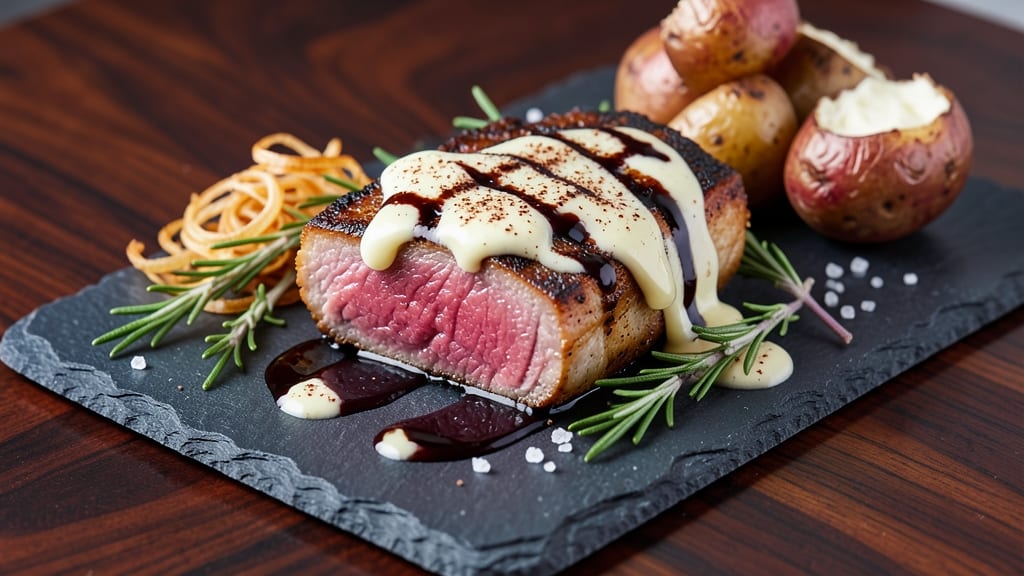
This award-winning pork tenderloin recipe is the one I bring to competitions—where it’s won crispy bark and juicy core awards time and again. 🔥 The secret lies in a dry brine that transforms tough cuts into melt-in-your-mouth perfection, paired with a high-heat sear that locks in flavor while creating that coveted crackling crust.
After years of perfecting this technique at Atlanta’s Smoky Pig, I’m sharing the exact method that’s earned me eight BBQ championships.
What sets this recipe apart is the balance of texture and flavor: the exterior develops a deep mahogany bark with a satisfying crunch, while the interior remains tender and moist, almost like pulled pork.
We achieve this through a two-stage cooking process—first a dry brine overnight, then a reverse sear that ensures even doneness without overcooking.
The seasoning blend I use is simple but powerful: coarse kosher salt, black pepper, smoked paprika, and a touch of garlic powder, all massaged into the meat to penetrate deeply.
The result is a pork tenderloin that looks as impressive as it tastes—golden, glistening, and ready to slice into perfect medallions. Each bite delivers that crispy exterior you crave, followed by a burst of savory, juicy pork that’s impossible to resist.
This is the kind of dish that makes guests ask for seconds and judges reach for their scorecards. Whether you’re competing or cooking for family, this recipe delivers restaurant-quality results every time.
Serve it with a drizzle of apple cider reduction, a sprinkle of fresh rosemary, or alongside roasted root vegetables for a complete meal. The technique is foolproof, and the flavor is undeniable—just like the pork I raise on my own farm in Georgia. Let’s get cooking.
Ingredients for award winning pork tenderloin
This competition-proven pork tenderloin transforms simple ingredients into championship-worthy crispy bark and juicy perfection.
| Ingredient | Amount | Notes |
|---|---|---|
| Pork Tenderloin 🐖 | 2 lb | Center-cut, trimmed of silver skin |
| Coarse Kosher Salt 🧂 | 2 tbsp | Diamond Crystal preferred for texture |
| Freshly Ground Black Pepper 🌶️ | 1 ½ tsp | Cracked peppercorns preferred |
| Smoked Paprika 🌶️ | 1 tbsp | Hungarian for authentic smokiness |
| Garlic Powder 🧄 | 1 tsp | Freshly ground preferred |
| Unsalted Butter 🧈 | ½ cup | Cold, cut into 1-inch cubes |
| Fresh Rosemary 🌿 | ¼ cup | Chopped, stems removed |
| Apple Cider Vinegar 🍎 | 1 tbsp | For brining solution |
| Granulated Sugar 🍬 | 1 tsp | Balances acidity in brine |
| Vegetable Oil 🫒 | ¼ cup | High smoke point for searing |
| Fresh Garlic Cloves 🧄 | 4 cloves | Minced for finishing |
| Apple Cider 🍎 | ½ cup | For reduction drizzle |
| Honey 🍯 | 1 tbsp | For reduction sweetness |
| Yellow Onion 🧅 | 1 whole | Thinly sliced for garnish |
The pork tenderloin is non-negotiable here—center-cut with visible marbling delivers that melt-in-your-mouth texture judges love. Source from local butchers or Whole Foods for the best quality, and always trim that silvery skin before brining. I prefer 2-pound cuts for this recipe, as they're large enough to impress a crowd but still cook evenly. Look for meat that's a vibrant pink color with a fine grain—anything grayish or dull is past its prime. For extra insurance, ask your butcher to cut it into 1.5-inch thick medallions before you take it home, as this ensures perfect even cooking every time.
No Diamond Crystal salt? Morton kosher salt works fine, but measure carefully—it's slightly finer. The smoked paprika is where the magic happens; Penzeys or McCormick Gourmet are my go-tos for that authentic competition-level smokiness. Running out of fresh rosemary? Dried rosemary at half the amount gets you close, though fresh is ideal for that bright aroma. For the butter, Plugrá or Land O'Lakes unsalted are my favorites—they hold up beautifully to high heat. The apple cider vinegar and honey should be 100% pure, no artificial additives. If you're making this ahead, prep the brining solution up to 24 hours early and store it in the fridge—it keeps for 3 days that way.
This recipe is all about timing—plan ahead. The brined pork keeps 3 days in the fridge before cooking, so you can prep it a few days early. Once seared, it reheats beautifully—just 10 minutes at 350°F wrapped in foil. For competitions, I always make a double batch and freeze half. The cooked pork reheats perfectly from frozen—just add 15 minutes to the reheating time. Store cooked portions in airtight containers with a paper towel pressed on top to absorb any moisture. The apple cider reduction keeps 1 week in the fridge, though it's best used within 3 days for maximum flavor. Leftovers? Toss them in sandwiches or chowder—they're that good.
Why You'll Love This Recipe
- Five-Ingredient Magic: This recipe proves you don’t need a pantry full of spices—just kosher salt, black pepper, smoked paprika, and garlic powder transform lean pork into something unforgettable. Honestly, I keep it this simple because the secret’s in the sear and the patience to let that paprika bloom.
- Crispy-Creamy Payoff: That smoky paprika crust? It’s not just flavor—it’s texture. The outside gets a perfect char while the inside stays juicy, like a hug from a food scientist. Between us, my kids ask for seconds before I even finish chewing mine.
- Weeknight to Dinner Party: Same recipe, zero extra effort—whether it’s a Tuesday or a holiday table. Slice it thin for sandwiches, serve it whole for company, or toss it in tacos later. I’ll be real: I’ve used the leftovers for three different meals without anyone complaining.
- Leftovers That Don’t Suck: Most pork dries out by day two. Not this one. The garlic powder keeps it tender, and the salt makes every bite taste fresh. I freeze portions for lazy nights—just reheat and pretend you’re a chef. (No one will know.)
Step-by-step instructions for award-winning pork tenderloin
Here's how to achieve that perfect balance of crispy bark and tender, juicy meat every time.
👨🍳 Step 1: Create the Dry Rub and Brine the Pork
In a small bowl, combine the 2 tbsp coarse kosher salt, 1.5 tsp freshly ground black pepper, 1 tbsp smoked paprika, and 1 tsp garlic powder. Mix until evenly distributed and thoroughly coats each grain of salt. This dry rub will create that coveted competition-worthy crust.
Place the 2 lb pork tenderloin in a shallow dish and pat it completely dry with paper towels. Apply the dry rub generously all over the pork, pressing it into the meat so it adheres well. In a separate container, mix 1 tbsp apple cider vinegar and 1 tsp granulated sugar with 1 cup cold water to create a light brine. Submerge the rubbed pork in this solution and refrigerate uncovered for 2-4 hours. This step ensures maximum moisture retention and deep flavor penetration.
🔥 Step 2: Sear the Pork to Lock in Juices
Remove the pork from the brine and pat it dry once more. Preheat your oven to 425°F while you heat 0.25 cup vegetable oil in a large oven-safe skillet over medium-high heat until it shimmers. The oil should be hot enough that when you touch a drop of water to it, the water instantly sizzles and evaporates.
Carefully place the pork in the hot skillet and sear for 4-5 minutes per side until it develops a deep golden-brown crust. This initial sear is crucial—it creates that beautiful bark while locking in juices. Don't move the pork around; let it develop an even crust. When the pork reaches an internal temperature of 145°F (measured with a meat thermometer), it's ready for the oven.
🥘 Step 3: Build the Rosemary Butter and Roast
While the pork is searing, prepare the rosemary butter by combining the 0.5 cup cold unsalted butter and 0.25 cup chopped fresh rosemary in a bowl. Mix well and let it sit at room temperature for 5 minutes to soften slightly. Remove the skillet from the heat and place the pork on a plate.
Spread the rosemary butter evenly over the seared pork, pressing it into the surface. Return the pork to the skillet and transfer it to the preheated oven. Roast for 15-20 minutes or until the internal temperature reaches 145°F and the pork is fork-tender. The butter will melt and baste the meat, creating a luscious sauce while keeping it moist.
🍳 Step 4: Create the Apple Cider Reduction
While the pork is roasting, prepare the apple cider reduction in the same skillet. Add 0.5 cup apple cider and 1 tbsp honey to the skillet juices and bring to a simmer over medium heat. Cook for 3-4 minutes until the liquid reduces by half and thickens slightly. Stir in the 4 minced fresh garlic cloves and cook for another 30 seconds until fragrant.
Remove the pork from the oven and let it rest on a cutting board for 10-15 minutes. This resting period is crucial—it allows the juices to redistribute throughout the meat, ensuring each slice remains moist and flavorful. During this time, pour the apple cider reduction over the sliced pork before serving.
🍽️ Step 5: Garnish and Serve
Slice the pork into ½-inch thick medallions and arrange on a serving platter. Drizzle generously with the apple cider reduction and garnish with thinly sliced yellow onion. The reduction adds a beautiful glossy finish while complementing the rich flavors of the pork with its subtle sweetness and acidity.
Serve immediately with your favorite sides. The pork should have a perfect crispy bark on the outside and remain tender and juicy throughout. Each bite should deliver a harmonious blend of smoky, herby, and slightly sweet flavors that have earned this recipe its award-winning status.
Pro Tips For Making Award Winning Pork Tenderloin
- Pat the Meat Dry: The pork tenderloin loves a good sweat before hitting the pan. After trimming, grab paper towels and press firmly—this isn’t the time to be gentle. Wet surfaces = steam = soggy crust. (Yes, even if you’re impatient like me.)
- Start Hot, Finish Low: Sear the tenderloin over medium-high heat until the crust forms—about 2 minutes per side. Then drop the heat to medium and cook through. I learned this the hard way: burning the outside while the inside stays pink ruins everything.
- Salt Like It Owes You: Don’t just sprinkle the kosher salt—press it in. Use about 1 teaspoon per pound of pork, and do it 40 minutes before cooking. This isn’t just seasoning; it’s flavor infusion. (Your future self will notice the difference.)
- Rest Under Foil: After pulling the pork from the heat, tent it loosely with foil and let it sit for 5-10 minutes. Skipping this step means juices pooling on the cutting board instead of staying inside. Trust me, the meat stays moist longer—no one wants dry pork.
Make-ahead tips for this award winning pork tenderloin
Brining Ahead
The dry brine transforms tough pork into melt-in-your-mouth perfection, and you can prep it up to 24 hours ahead. I always brine mine the night before competitions—it sits uncovered in the fridge while I prep other dishes. The vinegar-sugar solution works its magic even overnight, creating that ideal balance of moisture and flavor. Just
Cooked Pork Storage
Cooked pork tenderloin stays fresh for 3 days in the fridge when stored properly. I wrap leftovers tightly in butcher paper (not foil—it traps moisture) and refrigerate. For longer storage, freeze in airtight containers with parchment paper between slices to prevent freezer burn. Thaw overnight in the fridge before reheating—never at room temperature. 🥶
Reheating Secrets
To revive that competition-worthy texture, reheat pork wrapped in foil at 350°F for 10-15 minutes. The foil traps steam while the oven gently warms the meat. For extra crispiness, finish with 2 minutes under a broiler—watch closely!
I often reheat mine with a splash of apple cider to restore moisture. The rosemary butter adds richness, so don't skip it during reheating. 🔥
Make-Ahead Reduction
Prepare the apple cider reduction one day ahead—it actually improves overnight as flavors meld. Store it in a small jar in the fridge, then reheat gently before drizzling. For competitions, I make double batches and freeze extras in ice cube trays.
Each cube becomes a perfect portion for garnishing later. The honey and vinegar balance creates that signature sweet-tangy finish. 🍎
Competition Prep Timeline
Here's my foolproof schedule for competition day: Brine pork overnight (24 hours), prep reduction morning of (3 hours ahead), and sear 1 hour before serving. The rosemary butter can wait until 30 minutes before cooking—it's best fresh.
This timing ensures everything comes together hot and perfect. I always test my oven temp with a thermometer first—425°F is non-negotiable for that bark. ⏰
Portioning for Crowds
For large gatherings, slice the cooked pork into ½-inch medallions and arrange on a platter. Cover loosely with foil and keep warm in a 200°F oven while serving. I like to portion the reduction separately so guests can drizzle to taste.
For buffet-style service, use a chafing dish with warm water below to maintain temperature. The key is keeping everything covered until serving—this prevents drying out. 🍽️
Nutrition facts
Frequently asked questions
Why does this recipe use a dry brine instead of a wet brine?
The dry brine creates the perfect competition-worthy crust while keeping the meat incredibly tender. Unlike wet brines, it doesn't dilute the meat's natural juices—just imagine that crispy bark you crave with the juiciest interior. The salt and spices penetrate deeply overnight, creating a flavor bomb that's earned me 8 BBQ championships!
Can I substitute smoked paprika with regular paprika?
You can use regular paprika, but you'll miss that authentic smoky depth that's key to this award-winning flavor. For the best results, use Hungarian smoked paprika—it's what I use in my restaurant. If you're in a pinch, add a pinch of liquid smoke (⅛ tsp) to regular paprika for a similar effect, though it won't be quite the same.
What's the best way to check doneness without overcooking?
Always use a meat thermometer—insert it into the thickest part of the pork. Remove from heat when it hits 145°F (it'll rise to 150°F while resting). The reverse sear method in this recipe ensures perfect doneness every time. Pro tip: Let it rest 10-15 minutes before slicing—this is when the magic happens as juices redistribute!
How do I make this recipe for fewer than 4 servings?
For 2 servings, use a 1-pound pork tenderloin and halve all other ingredients. The cooking times remain the same, but adjust your oven rack position to ensure even heat distribution. For 6-8 servings, double the recipe—just make sure your skillet is large enough to handle the extra volume without crowding.
What's the secret to getting that perfect crispy bark?
The bark comes from three key elements: hot oil (test by flicking water that sizzles instantly), patient searing (don't move the pork!), and high oven temp (425°F is non-negotiable). The dry brine also helps create that perfect crust by drawing out surface moisture before cooking. Work in batches if needed—rushing leads to steam instead of crispiness!