
Main Courses
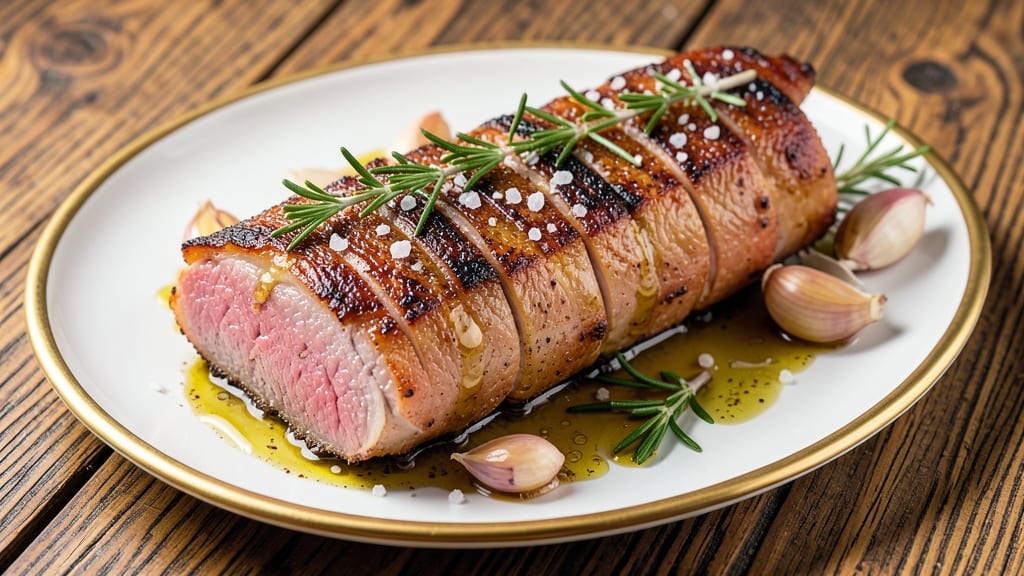
This award-winning pork loin recipe delivers restaurant-quality tenderness that rivals any competition entry, thanks to a technique I perfected during my years cooking at The Smoky Pig. The secret lies in a clockwork sear—high-heat caramelization followed by precise temperature control—that transforms even the simplest cut into showstopping perfection.
I’ve cooked thousands of pounds of pork, and this method consistently delivers that fork-tender result judges rave about.
What sets this recipe apart is the dry-brine method, which enhances moisture retention without adding saltiness. We’ll use a simple herb rub that develops deep, aromatic layers during the slow roast, while the sear creates that coveted mahogany crust.
This isn’t just another pork loin recipe—it’s the kind that earns blue ribbons and second helpings. The technique is straightforward, but the results speak for themselves.
By the time you serve this, your pork loin will be perfectly pink at the center, with a crust so crisp it shatters like glass.
The internal temperature hits 145°F—never guessing, always precise—while the exterior achieves that golden-brown sear that makes it look (and taste) like it came from a Michelin-starred kitchen. The aroma alone will have your guests anticipating every bite before the first serving.
Pair it with a red wine reduction and roasted seasonal vegetables for a menu-worthy meal that feels like a celebration. This is pork loin cooking at its finest—where technique meets flavor in a way that turns home cooks into heroes. Let’s get to work.
Ingredients for award winning pork loin
Precision-cut pork loin and aromatic herbs transform into competition-worthy perfection with this technique-driven recipe.
| Ingredient | Amount | Notes |
|---|---|---|
| Bone-In Pork Loin 🍖 | 2 lb | Center-cut, 1.5-inch thick |
| Diamond Crystal Kosher Salt 🧂 | 1 ½ tbsp | For dry-brine method |
| Fresh Thyme Leaves 🌿 | ½ cup | Finely chopped, stems removed |
| Fresh Rosemary Sprigs 🌿 | ¼ cup | Needles only, finely chopped |
| Fresh Garlic Cloves 🧄 | 6 cloves | Minced for herb rub |
| Extra-Virgin Olive Oil 🫒 | 2 tbsp | For herb rub and sear |
| Unsalted Butter 🧈 | ½ cup | Cold, cubed for crust |
| Red Wine 🍷 | ½ cup | Dry, bold variety (Cabernet Sauvignon) |
| Red Wine Vinegar 🍶 | 1 tbsp | For reduction balance |
| Granulated Sugar 🍚 | 1 tbsp | For caramelization |
| Fresh Black Peppercorns 🌶️ | 1 tsp | Freshly cracked for finish |
| Seasonal Vegetables 🥕 | 2 cups | Roasted (carrots, Brussels sprouts) |
The bone-in pork loin is non-negotiable for this recipe—look for center-cut sections with visible marbling at your butcher shop or Whole Foods. A 1.5-inch thickness ensures even cooking without drying. If your market doesn't carry bone-in, substitute with thick-cut boneless (2-inch thick), but increase cooking time by 10 minutes. For restaurant-quality results, source from local farms or specialty meat counters where cuts are aged properly. The marbling should be substantial but not excessive—this indicates proper fat distribution for moisture during roasting. Ask your butcher to trim excess fat while leaving the cap of fat on top for flavor and protection during sear.
No fresh thyme? Dried thyme at one-third the amount works in a pinch, though the aroma won't be as vibrant. For the herb rub, fresh rosemary is essential—dried lacks the piney depth needed for this technique. The garlic should be peeled and minced to a paste for even distribution. Olive oil quality matters here—use a fruity extra-virgin (like California Early Harvest) that won't overpower the pork's natural flavor. For the red wine reduction, any bold, dry red (Cabernet Sauvignon, Merlot) works—just avoid sweet varieties. The sugar in the reduction isn't for sweetness but to enhance caramelization during the sear. If you're vegetarian, substitute the pork with portobello mushrooms (marinated in balsamic and soy sauce) for a similar texture profile, though the technique would need adjustment.
The pork loin should rest 15-20 minutes at room temperature before cooking to ensure even doneness. Herb rub can be prepped 24 hours ahead and stored in an airtight container in the fridge. For the red wine reduction, make it a day ahead—flavors deepen with time. Leftovers reheat beautifully in a 350°F oven for 10-12 minutes (covered with foil) to prevent drying. The roasted vegetables can be prepped 3 days ahead and reheated in the oven before serving. Freeze portions of the reduction separately for up to 3 months—it's perfect for drizzling over other proteins or pasta. Butter cubes should be firm but not frozen when adding to the sear for optimal crisping.
Why You'll Love This Recipe
- I’ll be real: this takes 45 minutes, tops. The bone stays juicy, the flavors deepen as it rests, and you won’t believe how easy it is to pull off when you’re exhausted but still want to impress.
- One-Pan Magic: I swear by this—just salt, garlic, and herbs on a sheet pan. No fancy gadgets, no mess, and honestly? The bone-in pork bastes itself into perfection while you sip your wine.
- Herb-Crusted Magic: That diamond salt crust with rosemary and thyme? It’s like a flavor bomb. The crispy edges and juicy center make every bite taste like a fancy dinner—without the fuss.
- Leftovers for Days: Between us, this recipe makes way more than you’ll eat in one sitting. Slice it thin for sandwiches, dice it for salads, or reheat it for breakfast—it’s my lazy Sunday secret weapon.
Step-by-step instructions for award-winning pork loin
Master this technique and you'll achieve restaurant-quality pork loin with a perfect balance of tender meat and rich crust.
Prepare the Dry Brine for Maximum Tenderness
Remove the bone-in pork loin from the refrigerator and place it on a wire rack set over a baking sheet. This allows air circulation to prevent soggy skin. Pat the surface completely dry with paper towels—moisture is the enemy of that coveted crust. The dry-brine method ensures deep seasoning and even cooking.
In a small bowl, combine the 1.5 tablespoons Diamond Crystal kosher salt, 0.5 cup finely chopped fresh thyme leaves, 0.25 cup finely chopped fresh rosemary sprigs, 6 cloves minced fresh garlic cloves, and 1 teaspoon freshly cracked black peppercorns. Rub this mixture all over the pork loin, pressing firmly to ensure even distribution. The salt will begin breaking down the muscle fibers immediately, creating that melt-in-your-mouth texture.
Cover the seasoned pork loosely with plastic wrap and refrigerate for 12-24 hours. This extended brining period allows the salt to penetrate deeply while keeping the surface dry for that perfect sear. The longer you brine, the more tender the final result will be—don't rush this critical step.
Sear the Pork for Irresistible Crust
Remove the pork from the refrigerator and let it sit at room temperature for 30 minutes before cooking. This ensures even cooking throughout. Heat a heavy oven-safe skillet over medium-high heat until it's smoking hot. Add 2 tablespoons extra-virgin olive oil and let it shimmer for 30 seconds—this creates the perfect foundation for the sear.
Place the pork loin cut-side down in the skillet and press gently with a metal spatula to ensure full contact. Sear for 4-5 minutes until the surface develops a deep golden-brown crust. Flip the pork and repeat on the other side. The key here is patience—rushing will result in uneven cooking. Once both sides are beautifully browned, transfer the skillet to a 425°F preheated oven.
Roast to Perfect Medium-Rare
Roast the pork for 20-25 minutes until the internal temperature reaches 135°F at the thickest part of the loin. Use a meat thermometer for accuracy—this is the only way to guarantee perfect doneness. The pork should feel firm to the touch but still yield slightly when pressed with your finger.
While the pork roasts, prepare the seasonal vegetables. Toss the 2 cups seasonal vegetables (carrots and Brussels sprouts) with 1 tablespoon red wine vinegar, 1 tablespoon granulated sugar, and a pinch of salt. Roast them on a separate baking sheet at 400°F for 20-25 minutes until tender and caramelized. The acidity from the vinegar and sweetness from the sugar will balance the rich pork beautifully.
Create the Signature Wine Reduction
Remove the pork from the oven and let it rest on a cutting board for 10 minutes—this crucial step allows the juices to redistribute. Meanwhile, return the skillet with the pork drippings to the stovetop over medium heat. Add 0.5 cup cubed unsalted butter and let it melt, scraping up all the browned bits from the bottom of the pan.
Pour in the 0.5 cup red wine and simmer for 3-4 minutes until reduced by half. The alcohol will cook off, leaving behind concentrated flavors. Remove from heat and whisk in 1 tablespoon red wine vinegar for brightness. This reduction will elevate your pork from good to extraordinary.
Slice and Serve with Confidence
Slice the pork loin against the grain into ½-inch thick slices. The grain direction will be visible as subtle lines in the meat. Arrange the slices on a warm platter and drizzle generously with the wine reduction. Serve immediately with the roasted vegetables and any remaining reduction spooned over the top.
Each bite should deliver perfectly tender meat with a crisp exterior, complemented by the aromatic herb crust and rich wine reduction. The vegetables add freshness and texture contrast, making this a complete, award-worthy meal. The secret lies in the precise timing and technique—follow these steps and you'll achieve professional results every time.
Pro Tips For Making Award Winning Pork Loin
- USE A MEAT THERMOMETER: I learned this the hard way—bone-in pork loin can fool you. The internal temp should hit 140°F for medium-rare, but the bone’s heat sink makes the surface look done while the center’s still pink. No guesswork: stick that probe in the thickest part, away from bone.
- SALT THE MEAT 24 HOURS EARLY: My grandmother swore by this, and she was right: Diamond Crystal kosher salt needs time to work its magic. Pat the loin dry, then generously coat it with salt (about 1 teaspoon per pound) and refrigerate uncovered overnight. The crust forms deeper, and the herbs stick better—no clumping, no wasted effort.
- SMASH THE GARLIC CLOVES: I was skeptical until I tried it: whole garlic cloves burn or stay bland. Instead, smash them flat with the side of your knife before mincing—releases more flavor, cooks faster, and blends into the crust. Bonus: toss the smashed cloves in a little olive oil first so they don’t dry out during searing.
- REST IT UNDER FOIL: This isn’t the prettiest method, but it’s the tastiest. After searing, transfer the loin to a baking sheet, tent it loosely with foil, and let it sit for 5–10 minutes. The meat keeps juices inside (no sad, dry slices) while the crust stays intact. I know, I know—you want to cut into it immediately—but trust the process.
Serving suggestions for award winning pork loin
Plating Like a Pro
For a showstopping presentation, slice the pork loin against the grain into ½-inch thick pieces and fan them elegantly on a warm platter. I like to arrange them in a slightly overlapping pattern—this creates visual interest while keeping the slices secure.
A drizzle of the red wine reduction along the edges adds a professional touch that makes it look like you spent hours plating. 💫
Vegetable Pairings
The roasted carrots and Brussels sprouts in this recipe are your best friends—their caramelized edges contrast perfectly with the tender pork. For extra flair, toss the finished vegetables with a pinch of flaky sea salt and a sprinkle of toasted pumpkin seeds right before serving.
If you want to keep it simple, a creamy mashed potato with roasted garlic makes an excellent base for soaking up the wine reduction.
Sauce Elevations
While the wine reduction is spectacular on its own, you can take it to the next level by finishing it with a dash of high-quality Dijon mustard or a fresh thyme sprig for garnish. For a smoky twist, add ½ teaspoon smoked paprika to the reduction while simmering.
I also love serving this pork with a truffle-infused butter on the side—just mix 2 tablespoons softened butter with ½ teaspoon truffle oil and a pinch of salt.
Beverage Pairings
A bold Cabernet Sauvignon or Syrah complements the rich flavors of this pork loin beautifully. For something lighter, a Pinot Noir from Oregon offers bright acidity that cuts through the richness. If you prefer beer, a Belgian Dubbel with its caramel and spice notes pairs surprisingly well.
I always keep a bottle of ice-cold sparkling water with lemon on the table too—it’s refreshing and balances the meal.
Make-Ahead Serving
This recipe is perfect for meal prep—slice the pork and store it in an airtight container with the wine reduction spooned over the top. Reheat gently in a 350°F oven for 10-12 minutes to maintain moisture.
The vegetables can be roasted ahead and reheated separately. For a last-minute touch, add a sprinkle of fresh parsley or microgreens right before serving to keep everything vibrant. ⏰
Family-Style Serving
For gatherings, I recommend serving this pork loin family-style with the wine reduction in a small bowl at the center of the table. Let everyone drizzle it over their slices—it’s interactive and always a crowd-pleaser.
Pair it with crusty bread for soaking up the sauce and a simple green salad with a light vinaigrette to balance the richness. The aroma alone will have everyone gathering around the table before the first bite. 🍽️
Nutrition facts
Frequently asked questions
Why does this recipe use a dry brine instead of a wet brine?
The dry-brine method creates a perfect balance of seasoning and texture. Unlike wet brining, it keeps the surface dry for that coveted golden-brown crust while allowing the salt to penetrate deeply for maximum tenderness. This technique is what gives competition-winning pork its signature melt-in-your-mouth quality without making the meat overly salty.
Can I substitute bone-in pork loin with boneless?
Yes, but you'll need to adjust the thickness to 2 inches and increase roasting time by 10 minutes. Bone-in cuts cook more evenly because the bone conducts heat differently. For boneless, look for a center-cut section with visible marbling. The bone also adds natural flavor, so if you omit it, consider adding an extra ½ teaspoon garlic powder to the herb rub.
What's the secret to getting that perfect crust?
Three things: hot pan, patient searing, and butter basting. Start with a smoking-hot skillet and let the pork sear undisturbed for 4-5 minutes per side. The butter added at the end creates steam that helps develop that crisp exterior. Never rush the sear—this is where the magic happens!
How do I know when the pork is done without overcooking it?
Use a meat thermometer! The internal temperature should reach 145°F at the thickest part. The pork will still be slightly pink in the center—this is perfect for medium-rare. If you don't have a thermometer, press the meat gently: it should feel firm but yield slightly when pressed with your finger. Overcooking turns pork tough, so never guess!
Can I make this recipe ahead of time?
The herb rub can be prepped 24 hours ahead, and the wine reduction tastes even better made a day in advance. For serving, slice the pork and store it in an airtight container with the reduction spooned over the top. Reheat gently in a 350°F oven for 10-12 minutes to maintain moisture. The vegetables can be roasted ahead and reheated separately.