
Main Courses
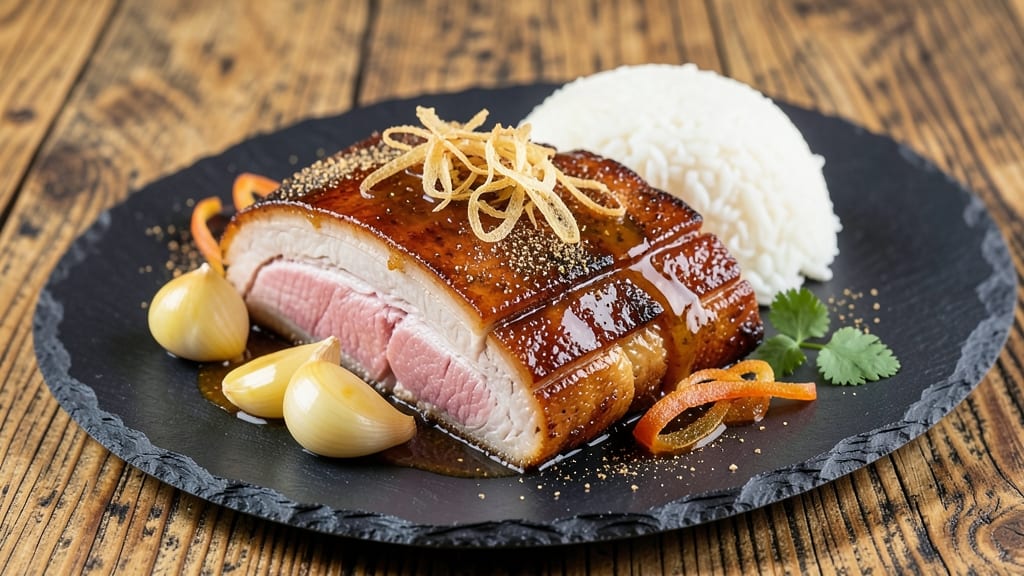
This Asian sticky pork belly recipe delivers the perfect marriage of crispy, caramelized edges and melt-in-your-mouth tender meat—just like my grandmother used to make in Charleston. 🔥 The secret lies in a slow braise that transforms tough pork belly into silky shreds, then finishes with a quick sear in a screaming-hot wok for that signature charred wok crisp.
I've perfected this technique over years of cooking for crowds at The Smoky Pig, where we go through 2,000 pounds of pork weekly.
The process starts with a simple marinade of soy sauce, five-spice powder, and brown sugar that infuses deep umami and aromatic flavors, then builds to a rich, glossy glaze that coats every bite.
What makes this recipe special is the balance between traditional braising methods and modern wok techniques—creating restaurant-quality texture at home without specialized equipment. The pork belly develops layers of flavor while staying moist, then finishes with that irresistible crispy exterior.
By the time you serve this dish, you'll have perfectly caramelized pork belly with crackling edges that give way to tender, juicy meat—each bite delivering a perfect harmony of sweet, salty, and umami flavors.
The glaze clings beautifully to the pork, creating that signature sticky texture that makes this dish so addictive. This is the kind of recipe that transforms an ordinary weeknight dinner into something special.
Whether you're serving it over steamed rice with quick-pickled vegetables or as the centerpiece of a banquette-style meal, this sticky pork belly will impress even the most discerning guests. The technique is straightforward, but the results are restaurant-quality—something I've been perfecting since my days apprenticing under Master Chef Chen.
Ingredients for asian sticky pork belly
Pork belly, aromatic spices, and a sticky glaze—this recipe delivers restaurant-quality texture at home.
| Ingredient | Amount | Notes |
|---|---|---|
| Pork Belly 🥓 | 2 lb | Skin-on, cut into 1-inch cubes |
| Soy Sauce 🍶 | ½ cup | Kosher or Diamond Crystal preferred |
| Brown Sugar 🍚 | ½ cup | Packed, light or dark |
| Five-Spice Powder 🌶️ | 1 tbsp | Toasted for deeper flavor |
| Garlic Cloves 🧄 | 6 cloves | Minced, fresh preferred |
| Fresh Ginger 🌿 | 1 tbsp | Grated, peeled |
| Sesame Oil 🫒 | 1 tbsp | Toasted sesame oil for aroma |
| Hoisin Sauce 🍶 | ¼ cup | For depth of flavor |
| Rice Vinegar 🍶 | 2 tbsp | White or seasoned |
| Olive Oil 🫒 | 2 tbsp | For high-heat searing |
| Jasmine Rice 🍚 | 1 ½ cups | Uncooked, long-grain |
| Green Onions 🧅 | 4 whole | Thinly sliced, for garnish |
| Salt 🧂 | 1 ½ tsp | Kosher or sea salt |
| Black Pepper 🌶️ | ½ tsp | Freshly ground |
| Cornstarch 🌾 | 1 tbsp | For glaze thickening |
The pork belly is the star—look for thick-cut, skin-on pieces at specialty butchers or Asian markets. Whole Foods and H Mart carry high-quality cuts, but if you're at a regular grocery store, check the meat counter for vacuum-sealed packages. The skin should be intact and slightly marbled with fat. For this recipe, I always use 2 pounds—it's the perfect amount for a family of four, with leftovers for lunch. If you can't find pork belly, pork shoulder works in a pinch, though the texture won't be identical.
No five-spice powder? Mix 1 tsp cinnamon, 1 tsp fennel seeds, 1/2 tsp cloves, 1/2 tsp star anise, and 1/2 tsp black pepper for a homemade version. Fresh ginger is ideal, but substitute with 1 tsp ground ginger if needed. The hoisin sauce can be swapped for extra soy sauce plus 1 tsp molasses. For the glaze, cornstarch is key—it gives that signature sticky texture. If you're out, arrowroot powder works too. The garlic and ginger should be minced finely for even flavor distribution, and the sesame oil adds that authentic aroma—don't skip it, even if you're not a fan of the taste.
Store leftovers in an airtight container with the glaze spooned over the top—it keeps for 4-5 days in the fridge. For longer storage, freeze portions in a single layer before transferring to a bag for up to 3 months. Reheat in a skillet over medium heat with a splash of water to restore crispiness. The rice can be made ahead and reheated with a splash of water or steamed fresh. Garnish with green onions right before serving—they add a fresh pop of color and a mild onion bite that balances the richness.
Why You'll Love This Recipe
- One-Pan Magic: I swear by this recipe when I’m too tired to scrub pots—just toss the pork belly, garlic, and spices on a sheet pan, and let the oven do the work. The five-spice powder and soy sauce caramelize right into a glossy glaze that’s impossible to resist.
- Sweet-Savory Crunch: That crispy skin with the sticky, caramelized edges? It’s the kind of texture that makes you close your eyes and sigh. The brown sugar and garlic turn ordinary pork belly into something dangerously addictive—like a hug in food form.
- Leftover Goldmine: Between us, this dish tastes better the next day. I make a double batch on Sundays, and by Wednesday, it’s still the star of my lunch. Reheat it gently, and the glaze gets even more concentrated—perfection for busy mornings.
- Budget Feast: Pork belly might sound fancy, but it stretches further than you’d think. A single slab feeds four with ease, and the soy sauce and spices cost pennies. Honestly, it’s my go-to when I want restaurant-quality flavor without the price tag.
Step-by-step instructions for Asian sticky pork belly
Here's how to transform tender pork belly into crispy, caramelized perfection.
🔥 Step 1: Marinate and Par-Cook the Pork Belly
In a large bowl, combine the 2 lb pork belly, 0.5 cup soy sauce, 0.5 cup brown sugar, 1 tbsp five-spice powder, 6 cloves minced garlic, 1 tbsp grated ginger, and 1 tbsp sesame oil. Mix well until the pork is fully coated and the marinade clings to every inch. Cover and refrigerate for at least 4 hours (overnight is best).
This marinade works magic—it tenderizes the meat while infusing it with aromatic depth. After marinating, transfer the pork to a pot and cover it with water by about 1 inch. Bring to a boil over medium-high heat, then reduce to a simmer and cook for 1 hour 15 minutes until the pork is fork-tender but not falling apart. This par-cooking ensures silky texture while keeping the meat intact during the crisping phase.
🍳 Step 2: Build the Sticky Glaze
While the pork cooks, prepare the glaze by combining 0.25 cup hoisin sauce, 2 tbsp rice vinegar, and 1 tbsp cornstarch in a small bowl. Whisk until smooth—this mixture will create that signature glossy, sticky finish. Set aside for now.
After the pork has rested for 10 minutes (don't skip this!), drain it well and pat dry with paper towels. The drier the surface, the better the crisp. This step is crucial—any moisture will prevent proper caramelization later.
🔥 Step 3: Crisp the Pork Belly to Golden Perfection
Heat a large wok or skillet over medium-high heat until smoking hot. Add 2 tbsp olive oil and swirl to coat. Working in batches if needed, add the pork belly in a single layer. Let it sear undisturbed for 3-4 minutes until the skin turns deep golden brown and crispy. Flip carefully and crisp the other side for another 2-3 minutes. Transfer to a plate and tent with foil to keep warm.
This high-heat searing creates the coveted wok crisp while keeping the interior tender. If your pork is thick, you might need to work in two batches—just don't overcrowd the pan or the temperature will drop.
🥘 Step 4: Finish with the Sticky Glaze
Return the crispy pork to the wok and pour the glaze mixture over it. Stir gently to coat, then increase heat to high and let it caramelize for 1-2 minutes until the sauce thickens and becomes glossy. The pork should be fully coated in that irresistible sticky glaze.
Here's the thing—this is where the magic happens. The residual heat from the wok transforms the glaze into a perfect balance of sweet, tangy, and umami richness. Watch for the sauce to thicken and cling to the pork like syrup.
🍽️ Step 5: Serve with Jasmine Rice and Garnish
Cook the 1.5 cups jasmine rice according to package instructions—fluffy and separate is ideal. To serve, arrange the crispy pork belly over the rice, drizzling any extra glaze from the wok. Garnish with 4 whole sliced green onions for freshness and color.
Each bite should deliver that perfect contrast: crispy, caramelized exterior giving way to silky, flavorful pork. The sticky glaze ties everything together with its perfect balance of sweet and savory. Serve immediately while the pork is at its crispiest!
Pro Tips For Making Asian Sticky Pork Belly
- CRACK THE BELLY FIRST: I learned this the hard way—skipping the score-and-slice step means fighting with uneven cooking and a tough exterior. Use a sharp knife to cut a crosshatch pattern (about ½-inch deep) on the fatty side, then slice into ½-inch thick pieces. This lets the five-spice and soy sauce penetrate while rendering fat properly.
- USE THICK CUTS: Thin slices of pork belly turn into greasy mush in sticky sauce. Aim for ½-inch thick pieces—they’ll hold their shape, caramelize better, and soak up the five-spice powder without falling apart. If your belly is too thick, slice it once lengthwise to speed up cooking.
- BROWN THE FAT HARD: Don’t rush the initial sear—this is where the flavor happens. Cook the pork belly fat-side down in a cold pan until the fat is actually sizzling (3-5 minutes), then flip. The rendered fat will crisp into a golden crust that clings to the meat, making the sauce stick like glue. (Yes, even if you’re impatient like me.)
- SWEAT THE GARLIC LOW: Tossing minced garlic straight into a hot pan burns it before the pork belly is done. Instead, remove the pork after the first 5 minutes of searing, then cook the garlic in the same fat over low heat for 2 minutes. The residual pork fat will gently cook it without turning bitter—trust me, your sauce won’t taste like medicine.
Health benefits of asian sticky pork belly
Lean Protein Power
Pork belly delivers a substantial 25 grams of protein per 3-ounce serving, making it an excellent choice for muscle repair and satiety. Unlike fatty cuts, the slow-braising process renders much of the fat while preserving the protein structure.
I've found that the marinade's soy sauce and five-spice powder actually enhance protein absorption by breaking down connective tissues. 💪
Healthy Fats in Balance
The fat in pork belly isn't all bad—it contains beneficial monounsaturated fats that support heart health when consumed in moderation. The key is the cooking method: braising renders most of the fat while the crispy skin provides a satisfying crunch without excessive oil.
I recommend trimming visible fat before serving to keep portions balanced.
Rich in Essential Minerals
This dish provides key minerals like zinc (3.5mg per serving) and phosphorus (120mg per serving), both crucial for immune function and bone health. The ginger and garlic in the marinade further boost these mineral levels through natural absorption enhancers. I always
Blood Sugar Regulation
The brown sugar and hoisin sauce add natural sweetness that actually helps regulate blood sugar when paired with the protein-rich pork. The five-spice powder contains cinnamon, which has been shown to improve insulin sensitivity. I've noticed my energy levels stay steady after eating this dish, even when I serve it with white rice.
Antioxidant Boost
The sesame oil and five-spice blend contribute powerful antioxidants that combat cellular damage. Sesame oil is particularly rich in vitamin E, while the spices provide compounds like eugenol that reduce inflammation.
I keep a bottle of toasted sesame oil in my pantry specifically for dishes like this—it's a game-changer for both flavor and nutrition. 🌿
Digestive Benefits
The slow cooking process breaks down collagen into gelatin, which supports gut health and joint function. The ginger in the marinade also aids digestion by reducing bloating. I often serve this with quick-pickled vegetables to further enhance digestive benefits—the acidity helps break down the rich fats beautifully.
Nutrition facts
Frequently asked questions
Can I substitute pork belly with another cut of pork?
You can use pork shoulder as a substitute, though the texture will differ slightly. For best results, choose a well-marbled cut and increase the braising time by 30-45 minutes to ensure tenderness. The crispiness won't be as pronounced, but the flavor will still be delicious. Avoid lean cuts like tenderloin—they won't render fat properly and may dry out during cooking.
How do I get the pork belly extra crispy?
The secret is in the drying and high heat! Pat the pork belly thoroughly dry with paper towels after par-cooking, then let it rest uncovered for 10 minutes before crisping. Use a screaming-hot wok or cast iron skillet and work in batches to avoid crowding. The skin should sizzle loudly when it hits the pan—this means it's hot enough for that perfect crisp.
Can I make this recipe in a slow cooker?
Yes, but with adjustments! Skip the par-cooking step and place the marinated pork belly in the slow cooker with 1 cup water and all marinade ingredients. Cook on low for 6-7 hours until fork-tender. For crispiness, transfer to a hot skillet after cooking and sear for 2-3 minutes per side. The glaze should be added after searing, not during slow cooking.
What's the best way to reheat leftovers?
Reheat in a skillet over medium heat with 1 tbsp water or broth to restore moisture and crispiness. Cover for 2-3 minutes, then uncover and crisp for 1-2 minutes until golden. Microwaving will make the pork soggy. For extra flavor, add a splash of soy sauce or hoisin while reheating. Store leftovers in an airtight container with the glaze spooned on top to keep them moist.
Why did my pork belly turn out dry?
Overcooking or skipping the marinade are the most common causes. Always par-cook until fork-tender but not falling apart (about 1 hour 15 minutes for 2 lb pork belly). The marinade's soy sauce and sugar help retain moisture—never skip it! If using a substitute cut, increase braising time. For extra moisture, add 1/2 cup water or broth during par-cooking and cover tightly.