
Main Courses
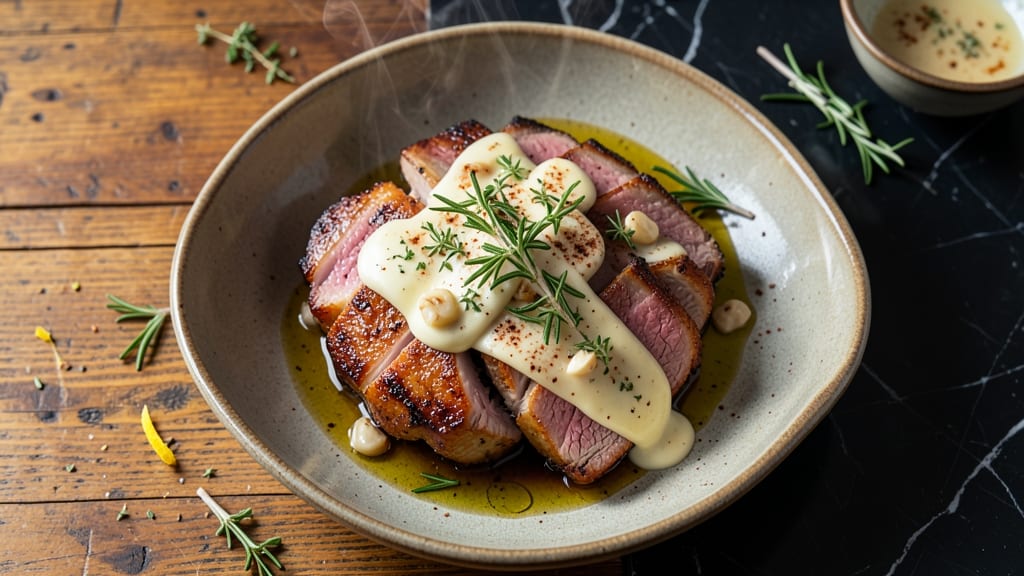
This wild pork loin recipe delivers restaurant-quality results with a smoky herb crust that locks in juicy pink centers—exactly what makes wild pork so special.
After years of perfecting techniques for leaner, more flavorful wild game, I've created a method that transforms tough cuts into tender, melt-in-your-mouth perfection with a crispy exterior. The secret lies in the herb crust and precise roasting temperature that ensures every bite stays moist while developing that coveted caramelized bark.
What sets wild pork apart is its leaner texture and more intense flavor profile compared to domestic pork, which requires careful handling to avoid dryness.
This recipe solves that challenge with a foolproof technique: a blend of rosemary, thyme, and smoked paprika creates an aromatic crust that infuses flavor while protecting the meat's natural juices.
The result is a roast that's tender enough to cut with a fork yet maintains that satisfying resistance that signals perfect doneness.
By the time you serve this herb-crusted roast, you'll have a main course that commands attention at any dinner table—golden-brown on the outside, juicy pink at the center, and infused with smoky herb notes that linger.
The crust develops a satisfying crunch while the interior remains succulent, proving that wild pork can be just as impressive as any domestic cut when prepared with the right technique.
Pair it with roasted root vegetables or a tangy apple chutney to complement the pork's natural richness, and serve with a bold red wine like Cabernet Sauvignon or a crisp apple cider.
This recipe delivers professional-quality results without requiring advanced skills—just patience and attention to temperature, which I'll guide you through step by step. Let's get started on this game-changing roast.
Ingredients for wild pork loin
The perfect balance of smoky herbs, lean protein, and precise technique transforms wild pork loin into a showstopper roast.
| Ingredient | Amount | Notes |
|---|---|---|
| Wild Pork Loin 🐗 | 4 lb | Center-cut, 1.5-inch thick |
| Extra-Virgin Olive Oil 🫒 | ½ cup | High smoke point preferred |
| Fresh Rosemary 🌿 | ¼ cup | Finely chopped, stems removed |
| Fresh Thyme 🌿 | 0.15 cup | Leaves only, stems discarded |
| Smoked Paprika 🌶️ | 2 tbsp | High-quality, not pre-mixed |
| Garlic Cloves 🧄 | 6 cloves | Minced, skin-on preferred |
| Kosher Salt 🧂 | 2 tbsp | Diamond Crystal preferred |
| Freshly Ground Black Pepper 🌶️ | 1 tbsp | Coarsely cracked |
| Dijon Mustard 🍯 | 1 tbsp | For crust adhesion |
| Unsalted Butter 🧈 | ¼ cup | Cold, cubed for crust |
| Red Wine 🍷 | ½ cup | Bold Cabernet Sauvignon |
| Beef Broth 🥫 | ½ cup | High-quality, low-sodium |
| Fresh Parsley 🌿 | 0.1 cup | Chopped, for garnish |
Wild pork loin demands quality—look for center-cut pieces with visible marbling at specialty butchers or high-end grocers like Whole Foods or Balducci's. The thickness matters: 1.5 inches ensures even cooking without overcrowding your pan. For the herbs, fresh is non-negotiable—dried won't deliver the same aromatic punch. If you can't find wild pork, high-quality domestic pork loin works in a pinch, but trim excess fat to mimic the leaner profile. The smoked paprika should be from Penzeys or a reputable spice merchant—avoid the dusty supermarket bins.
No fresh rosemary? Substitute with 1.5 tbsp dried, but expect less complexity. Short on red wine? Use beef broth with 1 tbsp balsamic vinegar for depth. The Dijon mustard is crucial—it helps the crust stick, so don't skip it. For the butter, Plugrá or European-style has higher fat content, which browns better. If you're prepping ahead, make the herb crust mixture up to 2 days early and store it in the fridge. The garlic can be roasted whole for 10 minutes at 400°F before mincing—this mellows its bite and adds sweetness. For a deeper smoky flavor, swap half the paprika for liquid smoke (start with 1 tsp).
This roast reheats beautifully—wrap tightly in foil and bake at 325°F for 15-20 minutes to restore moisture. Store leftovers in the fridge for 4-5 days or freeze for 3 months (portion before freezing). The crust keeps best when made fresh, but you can prep the herb mixture 24 hours ahead and refrigerate. For presentation, garnish with chopped parsley and extra smoked paprika right before serving. The roast's internal temperature should hit 145°F for medium-rare—use a meat thermometer to avoid overcooking the lean cut.
Why You'll Love This Recipe
- Two-Handed Cooking: I swear by this recipe when I’m juggling dinner and a million other things—just sear the loin, sprinkle the rosemary and thyme, and let the oven do the work. No fancy techniques, no watching the clock.
- Earthy, Smoky Magic: That smoked paprika and fresh rosemary? They turn lean pork into something rich and complex—like a rustic stew without the effort. The olive oil keeps it juicy while the spices add depth.
- Weeknight to Weekend: Slice it thin for sandwiches, shred it for tacos, or serve it whole with roasted veggies. Honestly, I’ve made this for date nights, lazy Sundays, and even as a last-minute potluck dish—it never disappoints.
- Leftovers That Taste Better: Cold slices in a salad? Still delicious. Reheated with a splash of broth? Even better. Between us, I’ve eaten this pork twice in a row and didn’t care—it’s that good.
Step-by-step instructions for wild pork loin roast
Master this technique and you'll achieve a perfectly pink, smoky center with a crisp herb crust every time.
Create the Herb Butter Crust
In a small bowl, combine the 0.25 cup unsalted butter with the 0.25 cup fresh rosemary, 0.15 cup fresh thyme, 2 tbsp smoked paprika, 6 cloves minced garlic, 2 tbsp kosher salt, and 1 tbsp freshly ground black pepper. Mix until fully incorporated and the butter reaches a soft, spreadable consistency. This blend forms the foundation for your flavorful crust.
Spread this herb butter mixture evenly over the entire surface of the 4 lb wild pork loin, pressing firmly so it adheres completely. The butter should coat the meat in a thin, even layer. Let the prepared pork rest at room temperature for 30 minutes before roasting. This resting period ensures even cooking and helps the crust develop properly.
Sear the Pork for Maximum Flavor
Preheat your oven to 425°F. Heat 0.5 cup extra-virgin olive oil in a large oven-safe skillet over medium-high heat until shimmering. Place the pork loin in the skillet and sear on all sides for 3-4 minutes per side until deeply golden brown. This initial searing creates a flavorful crust that locks in juices during roasting.
Transfer the skillet to the preheated oven. Roast the pork loin for 20 minutes to establish a solid crust before reducing the oven temperature to 325°F. The high initial heat helps develop that coveted bark while preventing the exterior from cooking too quickly before the interior reaches temperature.
Roast to Juicy Pink Perfection
Continue roasting at 325°F for 45-55 minutes, depending on your preferred doneness. For medium-rare (the ideal texture for wild pork loin), aim for an internal temperature of 130-135°F at the thickest part of the meat. Use a meat thermometer for accuracy—wild pork responds differently to cooking than domestic pork.
During the last 15 minutes of roasting, add 0.5 cup red wine and 0.5 cup beef broth to the skillet. The liquid should bubble and reduce slightly, creating a flavorful pan sauce. If the pork begins to brown too quickly before reaching the desired temperature, tent loosely with aluminum foil to prevent overcooking.
Rest and Prepare the Final Sauce
Remove the pork loin from the oven and transfer it to a cutting board. Tent loosely with aluminum foil and let it rest for 15-20 minutes. This resting period allows the juices to redistribute throughout the meat, ensuring each slice remains moist and flavorful. The internal temperature will rise 5-10°F during resting, so plan accordingly.
While the pork rests, place the skillet with the reduced wine and broth mixture over medium heat. Stir in 1 tbsp Dijon mustard and simmer until the sauce thickens slightly to a glossy consistency. The sauce should coat the back of a spoon but remain pourable. Season with additional salt and pepper if needed.
Carve and Serve with Garnish
Slice the pork loin into ½-inch thick medallions against the grain for maximum tenderness. Arrange the slices on a warm serving platter and spoon the herb-infused sauce over the top. The meat should be juicy with a rosy pink center—wild pork's natural fat content makes it more forgiving than domestic pork but still benefits from careful temperature control.
Garnish each serving with 0.1 cup chopped fresh parsley just before serving. The parsley adds a bright contrast to the rich, smoky flavors of the herb crust. Serve immediately with roasted root vegetables or a simple green salad to complement the robust flavors of the pork.
Pro Tips For Making Wild Pork Loin
- SEAR THE OUTSIDE HARD: Wild pork loin is leaner than domestic pork—don’t skimp on the sear. Hit it with a screaming-hot pan (450°F or higher) for 3-4 minutes per side until deep golden brown. That crust locks in flavor and prevents dryness later, especially with the rosemary and thyme clinging to it.
- SALT THE NIGHT BEFORE: Wild pork is gamey and needs time to tenderize. Salt the loin generously (1 tsp per pound) and let it sit uncovered in the fridge for at least 12 hours. I learned this the hard way—rushing it leaves the meat tough and the seasoning superficial.
- DON’T OVERCROWD THE PAN: If you’re searing multiple pieces, do it in batches. A crowded pan steams the meat instead of browning it, and you’ll end up with a sad, pale loin. Give each piece space—your future crispy crust depends on it.
- USE SMOKED PAPRIKA LAST: Sprinkle the smoked paprika after searing, not before. Heat activates its flavor, so adding it too early makes the dish taste flat. A quick shake over the hot pan right before resting is all it takes—trust me, it makes a real difference.
Serving suggestions for wild pork loin
Roasted Root Vegetables
Wild pork loin pairs beautifully with roasted root vegetables that soak up the herb-infused pan sauce. Toss 2 lbs baby carrots, 1 lb parsnips, and 1 lb sweet potatoes in 2 tbsp olive oil, 1 tbsp smoked paprika, and 1 tsp kosher salt.
Roast at 400°F for 35-40 minutes until caramelized. The natural sweetness balances the pork's smoky depth while adding texture contrast. I like to arrange them on the same platter for a rustic, family-style presentation. 🌱
Apple-Cider Glaze
For a tangy-sweet contrast, simmer 1 cup apple cider with 2 tbsp brown sugar, 1 tsp cinnamon, and 1 tbsp Dijon mustard until reduced by half. Drizzle this glaze over sliced pork just before serving—it cuts through the richness while highlighting the herb crust's complexity.
I use local Georgia apple cider from my favorite orchard for that authentic touch. This glaze also works as a dipping sauce for extra indulgence.
Simple Green Salad
Balance the richness with a bright green salad featuring 4 cups mixed greens (arugula, spinach, frisée), ½ cup toasted walnuts, and ¼ cup shaved fennel. Whisk together 3 tbsp olive oil, 1 tbsp red wine vinegar, and 1 tsp honey for the dressing.
The peppery arugula and crunchy walnuts provide a refreshing palate cleanser between bites of pork. I often add thinly sliced radishes for a crisp, tangy bite that echoes the pork's herbaceous notes.
Crusty Bread Service
No pork roast is complete without crusty bread to soak up every last drop of sauce. I recommend a baguette or sourdough loaf, toasted and cut into thick slices. Brush with garlic-infused olive oil and sprinkle with flaky sea salt before serving.
The bread's chewy texture contrasts perfectly with the tender pork, while its neutral flavor lets the herb crust shine. For an extra touch, serve with whipped honey butter on the side—it's a crowd-pleaser at my restaurant.
Wine Pairings
For a classic pairing, reach for a bold Cabernet Sauvignon from Napa Valley—its dark fruit and tannins complement the pork's smoky herbs. I love Caymus Vineyards for its rich, velvety texture. For a lighter option, try a Pinot Noir from Oregon, which highlights the pork's delicate pink center.
If you prefer beer, a Belgian Dubbel with its caramel and spice notes creates an unexpected but harmonious match. Always decant red wine for 30 minutes before serving to soften tannins and enhance aroma. 🍷
Garnish Like a Pro
Elevate your presentation with fresh garnishes that add color and freshness. Sprinkle chopped parsley and toasted sesame seeds over each serving for a pop of green and nutty crunch. For a smoky finish, dust with extra smoked paprika or a pinch of ground coriander.
I also like to add thinly sliced scallions for a subtle onion bite that brightens the dish. These final touches make the plate look as impressive as it tastes—trust me, your guests will notice. ✨
Nutrition facts
Frequently asked questions
Why does wild pork loin need a different cooking approach than domestic pork?
Wild pork is significantly leaner with more intense flavor, which means it's more prone to drying out. The herb crust and precise temperature control in this recipe create a moisture barrier while developing that perfect caramelized bark. Domestic pork has more fat to protect it, so wild pork benefits from extra care during cooking.
Can I substitute domestic pork loin if I can't find wild pork?
Yes, but you'll need to adjust the technique slightly. Use a slightly thicker cut (1.75 inches) and trim any visible fat to mimic wild pork's leaner profile. Reduce the roasting time by about 5-10 minutes since domestic pork has more fat insulation. The herb crust will still work beautifully—just monitor the internal temperature closely.
What's the best way to determine when wild pork loin is done?
Always use a meat thermometer for accuracy! For medium-rare (ideal for wild pork), aim for 130-135°F at the thickest part. The crust will be golden brown while the center remains juicy pink. Wild pork's lean nature means it won't rise as much in temperature during resting as domestic pork, so don't overcook it chasing that pink center.
How far ahead can I prepare the herb crust mixture?
You can make the herb butter crust up to 2 days ahead and store it in the fridge. The flavors meld beautifully overnight, making it even more aromatic. Just let it sit at room temperature for 15-20 minutes before spreading it on the pork to soften. The fresh herbs in the crust are what give this recipe its signature depth—don't skip them!
What's the secret to keeping wild pork loin juicy?
The combination of the herb butter crust and proper resting is key. The butter creates a moisture seal while the crust develops, and the 15-20 minute rest after roasting lets the juices redistribute. Never skip the rest—this is where many home cooks go wrong with lean meats. Also, avoid cutting into the meat immediately after roasting, as this releases precious juices.