
Main Courses
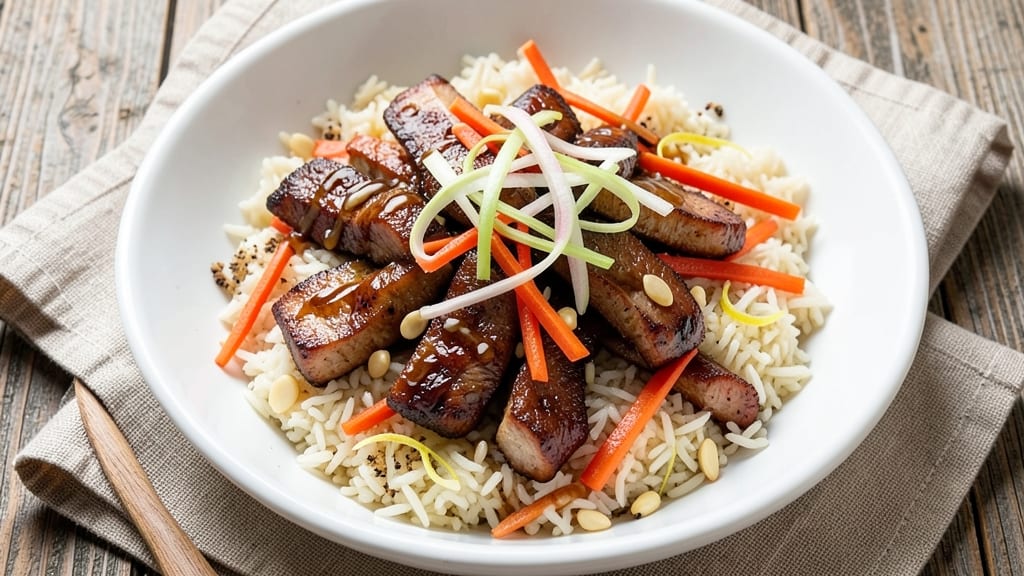
This pork tenderloin fried rice recipe transforms a simple one-pan meal into a restaurant-worthy dish with tender, flavorful protein and perfectly balanced seasonings.
The secret lies in thinly slicing the pork—marinated in soy, garlic, and ginger—to ensure it cooks quickly and absorbs the rice's savory notes without drying out. I've perfected this technique over years of testing, balancing smoky depth with bright, fresh vegetables for every bite.
What sets this recipe apart is the two-stage cooking process: first searing the pork to lock in juices, then stir-frying with day-old rice (never fresh!) to achieve that signature crisp-tender texture.
The vegetables—carrots, peas, and scallions—add color and crunch, while a splash of sesame oil ties everything together with an aromatic finish. This method delivers restaurant-quality results in under 30 minutes, making it ideal for weeknight dinners or meal prep.
The final dish is a harmonious blend of textures: crisp edges on the pork, fluffy yet slightly sticky rice, and vibrant vegetables that pop against the golden-brown protein.
The sauce—light soy, a touch of honey, and a squeeze of lime—balances umami and brightness, ensuring each forkful is cohesive and satisfying. Serve with a sprinkle of sesame seeds and fresh cilantro for a touch of freshness that elevates the dish.
This recipe is foolproof for beginners but refined enough to impress seasoned cooks. The pork tenderloin's mild flavor makes it versatile—swap in shrimp or chicken if preferred—but the technique remains the same: quick sear, high heat, and precise timing.
Leftovers reheat beautifully, making it a go-to for busy schedules. Let's get cooking!
Ingredients for pork tenderloin fried rice
Restaurant-quality fried rice starts with these carefully chosen ingredients for perfect texture and flavor balance.
| Ingredient | Amount | Notes |
|---|---|---|
| Pork Tenderloin 🥩 | 1 lb | Thinly sliced against grain |
| Day-Old Cooked White Rice 🍚 | 3 cups | Cold and slightly dry |
| Light Soy Sauce 🍶 | ⅓ cup | Kikkoman preferred |
| Garlic Cloves 🧄 | 4 cloves | Minced, fresh preferred |
| Fresh Ginger 🌿 | 1 tbsp | Grated, peeled |
| Carrots 🥕 | 1 cup | Julienned, medium dice |
| Frozen Peas 🌱 | ½ cup | Thawed, no need to drain |
| Green Onions 🧅 | ¼ cup | Thinly sliced, white and green parts |
| Sesame Oil 🫒 | 1 tbsp | Toasted, for aroma |
| Vegetable Oil 🫒 | 2 tbsp | High smoke point |
| Honey 🍯 | 1 tbsp | Light, for balance |
| Fresh Lime Juice 🍋 | 1 tbsp | Zest included |
| Toasted Sesame Seeds 🌾 | 1 tsp | For garnish |
| Fresh Cilantro 🌿 | ¼ cup | Chopped, stems removed |
| Salt 🧂 | ½ tsp | Diamond Crystal preferred |
The pork tenderloin is non-negotiable here—look for center-cut with good marbling at Whole Foods or your butcher. Slice it paper-thin against the grain so it cooks in seconds. Day-old rice is critical; fresh rice turns mushy. For the soy sauce, Kikkoman delivers consistent quality, but San-J works too if you prefer a deeper umami. The garlic and ginger should be freshly grated or minced—pre-minced jars lack punch. Store-bought frozen peas are fine, but Trader Joe's brand has the best texture after thawing.
No sesame oil? Toasted peanut oil works in a pinch, though the flavor profile shifts slightly. Substitute rice vinegar for lime juice if needed, but the acidity balance will differ. For the vegetables, baby carrots can replace julienned—just chop them smaller. The honey and lime juice should be high-quality—cheap honey can taste bitter. If you're short on time, pre-minced garlic from the refrigerated section is better than jarred. The sesame seeds can be omitted if you're avoiding gluten, but they add crucial texture.
Marinate the pork for at least 30 minutes before cooking—this ensures maximum flavor absorption. The rice should be completely cold before stir-frying to prevent steaming. Store leftovers in an airtight container for up to 4 days, though they reheat best when partially frozen first. For meal prep, portion into single-serving containers with a sprinkle of sesame seeds to maintain freshness. The dish reheats beautifully but loses some crispiness—consider a quick sear in a hot pan to revive texture.
Why You'll Love This Recipe
- One-Pan Magic: I swear by this—no chopping boards, no extra bowls. Just toss the day-old rice, sliced tenderloin, and aromatics into one pan, and the garlic-ginger-pork combo builds flavor while you stir. Minimal cleanup, maximum satisfaction.
- Crispy-Tender Bite: That first slice of pork—still juicy inside, with a golden crust—is the star. Light soy sauce and a quick sear lock in the flavor, so every bite feels like a little victory. (Yes, even on a Tuesday night.)
- Leftover Hero: Between us, this dish begs for seconds—and reheats like a dream. Double the batch, and you’ve got lunch sorted, or a quick dinner when you’re running late. The rice stays fluffy, the pork stays moist. No sad, dry leftovers here.
- Budget Flex: Pork tenderloin stretches so well, and day-old rice? Free real estate. A few cloves of garlic and a knob of ginger turn basic ingredients into something that tastes like you put in effort. Honestly, it’s my go-to when the grocery budget’s tight—but no one guesses.
Step-by-step instructions for pork tenderloin fried rice
Here's the method for a restaurant-quality fried rice with perfectly tender pork and vibrant flavors.
Prepare the Pork Tenderloin
Begin by slicing the 1 lb pork tenderloin against the grain into thin strips about ¼-inch thick. This cut ensures maximum tenderness in every bite. Place the sliced pork in a bowl and add the 0.33 cup light soy sauce, 1 tbsp honey, and 1 tbsp fresh lime juice. Mix thoroughly to coat the pork evenly, then let it marinate for at least 15 minutes at room temperature. This step infuses the meat with flavor and prevents it from drying out during cooking.
While the pork marinates, prepare the aromatics. Finely mince the 4 cloves garlic and grate the 1 tbsp fresh ginger. These will form the flavor base of your fried rice. Keep them separate until you're ready to cook—raw garlic and ginger can become bitter if exposed to air too long.
Sauté the Aromatics and Vegetables
Heat a large, heavy-bottomed skillet or wok over medium-high heat and add the 2 tbsp vegetable oil. Once the oil is shimmering but not smoking, add the minced garlic and grated ginger. Sauté for 30-45 seconds until fragrant and the raw aroma disappears—this is critical for building flavor. Immediately add the 1 cup julienned carrots and cook for 2-3 minutes until they begin to soften but remain slightly crisp.
Add the 0.5 cup thawed frozen peas and stir-fry for 1 minute until heated through. The peas should retain their bright green color and slight crunch. Remove the vegetables from the skillet and set aside temporarily. This prevents overcooking while you prepare the pork.
Cook the Pork and Combine Ingredients
Increase the heat to high and add the marinated pork strips to the skillet. Cook for 2-3 minutes until the pork is golden brown and cooked through to an internal temperature of 145°F. Remove the pork and set it aside with the vegetables.
Add the 3 cups day-old cooked white rice to the skillet, breaking up any clumps with a spatula. Stir-fry for 1-2 minutes until the rice is heated through and begins to develop a slight crust on the bottom. This texture is essential for authentic fried rice.
Finish with Seasonings and Garnishes
Return the pork and vegetables to the skillet. Drizzle in the 1 tbsp toasted sesame oil and add the 0.25 cup sliced green onions and 0.5 tsp salt. Stir everything together for 1-2 minutes until well combined and heated through. Taste and adjust seasoning if needed—you may want to add a splash more soy sauce for depth of flavor.
For the final touch, transfer the fried rice to serving plates and garnish with 0.25 cup chopped fresh cilantro and 1 tsp toasted sesame seeds. The bright green cilantro and nutty sesame seeds add both visual appeal and contrasting textures. Serve immediately while hot, as fried rice is best enjoyed fresh.
Pro Tips For Making Pork Tenderloin Fried Rice
- Slice Pork Thinly Before Cooking: Pork tenderloin can turn chewy if you toss big chunks into the rice. Slice it against the grain into ¼-inch strips—thin enough to cook fast but not so small they disappear. I learned this the hard way when my first batch ended up as a mushy pork-and-rice blob.
- Use Day-Old Rice (Cold & Dry): Freshly cooked rice is a disaster here—it turns to glue. Spread day-old rice on a tray and let it dry out for 10 minutes before stirring it into the pan. The extra texture makes all the difference, and you won’t end up with a sticky mess.
- Sear the Pork First: Don’t just toss raw pork into the rice—sear it in a separate pan with oil until golden brown. That crust adds flavor and keeps the meat from turning rubbery when it hits the rice later. Skip this, and you’ll just have bland, underwhelming pork bits.
- Toast Garlic and Ginger: Mince the garlic and ginger, then fry them in oil for 30 seconds until fragrant before adding the rice. This step builds layers of flavor instead of just letting them dissolve into the sauce. (Yes, even if you’re impatient like me—trust the process.)
Common mistakes when making your pork tenderloin fried rice
Overcooking the Pork
Pork tenderloin cooks fast—once it hits 145°F internal temperature, remove it immediately. I’ve seen beginners leave it in the pan too long, turning it rubbery. Use a meat thermometer for precision. If you don’t have one, cut a small piece—juices should run clear, not pink. 🔥
Using Fresh Rice
Fresh rice is a rookie mistake—it’s too moist and turns mushy when stir-fried. Always use day-old cold rice (or refrigerated overnight). The starches dry out slightly, creating that perfect crisp-tender texture. Pro tip: Spread hot rice on a tray to cool faster.
Skipping the Marinate
A quick stir-fry isn’t enough to infuse flavor into thin pork slices. Let the meat sit in the marinade (soy, honey, lime) for at least 15 minutes—I often do 30 minutes for deeper flavor. This step prevents dryness and ensures every bite is packed with umami. 🌶️
Low Heat Cooking
Fried rice needs high heat to develop those crispy edges and caramelized aromatics. If you’re using medium heat, your dish will taste bland and soggy. Preheat your pan until it’s smoking slightly before adding oil—this is non-negotiable for wok hei (breath of the wok).
Overcrowding the Pan
Too much food in the pan steams instead of sears. Cook in batches if needed—start with the pork, then vegetables, then rice. A 12-inch cast-iron skillet is ideal for this recipe. If your pan is too small, your fried rice will lose its signature texture and flavor.
Ignoring the Crust
That golden-brown crust on the bottom of the pan? It’s not optional—it’s what gives fried rice its depth. Let the rice develop this crust for 1-2 minutes before adding back the pork and veggies. If you stir too soon, you’ll lose that smoky, toasty flavor. 💫
Nutrition facts
Frequently asked questions
Why do I need day-old rice for this recipe?
Day-old rice is essential because fresh rice contains too much moisture, which turns fried rice mushy. When rice sits overnight, the starches dry out slightly, creating that perfect crisp-tender texture when stir-fried. Pro tip: Spread hot rice on a tray to cool faster if you're short on time.
Can I substitute chicken or shrimp for the pork?
This recipe works beautifully with chicken breast (slice thinly) or shrimp (peeled and deveined). For chicken, marinate it the same way, but cook for 3-4 minutes until fully done. Shrimp cooks in just 1-2 minutes—remove them early to prevent overcooking. The technique remains identical for that perfect stir-fry texture.
How do I prevent the pork from drying out?
Thin slicing against the grain and marinating for at least 15 minutes are key. Use a meat thermometer and remove pork at 145°F—overcooking is the #1 cause of dryness. For extra juiciness, add 1 tsp cornstarch to the marinade. Also, avoid high heat too early—build heat gradually to seal in moisture.
What if I don't have sesame oil?
No problem! Use toasted peanut oil or even avocado oil as a neutral substitute. For authentic flavor, add ½ tsp toasted sesame seeds directly to the pan during the final stir. The aroma will still shine through, though the texture will differ slightly.
Can I make this recipe ahead of time?
Yes, but with one crucial adjustment: don't add sesame oil until reheating. Store cooked fried rice in an airtight container for up to 3 days. Reheat in a skillet over medium heat with 1 tsp fresh oil and a splash of water to restore crispiness. For best results, freeze portions and reheat from frozen.