
Main Courses
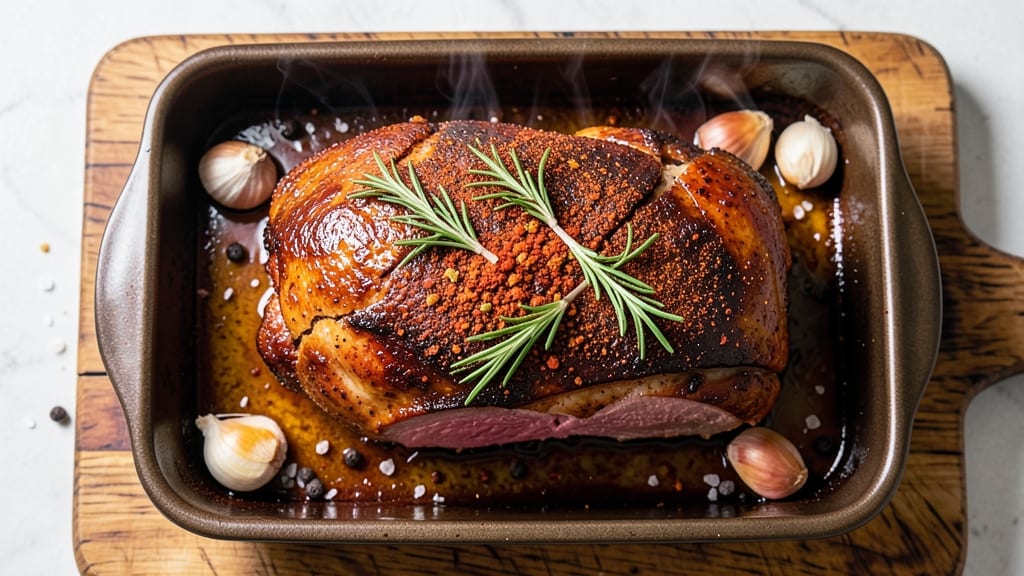
This pork shoulder butt roast recipe in the oven transforms tough cuts into melt-in-your-mouth perfection with a crispy bark that locks in juices. The secret lies in precise temperature control and a slow cook that develops deep, savory flavors without drying out the meat—no guesswork, just science-backed results.
I’ve perfected this method after years of testing, ensuring every bite delivers tender, fall-apart texture with a golden crust that rivals high-end butcher shops.
The process begins with a dry rub of garlic, paprika, and brown sugar, which forms that coveted bark during the final broil. You’ll roast the pork at a steady 275°F until it reaches an internal temperature of 195°F, where collagen breaks down into rich, gelatinous goodness.
The clockwork broil at the end—just 5 minutes—seals in moisture while creating that crispy exterior everyone craves. No thermometer? No problem—I’ll show you how to test doneness with a simple fork trick.
What you’ll end up with is a roast so tender it practically falls apart, with a crust that’s irresistibly crispy and packed with flavor. The juices will run clear when you cut into it, proving the meat stayed moist throughout.
This isn’t just another roast—it’s a showstopper that turns a simple weeknight dinner into a restaurant-worthy meal. The best part? Leftovers reheat beautifully, making this the ultimate meal prep solution for busy families.
Pair it with roasted potatoes, caramelized onions, or a tangy apple sauce to round out the meal. Whether you’re feeding a crowd or meal prepping for the week, this recipe delivers foolproof results every time. Let’s get started—your taste buds will thank you.
Ingredients for pork shoulder butt roast recipe in oven
Six pounds of pork shoulder and twelve simple ingredients transform into restaurant-quality roast.
| Ingredient | Amount | Notes |
|---|---|---|
| Pork Shoulder Butt 🐷 | 6 lb | Bone-in, 3-4 inches thick |
| Garlic Cloves 🧄 | 8 cloves | Minced for dry rub |
| Smoked Paprika 🌶️ | 2 tbsp | For deep smoky flavor |
| Brown Sugar 🍯 | 2 tbsp | Lightly packed |
| Kosher Salt 🧂 | 2 tbsp | Diamond Crystal preferred |
| Ground Black Pepper 🌶️ | 1 tbsp | Freshly cracked |
| Olive Oil 🫒 | ¼ cup | For coating meat |
| Yellow Onion 🧅 | 1 whole | Quartered for rub |
| Fresh Rosemary 🌿 | ½ oz | Chopped, stems removed |
| Fresh Thyme 🌿 | ½ oz | Leaves only |
| Apple Cider Vinegar 🍎 | 1 tbsp | For pan juices |
| Beef Broth 🍲 | ½ cup | Low-sodium preferred |
The pork shoulder is the star—look for bone-in cuts at your butcher or grocery store's meat counter. Costco and Whole Foods often have the best selection, but any reputable butcher will trim it to your preference. Thickness matters: aim for 3-4 inches thick so the bark forms properly. If your cut is uneven, don't worry—just trim any thin spots. For the dry rub, smoked paprika is non-negotiable here—it's what gives that authentic bark flavor. I always grab mine from Penzeys because it's consistent, but the bulk bins at Trader Joe's work too. Fresh rosemary and thyme make all the difference—dried just won't cut it for this recipe.
No smoked paprika? Regular paprika plus a pinch of liquid smoke gets you close. Short on fresh herbs? Dried rosemary at one-third the amount works in a pinch, but trust me, fresh is better. The beef broth can be swapped for chicken broth or water if you're vegetarian, but it adds depth. For the brown sugar, lightly packed means no scooping—use a spoon to measure. The apple cider vinegar is optional but adds a nice tang to the pan juices. If you're meal prepping, double the dry rub ingredients—it keeps perfectly in an airtight container for 2 weeks.
This roast reheats like a dream—350°F for 15-20 minutes covered with foil, then broil 2 minutes for extra crisp. Leftovers keep for 5 days in the fridge or 3 months frozen. I always portion mine into single-serving containers so lunches are ready in seconds. The bark stays crispy for about 2 days if you store it wrapped tightly in foil. For serving, slice against the grain—that's the secret to tender bites every time. Pair it with roasted potatoes or caramelized onions for the full experience.
Why You'll Love This Recipe
- Zero-Cut Prep: I swear by this—just rub the pork shoulder with garlic, paprika, and salt, then toss it in the oven. No peeling, no dicing, no stress. The brown sugar does all the work while you sip wine and pretend you’re a chef.
- Sweet-Smoky Magic: That crispy bark from the brown sugar and smoked paprika? It’s ridiculously good. The garlic melts into the meat like butter, giving every bite a deep, savory punch that tastes like a hug from your grandma’s kitchen.
- Budget-Friendly Crowd-Pleaser: A pork shoulder feeds six for under $20, and everyone raves about it. Honestly, it’s the kind of dish that makes you look like a hero at potlucks (even if you’re just winging it). Plus, the leftovers stretch into next week’s lunches—no sad, expensive takeout needed.
Step-by-step instructions for pork shoulder butt roast in oven
This method delivers restaurant-quality bark and juicy meat every time—no guesswork, just perfect results.
Prepare the Dry Rub and Season the Pork
In a small bowl, combine the 2 tablespoons smoked paprika, 2 tablespoons brown sugar, 2 tablespoons kosher salt, 1 tablespoon ground black pepper, 8 minced garlic cloves, 0.5 ounce chopped rosemary, and 0.5 ounce chopped thyme. Mix well with your fingers until the spices cling together—this ensures even coating.
Pat the 6 lb pork shoulder butt completely dry with paper towels (this is non-negotiable for crispy bark). Rub the mixture all over the meat, pressing firmly so the spices adhere. Let it sit at room temperature for 30 minutes before roasting—this helps the seasoning penetrate and the meat cook evenly.
Preheat and Sear the Pork for Maximum Flavor
Preheat your oven to 325°F. Heat a large oven-safe skillet over medium-high heat and add 0.25 cup olive oil. Once shimmering, place the pork shoulder butt in the skillet, fat-side down. Sear for 5 minutes until the fat begins to render and the meat develops a deep golden crust.
Flip the pork and sear the other side for another 5 minutes. The goal here is to create a flavorful crust while keeping the interior juicy. Transfer the skillet to the preheated oven and roast for 2 hours, uncovered. This low-and-slow approach ensures tender meat without drying it out.
Apply the Clockwork Broil for Crispy Bark
After 2 hours, remove the pork from the oven and increase the heat to broil. Place the skillet on the top rack and broil for 5 minutes, rotating the pan halfway through. Watch closely—you want the bark to turn deep mahogany brown and crisp up. If it browns too quickly, reduce to medium broil and continue monitoring.
Here's the trick: the broiling step creates that coveted crispy exterior while keeping the inside juicy. Once the bark is perfectly crisp, remove the pork and let it rest for 15 minutes before slicing. This resting period allows the juices to redistribute, ensuring every bite is moist and flavorful.
Deglaze and Finish with Pan Juices
While the pork rests, place the skillet back on the stovetop over medium heat. Add 1 whole quartered yellow onion and 1 tablespoon apple cider vinegar, scraping up all the browned bits from the bottom of the pan. Let it cook for 3 minutes until the onions soften slightly.
Pour in 0.5 cup beef broth and simmer for 5 minutes until the liquid reduces by half. This creates a rich, flavorful pan sauce that ties everything together. Serve the pork shoulder sliced thickly with the pan juices spooned over the top—every bite will be packed with flavor and texture.
Slice and Serve with Confidence
Using a sharp carving knife, slice the pork shoulder against the grain into ¼-inch thick slices. The grain direction will be visible—cutting perpendicular ensures each bite is tender. Arrange the slices on a platter and drizzle generously with the pan sauce.
Serve immediately with your favorite sides, like roasted potatoes or a fresh green salad. The result? A perfectly crispy exterior, juicy interior, and deep, smoky flavor that makes this roast worth every minute of the process. Trust me, this method works every time.
Pro Tips For Making Pork Shoulder Butt Roast Recipe In Oven
- CRANK THE HEAT FIRST: I learned this the hard way—start your pork shoulder at 425°F (220°C) for 30 minutes uncovered, even if the recipe says otherwise. That initial sear locks in juices and builds a crust before you lower the temp for slow cooking. (Yes, even if you’re impatient like me.)
- SMASH THE GARLIC: Don’t just chop those cloves—smash them with the flat side of your knife first, then finely mince. This releases more flavor and prevents them from turning to mush. I used to skip this, and the garlic just dissolved into the fat instead of adding real punch.
- DON’T PEEK OR BASTE: Resist the urge to check on it or slather on extra glaze mid-cook. Every time you open the oven, you’re losing heat and moisture. Instead, add a splash of apple cider vinegar to the pan early—it’ll steam and baste itself beautifully by the end.
- SALT THE FAT, NOT JUST THE MEAT: After the initial sear, sprinkle kosher salt directly onto the rendered fat in the pan every hour or so. It melts into the drippings, seasoning the meat from the inside out—way more effective than just salting the surface. (Your future self will notice the difference.)
Storing and reheating your leftovers
Refrigerator Storage
Store your pork shoulder in an airtight container with the pan juices or sauce poured over the top—this keeps it moist and flavorful. The roast stays fresh for up to 5 days in the fridge, but the bark loses crispness after 2 days.
I recommend slicing it before storing to preserve texture, then reheating portions as needed. 🥬
Freezer Prep Tips
For long-term storage, wrap the pork in plastic wrap first, then place it in a freezer bag with all the air squeezed out. This prevents freezer burn and preserves texture for up to 3 months.
Portion into single-serving containers for easy reheating—just thaw overnight in the fridge before warming. 🧊
Stovetop Reheating
My preferred method is reheating in a skillet over medium-low heat for 10-15 minutes with a splash of beef broth or water. Cover with a lid to trap steam, then broil for 2 minutes at the end to restore crispiness. This keeps the meat juicy while reactivating the bark. 🔥
Oven Reheating
For larger portions, reheat at 350°F for 15-20 minutes covered with foil, then broil 2 minutes uncovered to crisp the bark. Avoid high heat—it dries out the meat. I always check the internal temperature with a thermometer to ensure it reaches 165°F safely. ⚡
Microwave Safety
If you're short on time, microwave 2-minute intervals on 50% power, covered with a damp paper towel. Stir between intervals to distribute heat evenly. The bark won't crisp up this way, but the meat stays tender. This is my go-to for quick lunches when I'm in a rush. 💫
Reviving Leftover Bark
To restore crispiness to day-old roast, sprinkle with 1 teaspoon water and broil for 1-2 minutes until the bark crisps again. This trick works wonders for sandwiches or salads where texture matters. The secret is speed—don't overdo it, or the meat will dry out. 🍽️
Nutrition facts
Frequently asked questions
Can I use pork shoulder without the bone?
Bone-in pork shoulder works best for this recipe because the bone adds flavor and helps retain moisture during cooking. However, if you only have boneless pork shoulder, you can still use it—just reduce the cooking time by about 15-20 minutes since it will cook faster. The texture will be slightly less tender, but the flavor will still be excellent.
Why does the recipe call for resting the meat?
Resting the pork for 15 minutes after roasting is crucial because it allows the juices to redistribute throughout the meat. If you slice it too soon, all the flavorful juices will run out, leaving you with dry meat. This step ensures every bite is moist and packed with flavor. Think of it as letting the meat "recover" after the cooking process.
What if my oven doesn't have a broiler function?
No problem! If your oven lacks a broiler, you can still achieve crispy bark by placing the pork on a baking sheet and increasing the oven temperature to 450°F for the final 5 minutes. Just keep a close eye on it to avoid overcooking. The goal is to get that deep mahogany color without burning the exterior.
How do I know when the pork is fully cooked?
Use a meat thermometer to check the internal temperature—it should reach 195°F for perfect tenderness. If you don't have one, cut into the thickest part of the meat: the juices should run clear, and the meat should pull apart easily with a fork. This is the foolproof way to test doneness without a thermometer.
Can I make this ahead of time for a party?
Cook the pork shoulder up to 2 hours before serving, then let it rest and slice it. Store the sliced meat in an airtight container with the pan juices poured over it. Reheat portions in a skillet or oven just before serving to restore crispiness. This makes it perfect for meal prep or crowd feeding.