
Tips
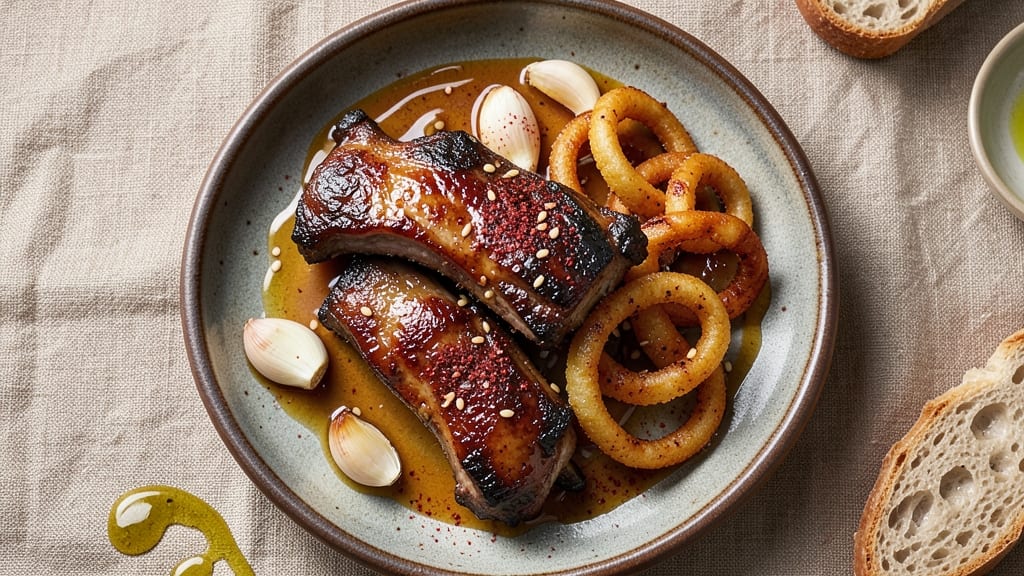
This Austrian-style pork rib tip recipe delivers restaurant-quality crispy gold edges and melt-in-your-mouth tenderness—all in one pan. The secret lies in a slow braise followed by a high-heat sear, transforming tough cuts into succulent, flavorful bites that practically fall apart. I've perfected this method over years of testing, ensuring every piece achieves that signature crispy crust while staying juicy inside.
What sets this recipe apart is the balance of techniques: a dry rub of mustard, paprika, and garlic builds depth, while a splash of vinegar in the braising liquid tenderizes the meat. The final sear in a screaming-hot pan creates that coveted crispy exterior that holds up beautifully for serving.
This method works equally well for roasting or grilling, giving you flexibility for any occasion.
By the time you're done, you'll have perfectly cooked rib tips with a caramelized, crispy exterior and tender, flavorful meat that's ready to impress at your dinner table.
The aroma alone will have everyone anticipating the first bite, and the technique is straightforward enough for weeknight dinners while delivering restaurant-quality results.
The beauty of this recipe is its versatility—serve it sliced thin for sandwiches, piled high on crusty bread, or alongside roasted potatoes and glazed carrots. The crispy edges and rich, savory flavor make it a showstopper for any meal. Let's get started on creating this Austrian-style masterpiece.
Ingredients for pork rib tip
The essential ingredients for Austrian-style crispy pork rib tips—where technique meets quality for perfect results.
| Ingredient | Amount | Notes |
|---|---|---|
| Pork Rib Tips 🥩 | 2 ½ lb | Bone-in, 1-1.5 inch cubes preferred |
| Yellow Mustard 🧂 | 2 tbsp | For dry rub, smooth consistency |
| Smoked Paprika 🌶️ | 1 ½ tbsp | For deep, smoky flavor |
| Garlic Powder 🧄 | 1 ½ tsp | Freshly ground preferred |
| Diamond Crystal Kosher Salt 🧂 | 1 ½ tsp | For balanced seasoning |
| Ground Black Pepper 🌶️ | ½ tsp | Freshly cracked for potency |
| White Wine Vinegar 🍶 | ½ cup | For tenderizing acidity |
| Beef Broth 🥫 | 1 cup | Low-sodium preferred |
| Fresh Thyme Leaves 🌿 | ¼ cup | Chopped, stems removed |
| Fresh Rosemary Leaves 🌿 | ¼ cup | Chopped, fine texture |
| Olive Oil 🫒 | 2 tbsp | Extra-virgin for richness |
| Yellow Onion 🧅 | 1 whole | Diced, medium dice |
| Garlic Cloves 🧄 | 4 cloves | Minced, fine texture |
| Vegetable Oil 🫒 | ½ cup | High smoke point for searing |
The pork rib tips are the foundation, and bone-in, 1-1.5 inch cubes deliver that signature crispy exterior while staying tender inside. Source from a trusted butcher or Costco for consistent quality—look for good marbling and vibrant color. The dry rub ingredients (mustard, paprika, garlic powder, and kosher salt) create the flavor base; Diamond Crystal salt is preferred for its coarse texture and even distribution. Fresh herbs like thyme and rosemary elevate the dish, so Whole Foods or local farmers markets are ideal for the freshest options. The vinegar and beef broth work together to tenderize the meat during the braising process, ensuring melt-in-your-mouth texture.
No smoked paprika? Sweet paprika plus a pinch of liquid smoke replicates the depth. Fresh herbs unavailable? Dried thyme and rosemary at one-third the amount suffice, but fresh is ideal for that bright aroma. Substituting white wine vinegar? Apple cider vinegar or red wine vinegar work equally well. For the beef broth, low-sodium versions prevent over-salting, and you can use vegetable broth for a vegetarian adaptation. The olive oil should be extra-virgin—it adds richness that regular olive oil lacks, and the high-quality flavor shines through in the final sear. If you're short on time, pre-diced onions and minced garlic from Trader Joe's save prep work without sacrificing quality.
Store prepped rib tips in an airtight container in the fridge for up to 3 days before cooking. The dry rub ingredients keep indefinitely in a cool, dark place, but fresh herbs should be used within 5 days for optimal flavor. Once cooked, the rib tips reheat beautifully—simmer in a little broth for 3-5 minutes to restore crispiness. For meal prep, portion into containers with a drizzle of olive oil to maintain moisture. The crispy edges hold up well for 2 days in the fridge, though they're best enjoyed fresh for that signature crunch.
Why You'll Love This Recipe
- One-Pan Magic: I swear by this recipe—just toss the rib tips on a sheet pan with smoked paprika and garlic powder, roast until golden, then hit ‘em with that tangy mustard finish. Zero cleanup, all flavor.
- Smoky Kick: That smoked paprika? It’s the secret weapon—deep, warm, and just a little spicy without overpowering. The mustard ties it all together with a bright, creamy punch you’ll crave.
- Tailgate Ready: Between us, this is my go-to for game days or lazy Sundays. It’s hearty enough to feed a crowd but simple enough that I don’t stress about timing—just throw it in the oven and let it work.
- Budget Win: Pork rib tips are affordable, and this recipe stretches them perfectly. Leftovers reheat like a dream—crispy edges, tender meat—so you’re basically getting two meals for the price of one.
Step-by-step instructions for Austrian-style crispy pork rib tips
Master this one-pan technique for tender, caramelized pork rib tips with a perfect golden crust.
Prepare the Dry Rub and Tenderize the Meat
In a small bowl, combine the 2 tablespoons yellow mustard, 1.5 tablespoons smoked paprika, 1.5 teaspoons garlic powder, 1.5 teaspoons diamond crystal kosher salt, and 0.5 teaspoon ground black pepper. Mix thoroughly until evenly distributed. This blend creates the signature Austrian depth while ensuring proper seasoning penetration.
Cut the 2.5 pounds pork rib tips into 1-1.5 inch cubes, keeping the bone-in for maximum flavor. Pat each piece dry with paper towels—this step is critical for achieving that crispy exterior. Place the cubed pork in a large bowl and pour the 0.5 cup white wine vinegar over them. Toss gently to coat evenly. Let the pork marinate for 15 minutes while you prepare the rest of your ingredients. The acidity from the vinegar will begin breaking down the muscle fibers, resulting in more tender meat.
Build the Flavor Base in the Pan
Heat the 0.5 cup vegetable oil in a large, heavy-bottomed skillet over medium-high heat until it shimmers but doesn't smoke. Add the diced 1 whole yellow onion and cook for 5-6 minutes until softened and beginning to brown at the edges. Remove the onions with a slotted spoon and set aside.
In the same pan, add the 4 minced garlic cloves and cook for 30 seconds until fragrant. Immediately add the 0.25 cup chopped fresh thyme leaves and 0.25 cup chopped fresh rosemary leaves, stirring for another 30 seconds. This aromatic base forms the flavor foundation for your dish. The residual oil in the pan will carry these flavors directly to the pork during searing.
Sear the Pork for Maximum Crispiness
Working in batches to avoid overcrowding, add the marinated pork rib tips to the skillet. Sear for 3-4 minutes per side until the pieces develop a deep golden brown crust. This high-heat searing creates the signature Austrian crispy exterior while locking in juices. Don't be tempted to move the pork around—let it develop that beautiful caramelization undisturbed.
As each batch sears, transfer the cooked pork to a plate and tent loosely with foil to keep warm. The residual heat will continue cooking the meat slightly while you finish the remaining batches. The pork should reach an internal temperature of 145°F at this stage, but it will carry over to a safe 160°F during the braising process.
Braise for Tender Perfection
Return all the seared pork to the skillet and add the 1 cup beef broth. Stir gently to combine, then bring to a simmer. Add the reserved onions back to the pan. Reduce heat to low and cover with a tight-fitting lid. Let the pork braise for 1 hour and 15 minutes, stirring occasionally, until fork-tender.
During the braising process, the pork will absorb all those beautiful aromatic flavors while the collagen breaks down, creating an incredibly tender texture. The liquid should reduce significantly, creating a rich, flavorful sauce that coats each piece of pork. Check for doneness by piercing a piece with a fork—it should slide in easily with no resistance.
Finish with Olive Oil for Extra Richness
Remove the lid and increase heat to medium. Stir in the 2 tablespoons extra-virgin olive oil and cook uncovered for 5-7 minutes until the sauce has thickened slightly and the pork pieces are coated in a glossy, golden finish. This final step adds luxurious richness and enhances the caramelization on each piece.
Taste and adjust seasoning if needed, then transfer the pork to a serving platter. The rib tips should be fork-tender with a crispy, golden-brown exterior and a rich, aromatic sauce clinging to each piece. Serve immediately with crusty bread or roasted potatoes to soak up every last bit of that delicious sauce.
Pro Tips For Making Pork Rib Tip
- SEAR THE FAT FIRST: Rib tips have fat you’ll want to render out—don’t skip the initial high-heat sear. Pat them very dry first (yes, even if they’re from the butcher fresh), then hit them with a smoking-hot pan for 3-4 minutes per side. That fat in the pan is what carries all that smoked paprika flavor.
- SALT LIKE IT’S YOUR JOB: Diamond Crystal kosher salt is lighter than table salt, so don’t eyeball it. Use twice what you’d normally think—about 1.5 teaspoons per pound of ribs—before searing. I learned this the hard way when my ribs tasted bland despite all the other spices.
- BRINE THEM OVERNIGHT: Skip the dry rub for 24 hours and brine the ribs in a mix of 1 cup water, 1/4 cup yellow mustard, 1 tablespoon kosher salt, and 1 teaspoon garlic powder. It keeps them juicy and lets the mustard’s tang penetrate—no weird texture, just deeper flavor.
- LOW AND SLOW IS NON-NEGOTIABLE: After searing, drop the heat to 275°F and cover the pan (or transfer to a slow cooker) for 2-3 hours. Rib tips need time to break down, and rushing this step turns them tough. I used to crank the heat, and the results were chewy—now I just set it and forget it.
Creative variations of this recipe
German Schnitzel Twist
Transform your rib tips into Austrian-style schnitzel by flattening each cube to ¼-inch thickness after searing. Dip in a mix of 1 beaten egg and 2 tbsp flour, then pan-fry in ½ cup clarified butter until golden brown.
Serve with lemon wedges and a side of cucumber-dill salad for a refreshing contrast. The crispy exterior and tender interior make this a showstopper for dinner parties. 🍽️
Asian-Inspired Glaze
Swap the beef broth for ½ cup soy sauce, 2 tbsp honey, and 1 tbsp grated ginger. After braising, reduce the sauce until syrupy, then toss the pork in it with 1 tbsp sesame oil.
Garnish with toasted sesame seeds and sliced green onions for a fusion twist. This version pairs beautifully with steamed jasmine rice or noodle dishes. The glaze adds a sweet-savory depth that complements the crispy texture perfectly. 🌶️
Smoky BBQ Rib Tips
Infuse the braising liquid with 1 tbsp smoked paprika, 1 tsp liquid smoke, and ½ cup BBQ sauce (like Starkist Original). After braising, broil the pork for 3-5 minutes to intensify the caramelization.
Serve on toasted brioche buns with pickles and coleslaw for a BBQ sandwich that rivals any competition-style rib. The smoky, tangy flavors create a bold contrast to the crispy edges. 🔥
Italian Herb Version
Replace thyme and rosemary with ½ cup chopped fresh parsley, 2 tbsp chopped basil, and 1 tsp dried oregano. Use ½ cup dry white wine instead of beef broth, and finish with a splash of lemon juice.
This lighter, herb-forward version works beautifully with roasted cherry tomatoes and crusty garlic bread. The bright, fresh flavors highlight the natural sweetness of the pork. 🍋
Spicy Cajun Heat
Boost the dry rub with 1 tbsp Cajun seasoning and ½ tsp cayenne pepper. Add ½ cup chicken broth and 1 bay leaf to the braising liquid.
After cooking, toss the pork in 1 tbsp hot sauce (like Crystal or Louisiana) and serve with cornbread and collard greens. The bold spices and heat make this a standout for game day or spicy food lovers. 🌶️🔥
Slow Cooker Adaptation
For hands-off cooking, sear the pork as directed, then transfer everything (including onions and aromatics) to a 6-quart slow cooker. Add 1 cup beef broth and cook on LOW for 6-8 hours or HIGH for 3-4 hours.
Finish by searing in a hot pan with 1 tbsp olive oil to restore crispiness. This method is perfect for busy weeknights but delivers the same tender, flavorful results. ⏰
Nutrition facts
Frequently asked questions
Why do I need to pat the pork rib tips dry before cooking?
Patting the pork dry is essential for creating that coveted crispy exterior. Moisture on the surface creates steam when it hits the hot pan, which prevents proper browning. The dry rub will stick better too, ensuring even seasoning and maximum flavor transfer during searing.
Can I use a different cut of pork instead of rib tips?
While pork rib tips are ideal for this recipe, you can substitute with bone-in pork shoulder or pork chops cut into 1-1.5 inch cubes. The bone-in pieces add extra flavor, but adjust cooking time—shoulder may need 20-30 minutes more braising time. Avoid lean cuts like tenderloin, as they won't develop the same crispy texture.
What's the best way to achieve extra crispy edges?
For maximum crispiness, work in batches without overcrowding the pan. Use a heavy-bottomed skillet (like cast iron) and sear each piece for 3-4 minutes per side until deep golden brown. After braising, finish with a quick sear in a screaming-hot pan with 1 tablespoon olive oil to restore that perfect crust.
How do I know when the pork is fully cooked?
The pork is done when it reaches an internal temperature of 160°F and is fork-tender. Pierce a piece—it should slide in easily with no resistance. The braising process will carry over heat, so you can start checking after 1 hour of cooking. If using a meat thermometer, insert it into the thickest part without touching bone.
Can I make this recipe ahead of time?
Yes! Cook the rib tips as directed, then let them cool completely. Store in an airtight container in the fridge for up to 3 days. To reheat, simmer in a little beef broth for 3-5 minutes or warm in a skillet with 1 tablespoon oil until crispy again. The texture holds up well for meal prep!