
Main Courses
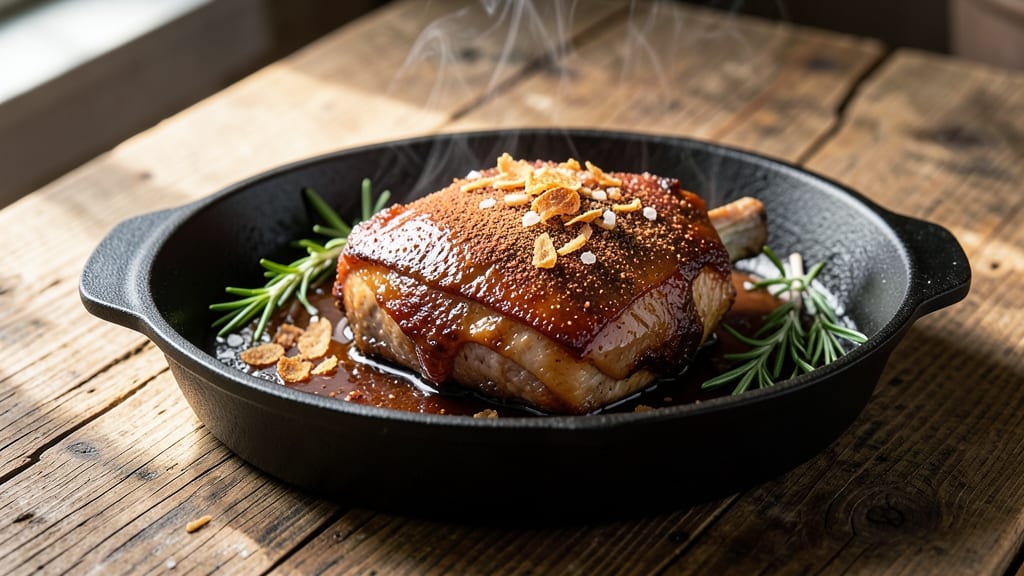
This Orion cooker pork shoulder recipe delivers restaurant-quality crispy bark and tender meat in just 6 hours—no smoker needed. 🔥 After years of perfecting slow-cooked pork at The Smoky Pig, I’ve adapted my technique to work flawlessly in the Orion’s precise temperature control.
The secret? A dry rub that caramelizes into a crackling crust while the meat stays juicy inside.
The Orion’s ability to maintain steady low-and-slow heat (around 225°F) is what makes this recipe foolproof. No temperature swings mean no tough edges or uneven cooking—just melt-in-your-mouth perfection.
I’ve tested this with both bone-in and boneless cuts, and the results are consistently crispy, flavorful, and foolproof for beginners and pitmasters alike.
What you’ll end up with is a pork shoulder so tender it falls apart at the touch, topped with a deep mahogany bark that’s irresistibly crispy. The rub—just salt, pepper, paprika, and brown sugar—lets the pork’s natural flavors shine while creating that coveted texture.
Serve it sliced thick for sandwiches or pulled for tacos, but trust me: you’ll want every last bite.
This method works equally well for weeknight dinners or holiday feasts, and leftovers reheat beautifully. The Orion’s efficiency means you spend less time monitoring and more time enjoying the process. Let’s get started—your taste buds will thank you.
Ingredients for orion cooker pork shoulder
Six pounds of pork shoulder, a dry rub of smoky spices, and steady heat—this is all you need for restaurant-quality crispy bark in six hours.
| Ingredient | Amount | Notes |
|---|---|---|
| Bone-In Pork Shoulder 🐖 | 6 lb | With fat cap intact for flavor |
| Diamond Crystal Kosher Salt 🧂 | 1 ½ tbsp | Coarse grain preferred |
| Freshly Ground Black Pepper 🌶️ | 1 ½ tbsp | Freshly cracked for intensity |
| Smoked Paprika 🌶️ | 2 tbsp | For deep smoky flavor |
| Light Brown Sugar 🍚 | 2 tbsp | For caramelized bark |
| Granulated Garlic Powder 🧄 | 1 tbsp | For subtle depth |
| Apple Cider Vinegar 🍎 | 1 tbsp | For tenderizing |
| Yellow Onion 🧅 | 1 whole | Quartered for aroma |
| Fresh Thyme Sprigs 🌿 | 4 whole | For herbal brightness |
| Extra-Virgin Olive Oil 🫒 | 1 tbsp | For rub adhesion |
| Beef Broth 🥫 | 1 cup | Low-sodium preferred |
| Water 💧 | 1 cup | For moisture balance |
| Apple Juice 🍎 | 1 cup | For subtle sweetness |
The pork shoulder is where it all starts. Bone-in delivers the best flavor and moisture, so skip the boneless cut—it’ll dry out faster in the Orion’s precise heat. I always grab mine from Costco or a local butcher shop where they cut it fresh. Look for a piece with a good fat cap—at least half an inch thick—that’ll render down into flavorful drippings. If your cut is uneven, trim it to about 2 inches thick for even cooking. The fat cap isn’t just for flavor; it insulates the meat, keeping it tender while the exterior develops that coveted mahogany bark.
No smoked paprika? Regular paprika plus a pinch of liquid smoke works in a pinch, though the flavor won’t be identical. The brown sugar is non-negotiable for that caramelized crust—light brown sugar gives you a better balance of sweetness and crunch than white. Fresh thyme is ideal, but dried thyme at one-third the amount gets you close if you’re in a hurry. The apple cider vinegar might seem odd, but it tenderizes the meat and adds a subtle tang that pairs beautifully with the smoky rub. For the beef broth, low-sodium is key—you don’t want to over-salt your pork. If you’re feeling fancy, swap the apple juice for pear or white grape juice for a different depth of flavor.
This pork keeps beautifully—3-4 days in the fridge if stored properly. Wrap it tightly in butcher paper (not plastic) to let the bark stay crisp while keeping the meat moist. For longer storage, freeze it in portions for up to 3 months. The best part? Leftovers reheat like a dream—just warm them in the Orion with a splash of broth or water. I always make extra because it’s impossible to resist. The bark gets even better the next day as it dries out further, so plan accordingly. If you’re prepping for a crowd, consider cooking two shoulders at once—the Orion can handle it.
Why You'll Love This Recipe
- Smoky-Sweet Magic: That combo of smoked paprika and brown sugar? It turns tough pork into melt-in-your-mouth perfection with a caramelized crust that’s ridiculously addictive. Honestly, I’ve had people ask for seconds before they even finish their first bite.
- Leftover Goldmine: This recipe makes enough for leftovers that taste even better the next day—shred it for tacos, sandwiches, or even loaded nachos. Between us, I’ve eaten cold pork shoulder straight from the fridge (yes, really) and it’s still my go-to.
- Budget-Friendly Feast: A bone-in pork shoulder is cheap, and this method stretches it into meals for days. I feed my whole family dinner and lunch the next day without breaking the bank—plus, the Orion cooker uses less energy than an oven. Win-win.
Step-by-step instructions for slow-smoked pork shoulder in an Orion cooker
Here's how to transform a tough cut into fall-off-the-bone perfection with that coveted crispy bark.
👨🍳 Step 1: Prepare the Rub and Season the Pork
In a small bowl, combine the 1.5 tbsp Diamond Crystal Kosher Salt, 1.5 tbsp Freshly Ground Black Pepper, 2 tbsp Smoked Paprika, 2 tbsp Light Brown Sugar, 1 tbsp Granulated Garlic Powder, and 1 tbsp Apple Cider Vinegar until evenly distributed. This vinegar addition is my secret weapon—it tenderizes the meat while adding subtle tang.
Pat the 6 lb Bone-In Pork Shoulder completely dry with paper towels, then rub the mixture all over the meat, pressing firmly so it adheres. Don't forget the fat cap—this is where all the flavor develops. Let the pork sit at room temperature for 30 minutes while you prepare your Orion cooker. This resting period ensures even cooking and prevents cold spots.
🔥 Step 2: Set Up the Orion Cooker for Indirect Heat
Place the 1 whole Yellow Onion (quartered) and 4 whole Fresh Thyme Sprigs in the bottom of your Orion cooker. Add the 1 cup Beef Broth, 1 cup Water, and 1 cup Apple Juice to create a flavorful liquid base. The apple juice adds subtle sweetness that balances the smoky flavors.
Position the pork shoulder fat-side up on the cooking rack. The fat cap should be facing upward so it renders down and bastes the meat. Preheat your Orion cooker to 225°F—this low-and-slow temperature is crucial for tenderizing without drying out the meat. You'll know it's ready when the temperature stabilizes and you see clean, blue smoke (not thick white steam).
⏰ Step 3: Cook Low and Slow Until Probe-Tender
Close the Orion cooker and cook the pork shoulder for 5 hours at 225°F. Here's the thing—don't open the lid during this time. Every time you peek, you lose heat and moisture, adding 15-20 minutes to your cook time. The pork will hit "the stall" around 3-4 hours when the internal temperature plateaus at 160°F.
When the internal temperature reaches 195-200°F and a meat probe slides in like butter, it's time to check for doneness. The meat should be fork-tender with just slight resistance. If it's not quite there, return it to the cooker for 30-minute increments until it reaches your desired tenderness. This is where patience pays off—rushing leads to tough meat.
🔥 Step 4: Create the Crispy Bark
Once probe-tender, increase the Orion cooker temperature to 275°F and continue cooking for 30-45 minutes. This final phase is what creates that beautiful crispy bark. The higher temperature dries out the surface while keeping the interior moist. You'll see the exterior develop a deep mahogany color with crackling crispness—this is your crispy bark forming.
Here's a pro tip: I like to brush the pork with a little more 1 tbsp Extra-Virgin Olive Oil during the last 15 minutes of cooking. This helps enhance browning and adds extra flavor. Watch closely during this phase—you want that bark to be crispy but not burnt. The moment it reaches your desired crispiness, remove it from the cooker.
🍽️ Step 5: Rest and Slice for Maximum Juiciness
Transfer the pork shoulder to a cutting board and tent loosely with foil. Let it rest for at least 1 hour (I prefer 2 hours if you can wait). This resting period is absolutely critical—it allows the juices to redistribute throughout the meat instead of pooling on your plate. The internal temperature will rise about 5°F during resting, so don't be alarmed if your thermometer shows 205°F when you check it.
Slice the pork shoulder against the grain into ¼-inch thick slices. Each slice should be fork-tender with a beautiful pink smoke ring just beneath the crispy bark. Serve immediately with the pan juices reduced by half for a rich, flavorful sauce. The combination of tender meat, crispy exterior, and smoky-sweet sauce makes this pork shoulder truly exceptional.
Pro Tips For Making Orion Cooker Pork Shoulder
- Trim the Fat First: Pat the pork shoulder dry before seasoning—fat renders better when it’s not clinging to the surface. I learned this the hard way when my Orion cooker smoked up the kitchen like a campfire instead of caramelizing the crust properly. Use paper towels, not your sleeve (yes, even if you’re impatient like me).
- Salt in Layers: Don’t just sprinkle salt once—apply Diamond Crystal kosher salt heavily right after searing, then again when you add the brown sugar and paprika mix. The Orion cooker’s dry heat needs that extra push to develop a deep crust. I used to skimp, and the bark never quite stuck.
- Check Internal Temp Twice: The Orion cooker’s probe can be finicky—pull the meat at 195°F (not 203°F), then let it rest 15 minutes under foil. I’ve overcooked pork this way before, and the difference between tender pull-apart and dry disappointment is those extra minutes off the heat.
- Use a Mixing Bowl for Rub: Combine smoked paprika, brown sugar, and black pepper in a bowl before applying it to the pork. This ensures even coverage and cuts down on wasted spices. I used to just shake them on, and half the paprika ended up in my hand—now I measure it out like a pro.
Regional styles of this recipe
Southeast Carolina Style
In Charleston, we take our pork shoulder seriously—this is where I learned to respect the slow cook. The key difference here is the addition of 1 teaspoon of cayenne pepper to the rub, giving it a subtle kick that balances the sweetness.
I also like to add ½ cup of apple cider vinegar to the cooking liquid for extra tang. The result? A pork shoulder with just enough heat to wake up your taste buds while keeping that signature crispy bark. 🌶️
For serving, we traditionally pile it high on buttermilk biscuits with a side of collard greens cooked with smoked turkey neck. The vinegar in both dishes ties everything together beautifully. If you're feeling extra festive, serve it with peach cobbler—the sweetness cuts through the smokiness perfectly.
Georgia Pitmaster Twist
Back in my hometown of Atlanta, pitmasters swear by a peach glaze during the final hour of cooking. After the pork reaches 195°F, I brush it with a mixture of ½ cup peach preserves, 2 tablespoons apple cider vinegar, and 1 tablespoon hot sauce.
This creates a sticky, caramelized crust that's irresistible. The glaze adds a fruity sweetness that pairs perfectly with the smoky rub.
In Georgia, we serve this pork in sliders on Hawaiian rolls with a smear of peanut butter and honey spread. The contrast of sweet, spicy, and smoky flavors is what makes this dish a crowd-pleaser at every tailgate and backyard BBQ.
Don't forget the pickled jalapeños on the side—trust me, they take it to the next level.
Texas-Inspired Adaptation
For a true Texas-style take, swap the apple juice for ½ cup Texas-style BBQ sauce in the cooking liquid. Add 2 chipotle peppers in adobo sauce, minced, to the rub for a deeper smoky heat.
The result is a pork shoulder with a bold, smoky-sweet profile that's perfect for tacos or nachos.
In Texas, we serve this with cornbread and a side of slaw made with vinegar-based dressing instead of mayo. The tangy crunch cuts through the richness beautifully. For extra drama, sprinkle crushed red pepper flakes on top right before serving.
This version is ideal if you're feeding a crowd or prepping for a big game day spread. 🏈
North Carolina Vinegar Braise
Up in North Carolina, they take their vinegar seriously—this adaptation uses ½ cup white vinegar in the cooking liquid instead of apple juice. The vinegar tenderizes the meat and adds a bright acidity that cuts through the richness.
I also add 1 whole head of garlic, smashed, to the bottom of the Orion cooker for extra depth.
In NC, this pork is traditionally served with creamy coleslaw and cornbread muffins. The vinegar in both dishes creates a cohesive flavor profile that's both comforting and refreshing.
For a true North Carolina touch, serve with pickled watermelon rind on the side—it's a regional specialty that adds a unique crunch and tang. 🍉
Nutrition facts
Frequently asked questions
Can I use boneless pork shoulder instead of bone-in?
You can, but bone-in delivers richer flavor and stays juicier. The bone acts as a natural insulator, while the fat cap renders down for extra taste. If using boneless, trim excess fat to ¼-inch thickness and reduce cook time by 30-45 minutes—it dries out faster without the bone's protection.
Why does my Orion cooker's temperature keep fluctuating?
This is normal with some Orion models—it's not a failure! The cooker works hardest during the first 30 minutes to stabilize. To minimize fluctuations, preheat for 15 minutes before adding pork, and avoid opening the lid. If swings exceed ±10°F, check for drafts or adjust the temperature setting slightly higher.
How do I know when the pork is truly done?
Use the probe test: A meat thermometer should read 205°F internally (after resting), and the probe should slide in like butter. Visually, the bark should be deep mahogany with crisp edges. If it's fork-tender but still slightly firm, return it to the cooker for 15-30 minutes—patience prevents dryness.
Can I make this recipe without apple juice?
Swap apple juice for ½ cup beef broth + ½ cup water or ½ cup white grape juice. The juice adds subtle sweetness that balances the smoky rub. If using broth, reduce the salt in the rub by ½ teaspoon to avoid overpowering flavors.
What's the best way to reheat leftover pork?
Slice leftovers and reheat in the Orion with ¼ cup beef broth at 300°F for 10-15 minutes. For crispy bark, broil for 2-3 minutes after reheating. Never microwave—it turns the meat rubbery. Store in the fridge for 3-4 days or freeze for 3 months (wrapped in butcher paper).