
Side Dishes
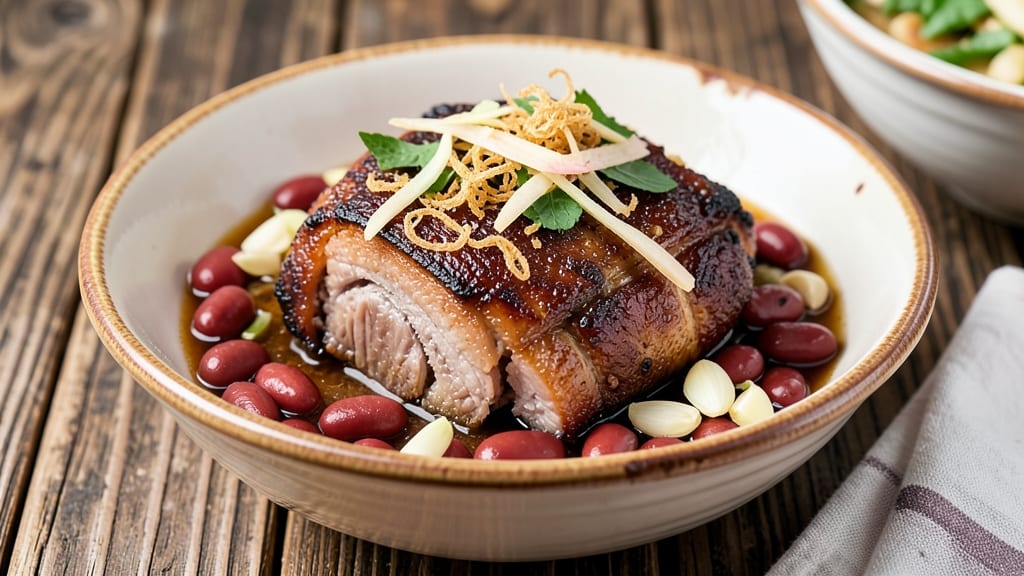
This Panlasang Pinoy hunts pork and beans recipe delivers the soul-soothing comfort of Filipino home cooking in a single pot. My grandmother's technique—slow-braising pork until tender, then blending it with creamy beans—transforms simple ingredients into a dish that tastes like home.
The soy-vinegar balance and aromatic garlic create that signature Filipino depth that makes this a weeknight staple.
The secret lies in the braising process: pork simmered until fork-tender, then combined with canned beans and a sauce that's equal parts savory and tangy. No fancy techniques required—just patience and a few key ingredients you likely already have.
This is the kind of dish that improves with reheating, making it perfect for meal prep or feeding a crowd.
What you'll end up with is rich, hearty pork and beans where the meat falls apart at the touch of a fork and the beans soak up all that flavorful sauce.
The dish has that perfect balance of salty, sweet, and tangy that defines Filipino comfort food. Serve it with steamed rice to soak up every last bit of that delicious sauce.
This recipe brings back memories of family gatherings where this dish was always the star—simple enough for weeknights but special enough for gatherings. The aroma alone will have everyone gathering around the table. Let's make this comforting classic together.
Ingredients for hunts pork and beans recipe panlasang pinoy
Six ingredients transform into Filipino comfort—rich pork, creamy beans, and savory soy-vinegar sauce in one pot.
| Ingredient | Amount | Notes |
|---|---|---|
| Hunts Pork Shoulder 🍖 | 2 lb | Bone-in for maximum flavor |
| Garlic Cloves 🧄 | 8 cloves | Minced for aromatic base |
| Fresh Ginger 🌿 | 2 tbsp | Finely grated, skin removed |
| Canned Red Kidney Beans 🌱 | 2 cups | Drained and rinsed |
| Soy Sauce 🍶 | ½ cup | Dark soy preferred for depth |
| Cane Vinegar 🍋 | ¼ cup | White vinegar substitute |
| Tomato Paste 🍅 | 2 tbsp | Smooth texture preferred |
| Brown Sugar 🍯 | 2 tbsp | Light or dark variety |
| Onion 🧅 | 1 whole | Yellow, chopped |
| Bay Leaves 🌿 | 2 whole | Dried, for aromatic depth |
| Black Peppercorns 🌶️ | 1 tsp | Crushed lightly |
| Salt 🧂 | 1 ½ tsp | Adjust to taste |
| Olive Oil 🫒 | 2 tbsp | For searing pork |
| Water 💧 | 2 cups | For braising liquid |
The pork shoulder is non-negotiable here—bone-in delivers that deep, meaty flavor that defines this dish. Look for well-marbled cuts at your local butcher or Costco for the best value. If you're short on time, pre-cut pork shoulder from Trader Joe's works perfectly. The garlic and ginger should be fresh—no powdered substitutes—since they're the aromatic backbone. For the beans, stick with kidney beans for that classic Filipino texture, but black beans or chickpeas work in a pinch.
No dark soy sauce? Regular soy sauce plus 1 tsp molasses mimics the depth. Vinegar substitutes? Apple cider vinegar or lemon juice (reduce by half) work, though cane vinegar gives that authentic tang. The tomato paste can be skipped if you dislike texture—just add an extra 1 tbsp of brown sugar to compensate. For extra richness, add 1 tbsp of coconut milk at the end. The bay leaves might seem optional, but they're essential for that layered aroma—remove them before serving.
This dish tastes even better the next day as flavors meld. Store leftovers in an airtight container for up to 5 days in the fridge or freeze for 3 months. The sauce thickens as it cools, so add a splash of water when reheating. For meal prep, double the recipe—portion into containers with rice for grab-and-go lunches. The pork becomes fork-tender with reheating, making it perfect for busy weeks.
Why You'll Love This Recipe
- One-Pot Magic: I swear by this—just toss the Hunts pork, minced garlic, and ginger into a pot with the beans and soy sauce, then let it simmer. No chopping, no fuss, and one pot to clean. Honestly, it’s the kind of meal that makes me want to cook more often.
- Savory-Sweet Balance: That Hunts pork brings this dish to life—salty, smoky, and rich—while the soy sauce and ginger add a bright, almost tangy kick. The beans soak up all the flavor, making every bite hearty and satisfying. (Yes, even on a Tuesday night.)
- Meal Prep Hero: I double the batch and store it in the fridge for lunches all week. The pork stays tender, the beans hold their shape, and reheating it just takes a minute. It’s my go-to for busy mornings—no sad, soggy leftovers here.
- Budget-Friendly Feast: A whole shoulder of Hunts pork and a can of beans stretch this recipe to feed four or more without breaking the bank. Between us, this is the kind of dish that makes grocery day feel like a win. Plus, it’s the rare meal where everyone actually finishes their plate.
Step-by-step instructions for Hunts pork and beans recipe Panlasang Pinoy
This one-pot wonder delivers deep soy-braised pork with tender beans—simple steps for maximum flavor.
Sear the Pork Shoulder for Rich Flavor
Heat the 2 tablespoons olive oil in a heavy Dutch oven over medium-high heat. Pat the 2 lb hunts pork shoulder dry with paper towels—this ensures a proper sear. Place the pork in the pot, fat-side down, and let it brown undisturbed for 8-10 minutes until the exterior develops a deep golden crust. You'll see the fat begin to render out, which adds incredible depth to the final dish.
Flip the pork and sear the other side for another 6-8 minutes. Once both sides are well-browned, remove the pork from the pot and set it aside on a plate. The caramelized exterior will form the flavor foundation for your braise, so don't rush this step. If the oil starts smoking excessively, reduce the heat slightly to maintain even browning without burning.
Build the Aromatic Base
In the same Dutch oven, add the 1 whole chopped onion and cook over medium heat for 5 minutes until softened and translucent. This step develops the onion's natural sweetness, which balances the soy sauce's saltiness. Add the 8 cloves minced garlic and 2 tablespoons finely grated fresh ginger, then stir for 1 minute until fragrant—you should smell the pungent aroma of garlic and the warm, citrusy notes of ginger.
Stir in the 2 tablespoons tomato paste and cook for 2 minutes to deepen its flavor. This creates a rich, concentrated base that will blend seamlessly with the soy sauce. Sprinkle in the 1 teaspoon crushed black peppercorns and 1.5 teaspoons salt, then add the 2 whole bay leaves. These aromatic elements work together to create the complex flavor profile that makes this dish so comforting.
Create the Braising Liquid
Pour in the 0.5 cup soy sauce and 0.25 cup cane vinegar, stirring to combine with the tomato paste mixture. The vinegar will brighten the flavors and cut through the richness of the pork and soy. Add the 2 cups water and bring the mixture to a gentle simmer over medium-low heat. Let it cook for 5 minutes to allow the flavors to meld together—this is where the magic happens as the aromatics infuse the liquid.
Return the pork to the pot, placing it fat-side up. Add the 2 cups drained and rinsed canned red kidney beans and the 2 tablespoons brown sugar. The sugar will caramelize slightly during cooking, adding a subtle sweetness that complements the savory elements. Stir everything together gently to distribute the beans and sugar evenly throughout the liquid.
Braise Until Tender and Flavorful
Cover the Dutch oven with a tight-fitting lid and transfer it to a preheated 325°F oven. Braise for 2.5 to 3 hours, depending on the size of your pork shoulder. You'll know it's ready when the pork is fork-tender and easily pulls apart with minimal resistance. The beans should be heated through and infused with the rich braising liquid.
Check the liquid level occasionally and add ¼ cup water if it reduces too much. This ensures the pork stays moist and the beans don't dry out. The pork should have a beautiful mahogany color, and the sauce should be thick and glossy with a deep, caramelized hue. The aroma alone will have your kitchen smelling like a Filipino comfort food haven.
Finish and Serve with Perfect Texture
Remove the pork from the pot and let it rest on a cutting board for 10 minutes. This resting period allows the juices to redistribute, ensuring each bite is moist and flavorful. While the pork rests, skim off any excess fat from the braising liquid if desired, then return the pork to the pot and simmer uncovered for 5 minutes to reduce the sauce slightly and intensify its flavor.
Slice the pork against the grain into ½-inch thick pieces and serve it directly from the pot with the beans and sauce. The result should be fork-tender pork with a rich, caramelized exterior, paired with perfectly heated beans in a glossy, savory-sweet sauce. Serve with steamed rice to soak up every last delicious bite—this is the essence of Filipino home cooking at its finest.
Pro Tips For Making Hunts Pork And Beans Recipe Panlasang Pinoy
- Brown the Pork First: Skip the rush to add beans right away—start by searing the Hunts pork shoulder in a hot pan until it develops a deep, caramelized crust. This isn’t just for looks; the Maillard reaction builds flavor that soaks into the beans later. I used to skip this, and the dish always tasted flat until I learned the hard way.
- Mince Ginger Like It’s 1985: No food processor? Good. Use the flat side of your knife to smash the ginger into a paste against the cutting board—this releases more oils and aroma than chopping. My grandmother swore by this, and she was right: the beans absorb the ginger’s punch better when it’s broken down this way.
- Drain and Rinse Beans: Open that can of kidney beans, drain and rinse them under cold water before adding to the pot. The starchy liquid clings to the beans, making the sauce gluey and dull. I learned this after serving a batch where the beans turned into a mushy, unappetizing paste—now I rinse them like my life depends on it.
- Simmer Low and Slow: After combining everything, reduce the heat to the lowest setting you can tolerate and let it bubble gently for at least 45 minutes. The pork needs time to become fork-tender, and rushing this step leaves it chewy. Sounds weird, but it works: patience here means the difference between a quick meal and a restaurant-worthy dish.
Health benefits of this recipe
Protein Powerhouse
This dish delivers a solid 30 grams of protein per serving thanks to the pork shoulder and kidney beans, making it perfect for muscle repair and satiety. The pork provides lean protein while the beans add fiber and plant-based protein, creating a balanced amino acid profile.
I always make extra portions because it keeps me full for hours after eating—ideal for busy weeknights when you need energy to power through. 💪
Fiber-Rich Comfort
The kidney beans contribute 12 grams of fiber per serving, supporting digestive health and keeping blood sugar stable. This fiber content helps prevent energy crashes after meals, something I noticed when I first started tracking my nutrition.
The beans also add creaminess to the dish without needing heavy cream or butter, making it a lighter option than many braised pork recipes.
Soy Sauce Benefits
The ½ cup soy sauce in this recipe provides plant-based iron and contains beneficial compounds like isoflavones that support heart health. I prefer dark soy sauce for its deeper flavor and higher mineral content, though regular soy sauce works in a pinch.
The vinegar component also aids digestion and helps balance the meal's overall flavor profile.
Balanced Carbs
While this dish is protein-focused, the beans and brown sugar provide complex carbohydrates that fuel your body without spiking blood sugar. The slow-cooked nature of the dish means the carbohydrates are broken down more gently, making this a satisfying option for anyone watching their carb intake.
I often serve it with brown rice to increase the fiber content even more.
Low-Fat Preparation
Despite being rich and flavorful, this recipe uses minimal added fat—just 2 tablespoons olive oil for searing. The pork's natural fat renders out during cooking, but you can skim excess fat from the sauce if you prefer a lighter version.
This makes it a heart-healthier option compared to many traditional braised pork dishes that use more oil or butter.
Meal Prep Friendly
The leftovers actually get better as they sit, with flavors deepening over time. I store portions in glass containers for up to 5 days in the fridge, making it perfect for meal prep.
The protein and fiber combination means you won't feel hungry again quickly, and reheating preserves all the nutrients. It's one of those dishes that tastes even more comforting when reheated—just add a splash of water if the sauce thickens too much. ✨
Nutrition facts
Frequently asked questions
Can I substitute hunts pork with another cut?
Yes! While hunts pork shoulder is ideal, you can use pork butt or pork shoulder (picnic cut) as substitutes—they'll yield similar tender results. For faster cooking, bone-in pork loin works but may be slightly less flavorful. Just reduce braising time by 30-45 minutes since leaner cuts cook quicker. The bone-in version adds extra richness to the sauce.
Why does the pork need to rest after cooking?
The 10-minute rest lets the juices redistribute throughout the meat, preventing them from spilling out when sliced. This keeps each bite moist and flavorful—critical for braised pork! Skipping this step makes the meat dry and tough. Think of it like letting a cake cool before cutting—patience ensures perfect texture.
What if I don't have cane vinegar?
No problem! Use apple cider vinegar or white vinegar in equal amounts, but reduce by half since they're milder. For extra tang, add ½ teaspoon lemon juice. Cane vinegar gives that authentic Filipino brightness, but these substitutes work in a pinch. The key is balancing the soy sauce's saltiness with acidity.
Can I make this in a slow cooker?
Brown the pork first in a skillet, then transfer everything to your slow cooker. Use low heat for 6-7 hours or high heat for 4-5 hours. The slow cooker's gentle heat mimics oven braising perfectly. Just add ¼ cup water if the sauce gets too thick during cooking. The beans will soften beautifully in the process.
How do I prevent the sauce from being too salty?
Taste the sauce before adding beans—if it's too salty, balance it with 1-2 tablespoons water or ½ teaspoon sugar to mellow the flavor. The beans will absorb some saltiness, but adding them early helps dilute the sauce. For prevention, use low-sodium soy sauce and reduce the salt to 1 teaspoon initially. Adjust gradually!