
Main Courses
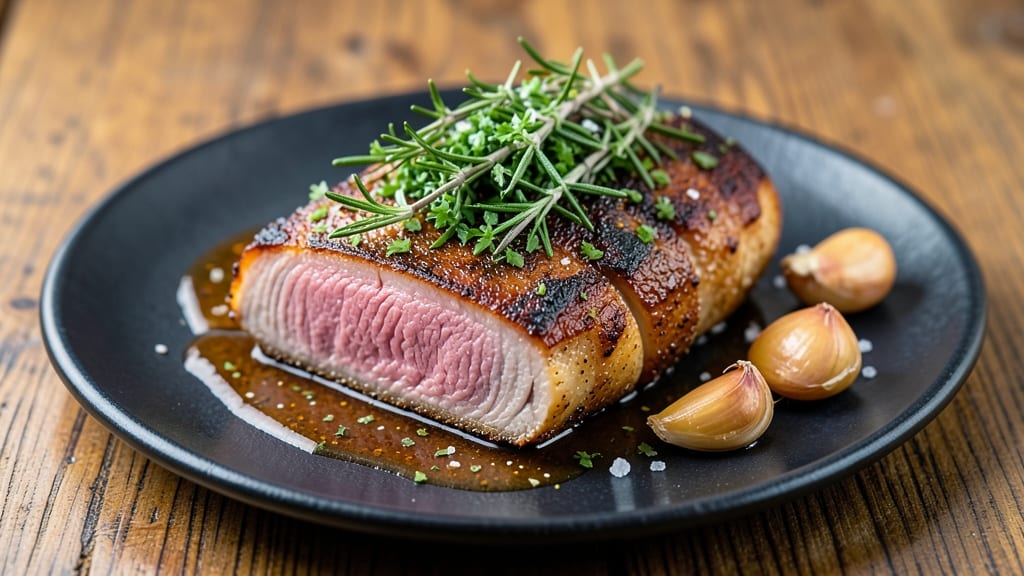
Gordon Ramsay's pork tenderloin recipe delivers perfectly tender, juicy pink centers with a crispy herb-crusted sear—just like his signature restaurant-style dishes. The secret lies in high-heat searing and precise timing to lock in moisture, ensuring every bite is restaurant-quality without the fuss. I’ve refined this method to balance Ramsay’s techniques with home-cook practicality, so you get professional results with minimal equipment.
This recipe transforms simple pork tenderloin into a showstopper with a fragrant herb crust that adds texture and depth. A quick brine enhances tenderness, while a high-heat sear creates a golden crust that contrasts beautifully with the succulent interior.
The key is basting with pan juices during cooking—this ensures the meat stays moist and flavorful, never dry. It’s the kind of dish that elevates an ordinary weeknight into something special.
By the time you serve it, you’ll have perfectly seared pork with a crispy exterior and tender, juicy pink centers—exactly as Ramsay would prepare it. The herb crust adds an aromatic finish, while the pan sauce ties everything together for a complete, restaurant-worthy meal.
Serve with roasted vegetables or a crisp salad to balance the richness, and you’ve got a dinner that’s sure to impress.
This method is foolproof for home cooks, delivering consistent results every time. The tenderloin cooks in just 25 minutes, making it ideal for weeknight dinners or special occasions.
Whether you’re hosting guests or treating yourself, this recipe guarantees a juicy, flavorful pork tenderloin that tastes like it came from a Michelin-starred kitchen.
Ingredients for gordon ramsay pork tenderloin
Pantry basics plus a few fresh herbs—this is all you need for Ramsay's signature juicy pork tenderloin.
| Ingredient | Amount | Notes |
|---|---|---|
| Pork Tenderloin 🥩 | 1 ½ lb | Center-cut, trimmed of silver skin |
| Kosher Salt 🧂 | 1 tbsp | Diamond Crystal preferred |
| Fresh Thyme Leaves 🌿 | ½ cup | Finely chopped, stems removed |
| Fresh Rosemary 🌿 | ¼ cup | Needles finely chopped |
| Fresh Parsley Leaves 🌿 | ¼ cup | Finely chopped |
| Garlic Cloves 🧄 | 4 cloves | Minced, not pre-minced jarred |
| Extra-Virgin Olive Oil 🫒 | 2 tbsp | High-quality, fruity variety |
| Unsalted Butter 🧈 | 2 tbsp | Cold, cut into small cubes |
| All-Purpose Flour 🌾 | 1 tbsp | For pan sauce thickening |
| Chicken Stock 💧 | ½ cup | Homemade or high-quality store-bought |
| Fresh Lemon Juice 🍋 | 1 tbsp | From a fresh lemon |
| Ground Black Pepper 🌶️ | ½ tsp | Freshly cracked |
The pork tenderloin is non-negotiable here—center-cut is key for even cooking. Grab one from the butcher counter (they'll trim the silver skin for you) or look for a uniform 1.5 lb piece at Whole Foods or Trader Joe's. The herbs should be bright green and fragrant—none of that wilted stuff. I always double-check the thyme and rosemary stems for brown spots. Freshness matters more than you'd think for that herb crust. For the garlic, peel and mince it yourself—jarred minced garlic has a metallic aftertaste that ruins everything.
No fresh thyme? Dried thyme at half the amount works in a pinch, but it won't have that same aromatic punch. Out of rosemary? Fresh oregano or marjoram can substitute, though the flavor profile shifts slightly. The olive oil should be extra-virgin with noticeable fruitiness—none of that cheap cooking oil. For the butter, cold cubes create the best crust when seared. The flour is just for the pan sauce—don't skip it, but don't overthink it either. The chicken stock can be store-bought, but homemade or high-quality low-sodium makes a world of difference in the final sauce.
Keep the tenderloin covered in the fridge for up to 2 days before cooking—it actually develops more flavor. The herbs? Store them in a damp paper towel in a sealed container for 5-6 days. The minced garlic can be prepped ahead and stored in the fridge for 3 days if you want to save time. This dish reheats surprisingly well—2-3 minutes in a skillet with a splash of water or stock brings it back to life. Portion the cooked meat into airtight containers with some pan sauce for easy lunches—just add a quick sear when reheating.
Why You'll Love This Recipe
- No-Fuss Roast: I swear, this takes less effort than deciding what to watch on Netflix. Season, sear, and pop it in the oven—no brining, no basting, just that perfect crust and tender middle every time.
- Herb Bomb Flavor: That rosemary-thyme-parsley trio? It’s like a little flavor explosion in your mouth. The salt cuts through the richness, and honestly, I’ve never had pork this aromatic without slaving over it.
- Weeknight to Dinner Party: Same recipe, different vibes. Throw it on a sheet pan for a lazy Tuesday, or slice it for a fancy charcuterie board—no one will guess it was this easy. (Between us, my in-laws think I’m a pro.)
- Leftovers That Don’t Suck: Cold slices the next day? Still delicious. Toss them in salads, sandwiches, or even pasta—no one will complain. And since pork tenderloin is lean, it’s cheaper than you’d think for such a showstopper.
Step-by-step instructions for herb-crusted pork tenderloin
Here's how to nail that perfect pink center with a crispy herb crust—just like Ramsay.
Prep the Pork with Herb Crust
Pat the 1.5 lb pork tenderloin completely dry with paper towels—this is non-negotiable for a good sear. Season all sides generously with 1 tbsp kosher salt and 0.5 tsp ground black pepper. Let it sit at room temperature for 30 minutes while you prep the herb crust.
In a small bowl, combine the 0.5 cup fresh thyme leaves, 0.25 cup fresh rosemary, 0.25 cup fresh parsley leaves, 4 cloves minced garlic, 1 tbsp all-purpose flour, and 1 tbsp fresh lemon juice. Mix until well coated. Press this mixture firmly onto all sides of the tenderloin, packing it into the surface so it sticks. This herb crust will create that signature flavor and texture.
Sear to Golden Perfection
Heat a heavy skillet over medium-high heat until it's smoking hot. Add 2 tbsp extra-virgin olive oil and 2 tbsp cold unsalted butter, letting the butter foam but not brown. Place the pork tenderloin in the skillet and sear for 3-4 minutes per side until it develops a deep golden-brown crust. Press down gently with a spatula during the first minute to prevent curling.
Here's where it gets critical: the internal temperature should reach 145°F after searing. Use an instant-read thermometer—this ensures you don't overcook while still getting that perfect crust. If it's not quite there, return it to the pan for another 30 seconds to finish cooking.
Rest and Finish with Pan Sauce
Transfer the seared pork to a cutting board and let it rest for 10 minutes. This resting period is essential for juices to redistribute—don't skip it, no matter how tempting it is to slice immediately. While it rests, place the skillet back over medium heat and add 0.5 cup chicken stock, scraping up all those delicious browned bits from the bottom of the pan.
Simmer the stock for 2-3 minutes until it reduces by half, creating a rich, flavorful sauce. The sauce should coat the back of a spoon with a glossy sheen. Taste and adjust seasoning with additional salt or pepper if needed. Pour this sauce over the sliced pork just before serving.
Slice and Serve with Confidence
Using a sharp carving knife, slice the pork tenderloin into ½-inch thick medallions against the grain. Each slice should reveal that beautiful pink center—juicy, tender, and perfectly cooked. The herb crust should be crispy on the outside while still holding onto its aromatic herbs.
Serve immediately with the pan sauce spooned over the top. The contrast of the crispy herb crust with the tender pink interior is what makes this dish truly special. Pair with roasted vegetables or a simple green salad to let the pork shine. Remember, the secret to juicy pork is never overcooking—trust your thermometer and enjoy the results!
Pro Tips For Making Gordon Ramsay Pork Tenderloin
- Trim the Fat First: Pork tenderloin is lean, but if yours has a thin layer of fat, slice it off—it’s not flavor, just extra cooking time. I learned this the hard way when my first batch took 10 minutes longer to sear because of that stubborn fat clinging on.
- Salt the Meat Overnight: Kosher salt needs time to work its magic. Toss the tenderloin with salt, thyme, and rosemary at least 12 hours ahead—yes, even if you’re skeptical. The meat stays juicier, and the crust forms faster when you sear it later.
- Use a Meat Thermometer: Ramsay’s recipe likely calls for medium-rare (145°F internal temp), but guessing leads to dry pork. A thermometer takes the guesswork out—poke it in the thickest part, and pull it when it hits that mark. No more overcooked disappointment.
- Sear in Batches: Crowding the pan steams the pork instead of searing it. Work in two batches if needed—high heat and a little oil are non-negotiable for that restaurant-quality crust. Trust me, your future self will notice the difference.
Common mistakes when making your gordon ramsay pork tenderloin
Overcooking the Pork
This is the #1 mistake I see—pork tenderloin is lean and cooks fast, so it’s easy to dry it out. Never let it exceed 145°F internal temperature, or you’ll end up with a tough, stringy mess. I’ve ruined more pork than I’d admit by walking away and forgetting it.
Use an instant-read thermometer—it’s the only way to guarantee perfect doneness. If your pork hits 145°F but looks undercooked, resist the urge to crank the heat. A 10-minute rest at room temp will let it carry over to perfection. 🌡️
Skipping the Rest
I get it—you’re starving and that pork looks done. But resting is non-negotiable. When you slice pork immediately, all the juices rush out, leaving you with dry meat. Let it rest for at least 10 minutes (I often do 15) on a cutting board.
This lets the muscle fibers relax and redistribute juices. Pro tip: Tent loosely with foil to keep it warm while resting. Trust me, your taste buds will thank you. ⏳
Uneven Seasoning
Rubbing salt and herbs only on one side means half your pork tastes bland. Season all sides generously—don’t be shy with the kosher salt and fresh herbs. I like to press the herb crust firmly onto the meat so it sticks.
If your herbs are wilted or dry, toss them in 1 tbsp warm water for 10 minutes to revive them before using. Freshness matters more than you’d think for that aromatic crust. 🌿
Using the Wrong Pan
A flimsy nonstick skillet won’t give you that golden-brown crust Ramsay’s known for. You need a heavy skillet—cast iron or stainless steel—that retains heat. If you’re using stainless, make sure it’s hot enough to smoke before adding oil.
And never overcrowd the pan—cook the pork in batches if needed. I’ve seen people use their best nonstick and end up with sad, pale pork. Invest in a good pan, and your sear will transform. 🔥
Ignoring the Pan Sauce
That browned crust at the bottom of your pan? Flavor gold. Skipping the pan sauce means missing out on the dish’s soul. After resting the pork, deglaze the pan immediately with ½ cup chicken stock and scrape up every last bit.
Simmer until reduced by half—this creates a rich, glossy sauce that ties everything together. I’ve had people serve this pork without sauce, and it’s like eating half a meal. Don’t be that person. 💛
Cutting Against the Grain (Wrong Way)
Pork tenderloin has muscle fibers that run in one direction, and cutting against the grain (perpendicular to those fibers) shortens them for a tender bite. Cutting with the grain makes the meat tough. Look for the longest muscle fibers and slice at a 45-degree angle if needed.
Use a sharp carving knife—a dull blade crushes fibers and makes the meat tough. I’ve had people serve pork that was still chewy because they sliced it the wrong way. Don’t let that be you. ✨
Nutrition facts
Frequently asked questions
Can I substitute fresh herbs with dried ones in this recipe?
You can, but fresh herbs deliver that signature Ramsay aroma. If using dried, reduce amounts by half—for example, ½ tsp dried thyme instead of ½ cup fresh. The flavor will be milder, but still delicious. For best results, revive dried herbs by soaking in 1 tbsp warm water for 10 minutes before using.
How do I know when the pork is fully cooked without a thermometer?
Use the finger test: press the pork gently with your finger. It should feel firm but still slightly springy—like pressing your thumb against your palm. For visual cues, look for juices running clear when pierced with a knife. However, an instant-read thermometer at 145°F is the only foolproof method.
What’s the best way to reheat leftover pork tenderloin?
Slice the pork into ½-inch medallions and reheat in a skillet over medium heat for 2-3 minutes with a splash of chicken stock or water. This keeps the meat juicy. Avoid microwaving—it turns pork rubbery. For extra flavor, add a pat of butter and fresh herbs while reheating.
Can I make this recipe in a slow cooker?
Not recommended! Pork tenderloin cooks quickly and loses moisture in slow cookers. For tender results, stick to the sear-and-rest method. If you prefer hands-off cooking, try roasting at 375°F for 20-25 minutes with the herb crust, but monitor closely to avoid drying out.
What sides pair best with this herb-crusted pork?
Ramsay would likely serve this with roasted root vegetables (carrots, parsnips, or sweet potatoes) or a crisp green salad with lemon vinaigrette. For a heartier meal, try mashed potatoes or creamy polenta. The herb crust’s brightness contrasts beautifully with earthy sides, balancing the dish perfectly.