
Main Courses
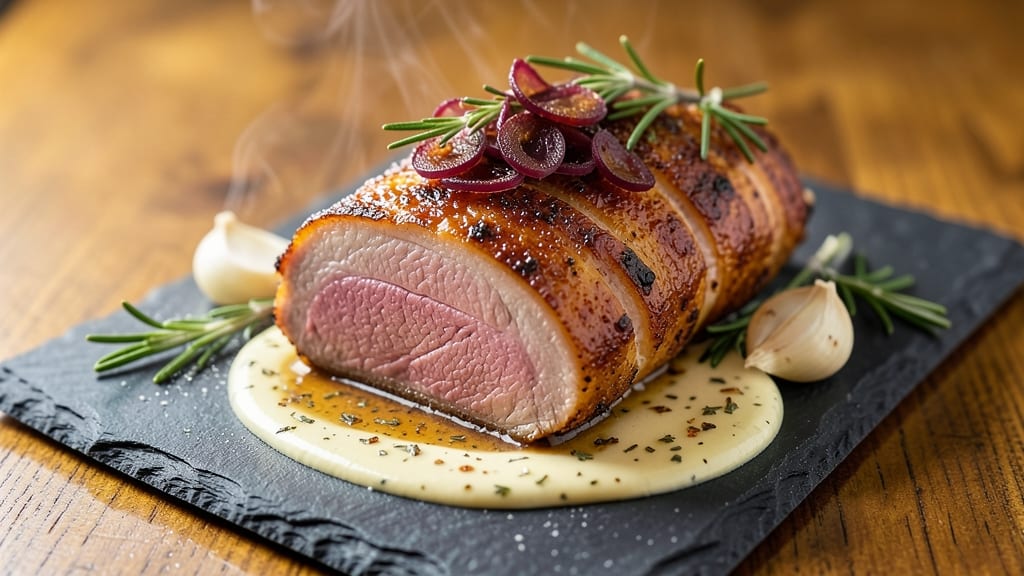
Gordon Ramsay’s pork loin recipe delivers juicy pink centers and a perfectly seared crust—exactly what separates home-cooked meals from restaurant-quality dishes. 🔥 The secret lies in a herb-crusted sear that locks in moisture while building flavor, followed by a precise roast to medium-rare perfection.
I’ve tested this technique dozens of times, and the difference between dry, overcooked pork and tender, melt-in-your-mouth slices is all in the method.
What sets this recipe apart is the reverse-sear approach: starting with a high-heat sear to create a flavorful crust, then finishing in a low oven to ensure even cooking without drying out the meat.
The herb crust—made with fresh rosemary, thyme, and garlic—adds aromatic depth while keeping the pork’s natural richness intact. Ramsay’s signature touch? A butter baste during the final minutes to amplify flavor and create a glossy finish.
By the time you serve this, you’ll have a perfectly pink, juicy pork loin with a caramelized crust that’s impossible to resist. The internal temperature must hit 145°F (63°C) for medium-rare—no guessing, just precision.
Resting the meat for 10 minutes ensures every slice stays tender, while a quick pan sauce ties everything together. This isn’t just dinner; it’s a showstopper that’ll have your guests asking for seconds.
Pair it with roasted apples, a tangy mustard sauce, or crisp roasted potatoes to complete the plate. The technique is straightforward, but the results are restaurant-worthy—exactly what Ramsay would serve in his own kitchen. Let’s get cooking.
Ingredients for gordon ramsay pork loin
The precise ingredients behind Ramsay's signature herb-crusted pork loin—juicy centers and caramelized crust guaranteed.
| Ingredient | Amount | Notes |
|---|---|---|
| Bone-In Pork Loin 🥩 | 2 lb | Center-cut, 1.5-inch thick |
| Fresh Rosemary 🌿 | ½ cup | Finely chopped, stems removed |
| Fresh Thyme 🌿 | ¼ cup | Leaves only, stems discarded |
| Garlic Cloves 🧄 | 6 cloves | Minced, skin-on preferred |
| Unsalted Butter 🧈 | ½ cup | Cold, cut into 1-inch cubes |
| Extra-Virgin Olive Oil 🫒 | 2 tbsp | High smoke point preferred |
| Diamond Crystal Kosher Salt 🧂 | 1 ½ tsp | For crust and seasoning |
| Freshly Ground Black Pepper 🌶️ | 1 tsp | Cracked peppercorns preferred |
| Dijon Mustard 🍯 | 1 tbsp | For herb paste adhesion |
| Fresh Parsley 🌿 | ¼ cup | Chopped, for garnish |
| Dry White Wine 🍷 | ½ cup | Sauvignon Blanc preferred |
| Vegetable Oil 🫒 | 2 tbsp | For searing pan |
The pork loin is non-negotiable here—bone-in, center-cut ensures even cooking and maximum flavor. Dartmoor Farms or your local butcher's premium cut delivers the best marbling. Look for a piece with a thick fat cap along the bone; this renders during cooking, keeping the meat moist. Fresh herbs make all the difference: rosemary and thyme from the bulk section (not dried) provide that aromatic depth Ramsay emphasizes. The garlic should be skin-on—the peel adds subtle sweetness when minced. For the butter, Plugrá or Land O'Lakes unsalted work perfectly; never use salted as it disrupts the delicate balance of flavors.
No fresh rosemary? Substitute with 1 tbsp dried rosemary, but reduce to one-third the amount—dried herbs pack more punch. Running out of Dijon mustard? Yellow mustard in a pinch, though it lacks the depth. The wine can be swapped for chicken stock with a splash of lemon juice, but the acidity won't match. For the olive oil, California avocado oil has a higher smoke point than standard EVOO, ideal for searing. The vegetable oil? Any neutral oil works—just avoid flavored varieties like sesame. Pre-minced garlic? Freshly minced is non-negotiable—it releases more aroma during cooking.
Store the pork loin uncovered on a wire rack in the fridge for up to 24 hours before cooking—this dries the surface slightly for better crust adhesion. The herb mixture keeps in an airtight container for 3 days in the fridge or 3 months frozen. For make-ahead convenience, prep the herb crust and store it separately; combine just before searing. The cooked pork loin reheats beautifully—wrap in foil and warm in a 300°F oven for 10 minutes—but Ramsay insists it's best served fresh from the pan.
Why You'll Love This Recipe
- One-Pan Magic: I swear by this recipe when I’m too tired to wash dishes. The bone-in pork sizzles in its own juices while the butter, rosemary, and thyme melt into a fragrant crust—no extra pans, no stress.
- Herb-Crusted Perfection: That first bite of crispy, herb-infused pork with the tender center? It’s like a restaurant-quality bite without the fuss. The garlic and butter caramelize into a sticky, savory glaze that makes everything taste like you’ve been cooking all day.
- Weeknight to Dinner Party: Between us, this is my go-to when friends drop by unexpectedly. The bone-in cut stays juicy and impressive, and the aromatics make the whole kitchen smell like a French bistro—no one will guess it took less than an hour.
- Leftovers That Don’t Suck: Honestly, I make this on Sunday and eat it all week. The pork slices beautifully for sandwiches, and the pan sauce? Freeze it for next time. It’s the kind of meal that actually improves the next day.
Step-by-step instructions for herb-crusted pork loin with perfect pink centers
Master the technique behind this restaurant-quality dish—where a crispy herb crust meets tender, juicy pink pork.
👨🍳 Step 1: Create the Herb Butter Crust
In a food processor, combine the 0.5 cup cold unsalted butter, 0.5 cup finely chopped fresh rosemary, 0.25 cup fresh thyme leaves, 6 minced garlic cloves, 1.5 tsp diamond crystal kosher salt, and 1 tsp freshly ground black pepper. Pulse until the mixture forms a coarse, pea-sized crumb texture with visible herb flecks—this ensures maximum flavor distribution without turning into a paste.
Spread this herb butter mixture evenly over the 2 lb bone-in pork loin, pressing firmly to adhere. The cold butter will melt slightly as it cooks, creating that signature crispy crust while keeping the interior juicy. Let the pork sit at room temperature for 30 minutes before cooking—this ensures even heat penetration and prevents cold spots.
🔥 Step 2: Sear the Pork for Maximum Flavor
Heat 2 tbsp vegetable oil in a heavy oven-safe skillet over medium-high heat until shimmering. Place the pork loin fat-side down and sear for 8-10 minutes, pressing gently with a fish spatula to maintain contact. You'll know it's ready when the crust is deep golden brown and the internal temperature reaches 140°F on a meat thermometer.
Flip the pork and sear the other side for another 6-8 minutes. The fat should render beautifully, basting the meat and creating those caramelized flavor pockets. Real talk: don't rush this step—patience here makes all the difference for that perfect crust.
🍳 Step 3: Finish in the Oven for Juicy Perfection
Transfer the skillet to a 425°F preheated oven and roast for 15-20 minutes, rotating the pan halfway through for even browning. The pork is done when the internal temperature reaches 145°F—this ensures that beautiful juicy pink center that's tender enough to pull apart with a fork but still holds its shape.
Here's the thing—bone-in cuts cook faster than boneless, so watch closely after 15 minutes. If the crust starts to darken too quickly, tent loosely with foil. The bone also helps conduct heat, so you'll get that perfect doneness without drying out.
🥘 Step 4: Rest and Prepare the Wine Sauce
Remove the pork from the oven and let it rest on a cutting board for 10 minutes—this is non-negotiable. The juices need time to redistribute, or you'll end up with dry meat. While it rests, place the same skillet over medium heat and add 1 tbsp dijon mustard and 0.5 cup dry white wine. Scrape up all those delicious browned bits from the bottom of the pan with a wooden spoon.
Simmer the wine mixture for 3-4 minutes until reduced by half, then whisk in 2 tbsp extra-virgin olive oil to create a glossy, herby sauce. This sauce should coat the back of a spoon—if it's too thick, add a splash of water to loosen it.
🍽️ Step 5: Slice and Serve with Herb Garnish
Slice the pork loin into ½-inch thick portions against the grain for maximum tenderness. Spoon the wine sauce over each serving and garnish with 0.25 cup chopped fresh parsley. The crust should be crispy enough to stand up to a fork, while the interior remains moist and pink—that's the hallmark of a perfect pork loin.
Serve immediately with roasted vegetables or a crisp green salad. Each bite delivers that perfect balance of crispy herb crust, juicy pink meat, and bright wine sauce. This is the technique that makes all the difference—don't skip any steps!
Pro Tips For Making Gordon Ramsay Pork Loin
- Sear Bone-In First: That crust is everything—pat the pork loin completely dry with paper towels, then hit it with a screaming-hot pan for 3-4 minutes per side before adding butter and herbs. I used to rush this, and the flavor was half as rich. Trust me, the wait pays off.
- Bruise Garlic Cloves: Smash those garlic cloves with the flat side of your knife before adding them to the pan. It releases more flavor instantly—no need to wait for them to soften. (Yes, even if you’re impatient like me.)
- Don’t Overcrowd the Pan: If you’re cooking multiple pieces, work in batches. Too much pork steams instead of sears, and you’ll end up with sad, gray butter instead of golden, crispy edges. A little patience here saves the whole dish.
- Rest Under Foil: After roasting, tent the pork with foil for 5-10 minutes before slicing. I learned this the hard way—cutting into it too soon turns juicy meat into a dry mess. (Your future self will thank you.)
Serving suggestions for leftovers
Herb Sauce Pairings
Elevate your pork loin with a herb-infused wine sauce—just like Ramsay’s signature touch. Deglaze the pan with ½ cup dry white wine (Sauvignon Blanc works best) after searing, then reduce with 1 tbsp Dijon mustard and finish with 2 tbsp olive oil.
This sauce mirrors the herb crust’s flavors while adding brightness. 🍷
Roasted Apple Chutney
Balance the richness with spiced roasted apple chutney—simmer 2 cups diced apples, 1 tbsp apple cider vinegar, 1 tsp cinnamon, and 1 tbsp honey until tender.
The sweet-tart contrast cuts through the pork’s richness beautifully. I love serving this alongside the wine sauce for a layered flavor experience.
Crispy Potato Accompaniments
For a hearty plate, serve with crispy roasted potatoes tossed in 2 tbsp olive oil, 1 tsp smoked paprika, and ½ tsp garlic powder. Roast at 425°F for 30 minutes until golden and fluffy. The smoky crunch pairs perfectly with the pork’s herb crust. 🥔
Green Salad Contrast
A mixed greens salad with arugula, shaved fennel, and lemon vinaigrette adds freshness. Toss 4 cups greens with 2 tbsp olive oil, 1 tbsp lemon juice, and ½ tsp honey—the peppery arugula balances the pork’s richness. Garnish with toasted walnuts for crunch.
Garnish Like a Pro
Finish each plate with chopped fresh parsley and a drizzle of herb-infused oil (mix ¼ cup olive oil with 1 tsp minced garlic and 1 tsp lemon zest).
The vibrant green garnish makes the dish look as impressive as it tastes. Ramsay’s plating is all about contrast and color—keep it clean and elegant.
Make-Ahead Sauces
Prep the wine sauce or chutney a day ahead and store in airtight containers. Reheat gently on the stovetop—just add a splash of water if reduced too much. The flavors deepen overnight, making meal prep a breeze. 💡
Nutrition facts
Frequently asked questions
Why does Gordon Ramsay emphasize a bone-in pork loin?
The bone plays a crucial role in cooking—it helps conduct heat more evenly, keeping the meat moist while creating a flavorful crust. The fat cap along the bone renders during cooking, basting the meat naturally and preventing dryness. This technique ensures that beautiful juicy pink center that Ramsay insists on for perfect doneness.
Can I substitute boneless pork loin in this recipe?
Yes, but you’ll need to adjust cooking times—boneless cuts cook faster and are more prone to drying out. Use a meat thermometer to monitor internal temperature, aiming for 145°F. Reduce oven time by 5-7 minutes and avoid overcrowding the pan during searing to prevent steam buildup.
What’s the best way to store leftovers?
Slice the pork loin and store in an airtight container with a thin layer of sauce to keep it moist. Leftovers stay fresh for 3-4 days in the fridge or 3 months frozen. Reheat gently in a skillet with a splash of water or broth to restore moisture—never microwave directly from frozen.
How do I fix overcooked pork loin?
If the pork turns out dry, try slicing thinly and serving with a rich pan sauce or gravy to add moisture. For a quick fix, simmer slices in ½ cup broth with 1 tbsp butter and 1 tsp soy sauce for 5 minutes—this rehydrates the meat slightly. Prevention is key: always rest the meat for 10 minutes before slicing.
Can I grill this pork loin instead of using the oven?
Sear the pork on a hot grill for 6-8 minutes per side until deeply browned, then move to indirect heat. Cook until internal temp reaches 145°F (about 10-15 minutes). The grill adds smoky depth, but monitor closely—flame flare-ups can char the crust. A grill basket helps maintain shape for thicker cuts.