
Soups & Stews
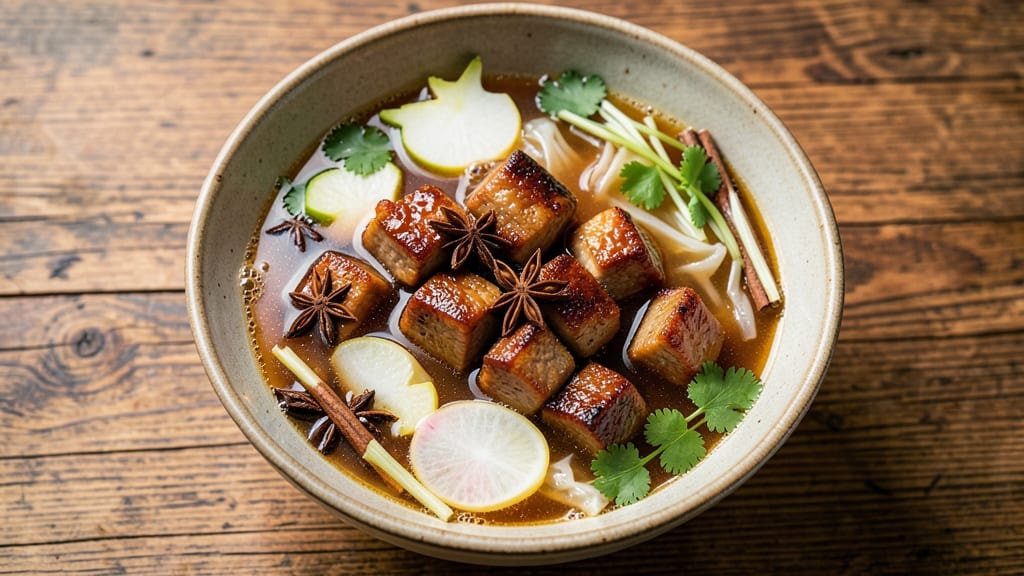
This Chinese pork soup recipe delivers the comforting warmth of a home-cooked meal that tastes like a steaming bowl from your favorite neighborhood restaurant.
The secret lies in the fragrant five-spice broth, which infuses the pork with layers of aromatic depth—star anise, cinnamon, and clove—while tenderizing the meat into silky shreds.
I developed this recipe after years of experimenting with Chinese comfort food, and it's become a staple in my kitchen for chilly evenings or when I need a nourishing meal that feels like a hug in a bowl.
The beauty of this recipe is in its balance: rich yet not heavy, savory with just the right touch of sweetness from soy sauce and a hint of sour from rice vinegar. You'll start with a quick stir-fry of aromatics—ginger, garlic, and scallions—that form the flavor base for the broth.
The pork, whether ribs or tender belly, cooks low and slow until it falls apart effortlessly, releasing its juices into the broth. This isn't just soup; it's a flavor experience that builds with every spoonful.
By the time you're done, you'll have a steaming bowl of soup where the pork shreds glisten with broth, the vegetables add freshness, and the aroma fills your kitchen with the comforting scent of a Chinese home.
The five-spice blend creates a warmth that lingers, while the silky pork and tender vegetables make each bite irresistible. This is the kind of soup that disappears quickly—so make extra, because you'll want to savor it again.
The best part? This recipe scales beautifully for gatherings, and leftovers taste even better the next day. Whether you're feeding a family or treating yourself to a comforting meal, this Chinese pork soup delivers restaurant-quality results with simple, accessible techniques. Let's get cooking—your kitchen will thank you.
Ingredients for chinese pork soup
Here's what you need to create that fragrant five-spice pork soup with restaurant-quality flavor.
| Ingredient | Amount | Notes |
|---|---|---|
| Pork Belly 🥩 | 1 ½ lb | Tender, cut into 1-inch cubes |
| Five-Spice Powder 🌶️ | 2 tsp | Store-bought or homemade blend |
| Star Anise 🌿 | 2 whole | Whole pods for infusion |
| Cinnamon Sticks 🌿 | 2 whole | 1-inch pieces for aroma |
| Cloves 🌿 | 4 whole | Whole for subtle flavor |
| Fresh Ginger 🧄 | 2 tbsp | Grated, fresh preferred |
| Garlic Cloves 🧄 | 6 cloves | Minced for aromatic base |
| Scallions 🧅 | ¼ cup | Sliced, white and green parts |
| Light Soy Sauce 🍶 | ½ cup | Kikkoman preferred |
| Rice Vinegar 🍶 | 1 tbsp | For subtle tang |
| Daikon Radish 🥕 | 1 whole | Medium size, peeled, sliced |
| Napa Cabbage 🥬 | 4 cups | Shredded, core removed |
| Green Onions 🧅 | ¼ cup | Sliced for garnish |
| Sesame Oil 🫒 | 1 tbsp | Toasted, for finishing |
| Water 💧 | 6 cups | For broth base |
The pork belly is the star—look for thick slices with good marbling at Whole Foods or your local Asian market. If you can't find pork belly, pork ribs work too, but they'll need more time to tenderize. The five-spice powder is non-negotiable; Penzeys or any bulk bin at an Asian grocery store will have the best blends. For the aromatics, fresh ginger and garlic are a must—those pre-minced jars lack the punch. Star anise and cinnamon sticks can be found in the spice aisle, but if you're feeling fancy, Trader Joe's sells pre-packaged five-spice blends that save time.
No five-spice powder? Mix 1 tsp each of cinnamon, clove, fennel, and star anise with 0.5 tsp pepper—it's the same thing. Running low on daikon radish? Substitute regular carrots or jicama, but the texture won't be identical. The Napa cabbage can be swapped for regular green cabbage if that's what's on hand, but it won't be as tender. For extra richness, add a splash of coconut milk at the end. The sesame oil is purely for finishing—don't cook with it, just drizzle it in at the very end for that authentic wok-house aroma.
This soup tastes even better the next day—make a double batch if you can. Store in an airtight container in the fridge for up to 5 days, or freeze for 3 months. The broth thickens as it cools, so add a splash of water when reheating. I always keep a jar of the five-spice blend on hand; it lasts for 6 months in a sealed container. The pork will keep in the fridge for 2 days before cooking, but use it sooner for the best texture.
Why You'll Love This Recipe
- Pork Belly Magic: The star here is that rich, fatty pork belly—it melts into tender, flavor-packed bites with almost no effort. I just sear the slabs until golden, then let the spices do their work while I chop veggies (if I’m feeling fancy).
- Spice Bomb Simplicity: Five-spice, star anise, cinnamon—these aren’t just spices, they’re shortcuts. Toss them in with the pork, add water, and let them simmer. By the end, your whole kitchen smells like a bustling Cantonese restaurant, and the soup tastes like it took hours.
- Leftovers That Beg for More: This soup only gets better the next day. The pork stays juicy, the broth deepens, and I swear the five-spice flavor gets more complex. I make a double batch on Sundays because it’s the easiest, most satisfying lunch for the week—no reheating drama, just pure comfort.
- Weeknight Crowd-Pleaser: Honestly, this is my go-to for when friends drop by unannounced. It’s hearty enough for a group but still feels personal, and everyone raves about the balance of warmth from the cinnamon and the boldness of the cloves. Plus, it’s one of those rare dishes where the prep feels lighter than the payoff.
Step-by-step instructions for Chinese pork soup
Here's how to craft a deeply aromatic five-spice broth with melt-in-your-mouth pork and vibrant vegetables.
Prepare the Pork Belly and Aromatics
Cut the 1.5 lb pork belly into 1-inch cubes using a sharp chef's knife. This size ensures even cooking and tender results. Place the pork in a large pot and add the 6 cups water, bringing it to a boil over medium-high heat. Once boiling, reduce to a gentle simmer and let the pork cook uncovered for 45 minutes. This initial cooking step helps render fat and begin breaking down the collagen.
While the pork simmers, prepare the aromatic base. In a small bowl, combine the 2 tbsp grated fresh ginger, 6 minced garlic cloves, 0.25 cup sliced scallions, 2 whole star anise, 2 cinnamon sticks, and 4 whole cloves. These whole spices will infuse the broth with complex, warming flavors without overpowering the dish. The ginger and garlic should be freshly grated and minced - this makes all the difference in developing rich, authentic aromas.
Build the Five-Spice Infused Broth
After the initial 45 minutes of pork cooking, skim off any foam that rises to the surface using a fine-mesh skimmer. This creates a cleaner broth. Add the prepared aromatic mixture to the pot along with the 2 tsp five-spice powder. Stir gently to combine, being careful not to break the whole spices. Let everything simmer uncovered for another 30 minutes - this allows the spices to fully infuse and the pork to become fork-tender.
Here's the thing - the five-spice powder should be sprinkled directly over the simmering liquid rather than dissolved first. This creates a more even distribution and prevents clumping. You'll notice the broth develop a beautiful golden hue and a fragrant aroma that fills your kitchen. If the water level drops below halfway up the pork cubes, add 1 cup hot water to maintain proper cooking conditions.
Add Vegetables and Season
After the pork has simmered for a total of 75 minutes, it's time to add the vegetables. Peel and slice the 1 whole daikon radish into ¼-inch thick rounds, then add them to the pot. They'll need about 15 minutes to become tender. After another 5 minutes, add the 4 cups shredded napa cabbage and 0.5 cup light soy sauce. The cabbage should cook just until wilted but still retain some crunch - about 10-12 minutes total.
Stir in the 1 tbsp rice vinegar and let everything simmer together for 10 minutes more. This final simmering time ensures all flavors meld beautifully. The rice vinegar adds a subtle tang that balances the richness of the pork and depth of the five-spice blend. Taste the broth now - it should be seasoned perfectly with just a hint of saltiness from the soy sauce and bright notes from the vinegar.
Finish and Serve
Carefully remove the pork cubes from the broth using tongs and transfer them to a plate. Let them cool slightly - about 5 minutes - then use two forks to shred the meat into silky strands. Return the shredded pork to the pot and stir gently to combine. The pork should pull apart easily with minimal resistance, indicating perfect tenderness.
Ladle the hot soup into bowls and garnish each serving with 0.25 cup sliced green onions and a drizzle of 1 tbsp toasted sesame oil. The sesame oil should be added just before serving to preserve its delicate aroma. Each spoonful should deliver tender pork, fragrant broth, and crisp vegetables in perfect harmony. Serve immediately while hot, as the flavors continue to develop and intensify with each bite.
Pro Tips For Making Chinese Pork Soup
- Brown the Belly First: I learned this the hard way—skipping the sear means your soup will taste like broth, not pork belly. Slice the belly into 1-inch chunks, pat dry, and hit them with high heat in a wok or pot until deep golden brown on all sides. That crust? The thing that matters most for flavor. (Yes, even if you're impatient like me.)
- Toast Your Spices: Five-spice powder, star anise, cinnamon, and cloves aren’t just seasoning—they’re the soul of this soup. Dry-toast them in the pot for 30 seconds before adding oil, until the cloves smell sharp and the star anise pops. This wakes up their flavors and stops them from tasting bitter. (Your future self will notice the difference.)
- Simmer Low and Long: After browning the pork and adding broth, resist the urge to blast it. A gentle simmer at 180°F (82°C) for 2–3 hours keeps the meat tender and the broth rich. Too high? You’ll end up with shredded pork and a cloudy soup. (I know, I know—it’s tempting to rush.)
- Strain the Broth: This isn’t the prettiest method, but it’s the tastiest. After simmering, strain the broth through a fine-mesh sieve to remove spices and any lingering fat. Return it to the pot and reduce it slightly—this concentrates the flavor and makes the soup sing. (Your guests won’t even realize you put in the extra work.)
Flavor customization for this chinese pork soup
Spicy Kick
For those who love heat, add 1 tsp chili crisp or ½ tsp red pepper flakes when serving. I like to drizzle a few drops of Lao Gan Ma chili oil (found at most Asian markets) for that smoky, fiery finish.
Start with ½ teaspoon—you can always add more, but you can't take it out! The chili oil pairs perfectly with the five-spice warmth, creating a beautiful contrast. 🌶️
Sweet and Tangy
Balance the richness with a touch of sweetness by adding 1 tbsp honey or 1 tsp brown sugar during the final 10 minutes of cooking. For extra tang, increase the rice vinegar to 2 tablespoons.
This combo mimics the flavor profile of classic Cantonese-style soups. I've found that a splash of Shaoxing wine (just 1 tablespoon) adds depth without overpowering the pork's natural flavor.
Creamy Luxury
For a richer texture, stir in ¼ cup coconut milk during the last 5 minutes of cooking. This works especially well if you're using pork ribs instead of belly—the creaminess helps balance any dryness.
I also like adding a dollop of hoisin sauce (about 1 tablespoon) for a sweet-savory twist. The coconut milk adds a velvety mouthfeel that feels indulgent yet still light.
Herb-Infused Freshness
Brighten the soup with fresh herbs like cilantro or Thai basil. Add ¼ cup chopped cilantro just before serving for a fresh, almost Middle Eastern-inspired twist. For Thai basil, use 2 tablespoons and add it during the final 5 minutes of cooking—its anise-like flavor complements the five-spice beautifully.
This works especially well if you're serving the soup with steamed jasmine rice.
Umami Boost
Deepening the umami is easy with a few simple swaps. Add 1 dried shiitake mushroom (soaked and sliced) during the final 15 minutes of cooking, or stir in 1 teaspoon fish sauce (like Red Boat) for a more complex savory note.
I also like adding a splash of mushroom broth (about ¼ cup) if I have it on hand—it adds an earthy depth that makes the soup even more satisfying.
Vegetable Variations
Swap out the daikon and napa cabbage for other Asian-inspired veggies. Try bok choy (add during the last 10 minutes) for a peppery bite, or shredded carrots for natural sweetness.
For a heartier soup, add ½ cup sliced mushrooms (shiitake or oyster) when you add the daikon. Each vegetable brings a different texture and flavor—experiment to find your favorite combination!
Nutrition facts
Frequently asked questions
Can I use pork ribs instead of pork belly in this recipe?
Yes, you can absolutely substitute pork ribs! Just increase the cooking time to 90-100 minutes for ribs (instead of 75 minutes for belly) since they have more connective tissue. The ribs will become fork-tender and develop a deeper flavor. For extra richness, add ¼ cup coconut milk during the last 5 minutes of cooking to balance any dryness from the ribs.
How do I make this soup spicier?
For heat lovers, add 1 teaspoon chili crisp or ½ teaspoon red pepper flakes when serving. For a smoky kick, drizzle with Lao Gan Ma chili oil (found in Asian markets). Start with ½ teaspoon—you can always add more! The five-spice warmth pairs beautifully with the heat, creating a balanced flavor profile.
Can I prepare this soup ahead of time?
This soup tastes even better the next day! Store in an airtight container in the fridge for up to 5 days or freeze for 3 months. The broth thickens as it cools, so add a splash of water when reheating. The pork will become even more tender after resting overnight, making each bite more flavorful.
What can I do if my pork isn't tender enough?
If your pork feels slightly firm, extend the simmering time by 15-20 minutes and add ½ cup hot water to maintain the liquid level. For extra tenderness, shred the pork and return it to the pot with an additional 1 teaspoon soy sauce and 1 tablespoon Shaoxing wine to enhance the flavor while it finishes cooking.
Can I make this soup vegetarian?
Not traditionally, but you can create a similar broth-based dish using mushrooms (shiitake or oyster) and tofu instead of pork. Replace the pork with 1 block firm tofu, pressed and cubed, and add it with the vegetables. Use 1 cup vegetable broth instead of water, and increase the soy sauce to ⅓ cup for depth. The five-spice blend still works beautifully with these ingredients!